Episode 346: Punk Rock PR & Podcasting with Purpose | Kathryn Musilek | Founder, Shark Party Media
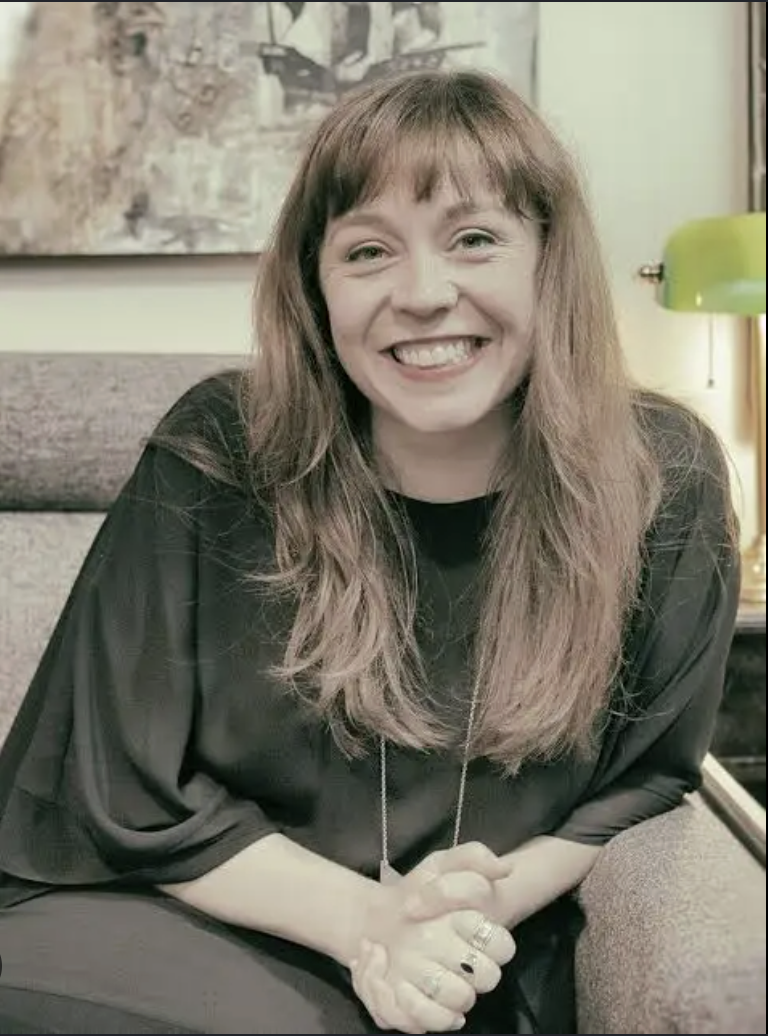
Kathryn Musilek is building a PR business that actually reflects her values—and gets real results for creatives. As the founder of Shark Party Media, Kathryn specializes in matching creatives with podcast guesting opportunities, carving out a much-needed niche in today’s crowded media landscape. In this episode, Kara Duffy and Kathryn unpack her journey from working in traditional PR (including with legends like Ringo Starr) to launching a values-driven agency where selectivity, alignment, and clear communication come first. They explore how PR and podcasting are rapidly changing, why building your business “selfishly” around who you are actually works, and what truly matters when making long-term business decisions. This conversation is a must-listen for creatives, founders, and anyone rethinking how visibility, media, and values intersect.
“The recipe for good PR is optimism and lead time.”
-
-
Chapters:
00:00 Introduction to The Powerful Ladies
00:18 Meet Kathryn Musilek: Founder of Shark Party Media
02:06 The Evolution of Shark Party Media
04:20 Navigating the PR Landscape
09:43 Building a Business Around Your Values
12:54 The Changing World of PR and Social Media
15:21 The Power of Optimism and Lead Time in PR
16:37 Finding the Right Clients and Projects
18:58 Trends and Insights in Podcasting
24:45 The Importance of Gratitude and Perspective
28:43 The Power of Imperfect Actions
29:24 The Neuroscience of Positive Affirmations
30:28 Leveraging Your Network for Success
32:01 The Importance of Clear Communication
40:11 The Role of AI in Modern Communication
50:44 Defining Powerful Ladies
53:10 Conclusion and Final Thoughts
—
[00:00:00]
Speaker 2: Welcome to The Powerful Ladies. I'm Kara Duffy. A big driving force for why I've started My businesses has been a lifelong passion for wanting to help creatives I believe in make their life and business work. Today's guest, Kathryn lik started Shark Party Media for very similar reasons. Shark Party Media is a PR agency.
Speaker 2: That specializes in matching creatives with podcast guesting opportunities. It's a unique niche that is so needed in today's current media landscape, and she's able to be super selective about who is on the roster and ensuring that her and the business's core values show up all the way through. It's no surprise to me that they're creating great results for their clients.
Speaker 2: In this episode, we discuss building businesses selfishly around you and your values. How PR is changing, how podcasting is changing, and what really [00:01:00] matters when you're making business building decisions.
Kara: Welcome to the Powerful Ladies podcast.
Kathryn: Hi. Thanks. Uh, it's really nice to meet you and to thank you so much for having me on the show.
Kara: Well, I'm excited about. Anyone who is creating new spaces in the new media. You know, we've had this podcast since 2019. We started it at the end of 2018 before I went live. And like, I'm a late podcaster. And I, I love it. It's one of the, my favorite parts of the job that I have, and it's changing all the time. There's been so many shifts in it, and you're in this really unique kind of space that you've been carving out where I don't, there are plenty of people in the PR and in media spaces, but I feel like we're shark parties hanging out is like, is in its own lane.
Kathryn: Oh, cool. [00:02:00]
Kara: So before I keep going, let's tell everyone your name, where you are in the world and what you're up to.
Kathryn: Sure. My name is Kathryn Musilek and I am the founder of Shark Party Media, and I founded Shark Party in 2007. Shark Party is a PR firm, we still think of ourselves very much in the PR lane because it's about relationships. It is not about like using AI and just pitching a bunch of people with some stuff they don't need. It's about me knowing you and then pitching somebody I know who has a podcast that makes sense with a topic that you're excited about and that the podcast would be excited about. So there's like, um, there's kind of a lot right now when it comes to, because podcasts are just skyrocketing.
Kathryn: . And because everyone has figured out that the best way to promote a podcast is on another podcast, it's very insular. All needs to be in the same world. Like it has to be on the same app for it to truly [00:03:00] work. Yeah. And so Shark Party, when we started we were into, you know, baby bands, et cetera.
Kathryn: My first job, I came to New York City. I'm like all over the place. I'm like going backwards.
Kara: You're great. Yeah, please do. I was gonna ask you, I'm like, tell me the origin story.
Kathryn: I will, I will, so I, um, I was born on a sad Tuesday and no, I, I was in a bunch of college bands. I toured a lot. I got my degree in cinema and comparative literature.
Kathryn: And then when I got to New York City, because all of my friends were pulling me out and being like, you have to come out. This is where we are. I came out with this wild optimism and I was just like, I'll get any job. I remember my friend Nick Bird was like, just apply to anything on Media Bistro when that was the place.
Kathryn: He's like, you can do any of these jobs with your degree. And I was like, all right. And I had a couple degrees and one of them had to do with all of my work as in [00:04:00] band life. Doing my own pr, doing my own promo, figuring out what materials go to, what kind of contacts. And then, um, the other resume had to do with my cinema comparative literature.
Kathryn: 'Cause I did do a lot of like editing training, so I was like, or I could be a film editor. And I just started sending the resume around. And I, by some stroke of Crazy Luck, landed a job with Ringo Starr's publicist, Elizabeth Froind at Beautiful Day Media, which is a tiny, tiny company and very, very powerful. And so like she and I got along so well and we worked a lot of these sort of legend kind of, musicians, Ringo, um, working with like Eric Burden of the Animals Bob Geldoff, like just a whole bunch of kind of UK based, really famous people. And I was like, whoa. I mean, I'm from Iowa, so I was like, Ringo star. Wow. [00:05:00] And, um, it was very exciting and I learned so much because of how small the company was. And after a while it was just like I really wanted to do developing as opposed to the kind of legend PR stuff that's also very exciting. And Elizabeth is a genius. Um, she's been with Ringo for, I don't know, 30 years or something like that. I'm sorry, Elizabeth. Um, I don't remember. But, um, we've remained very, very close Elizabeth and I, and there's definitely a sort of before that job and after that job sort of split in my life for sure. And at the same time, I sort of always have followed what is of interest and what is what I'm passionate about. And I'm always sort of like, what's next? And so, amicably, I left, uh, Beautiful Day Media and started Shark Party Media to do like baby bands. Mm-hmm. Um, and [00:06:00] things that I thought that I had, I could have a hand in sort of creating careers, careers for.
Kathryn: Yeah. That was what, what my interest was. And then after a while I realized I was listening to a whole lot of comedy and podcasts and, well, I gotta get honest about this. So again, I go where it's warm and start making reach outs and I start, working with a bunch of comedians. I worked with a big roster for, um, this manager and it included really big names and, just really brilliant people like the John Hodgman, Reggie Watts, Wyatt Snack, like all like, just a fantastic roster of comedians. And what I found in that space, of comedy PR was podcasters. And because comedians would like to talk for three hours, please. So it was always just like this natural pull. Mm-hmm. And it was always, on one side it was kind of about me being like, this is what I wanna do. And on the other side, it, like, all I am [00:07:00] realizing all the decisions were just sort of like saying yes. When the idea was good. Like, sometimes something would just come across and I'd be like, that's a good idea.
Kathryn: And so it was always pr, but the podcast guesting was always part of it. So podcast guesting. When I say that just for listeners who may not be in, in the PR space, et cetera, I liaise between the media, newspapers, magazines, tv, radio, podcasts, and talent, like Kara Duffy from Powerful Ladies, for example. I find ways to, try to motivate my contacts in the media to write a feature.
Kathryn: Mm-hmm. Or a story. I come up with story ideas and I pitch them and I work with the media to make sure they have everything they need. And they, they get their interview scheduled and so what happened was the people in the podcast space sort of noticed that we were particularly good at placing people on podcasts and that we were, building this really powerful database that's literally like our Rolodex, like the olden [00:08:00] days.
Kathryn: It's not something that you can subscribe to for $600 a year. It is me and my staff and how we have cultivated, a really great community around us. , I think that's why it works. And I think that's, that's how it happened so naturally and over the course of 18 years, so it's not like these were sharp turns. These were sort of wafts. We were just like drifting where people were like, how about over here? And we were like, yes, I think so. And, you know, let's go over here. Or,
Kara: just embodying the movements of a shark. Yes.
Kathryn: Oh yeah, exactly. And you sink or swim, you know what I mean? That's kind of where we're at and I'm really pleased with where we're at because it's been this natural mm-hmm.
Kathryn: This natural progression. And, um, I also am just really proud of, like, I, I don't have to work with anything that is problematic. I choose all of the projects that I work, so do all of the other publicists at shark party media. I'm not gonna be like. Work this [00:09:00] toxic man who's talking about airplane food.
Kathryn: Like, no, like we don't have to do that. Like, we get to work with powerful ladies, we get to work with feminists, we get to work with people of color, lots of people in the LGBTQ plus space. And like we do work with John Rezi, who is a straight white guy, but all of his comedy would never punch down.
Kathryn: Mm-hmm. Like if anything, he kind of punches in like punches at himself. Like everybody just has to be smart and nice and if they want to work with us, we need to feel excited about projecting them into the limelight. And, like, go, where's warm?
Kara: I think that through your website, through the experiences I've had working with Leo, like there's just been, I've gotten this undercurrent that I feel so related to coming from past lives in street wear and skateboarding where it's like, build it [00:10:00] yourself. Who do you wanna hang out with? Who are the cool people you wanna collaborate with? Like, I'm so naturally on the business coaching, consulting, like building side. Like I want to help incredible creatives who deserve to be making money in their zone of genius. Like that's mm-hmm. Why I've started so much of the stuff over here.
Kara: Yeah. And it's always been kind of similar to your choices of, that sounds awesome, or that sounds stupid. Those are my two motivators of like making everything. And I don't think enough, like I'm constantly preaching to my clients and whoever will listen that when you build a business selfishly around who you wanna have around a dinner table, it changes everything because it's easier to attract the right people. You have more fun. There's more flow. My rule is my dream clients I would go on vacation with and
Kathryn: whoa, that's commitment.
Kara: But it's, it's like that's the wall,
Kathryn: but that's great. Yeah. Yeah. Mm-hmm. I love it.
Kara: Yeah. 'cause I'm sure there's nobody on your roster that you're like, Ooh, I [00:11:00] have to have a meeting with them. No!
Kathryn: No, not at all. Yeah. It's all really good vibes. Like the vibes are important to us. And that's another sort of like, you, like go where it's warm, I'm a broken record. But like, you know, if, like, if someone is like respecting you or if someone is skeptical of you and you know, if someone is like, trust, like that's the other thing with PR and guesting is like, you really have to be aligned and on the same side.
Kathryn: Mm-hmm. And you have to sort of like strategize together and understand that the process can sometimes take time or so. Like something that you think is like the best idea the person you're sending to doesn't agree. So you just have to go where it is warm. You just have to continue to pivot. You have to keep looking for new ideas. You have to stay creative and optimistic. This is another, so here's my other little golden nugget. I say this all the time when I'm talking about pr. I truly believe [00:12:00] that the recipe for good PR is optimism and lead time. And if you have optimism and lead time and like a good publicist, um, and you know, and a good, you know, a good story helps.
Kathryn: But if you have optimism and lead time, then like even the story, you have time to sort of mm-hmm. Shape and reshape and present and, you know, try something, try something else. The, the Rush jobs. Just like really, they just don't work like that because the media is on their own timeline and deadlines and they're already working ahead like a month, two months? Like it depends.
Kara: We've already passed the, yeah. We're past the holiday gift guide. Deadline
Kathryn: Big time..
Kara: Like if you went any Q4 PR and you have a physical product, you've got maybe 72 hours to go.
Kathryn: Yeah. Get on it. You're working Saturday.
Kara: So, yeah, it's like there's, I don't think PR to me is such a fascinating category. Like I've [00:13:00] had agencies who've been clients of mine. I've had people who've, who've moved into PR or it's such a changing category in the marketing space because there is no such thing as one lane anymore. Often. Oh yeah. Because. If you're doing PR and it's not showing up on your socials and on your website, why are we doing it?
Kara: Yeah. And if the social team isn't aligned with the PR team and they don't have, they can't insert things as they magically appear
Kathryn: in the media world, like there's such a synergy that has to happen.
Kara: And even now, brand deals are moving into the pr, you know, agency spaces. So it's so interesting to see how different groups are stretching in different ways based on who their clients are.
Kara: Mm-hmm. And also what they wanna take on. 'cause I think there's a lot of kind of in that boutique marketing spaces where they're doing way too much and drowning a little bit. Mostly 'cause they're not charging enough for all the things they are doing, [00:14:00] but it's also not their area of expertise. And they're like, oh, it's just Instagram.
Kara: We can do it. And I'm like, can you.
Kathryn: No, it's its own language. Each platform has its own language. So we did, um, we, we've had, uh, moments where we were like, wafting into some social media management and it is its own thing and it's very difficult. And it also, again, really requires the cooperation and like excited, uh, teammate energy of the client.
Kathryn: Like it fully does. We can say, here's your posting calendar for the week. Um, but if they don't take to it, if they don't like doing it, if they're like, oh, you just do it. Then you're like, well, then it's not gonna be your face and we're trying to promote your face and not mine. So yeah, we, we actually, we moved out of it because of how much work it is.
Kathryn: That you really need to charge a high price point to be doing [00:15:00] it. Right. Or it needs to be someone who's already really in the flow mm-hmm. And really in their own voice. And you are supporting, you're editing, you're posting things that they've created or you could, or whose voice you could kind of mimic easily.
Kathryn: Yeah. That's not so bad either, but it's hard. That's a hard job.
Kara: It's hard. And, and I also think that people who are drawn to a PR job where it's people and relationships and conversations and it moves fast, is not the same person who wants to sit behind a computer all day and edit, manage, post analyze, do trends for any of the social media platforms. Like, it's, it's such different personality types and I think that that gets missed as well. One group I think is doing a good job with it is Hello PR out of la They do interior designers and architects. They've added social media in-house, but they brought in an expert who was doing that before, [00:16:00] elsewhere. And because it's interiors or exteriors, it's less the faces of the people they're representing and more their work. So it, it changes the dynamic of oh, we're just like, we can go through their entire portfolio of all their homes and it's an easier thing to build out in advance than needing someone to make reels in sort of real time. Yeah. Because they need to be relevant. Like Right. If Steven Colbert's doing jokes on his Instagram that are from four weeks ago, it won't work.
Kathryn: Right. Yeah, totally. It has to be new. It has to be fresh.
Kara: Yeah. You mentioned before too about how excited you are to represent people, bands, like when you're meeting someone who's a potential client, like do, is it an intuitive feeling? Is it logical? Like how do you, where do you get excited when you're meeting people and seeing those possibilities?
Kathryn: A lot of times it has to do with the project itself. [00:17:00] Uh, if I'm excited about the project, I'm excited about, uh, the person also. There are a lot of things that we sort of learn about a potential client in a call. We learn about how we get along. We learn about, how much they know about the process, how much handholding we should take into account when we're proposing a fee.
Kathryn: We understand a lot, a lot more just sort of getting to know somebody. We also get, like, I get really excited when I have a new business call, potential business call and. I'm like coming up with crazy, exciting ideas because of what they're telling me. Or when I relate to something or when I'm like, oh my gosh, this is so zeitgeist right now. Like I just did. Um, we do, uh, fringe shows the Edinburgh Fringe, we do a, like a handful every year. And I just worked Olivia Orman's show [00:18:00] called Call Me Crazy, which was about her, uh, experience of being medically gaslit for six years. And I was like, and about like the gender health gap. Yes. And like, this is right in the vein.
Kathryn: This is like, so like we all can relate to going in with a broken hip and a doctor tells us to lose weight or something, you know, and they like go home and when you've, so we all have our stories about doctor's not hearing us and. It did really well. Like it was a really exciting show for people and it was also really lyrical.
Kathryn: And anyway, that was like what I'm excited about the project because I see the possibilities for them.
Kathryn: That feels really good. Like to be able to understand what kind of value I can bring because I see the story. Yeah, that's, that's some of my favorite, some of my favorite moments are those like first meetings, like that
Kara: there's a lot of [00:19:00] dialogue right now about podcasts changing such that they only work if it's now celebrities talking to celebrities. And I don't know if I agree with that. And I'm curious your take on how are podcasts evolving and what trends do you see and like what's actually working in the podcasting space?
Kathryn: Sure. Um, I think that, like anything, it's premise and personality and persistence. I just made that up. But you can put that in a think piece if you'd like to, or I'll write it for you.
Kathryn: But it is about like, sometimes you'll hear something like, so premise first show, um, you'll be like, oh, this is, scam goddess. It's about you talk through stories of someone being scammed and they kind of comment on it. Mm-hmm. Or you know, judge John, judge John Hodgman, which is kind of like a judge Judy, but it's John Hodgman and he's a charming [00:20:00] NPR-ish personality and humorist and novelist, and not novelist.
Kathryn: He's a humorist who's written a bunch of books. When you hear the premise and that's like, oh, that's cool. I will listen to that.
Kathryn: That's important. So to have a premise like, you know, there are. The kind of like Yammer men, I call them, who are the ones that I'm probably not gonna work with 'cause they don't really like me anyway 'cause I'm a lady or whatever.
Kathryn: So the Yammer men, that's its own thing. And for some reason people have three hours a day to listen to that. And that's great. And it has its place for certain people. I get it. It's not quite our brand, but, um, but premise and personality I think are really important to the lo and also just like staying with it.
Kathryn: Mm-hmm. There was a study that said the podcasts that continued to post for two years, uh, regularly they're gonna be okay. Like, it's gonna work out. Like you're showing the commitment. You're like honing in on what your, what your voice is and what the podcast actually [00:21:00] is. 'cause you also hear that sometimes, right?
Kathryn: Mm-hmm. Where you like hear the beginning, you hear the first few episodes of a podcast. 'cause sometimes that's where you start and you're like. Eh, and then by like episode nine, you're like, I'm in. Like, this is great. Sometimes it just takes time for things to get on its legs. On its feet. I mean, I don't believe that you have to be a celebrity to make it. I also believe that you just need your audience. Like, like there's gonna be the Mels, there's gonna be the Rogans, there's gonna be those guys. For sure. Rogan started like a million fucking years ago. Yeah. Like, he invented podcasts along with like six other people. Not really, he didn't invent podcasts. I know that one guy did, but I just wanna say like, because he is been in it for so long, he's always been findable.
Kathryn: Mm-hmm. And he's been able to just keep an audience and grow an audience and that's fine. I think what happens is you're [00:22:00] not like competing against other podcasts, like you're looking for your audience.
Kathryn: And there are a million podcasts that are doing very well with like a 100 k an episode audience, a 30 k an episode audience, there's ways to find the niche and find your community and it, there's a reason that people go after micro influencers too, instead of going after the big guys there. Uh, recently I read an article, I should name the woman who wrote it, but it was about going on a very large podcast and how it didn't really move the dial.
Kathryn: Yeah.
Kathryn: Sell any books. And I've talked to Christy Mirabal at she's now at the listening party for a long time about this phenomenon where people want to be on. Wait, wait. And they wanna be actually, wait, wait. I think does move the dial, but they wanna be on these very big shows. Mm-hmm. But that's the show that people listen to it.
Kathryn: [00:23:00] They're like, that's the show I listen to. They're not exploring, they're not like seekers. Mm-hmm. They're not looking around. When on the other hand, people might be listening to a podcast that's in a similar or slightly larger. We try to aim above.
Kathryn: Mm-hmm.
Kathryn: Um, our clients punching weight slightly more popular.
Kathryn: That's where you kind of have people who are engaged. And especially if they're long running. If they're long running and have like a 30 k audience, that means that there's been, there's a real audience for that. They're really listening. And so getting onto a show that has been around for five years with third, even 10, 15 k, like that can be really helpful.
Kara: Mm-hmm.
Kathryn: You know, and sometimes we can like sort of poo poo the lower listenerships, but you're like, if you were in front of a live audience of 15,000 people who were like intensely listening to you, would you be like, that's not big enough. Like, I don't think you would, I think you'd be like, [00:24:00] great, here's my idea.
Kathryn: I don't need to like scale up and have a billion clients. I need to have my clients and my income and my career. And all I need is the people who that makes sense for. And it costs a lot of money to be a person.
Kathryn: So I do need to make a certain amount of money, but like that's all I need. I don't need to take over the whole world personally. Mm-hmm. Be happy. I just need to be doing good for people and for myself and stay solvent, enjoy the outdoors and blah, blah.
Kara: I've been talking to people about it because myself, my clients since last Thursday, through now has been an absolute insanity of projects blowing up things, breaking down, system's not working.
Kara: My astrologer friend said, it's all because of whatever's happening this month, but I'm like, listen, it went from things working to nothing has worked this week and I've just had to like surrender and be like, okay.
Kathryn: Yeah. Oh my God, I hear you. Today [00:25:00] was a rough day. I hear you. I'm also gonna tell you this I had a bit of a rough day. I knew I was speaking to you. I took an hour off in the afternoon and went and like pressure washed something on my property. Ooh. And I felt much better. Yeah. And then I came back in. Sometimes the work you have to do is like, push away from the desk. Mm-hmm. And let things percolate and restore, like fill the well, and that's like such a meditative thing that I love to do out here.
Kara: Yeah.
Kathryn: And I think it helped quite a bit.
Kara: No, we have to. And like, it's also just perspective. 'cause it's so easy to get sucked into this space between you and the screen that you're looking at for most of the day. And think that this is the bow we live in. You, again leave, go in another room, go outside, walk down the street, and you're like, none of that's happening out here.
Kara: Like this is, these are totally different realities. Like what? Okay.
Kathryn: Yeah. And it's also the, the phenomenon of the imagined [00:26:00] stress or whatever, where it's like, it's actually not a stress. And if we're. Sort of where we are right now. Then I can be like, wow, I have a chair that's pretty comfortable and a nice view of green stuff, and I'm talking to a really kind person and I am doing just fine in my company and I'm proud of what I built. I can like go back to gratitude.
Kara: Mm-hmm.
Kathryn: That's so important because I'm gonna get a little bit philosophical here, but I do believe that whatever you are looking at is what grows. Yes. And I believe that if you're staring at what you don't have and obsessing, then you're saying to yourself over and over, I don't have anything. I don't have anything. I don't have anything. And you're giving messages sort of energetically to others. You're giving messages if you believe in any kind of universe or whatever, you know, you're saying like, I nothing for me. No thanks. Mm-hmm. Um, but if you're [00:27:00] looking at like what you do have and what you do want, like, and the positive and the affirmative, I do believe that it can grow.
Kathryn: Because that's where your focus is at. And uh, you can kind of allow it in like once you're, once you're not in panic. 'cause when you're like in crazy panic mode, who wants to work with you or talk to, you know, it's just like, and then when you can just sort of relax and sort of focus on the vision you have for your company or for your life, or for your relationships or for your friendships or anything in the whole world, then you can allow that to come in because you're sort of allowing yourself the, like, luxury of a vision of it.
Kathryn: You're sort of saying like, I could deserve that. I could have that. And then once you are in alignment with that idea mm-hmm. You just gotta let it in. You just gotta make a, like, do a bunch of actions. Aim high Polish here, shine there. Do you know about that one?
Kara: No, but I like where this is going.
Kathryn: I [00:28:00] truly believe that every earning action that I do, it doesn't always bring in something directly.
Kathryn: Mm-hmm. But if I'm like, I love this really famous comedian and reach out to her, something else comes in. Mm-hmm. Like, I reach, I, I,
Kara: I believe that too. Yeah. Right? Yes. Like,
Kathryn: and you're like, oh, okay. I'm like, nothing's moving, nothing's moving.
Kathryn: And then I just start getting in conversation with old clients. Yes. I can just like, reach out to someone and be like, how have you been? And then something else comes in.
Kara: Mm-hmm.
Kathryn: And then I can, uh, call somebody who runs the podcast company and they can be like, yeah, I don't have anything for you right now.
Kathryn: Or I reach out to them and they're like, oh my God, I've been meaning to call you. Yes. But yeah, just doing the actions without needing them to be perfect actions. Mm-hmm. And just sort of. That's the way that I sort of stay in this sort of like
Kara: motion
Kathryn: wing things to come in and, yeah. And earn what, what I need to earn
Kara: [00:29:00] the, it blows my mind that more people are not writing down their goal, even if it feels incomplete. Right. Even automatic. 40% boost of it coming True. Wow. It can be completely delulu, go write it down and like we're living in a world right now where people who lean in on delulu are winning. Right. So nothing else. Lean in on your d Lulu. And then I, one of the odd things that's usually not on my resume is that I have teacher training in psychotherapeutic yoga, which is like blends neuroscience, yoga, and psychology.
Kara: And there's so much neuroscience to support what you were just saying. Mm-hmm. If we say. In the positive current language, I am a billionaire and we say it every day.
Kara: All as often as we can. Our brain goes, this is strange to me. I've seen your bank account and last time I checked we were not a billionaire.[00:30:00]
Kara: But your subconscious thinks that it must have missed something if you keep saying it to yourself. 'cause it trusts you. Mm-hmm. So it starts looking for opportunities to make the statement true. Mm. And all of a sudden, again, may not be a billionaire, but suddenly might have a lot more money than you thought you did.
Kathryn: Right.
Kara: Because now your subconscious is looking for these moments, and it doesn't have to be money, it can be relationships, clients. Mm-hmm. All the things. But I, I, I think people underestimate that side of things and they also underestimate the second part you said about working the network that you have.
Kara: Mm-hmm. And I do a whole thing called a community map with clients, where we're like, we're gonna write down everyone you can remember from that job, this school, this neighborhood, that band.
Kathryn: So smart,
Kara: because we don't, we have about 3000 contacts on average as a, um, adult.
Kathryn: Wow. Yeah.
Kara: [00:31:00] Between our social media connections, our whatever's on LinkedIn work, if we're keeping all the, most people are not tracking them.
Kara: So having like a networking tracker really helps. But if you think about everyone you've ever met, are you going back to see how you could give and gain in those relationships? Not in like a gross Hollywood way, but we like often the person who has the next key you need, you forgot to even tell you started a business.
Kara: Right. And they have no idea what you do.
Kathryn: Right. Or they know you have a business, but because you haven't been like, Hey, by the way, reach out anytime if you want me to work for you. Like. If you don't let people know that they can be intimidated away from it. Sometimes people are like, so what do you, um, is that something that, like if I did, if I had a thing and I'm like, oh my God, yes, of course.
Kathryn: I'm so sorry you didn't know that. Like Yeah. You know, um, yeah. You have to tell people that you have a business and that you're available. Mm-hmm. [00:32:00] Consider working with 'em
Kara: and Even current clients, like just sending out an email being like, Hey, I've got two spots open. Who do you know? You know me, you know what we do?
Kara: Who would you recommend? It's the easiest way to fill empty spots. Would I bother my current clients? I'm like, 'cause they love you if they're still working with you.
Kathryn: Yeah. Right.
Kara: They're your best salespeople.
Kathryn: That's the other thing that people don't, I think that people underestimate that.
Kathryn: People do wanna help you. Yes. Like when someone, like people want to help you. So people are like, oh, I don't wanna ask for a favor. You're like, mm-hmm. The whole world of like this for that favors or like, I'm old, something from someone 'cause I did something for them. You can't go through business that way and you can't go through life that way.
Kathryn: Like, people want to help each other. Like when I get a referral from someone, it's usually because they're like excited to help their client by referring to us. 'Cause they're like, oh, I know somebody else who could help you. And then it's like, then I have this, goodwill with this person.
Kathryn: And it, it's [00:33:00] just like general good vibes, good karma. And it always comes back. Anybody who I refer to like, yeah.
Kara: Well, it, it makes me think of like, there's so many stories, right? Where people are like, I send out holiday cards every year and if people don't send one back, they're off the list. And I'm like, first of all, that's not what we send holiday cards. So like, let's go back to why we do it, it's not an an a matching game. If you give out all that energy, I can't guarantee that those people are gonna be who give it back to you, but you're gonna get it back over here or over here.
Kara: Mm-hmm. Like, we have to allow there to be like, we can't be attached to who we help being who helps us back. That's not the way it works. But if we're in, if we're committed to a pay it forward support, help flow in general.
Kara: Like there's enough money, there's enough opportunities, there's enough people who already know the answers.
Kathryn: Like, yeah. If we're not, it's totally about like finding your. Sort of parallel [00:34:00] strengths. Yes. And then sort of, like we work alongside other companies in order to work on our parallel strengths together on a single client. Like Yes. And that is so great 'cause because we're all indies. Like we're not Indies Indies, but you know, independent, smaller companies mm-hmm.
Kathryn: Who just happen to have like niche talents when you join up. It's kind of like you get to sidestep all that corporate culture mm-hmm. Patriarchy, like all that shit. You get to like work with who you wanna work with and deliver the kind of service that you'd like to deliver. 'cause frankly, in the corporate world, a lot of that stuff all falls through the cracks anyways.
Kathryn: Mm-hmm. Like the big PR firms you're paying for their very fancy office and like a lot of the like nitty gritty rubber meets the road media relations stuff isn't really happening. And yeah, it's just like an ideal situation to have a community of businesses together. Mm-hmm. Instead of having to deal with the big corporate stuff. And again, people wanna help each other. Like when people reach out to [00:35:00] me and are like, could you tell me what PR is? Or whatever it is, I'm like, yes, of course. Like there's certain things that are like, you can't pick my brain in that.
Kathryn: I'm not gonna give you all my tricks. 'cause that's like, why that's something I've created. It's a boundary. Yes. You need it. You cannot see my pitches. Yeah. Because that's my special sauce and my relationships. Like, that'd be weird. Like if, if you're like showing like, if like I'm showing people emails that you sent me about like, what a fun time we have. I mean, it's personal emails.
Kara: But on that real quick, so I think that's an important part because.
Kara: I'll have people who get so frozen in outreach and communication mm-hmm. For whatever they're doing in their business. Yeah. And they're like, do you have templates for this? I go, you, we shouldn't need a template for a personal conversation.
Kathryn: No.
Kara: I can give you some rough guidance of like, here's what I think is cool about you. Here's what I'm up to. Here's the request I have. Like, I can go that far. [00:36:00] Mm-hmm. But the reason that your communication, especially in an email format isn't working, is because it sounds like some scammy thing because you removed yourself from the entire equation.
Kara: Right. Like there's no relationship in that.
Kathryn: Yeah. Or you didn't ask anything. Mm-hmm. Like, people will be like, I'll get emails like this sometimes and I'll be like, this is a thing I did and uh, the thing happened and all this stuff. Anyway. Bye. And you're just like, I. Great. Yeah. Thumbs up. Thanks for telling me. Bye. You know, uh, like, and then it can be very confusing about like, and I think there's a sense that there's some kind of ethereal, like maybe industry just, I just like talked to everybody about this email that I got or something like that. And maybe sometimes, but, but, um, I make sure, like for me the ask is very, has to be very clear. Yeah. And very quick. Because I am scanning really long [00:37:00] emails and if I don't see the ask, if I don't understand what, why you're reaching out to me, I'm confused and I'm busy and I just can't,
Kara: we need to make it easy for people to choose and respond. Yes. No. Yeah.
Kara: Option 1, 2, 3.
Kathryn: You think the answer's gonna be the answer regardless of what they think or about your writing about themselves? Your answer's gonna be, yeah, I'd like to, uh, no I can't or no, I don't want to,
Kara: the easier we make it for people to answer our questions, the more responses we will get.
Kathryn: That's true. presumably the more yeses.
Kara: Hopefully
Kathryn: Yes. For a numbers game. Yeah.
Kara: Yeah. I loved that. We had to ask Leo if they thought you that you would be a yes to coming on here.
Kara: And I just wanna share what they said. Oh, I think she'd be an amazing guest. She's been an incredibly inspiring boss and I would love to listen to an episode with her. She deserves infinite recognition for her great work.
Kathryn: Stop it. Yeah. Aw, [00:38:00] Leo. Leo is amazing. Mm-hmm. That's so sweet. That made my whole weekend, Leo, you're the best, but you know you're the best because I tell you all the time, he is inspired and like, so hardworking and has great ideas.
Kathryn: I also wanna say something about the comms business which, you know, we're kind of marketing, but we're, we're comms, you know, we're communications. And when working in the communications business, you really need to have people who are good communicators. And Leo is the best. Leo is direct, unemotional, clear, kind, even if it's something that is being delivered that is like not good, even if it's like a negative feedback moment or whatever, it's gonna be delivered in a clear, unemotional, direct way.
Kathryn: No messing around with passive aggressiveness or, sometimes like I've had, [00:39:00] um, Leo Garza Lopez, by the way, is our amazing coordinator, junior PR working with Kara right now. I've had assistance where. This is one of my big peeves, right? So comms business, you should be good at communication.
Kathryn: Where I will say something like, do you know when this will be done? You know, like send a task to an assistant and the assistant and I say, do you know? And the assistant will go, I didn't know you needed it right now. And I'll go, I don't, that's not what I said. I'm actually just asking for information.
Kathryn: Mm-hmm. Like interpreting questions as judgements or interpreting questions as rhetorical, et cetera, kind of shows me that like they are freaked out. Mm-hmm. They're on the defensive. They need a little bit like reeling in to be like, when I ask and I just have to be really clear and say, when I ask a question, I promise you that I'm seeking [00:40:00] information. If I have anything to tell you, I will tell you very clearly and unemotionally and, um. Yeah. So anyway, that's interesting. Leo's the best.
Kara: But I think this communication part's really important because a lot of people are currently defaulting how to say things to chat GPT. Mm-hmm. And I wish that people instead, were working with someone who has experience or training in communications, because if you can understand the origin of your listening and you're speaking mm-hmm. You are prepared for any environment. Mm-hmm. And people get so nervous that they're gonna mess it up or not understand or not speak clearly, I go, that's actually not what I'm worried about. I'm worried about are you listening through a filter and talking through a filter? Or are you actually listening to what everyone is saying? Because it goes back to the email part, like, communication should not be. Business is not complex [00:41:00] communication, as you said, it's like pretty simple. It's nice, it's direct, it's clear. If you can do those three things, you're light years ahead of where most people are communicating from. Totally. And I just, I think it's, I'm curious how society's going to evolve in that space.
Kara: Because the people who can communicate, whether they're on a podcast or not
Kara: are the ones who are advancing and moving through things very quickly and are irreplaceable people who can't communicate or panic about it. Like it's not a fixed personality trait. It's a skills you can learn and develop.
Kara: And like most things in business, they apply to your personal life in such huge ways.
Kathryn: A hundred percent. Yeah. Yeah. If it's good communication, it works everywhere. Yeah. Like through all sectors of your life. I think, um, yeah, to your point about the like direct communication, there's also times where, like time is money.
Kathryn: So if, if somebody says [00:42:00] like, hi, I would love to be on your podcast, which is funny 'cause I don't have a podcast. And then they're like or are there like, I would love to know about collaborations, maybe partnering of the, and I'm like, what do you mean by collaboration? What do you mean by partnering?
Kathryn: Like, I need you to say, I honestly need you to dumb it down. I need the corporate speak out. Yes. And I need you to tell me clearly what you mean because I work with people in a number of capacities and I don't know if you wanna be on their podcast, if you want them to be on your podcast. I don't know if you're trying to sell me something or if you want me to buy something.
Kathryn: Like you need to tell me these things and then I will know the answer for you. But unless you're clear, like, I really can't do it.
Kara: I am constantly telling people to dumb it down. Like my rule is a five-year-old or an 80-year-old should understand the same message, the same SOP, the same checklist. And sometimes the dumbest communication wins. Like I reached out to Kara Golden to be on this podcast years ago. We [00:43:00] couldn't get the scheduling right. There was like a thing, I was recording on Sundays and she was a no on Sundays at the time.
Kara: So she's been on our get back to list. But I messaged her on LinkedIn and I said, we have the same name spelled the same way. We both have red hair. And Julie, who was just in the podcast said, you and I need to talk. That was it.
Kathryn: Wow.
Kara: And she's like, great. When like, I'm like, oh, like I get shocked knowing how sometimes the lowest low of communication. Works. Mm-hmm. Because it was, it was exactly what I was thinking. Mm-hmm. There was no fluff, there was no, I'm not gonna look cool. Like giving up looking cool or professional is maybe the fastest way to getting what you actually want. Not that it's not valuable to know when, but the no, like no one, no one who's doing cool big things worries about that as much as it looks like they do.
Kathryn: Yeah. Right. Yeah. Like they're fronting or something. I'm noticing a thing where sometimes [00:44:00] it is very clear that someone has gone to chat GPT to ask how to manipulate me in their email where they have, and I am offended and I know that that's what's going on. Yeah. Where it's clearly written. You can tell guys, you can tell, you can tell if it's chat GBTI know maybe not everybody can tell, but I can tell that you didn't write this 'cause I've known you for 12 years and you don't talk like this. So like going to chat gpt to say, how can I say something to Catherine to get what I want, even though she already said I can't have it. And then sending it to me and I'm just like, I see you still know, or whatever it is. Mm-hmm. It's not only that, but I have a thing about people rather than saying things directly trying to manipulate. Mm-hmm. And it bothers me 'cause I find it insulting. I find it insulting to like. How we should be communicating and respecting each other.
Kathryn: Mm-hmm. [00:45:00] I don't think that's, that. I don't think it's respectful and I don't think it's professional and, but I'm also a dinosaur, so probably in five minutes everyone on Earth is gonna be like, like I'll probably get letters about this.
Kara: I mean, I've been having some controversial opinions about AI lately too, and being someone who worked in the design world for a long time. If you do not know how to properly brief you will not get back what you want. Mm-hmm. And most people who are putting things in the chat, GBT, don't know how to ask for what they really want back. Mm-hmm. That might be the second most thing after communication that I wish more people were spending time on.
Kara: And because it's a completely, anything can show up if you don't, it's like manifesting if you forget to include. Key things, you're gonna get exactly what you asked for. And oh, you, you didn't only want, you only wanted $10,000 in your bank account, or you wanted an additional, like, we, we forget the key words all the [00:46:00] time and yeah it's frustrating because people are acting like AI and chat gpt can make you millions of dollars and cut down your to-do list and change things, and it can, if you are using it with some structure.
Kara: Mm-hmm. But we also overuse it like it shouldn't be, it doesn't need to write all your emails. They shouldn't be that complicated. I use it more in like a brainstorming way when I'm like stuck on something.
Kathryn: Same if I use it, that's what it's for. Mm-hmm. Sometimes it will bring me an idea that I'm like, oh, I would never go that direction. And that at least triggers me into like something else. Yeah. Or I can kind of like work with the framework in some way. For sure. I think that there are uses for it. Mm-hmm. But, um, the idea just like, you know, surrendering our brains and communication to it completely just feels very [00:47:00] annoying.
Kara: Well, and I think too, like the communication part ties into your leadership. It ties into designing and creating the whole life that you want 'cause
Kara: all, all we're doing all day is communicating. And if you know how to use it to empower yourself and others, you can actually move things forward. Mm-hmm. Otherwise, you're stuck in this loop over here because no one taught you how to get off that thing and so I think we put a lot of stress on ruining thing. Bad communication. We're gonna do it wrong.
Kara: Communication, jail, IRS jail, employment, jail or like, where a lot of people hang out and stress out way too much.
Kathryn: Totally. Well, it's like ego protection. It's like people think this is an interesting sort of flip on the people pleaser. Where there, where people think I don't wanna reach out to this person and ask them because I don't wanna bother them. I don't wanna, you know, whatever. But really you're like, I don't wanna reach out to this person 'cause I don't want anyone to [00:48:00] have an opinion of me.
Kathryn: Mm-hmm. I don't want, you know, it's like, like that's another reason that people will not sort of directly communicate, but will kind of like loose goose around or, or sort of try to get around, asking directly or saying things directly is that they're worried about their being an opinion of them or of the thing. And I feel like, I think that there is a difference between being kind and keeping someone's sort of feelings in mind and also sort of, again, it's a mini manipulation if you're not being direct. Mm-hmm. You can think of like for as an example, like when people break up with.
Kathryn: People and they try to find the perfect reason for it. Like, oh, here's why I need to focus on me. I am, like whatever, like things like you don't deserve this bad person I am, or whatever. It's like no matter how you try to twist it up and manipulate it. You are saying, I [00:49:00] am breaking up with you. Like that is the short version of that.
Kara: The end. That's all that's needed.
Kathryn: Yeah. And yeah, we're right. Well, I mean, like you might be nice to them and everything, but the, the idea of coming up with something so that they don't have a feeling about you is impossible. Yeah. That's not happening. Like you can't get around the fact that someone's gonna have a feeling about you rejecting them.
Kathryn: So it's like you can come to it with kindness and you can say, I'm really sorry. I understand if you're gonna need some distance from me for a while, and I know this might be hard, maybe you don't care, but this is how I'm feeling and it's not working, or whatever. You can say it like that. And let them have their feelings. You cannot make them like you when you are dumping them.
Kara: No. And I do understand that like in situations we've never been in before, that sometimes we need some vocabulary to help us say what we're trying to say. Sure. Mm-hmm. But there's a book that I've been using for 20 plus years at this point called the Manager's phrase book.
Kathryn: Really,
Kara: I love this book. 'cause for every topic that you might have to [00:50:00] talk to somebody about, it gives you like nice to mean scale and you can kind of choose like, which phrase feels right for where you are.
Kathryn: Nice.
Kara: And I, and like it's just, it's a book You can go, anyone can buy it, it gives you options. It, but it starts to show you a range that allows you to also develop introductions to give people the feedback that they need to have. Because what's worse than bad communication is no communication.
Kathryn: Sure, yeah.
Kara: And so it gives you some, some steps in there. Yeah. Um, we could probably talk for hours and I'll be mindful of your time and our listener's time. Oh. So, but I have a few rapid fire questions before we, as we're wrapping up. Okay. When you hear the words powerful and ladies, what do those definitions mean to you? And do they change when they're, those words are next to each other?
Kathryn: Uh, yes, because we are in a system of patriarchy. Uh, the men are in charge, they're the [00:51:00] bosses. So the idea of powerful ladies has to do with sort of owning your own agency, finding how you can be in the world without having to interact or be under the thumb of a patriarchy quite as much. Um, I think that men probably also could benefit from not being under the patriarchy. So I think it, but powerful ladies I think of that, I think of, um, like the, the go-to, they call it the default. Is patriarchy and sexism. So you kind of have to fight it, you have to be fighting it. So powerful ladies are, even by existing as CEOs, even as existing as bosses or, or doing whatever they want they are fighting the patriarchy and I find that to be powerful.
Kara: Where do you put yourself on the powerful lady scale? If zero is average everyday human and 10 is the most powerful lady you can imagine, where would you rank yourself today and on an average day? [00:52:00]
Kathryn: Oh, today we're at like a four. And on an average day, maybe like a five, but that's weird because I don't think of myself as powerful. I just think of myself as free. I guess sort of like I have a lot of freedom to move around and make a lot of choices about my life.
Kara: Which is power in its own right.
Kathryn: Fair.
Kara: It's one of my core values. Nice. I have a post-it that says, if it's not fun, I'm not doing it. And it's, I come back to it regularly. You know, this group is collaborative and supportive and loves to help and pay things forward. What is something that you, on your wishlist, your want list, your manifest list, how can we help you make something happen?
Kathryn: I am volunteering with an organization called Plan C Pills, which is an abortion pill access information org. So if they could, uh, go to plan [00:53:00] c pills.org and get stickers that say, um, need to be unpregnant. And put them on the backs of bathroom stalls. That would be great.
Kathryn: Okay, perfect.
Kara: Well it has been such an honor to meet you today and to meet the powerful lady behind the work that I've been seeing happen for myself and with Leo.
Kara: So thank you for being a Yes and sharing your time and your story with us today.
Kathryn: Thanks, Kara. Thanks everybody.
Kara: Where can everyone go to find you in Shark Party Media?
Kathryn: Uh, at Shark Party Media on socials and shark party media.com.
Speaker: Thanks for listening to The Powerful Ladies Podcast. If you enjoyed this conversation, please subscribe. Leave us a review or share it with a friend. Head to the powerful ladies.com. We can find all the links To connect with today's guest show notes, discover like episodes, enjoy bonus content and more.
Speaker: We'll be back next week with a brand new episode and new amazing [00:54:00] guest. Make sure you're following us on Instagram or Substack at Powerful ladies. To get the first preview of next week's episode, you can find me and all my socials @karaduffy.com. This is a Powerful Ladies production produced by Jordan Duffy and Amanda Kass.
Speaker: Until then, I hope you're taking on being powerful in your life. Go be awesome and up to something you love.
Related Episodes

Episode 234: You’re Not Stuck, You’re Just Overwhelmed | Alexandra Generales | Founder, Little Social Co.

Episode 316: Marketing Steps That Are Wasting Your Time | Julie Leffler | CEO & Founder of Big Hype Marketing

Episode 306: Running a Purpose-Driven Branding Agency without Selling Out | Erik Perez & Marisa Issa | The Dynamic Duo Behind Hello PR Group
Instagram: sharkpartymedia
Website: sharkpartymedia.com
LinkedIn: kathryn-musilek
Facebook: sharkpartymedia
Email: km@sharkpartymedia.com
Created and hosted by Kara Duffy
Audio Engineering & Editing by Jordan Duffy
Production by Amanda Kass
Graphic design by Anna Olinova
Music by Joakim Karud