Episode 347: How Whimsy & Self-Expression Build Stronger Brands | Danielle McWaters | Founder of Designsake Studio & Co-Founder of Sardine
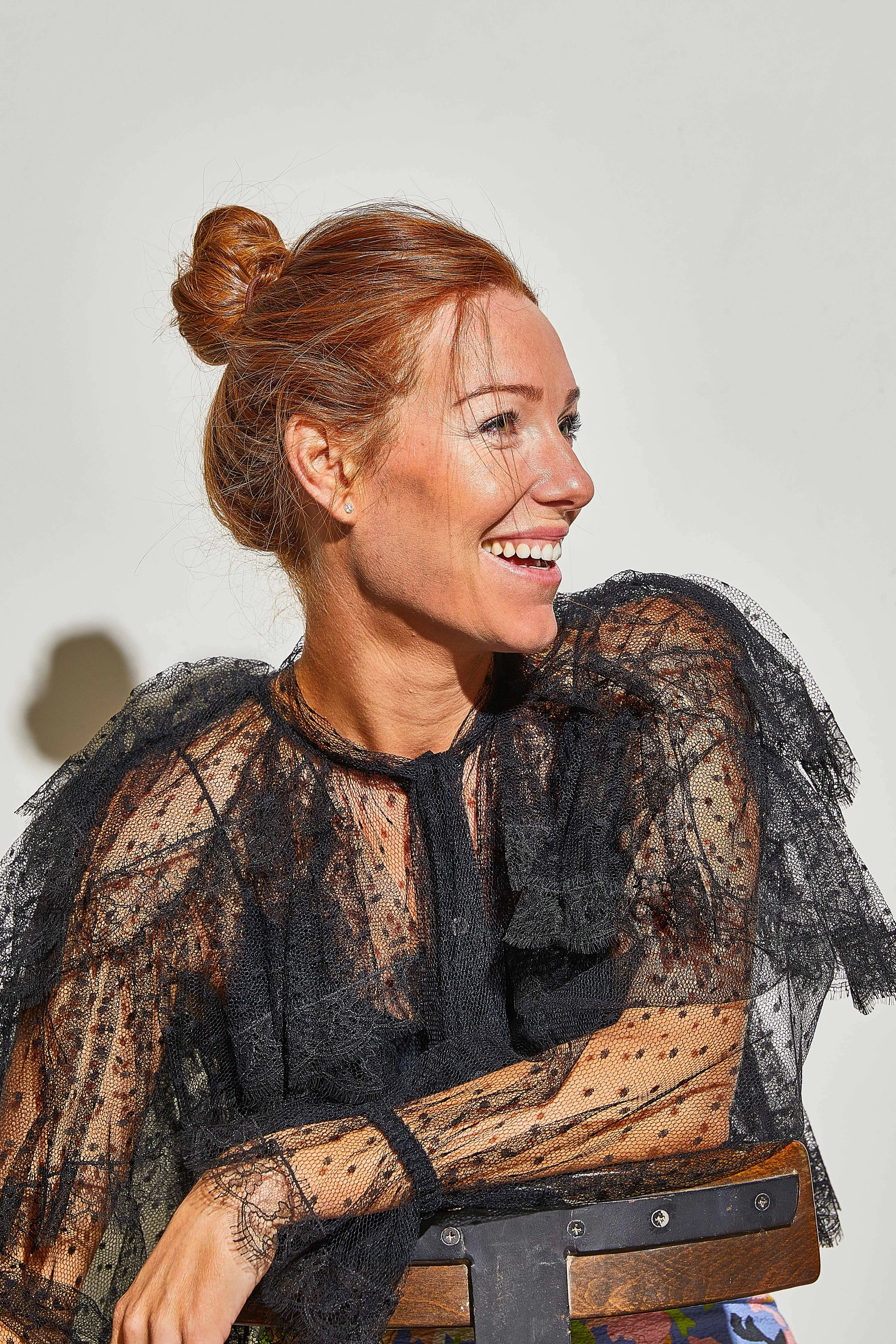
Danielle McWaters is the creative force behind Designsake Studio and co-founder of Sardine Eyewear, building brands with intention, strategy, and joy. In this episode, she joins Kara to share how she’s creating meaningful, lasting brands while navigating the challenges of launching product-based businesses. They dive into brand positioning, strategy, customer experience, and how to grow sustainably without losing integrity. Danielle also explores personal evolution, reconnecting with your creativity, and embracing whimsy in life and work. If you’re building a brand, craving more creativity, or leading with purpose, this episode is packed with inspiration.
“I choose every single day that agency is the most powerful thing I get to harness.”
-
-
Chapters:
00:00 Introduction to Danielle McWaters and Her Ventures
03:12 Career Path and the Launch of Designsake Studio
05:59 Transitioning to Eyewear: The Birth of Sardin
08:52 The Importance of Positioning in Branding
12:07 The Role of Strategy in Business Success
14:59 Navigating Brand Identity and Consumer Connection
18:01 The Challenge of Balancing Sales and Strategy
21:03 The Essence of Brand Purpose and Integrity
23:55 The Need for Whimsy and Individuality in Fashion
26:53 Embracing Change and Self-Expression
29:43 Reflecting on Childhood Imagination and Creativity
31:28 Embracing Whimsy and Authenticity in Style
33:13 Reflecting on Personal Growth and Identity
36:38 The Importance of Internal Validation
39:49 Choosing Agency and Direction in Life
41:34 Building a Purpose-Driven Business
47:01 Navigating Product Development and Sustainability
54:50 Rapid Fire Reflections and Personal Insights
347 - Danielle McWaters
===
[00:00:00]
Speaker 2: Welcome to The Powerful Ladies Podcast. I'm Kara Duffy, and today's guest is Danielle McWaters, the founder and creative director at Design Sake Studio, a creative agency based in the Bay Area. She's also the co-founder of Sardine, an accessories brand For those with an acquired taste, their frames are bold but beautiful, salty but sensible, iconic, but still perfect for every day.
Speaker 2: And they are my new favorite eyewear. Immediately upon meeting her, I was like, yes, I'm keeping her because she is smart and strategic and really gets why we need whimsy and our branding, our marketing, and ultimately our everyday lives. We discussed going from leading a service-based business into product, the challenges of staying nimble and sustainable in the product world today.
Speaker 2: Why we need fans, not just customers. And why? There's a mini revolution [00:01:00] of leaning heavily into our own unique self-expression versus the social media copy paste we've seen for the past decades and why we're both so here for it.
Kara Duffy: I am so excited to talk to you today because I had the founder, one of the founders of Marty on the podcast. I had met them at, yeah, I had met them at an event. I got their newsletter and I'm like, wait, they're selling sunglasses. how I found sardines. That's how I found you. And I'm like, okay, I want to talk to these founders because I come from a whole world of street wear action sports, launching brands and products. So I love finding other people doing that. And then also the fact that you have your, the agency, there's so many things that are juicy that I cannot wait to dive into today.
Kara Duffy: So let's begin by telling everyone your name, where you are in the world, and what you're up to.
Danielle McWaters: Amazing. Well, I am [00:02:00] so excited to be here. I love the thread right, of like how we got connected, honestly. So I'm Danielle McWaters. I am joining you from actually San Rafael, California. It's just north of San Francisco. It's actually, um, Marine County is where I was born and raised. So it's um, kind of like a, a coming home. It's got, we've got a beautiful day, so I'm excited to chat all the things.
Kara Duffy: Yeah, and you have both a creative agency
Kara Duffy: An eyewear company.
Danielle McWaters: yes.
Kara Duffy: Anything that I, that's, I didn't list, because I feel like there's always more things that entrepreneurs who are creatives are doing.
Danielle McWaters: Totally. It's funny, those I would say are my two main focuses right now. I will say I have dabbled in other entrepreneurial endeavors, one of which was actually launching an anti-microbial coding company during Covid and even had an astrology brand for a little bit. So, long and short, [00:03:00] just to say, I think it's in my genes and I'm always thinking about new things that could be spun up into something and yeah.
Danielle McWaters: So, but yes, branding agency, it's called Design Sake Studio. Been running that for about 11 years. And then we've got Sardine, which is our eyewear brand, and I'm really excited to talk to you about that, which is really kind of coming to be my focal point in kind of my creative. And career path.
Kara Duffy: Well, let's start there with your career path. So you've been doing the de designing you for a while. How did you choose to launch that?
Danielle McWaters: yes. Yeah. So I, when I graduated from college, I went actually into the world of publishing. I was in-house at San Francisco magazine actually for a little bit of time, but this was 2008. It was not a great time to be in publishing, and I was kind of watching it unravel in front of me. And and so I knew I [00:04:00] needed to pivot.
Danielle McWaters: So I ended up getting a phone call actually from one of the former founders of Benefit Cosmetics Jean Ford. And so Jean was actually a dear friend of mine, her daughters growing up and I were friends very close. And I never ever thought I would go into beauty. I was like journalism.
Danielle McWaters: I was a. Photojournalism major. Anyway, she called me and she said, there's this role in the art department and I think you should apply for it. And I was like, okay, sure. So, I applied for the job, I get the job, and I ended up working on their, on the global art team. And I sat in on my first creative meeting, which was with product development copywriting, the creative team, packaging engineers.
Danielle McWaters: And it was a three hour meeting where we basically got to build the three or four major A launches for the year. And I left that meeting being like, I wish someone had told me that that [00:05:00] was a job. Like nobody, I never knew that you could basically. Put all these things together, right? And I got to see firsthand the build of like, how do you take formulation and what are we gonna do for product positioning and how can we name it and what's the name gonna, you know, how is that gonna lend itself to storytelling visually?
Danielle McWaters: And I loved it. I just was like, oh, this, I don't know what this is, but I'm gonna figure out a way to do it. So I went to my boss and I said, I want to do this. Like, what do I need to do to, to kind of make this my full-time thing? And she was like, oh, well you have to go back to school. You gotta kind of become a visual designer.
Danielle McWaters: And I was like, okay, great. What else? And she was like, well, let's just start there and then we'll keep going. So I did that. I went back to school and I parallel pat that with being, um, a coordinator on the art team. And for six years I basically went up the ranks and became a designer and it was a super exciting time.
Danielle McWaters: They were purchased by LVMH at the time, and so we were [00:06:00] going global. We were doing, four catalogs a year, 36 languages. Brow bars were going everywhere. It was just like kind of beautiful chaos, if you will. And so it was a really, really remarkable time where I just absorbed so, so much.
Danielle McWaters: And, the benefit DNA is something that people still deeply connect with, and I just think that's such a testament to what Jean and Jane built and, they're unlike any other beauty brand in that space. And I was just really lucky to like learn there about like, okay, here's really how you think about.
Danielle McWaters: Everything from all the way from the big picture to like the little details and how you're building equity in a relationship and really offering customers something that like in a sea of a lot of options, you keep coming back for more and it's bigger than product, right?
Danielle McWaters: Like you're selling something bigger than that. And that feeling of laughter is the best cosmetic was something that was like, oh, I get it now. [00:07:00] Like, so anyway, I was there for six years and then at the time my now husband was in the Coast Guard and was due to get transferred somewhere and we had no idea where we were going.
Danielle McWaters: And so I was like, well, it's kind of hard to figure out a job because I dunno where we're going. And at the time I was kind of ready to start. Maybe touching different things. Like I felt really good about becoming a packaging designer. I loved the world of beauty, but I was like, I wanna make sure that I can do something else other than the benefit aesthetic.
Danielle McWaters: And so I was like, I think I'm gonna just, I don't know, like start an agency, I think that way, like wherever we go, like I'll have a place to land and I'll, , build community around there and I'll kind of figure it out, but it gives me the flexibility and I can start building that pathway. So in, November of 2014, I launched Design Sake.
Danielle McWaters: Yes, and I was really fortunate to kind of carry beauty over. I got to work with, [00:08:00] Sephora and the credos of the world and, feel unique in London and just, it was really, really fun. And then I started to dabble into different categories. So I got into like feminine care. I worked on a really remarkable period cup called Nixit.
Danielle McWaters: Um, I was working in supplements, I was working in food and beverage, and I just started to kind of pull in all these different categories and, it was kind of the perfect bridge to take like all those learnings from benefit to then say, okay, how do you do this for other brands and other categories?
Danielle McWaters: And every day was so different, still is so different. But I loved that it was like, allowed me to get an education on all these different verticals in a way that I wouldn't otherwise. So basically have been doing that for 11 years and. Then a couple years ago I got introduced to my business partner Lauren, and it was actually during COVID.
Danielle McWaters: And so [00:09:00] we were just looking around and just watching the world change before our eyes and we just kind of started looking at different categories that were like a little sleepy or just, we're like, if we were to start something, like where, where would we go? an eyewear was, was just kind of came up for us and it was equal parts.
Danielle McWaters: It's a thing you wear every day. It's an accessory that we do like to play with generally. When we started looking at the category, it's like everybody's got a black pair and a brown pair and there's nothing wrong with that. Everybody needs one of those, right? But we were like, there's an opportunity here to infuse a bit of joy and fun and play into this category.
Danielle McWaters: Europeans tend to actually play with, but Americans don't. And that was the genesis. We were like, all right, well let's just try, like, let's just see what we can do. Um, and here we are almost four years later and, Sardine is now we're selling in I think about [00:10:00] 120 boutiques between US and Canada.
Danielle McWaters: we just had a really epic launch in anthropology this summer. And we're kind of, getting our sights on some other retailers and we've done some incredible brand partnerships, which is something we want to continue to grow into. So that's kind of long and short how my creative career got me to agency side and to sardine.
Kara Duffy: I really love that. The universe keeps giving me like these golden nuggets when I see people or see brands and I don't necessarily know why. I'm like, I need to talk to them and then I talk to them just like you shared your story and I'm like, oh my gosh. We have so many parallels in what's happening because going back to one of the first things you said about, I wish someone told me this was a job.
Danielle McWaters: Yep.
Kara Duffy: I always thought it'd be great to work in fashion. I didn't really know how, though I liked designing, doing art, but I'm also analytical and I accidentally ended up getting my MBA that was never kind of the plan. But [00:11:00] then I went to design school for about six months after and realize that in fashion the designers aren't making choices often.
Kara Duffy: And I was like, oh, no, no, like, I need to be making choices. But there's this whole category of like product management, product merchandising, which again, I'm like, why is no one talking about this? 'cause almost every product, no matter what it is, has this role and it's the critical role to make it happen.
Kara Duffy: It's essentially the business strategist of it, right?
Danielle McWaters: Exactly.
Kara Duffy: And when I went to your website and saw for design sake and saw that strategy was a key word, I was like, yes. Because I coach so many creative agencies and marketing firms right now, and there's such a distinct difference between those that lean in on the storytelling strategy, relationship side versus the ones that just start with a pretty mood board. And like I was just like, I saw that. I go, okay, thank you. This is gonna be a great call. [00:12:00] And so and I also believe in why have customers when you can have fans like that stands with me so much about how we can use the work that you do of like bringing that story to life visually with textures.
Kara Duffy: Like all the things that go into the creative components. It's so layered and every layer can have a purpose. So I'm gonna hold the rest of my questions for a second. 'cause I'm curious for you of like, how do you describe that? The importance of the layering to other people? Because I think it's something that if you've worked in this space, you get it.
Kara Duffy: But to be on the outside, it feels like we're speaking a foreign language sometimes.
Danielle McWaters: totally. Oh, I love so much of what you are saying right now. I, I feel we are in good company. It's so funny. That was a really, it was honestly the genesis of, of design sake. Everyone also calls us design sake, which is hilarious. But it's design sake and design sake really came from that rooting of like, it's not [00:13:00] just, for the sake of starting another company or another brand.
Danielle McWaters: Right. It has to, it's for the sake of, really intentional. Design and strategy, right? And I always come back to this central word, which is positioning.
Kara Duffy: Yes.
Danielle McWaters: And you know, people, it is the core piece baby. And you know, most people are like, we don't need it. Or, you know, I've worked with countless startups and honestly even pretty big brands that still struggle with articulating their positioning.
Danielle McWaters: I am a firm believer personally in that if you don't have rock solid positioning, you cannot have a rock solid execution because everything, both visually and verbally should be an articulation of positioning. And yes, that sounds kind of philosophical or , [00:14:00] sometimes it feels like a little esoteric, right?
Danielle McWaters: You're like, okay, bring that down for me. Like, what does that actually mean? Right? It really then is the guidepost that you use to make every single decision, whether it is from product formulation or product development, to sales strategy, to content to color type layout, to our tone of voice, our key messaging, right?
Danielle McWaters: Like it's all this system that is synergized around this central point, which is positioning. And I think what ends up happening is the ones that have a hard time with it are the ones that really haven't either figured out that their product is something that is uniquely different and can have legs to stand on its own.
Danielle McWaters: Or they just really have struggles with actually triangulating what it is specifically that does make them unique. Right? And it's brands [00:15:00] are like. Living, breathing, changing ecosystems, right? Like that's why we always talk about what's happening, you know, internally from the company side, what's happening externally from the culture side.
Danielle McWaters: What's happening from our consumer pers, right? Like, that's why we triangulate it all the time. But I think the other really important thing is strategy is truly the most valuable thing that you can protect as an entity and spend the time with. And I think why people struggle with it so much is that strategy is, is truly about taking things away.
Danielle McWaters: It's not about adding, and that feels so kind of counterintuitive or just like, it's hard, right? It's actually much harder to be like, how do we distill this thing to like one singular strong idea? But when you do you feel it, right? Like you can tell the brands, the companies, the organizations.
Danielle McWaters: Who do that well, you [00:16:00] engage with, you're like, oh, I see you. I know exactly how, I feel about this thing or what experience I can get from this the first time or the 20th time or Right. But yeah I'm a big proponent of driving home strategy and and it's hard work, but it is, to me, the most valuable.
Danielle McWaters: It's the best thing you can do because it gives the clarity for everyone in your organization to move in lockstep.
Kara Duffy: I am over here like giving you silent amens, like yes. And it's so I get more referrals from marketing agencies than anyone else because so often a client gets there and they haven't, they don't know. You said the word triangulation. I use it all the time because so many things are a three point choice, margin cost, retail price.
Kara Duffy: Your why, your who, your what. Like, all these things are so integrated into each other and it's amazing to me, [00:17:00] and it, it does not matter the size of the company.
Danielle McWaters: Uhhuh.
Kara Duffy: Which is why I feel confident you and I will be employed for indefinitely, but it's like there's so many people who just fell into something or were great at their zone of genius, which was not the business planning, it was not the marketing, it was making the food, it was making the thing.
Kara Duffy: And suddenly they're like, I don't know who we are, but people keep paying us. And it shifted like there's a slowdown that's happened. And this year in particular, there's been so many challenges where I think if your brand didn't have a purpose, if it didn't have integrity, if it didn't have that clarity you were talking about, people didn't know how to say yes or no to you.
Kara Duffy: So they kind of went I'll wait. And that's what we do not want someone doing.
Danielle McWaters: Exactly, because you don't know if you're gonna get 'em again. Hopefully you do. It's so important about that if you get 'em, what is that [00:18:00] experience that you're gonna, what's that one bit that you're gonna leave behind? And I think what's hard, and I've worked with, some incredible, leaders, creatives people in marketing, CMOs.
Danielle McWaters: But it is so hard for people to value strategy in the way that we decide to run and operate businesses. Now, right? People have a hard time bridging the gap of sales and strategy, right? They're like, sales strategy. And I'm like, no, no. Like we have a sales strategy and we do have a brand strategy.
Danielle McWaters: And yes, these things need to, mirror each other and reflect each other, but they are not one in the same. And I think that's what happens is, I do, I feel for a lot of CMOs a lot of the time because they're getting, the push from the C-suite that's like, here's what we need to be delivering.
Danielle McWaters: And you're like, it's the same thing where I'm like, I can't give you ads that are gonna perform [00:19:00] well if we have no idea what we're selling. And you can have a fabulous product, right? Like I, I can talk about this on the sardine side of that is why so many brands get away with what they do for so long is because if you do have an exceptional product, people know that and they feel that and that is what they buy them.
Danielle McWaters: It's why they keep coming back to buy. But if you really want to have that kind of penetration long term and you're getting the residual effects you have to invest in brand. And I think it's, like I said, people don't do that work 'cause it's hard work and you have to be willing to risk trying stuff, right?
Danielle McWaters: Like you have to be willing to like adapt and being like, you know what? I heard this like kind of little tenant over here and I think there might be something. And I think, we need to try and find ways to either activate on that. But so many are just too afraid to take the risk [00:20:00] or they're just running the same playbook of like, okay, well this is what's worked and this is how we did it in. 2014 and 20 through 2018. I'm like, those return, like that's just not, we're not in that world anymore,
Kara Duffy: Yeah.
Danielle McWaters: I so can relate and I just think that is, it's always the thing I drive home and I'm like, you know, it may not be the thing that you want to hear, and I can totally understand that, but if you do the work now it the pain, it saves you down the road.
Danielle McWaters: Not only pain, but just cost efficiency. I mean, it
Kara Duffy: soul of your business.
Danielle McWaters: correct, it has a much bigger impact than you think. And it's when you do it well, it has this incredible unlock it just allows you to see all the things more clearly of what feels like a yes that is an alignment versus a no, it is not.
Kara Duffy: Yeah. And, and that's where so many businesses lose that soul component because they start [00:21:00] abandoning their original consumer. They start abandoning that product position and chasing a big PO opportunity. And suddenly you look at the org chart of a company and you're like, why is 90% of your staff in sales and operations?
Kara Duffy: Like, that's not the fun part of this, of a business. Like, it's necessary, but it shouldn't be the majority. And like, that's when you start seeing things tipping. You're like, oh, why isn't this category working anymore?
Danielle McWaters: Yeah.
Kara Duffy: The org chart will show you.
Danielle McWaters: Exactly. Exactly. And I obviously, we get lots of inbound inquiries from companies in all different categories, right? Beauty being one of them. And then, I think just about the grocery store, right? And how many people will come to me about either a snack brand or a beverage brand, or, trying to start this.
Danielle McWaters: Other functional something, fill in the blank. And I always will kind of push on this to be like, and I say this as somebody who actually does care, who [00:22:00] has, who is an entrepreneur as well, who knows what it means to like, put a lot on the line to make this idea come to life. And I just hate especially in grocer, right, to know like how much it takes to get there.
Kara Duffy: So much.
Danielle McWaters: To not be like, I'm not gonna, say no to the dream here, but I also wanna be realistic with you of like, here's what it's gonna take. And you might have a good nugget in here, but it's gotta be workshopped a bit to get it to something that really, is something that when that whole foods buyer gets the pitch, they are genuinely interested in.
Kara Duffy: Yeah, and just looking from a packaging perspective,
Kara Duffy: you are like, oh, you wanna be another organic cereal that chooses green as your primary color?
Danielle McWaters: correct.
Kara Duffy: I dunno if that's gonna help your costs.
Kara Duffy: The other thing that I thought was so fascinating about your journey is that after being, having my not having a business [00:23:00] partner for a very long time, about two years ago now, I di I broke one of my rules and a client became a business partner in a new business.
Kara Duffy: Because like you for sardines,
Danielle McWaters: Yep,
Kara Duffy: saw a gap in garment bags for women and how there aren't any, they're not the right structure. They're not cute. They're not fun. And we were like, why is this not being filled?
Danielle McWaters: Yeah.
Kara Duffy: So we launched all of it this past March, and it's a whole other world of kind of what you were talking about.
Kara Duffy: Like how can this thing be fun? How can we bring joy back into this accessory, this, this, luggage that people actually use on a regular basis. But we do it and like it makes our soul get smaller because we're borrowing like a men's black soup bag or something, super cheap and impractical from Amazon.
Kara Duffy: I'm like, why are we like, I don't like people tolerating things. It's one of my biggest missions in life. I'm like, how do we not tolerate things that we don't need to? And. [00:24:00] When I think about people who always look the most chic and stylish and like, Ooh, like they have a special extra something. It's always in the accessories, hats, sunglasses, um, like what other accessories are they wearing?
Kara Duffy: What bags are they carrying? You can change your entire personality with a pair of sunglasses.
Danielle McWaters: Totally. And it's right, it's like that again, going back to that triangulation of it's got like style and ease and, and a ton of personality, right? It can be like a reflection of you. And I think similarly, right? It's I think one of the other things, and yes, we hear women talk about this, we hear culture talk about this, but like, we're dynamic beings.
Danielle McWaters: Like we are layered. And I don't wanna be the same person every day. At least for me personally yes, I like, I'm just a mix of all these things and some things bubble up on Tuesday and different things bubble up on Friday. And I love being able to have something that is such a [00:25:00] versatile and easy thing that helps me be like.
Danielle McWaters: Yes, that's it today. That's what I needed. I think so much of the way that we are as a culture, like we, we try to organize and systematize and box and right. And there is some comfort in that structure for many. But I think, at least for me, the older I get, I'm, I feel like I hate the structure and I don't wanna live in it.
Danielle McWaters: And giving myself really permission to be that layered person because I think one of the things I care about the most in like our ethos at Sardine is really being able to say to anyone like, you're enough.
Kara Duffy: Mm-hmm.
Danielle McWaters: That's it. No notes. You're enough.
Kara Duffy: The end.
Danielle McWaters: The end, you know, and so like, don't question like this.
Danielle McWaters: [00:26:00] All this does is just like, get you here and am I, am I too old to wear this? Am I too young to wear this? Am I too what? Like, who cares? Just being able to just really be like, I'm enough and like operating from a place like that is really liberating.
Kara Duffy: Well, and I think too, there's, so I spent many years in like the street wear skateboarding space where it was like black on black. And when you're a female in that space, like it's really interesting how like to have authority. You're like, I'm not wearing a flowery dress to these meetings like.
Kara Duffy: I,
Danielle McWaters: Yes.
Kara Duffy: I'm not gonna be listened to. So, and it's interesting how you, like, you are able to shift so that you can get the job done and like get what's important across and how, depending on what environment you're in, your personal style and self-expression changes so much. I know I still am a big, like black is usually the first choice I'm making, right?
Kara Duffy: [00:27:00] Because
Danielle McWaters: Agreed.
Kara Duffy: Right. I still am like head to toe. Black still works completely for me, but I, but there's like two other elements I see coming up and one is like the need for whimsy. And one of our taglines is a ridiculous and extraordinary life. And that ridiculous part matters so much because what are we doing to just be silly and find joy and laugh at this game called life we're playing. And the other part is I was so excited when like the nineties trends were coming back,
Danielle McWaters: Yeah.
Kara Duffy: we have somehow missed the critical element having been someone who lived in it. Like we, where's the being different part?
Danielle McWaters: Yeah.
Kara Duffy: And I am like, we need that back now more than ever because things are becoming so siloed and it's ironic knowing what's happening culturally of, we have 8,000 letters for people expressing their sexual identity, [00:28:00] but we, everyone's wearing the same clothes.
Kara Duffy: I'm like, guys, this is not how this is supposed to, add up. So I'm hungry for any brands that are like, be you, be different. Like change who you are each day.
Danielle McWaters: yep. And the other part of it is like showing it, right? I feel like that's the whole thing too. It's like the marketing side of like, oh, I think this message works. And you're like, okay, but sure. But like, show me how, you know, like that's how we decide to show up in the role and like what we're trying to do.
Danielle McWaters: Eyewear is a vehicle for us to really show how that message can show up in, in someone's life. But yeah, I couldn't agree more. I think sometimes it's like, oh, no wonder we're all like homogenized. Like we're all it's thank you algorithm, right? Like this unfortunate part, it's like, yes, the, you have to play with it, right?
Danielle McWaters: It, it's like part of running a business in this period of time. But, the times I'm like, okay, I get excited about it when it, [00:29:00] when I do get a new brand that's served me, that I'm like, Ooh, I don't know about you. And I am curious and like you have sparked something in me that I'm gonna find out more.
Danielle McWaters: But yeah, I've struggled too when you're like scrolling and you're like, oh my gosh, I've seen this same pair of pants eight times today. Or it's just but it is like, it is what it is, but just kind of how do you get people. Out of the algorithm and even in your own closet to be like, pair this with this today.
Danielle McWaters: Just like, see how it feels. Like maybe it's super uncomfortable, but maybe you wear it and you go out and you get five compliments and you're like, huh, who knew? Oh, it's all in there with you, within you anyway, so, I can relate to that as well.
Kara Duffy: Well, and there's this, a question, I'll ask you this shortly, but I'm often asking people about like, when they were eight years old. 'cause I feel like it is when we have one foot. So per, firmly in imagination anything is possible, but we also can like, make our own [00:30:00] breakfast. And it's, so we're like in this kind of unique space of kind of understanding the adult world, but still being over here.
Kara Duffy: And I think that. That's where that whimsy and the ridiculous part is also so rooted. Like I know that my, I'm having a great day, I'm making great choices if I'm making 8-year-old me proud. And I think when we think about kids dressing themselves, they're just like, I'm feeling stripes and polka dots today, so that's what we're gonna wear.
Kara Duffy: And it's so liberating and
Danielle McWaters: So liberating.
Kara Duffy: It's like, it goes back to that fashion and trends and style are like completely separate things. And there's, I
Danielle McWaters: like that's so important. I hope people like really actually sit with that, 'cause it is so true. That is so true.
Kara Duffy: one, one is in intrinsic. And I think like being a great entrepreneur, a great style kind of comes back down to are you doing work on yourself? Are you, is your point of reference [00:31:00] internal versus external? Not that we can't be inspired by things, but there's so many. Creative friends I have where we've been having conversations lately about like, where are you even getting inspired and where do you actually go shopping, because
Danielle McWaters: Yep.
Kara Duffy: don't really know where I fit sometimes.
Kara Duffy: Or we're like, we're digging around for this super niche brand, and you're like, I found one.
Danielle McWaters: yeah. Totally. Yes. Well, I mean, I love that reference of 8-year-old self. It's interesting that you bring that up. I feel like I'm in a season right now where I'm actually talking a lot to my 8-year-old self, and it's really coming out of this, this kind of journey as I pivot from, I'm still doing design sake, but again, I'm really trying to make sardine my focus, and it's been a chapter, like a real chapter in my life of.
Danielle McWaters: Kind of assuming this identity as a designer and, and being in the world of [00:32:00] branding and a real reflection on what the last 11 years ha, ha has been for me. And, I kind of came across being a designer in an untraditional way. I was surrounded by designers who went to the best design schools and, I was, kind of unfortunately, I had several peers around me who were kind of like, Hmm, I don't know if she can do it.
Danielle McWaters: And kind of they were like, well, it's not fair. She didn't go to design school this way. Right. And I've always been somebody who's pretty try me. I can do anything. Like I'm, let me just try it and we'll see. And it was a really wonderful experience in myself to be like, yes, you can.
Danielle McWaters: And I've had many. Data points along that path to validate that narrative. But I think one of the things that I'm walking away with that's a little tricky is so much like, if I could say something to my 8-year-old self, [00:33:00] it would be don't tie success to outcomes. And I know that that sounds so like, yes, intuitive, but I'm like, Ooh, I like really need to hear that.
Danielle McWaters: Because I set my sights high. I was like, I, I won every design award I wanted to. I won with some of the coolest brands. I got to do really, really incredible things that I'm really proud of. But I also had a really hard time being able to actually sit with that. Like personally, and we all live in this world where there's external validation and we're always kind of trying to be like, okay, okay, okay.
Danielle McWaters: And I did receive a lot of that, and I did receive a lot of love and compassion and support also right along that journey. But, to spend more of that with myself, to really say like, you did that and like, I'm really proud of [00:34:00] you. And, but it wasn't about the outcome. Like, look at the things that you learned or the people that you met and these experiences that you had were actually so much more valuable than any of that stuff.
Danielle McWaters: And that's the stuff that honestly I will remember, I will tell my son about, and just the whole focus of like destinations and Eta's and are just traps and like, don't fall in 'em.
Kara Duffy: Well, and a friend of mine recently went through a like leadership development program and. He ended up writing a letter to himself, apologizing
Kara Duffy: And it was things like that oh, we didn't pause to celebrate. Oh, I put too much pressure on you to hit this objective. Oh, we didn't notice how great things were in these moments.
Kara Duffy: And I do it's a really interesting dynamic when are both someone from a personality perspective who knows how to just make things happen and [00:35:00] create something from nothing and get things done, and then at the same time can do that for other people. And so you're like, you just start moving these things like, oh, you want a billion dollar company?
Kara Duffy: I actually have already done that. Hold on. And it becomes this really like we're, we end up hanging out in this top 1% space that is, I feel s. So privileged to have been a part of and to understand it exists. 'cause that gives you so much power. But at the same time, it's important to like look over and be like, oh wait, there's a whole scale over here
Kara Duffy: who are happy and functioning.
Kara Duffy: And it's like whenever we slow it down, someone's oh, you gave only a C effort. 'cause it looked like an A plus to me. And you're like, really? I've been slack enough.
Danielle McWaters: Uhhuh. I do think, being a woman of the nineties, it was like, okay, want for nothing but be everything. Okay. Um, and you know, like we just kind of assume these roles and again, if you like, kind of [00:36:00] have those personality traits, it's very easy to do.
Danielle McWaters: So, and yeah, I've like been doing a lot of like, just internal work and I've been doing this like incredible workshop, um, with this woman. Her name's Elizabeth. Ralph cannot recommend her enough. She does, it's called like the spiritual investor. And it's really super cool about like kind of bridging, kind of like the money financial, she calls it like the 3D world with the spiritual world.
Danielle McWaters: And yeah, part of it has really been coming back to 8-year-old self to be like, okay, nothing about you. None of your worth has anything to do with any of the things that you've done. None of it, and I also think so much of the other thing that I'm taking away with it is like, I choose every single day.
Danielle McWaters: I choose in big ways and small ways, and that agency is the most powerful. And potent thing [00:37:00] that I get to harness every day that I cannot take for granted and I can't take, or like let, let go of Right. Or like let, who's taking the wheel, um, and so I think, a lot of that reflection on the past is really helping me also just a lot with sardine and just like, whatever, whatever future endeavor, right.
Danielle McWaters: Is just to be like, I get to choose and like I can reorient to if it's the day. Anytime we go think about the future, it's often a reflection of the past. Right? And I'm like, that doesn't have to be, like, none of that is, none of that is here. Like none of that is present,
Kara Duffy: You get to recreate it to be whatever you want, like especially with someone as creative as you are.
Kara Duffy: Like I, no, it's, we, I I do a strategy session every September and [00:38:00] I have to always ask clients to step back into, do you really want this?
Kara Duffy: What is missing? 'Cause we can make your business work anywhere anyway.
Kara Duffy: Do you wanna be in Italy for six months? Cool, no problem. We just gotta change a few things. It's actually just an operational choice,
Danielle McWaters: Totally.
Kara Duffy: but so many people aren't asking, why this house? Why this city, why this job? Why this partner? And not that we need to blow everything up, it's just a, did we actually check in or are we just like going along?
Kara Duffy: Mm-hmm.
Danielle McWaters: exactly. And I just think, yeah, at least for me, I'm I really do think it change it like reorients your life, you recalibrate. The way you think about everything. And for me, I'm like, there is no other way I wanna live.
Danielle McWaters: We choose to do these things. I feel grateful that I get to do them, but,, in terms of like the significance of all of [00:39:00] it, right? Like, I also get to determine what I deem to be significant or not.
Kara Duffy: Yes. It's a very powerful place to be in.
Danielle McWaters: Yeah. Yeah. Tell me, I'm like, I'm breaking down all sorts of things right now. I highly recommend it. Yeah.
Kara Duffy: coming back to Sardine, you mentioned that you've had these great partnerships and you've had these great opportunities. I also think when you're, when modern day, if you're launching a tangible based business, there's a lot of attention on how much do we make and what's enough and how big do we go or not go?
Kara Duffy: How have you guys been tackling the size, which ties to the impact and sustainability that you want sardines to be?
Danielle McWaters: Yeah, for sure. So, when I like close my eyes and I think about sardine, it's energetically she is big
Kara Duffy: Yeah.
Danielle McWaters: and I feel like we're [00:40:00] stepping into her every single day. And in some ways sardine has been a really interesting again, kind of proof point of like, yes, it is hard but it's not like the things, the, the partnerships, the, like I remember sitting down with Lauren a year ago and we were like, next year it's gonna be anthropology.
Danielle McWaters: And then anthropology fell into our inbox. I'm gonna share this story 'cause I think it's hilarious, is that we didn't even think it was real. We thought it was spam. And because I'm like, how could sar, how could anthropology possibly know about us? We're just little old sardine. And then we, you know, did some LinkedIn research and we were like, no, no, that's a real buyer.
Danielle McWaters: Like, we should accept that email. And then, you know, next thing you know, we're in anthropology and I just, there's something about, again, just like really saying to yourself like, all of these [00:41:00] things are, are possible and they're actually here. Right? I think one of the other things is about like the jumps in time, like being like, okay, a year from now we could do this, and a few years from now we could do that.
Danielle McWaters: I really do think that like businesses also match your energy and it's like, where are you putting it? And. I think the other part which makes sense is sometimes they're like, well, I'm putting so much energy here, here, here, here, here. And I'm like, but that's a reflection of it, right? Like sometimes when you're going that wide you're touching all of these things, but you're not giving it the full momentum that you think you are, that you want to be towards that thing that you're like, Hmm, this is it.
Danielle McWaters: This is like this thing that we really, are working towards. So I think we're trying to be really smart about that, of like, where are we really putting our energy? Like where is the most important places that we could be putting our attention and resources to moving the needle in the [00:42:00] business.
Danielle McWaters: And then same thing, even like with partnerships, like we've had a few wonderful ones with, um, with Frida Salvador, and we're gonna be doing more with them next year. And we're, , trying to place some other ones with some other really interesting. Brands, maybe one in swimwear, et cetera. But really just trying to be like what energetically feels right.
Danielle McWaters: But also, again, when you think of like, my brand brain goes into like, what's up? What else is in your basket? What would like delight you? If I got to like curate like this, this, and they all got to sit together, how would that feel? And like that's how I want sardine to come across. I don't wanna just be traditional accessories.
Danielle McWaters: Yes. Like, I wanna do something with like fish wife, I'm like, great we are tinned fish together. Like food and fashion are a natural pairing. They should go together. Just things like that where you're like, okay let's cross boundaries. Let's go over borders. Let's like [00:43:00] try some new things.
Danielle McWaters: Because I also just think that our customer, if I know her to be that layered. Then meet her there, show her that layered, like pop up in these weird places. You're like, ah, love that.
Danielle McWaters: Yeah,
Kara Duffy: Well, and I think it's how I love building rosters of partners or clients, or who's gonna, I think about it ever as who's gonna sit around a dinner table and have the best time telling stories and talking to each other, and finding other opportunities like. That dinner table component feels so right to me.
Kara Duffy: And that's what I hear you doing with sardine. It's oh, who else do we want at the table with us? 'cause this could be so fun.
Danielle McWaters: Exactly. Truly. And so, and I think we're trying to figure out growth in a smart way too. But Lauren and I talk a lot about just kind of building the business in a way that also works for us, right? Like you really do have to [00:44:00] also be tapped into where are we right now? And it's probably gonna be different than where we are five years from now.
Danielle McWaters: And how do we be present in it now? How are we kind of building for the future? But again, remembering just kind of like we were talking about, like you can shift it like what you were just talking about. Like if you wanna be in Europe for the summer, then that's like an operational change and you just make it,
Kara Duffy: Yes.
Danielle McWaters: right?
Danielle McWaters: And I think we tend to always look adjacent to be like, well what are you doing and what are you doing? And should I do that? And is that a good idea? Right? As opposed to, again, go in on what do you wanna be doing? Where do you wanna be spending your energy? And we do, our business is a bit more seasonal.
Danielle McWaters: And great. Then we like make that work for us,
Kara Duffy: Yes.
Danielle McWaters: So, so yeah. So I think, but the first two years I will say we really focused on how do we make a good product [00:45:00] and, we both actually come from the service side. So I've been in the branding agency side. Lauren was in social and digital marketing, um, also kind of like on the influencer side.
Danielle McWaters: And so, you know, physical product was something that was actually quite new to us. And like learning all the ins and outs of manufacturing, then coming into currently what's going on in the world with tariffs and global trade and really understanding the nuances of all of that. And, we're learning a ton all the time, but we really focused our energy on being like, we have to make a very good product.
Danielle McWaters: People do not spend their money. On products they do not like. It's just that simple. So, and they won't Or they won't come back. Exactly. And so trying to really say like, what is our interesting, from our styles, from our shapes, our silhouettes to our colorways and our pairings, and then quality, right?
Danielle McWaters: Like to really understand, [00:46:00] all the ins and outs of your titanium wire cores and your German Teflon coated hinges and your Zeiss lenses and all the things that you need to know to be like, oh, well we're picking the best materials and this is how we're doing it. And then I also think like we were very strategic about being kind of a, a mid-market price point.
Danielle McWaters: We're sub 200 and so, for us to meet the quality, but also the category we typically were looking at was, was a little bit more the higher end and the luxury. And just to know that. You don't have to spend that much money if you don't want to to get a really quality product. Right.
Danielle McWaters: And then there's like the other spectrum, which is like, the $60 to $10 pair from Amazon. Okay, that's fine too. But I think the other value that we talk about is, we're a climate neutral certified organization. We're doing 1% for the planet, just to be like, okay we do care.
Danielle McWaters: And as you said, as we scale [00:47:00] production, those are things that we will continue to invest in and prioritize. 'cause I do think that that's our responsibility if you're gonna make anything in the world. So, but product is so, so important. And I know people are like, well, you can kind of, and I would say it doesn't have to be perfect, but you gotta keep the cycle of like, better, better.
Kara Duffy: Yeah. And I've been talking to so many other product business owners who I feel like there's a, we're like breaking the rules of we don't need a 10,000 per color po. We don't need that much. And really we've been fighting a lot with our manufacturers about no, we need this low MOQ for a reason because we're not gonna make more than we need.
Kara Duffy: We're like, the whole thing is about freshness and unique and having more options than not. So we're gonna be responsible about keeping it as small as possible, [00:48:00] because it also makes it more special for whomever. Buys however many quantities we actually make because nothing's, there are two, the, to me, the two biggest risks of having a product based business is running out of inventory,
Danielle McWaters: Mm-hmm.
Kara Duffy: and the other one is having too much.
Danielle McWaters: too much inventory. Yep.
Kara Duffy: Everything else is actually pretty easy to adjust and pivot and change. But those two things can be the death of a company and it's, yeah, it's why we have very scary planning spreadsheets,
Danielle McWaters: Oh my gosh. Totally. And again, same thing like we are learning, constantly learning and constantly adapting to and it's so funny. It's like, no, you really learn that quite quickly as a product based business. You're like, oh, okay. And so, yeah, like even next year's forecasting is so different than the year before.
Danielle McWaters: Based on this year, we're like, we're getting more dialed in on, this is, these are the units that soar. [00:49:00] But you also have to, as you said, it's like there is the variety piece. You do have colorways that people really prefer. I never thought I would know so much about face shapes. But like now, after doing so many shows and putting literally hundreds of frames on faces, I can really be like, oh, I don't, you don't even, don't pick that one up. It's not it for you. This one's the one for you. It really matters. And then thinking about that assortment of, okay, well we got a lot of face shapes in the world, and how do provide enough of that variety, over time?
Danielle McWaters: And so yeah, that is so, so real. And sometimes I'm like marveled at, we had two shapes when we launched, and I, and we sold that truly for about a year, maybe year and a half. So exactly that. Like, most retailers were like. You're crazy. Like where's the rest? And we were like, oh, well [00:50:00] this is it.
Danielle McWaters: So if you like something, let us know. But it really helped us, like the amount of intel that we got from being at shows and talking to the retail partners who were so kind enough to give us a shot. We have learned so much from that that truly informs so much of where we go for each collection year over year.
Danielle McWaters: And like even for next year, we're now at eight shapes, which is a lot for us. And, but it's like, it's great and we, we know we've got winners in each of these buckets and we're gonna now kind of go deeper on those collections and just continue to bring new interesting acetates and colorways.
Danielle McWaters: And, you know, our customer tends to buy another pair from us. They really, really love it. And they're like, okay. I'm like ready to invest in my next pair. And we do, we think about it as like your tin fish collection, but like, I hear you on product and on [00:51:00] inventory management.
Danielle McWaters: Yeah.
Kara Duffy: it's,
Danielle McWaters: You get why there's like buyers and people who do this, just, modeling for this, for a living. You're all wonderful.
Kara Duffy: It's really, people do have no idea how many people are in a product business. And when you start out, you're like, oh, so I have 15 hats. Okay, hold on. Let me, I literally need to imagine putting the different one on because
Danielle McWaters: totally. Hold, hold.
Kara Duffy: Yeah. It's so true. Well, as we are wrapping up today, I have a few rapid fire questions for you.
Danielle McWaters: Ooh, rapid fire questions. Okay.
Kara Duffy: The first is we ask everyone where they put themselves in the powerful scale. If zero is average everyday human, and 10 is the most powerful lady you can imagine, where would you rank yourself today and on an average day?
Danielle McWaters: That's a great question. I'm not gonna lie today, I'm like at a nine. And that's also, I did a great meditation before I came on here and I just [00:52:00] was like, how am I in my power today? So I think I, I trickled up. I would say most days I'm probably at like a seven, but I really am aiming to be at a nine or higher on the daily meditation helps.
Kara Duffy: How do you define powerful ladies?
Danielle McWaters: Goodness.
Danielle McWaters: I think a powerful lady is someone who is truly. Open and mirrors what is inside.
Kara Duffy: Okay. How have other powerful humans really changed the trajectory of your life?
Danielle McWaters: Ugh. I've been very lucky to have many powerful humans in my life. The first person I always think about is my mom. She was my real, I always say she's the real MVP, but she really was. And I sadly lost her when I was 21, but [00:53:00] yeah. But I always think like having her for 21 years of my life was like the greatest privilege I could ever have.
Kara Duffy: Mm-hmm.
Danielle McWaters: Yeah.
Kara Duffy: this is a powerful connected, loves to pay it forward and help out community. What is on your to-do list wishlist? Manifest list that we can either make ha come true for you, or even just hold space for,
Danielle McWaters: Oh, love this question. So I, I love so much of all of this, right? I think when I think about purpose in life, it is this, right? It is being in a space mentally, emotionally, to be like open with others, to really honestly mirror back what is so amazing about them. And I would say if there's any way that I could help anyone within your community [00:54:00] around.
Danielle McWaters: Anything brand related. If you're starting a company, if you're in a company that you just are like, I could use another set of eyes, ears, hands to workshop, something with on positioning to packaging to please reach out. 'cause I love nothing more than to just be like, Hey, we all, as you said, need to pay it forward.
Danielle McWaters: And like if we are all one. We, and at the moment we start realizing that with each other. Like we just get there so much faster.
Kara Duffy: Yeah.
Danielle McWaters: Yeah.
Kara Duffy: Well, for everyone who loves your story and wants to connect with design sake, with sardine, with you, how can they do all those things?
Danielle McWaters: Yes, totally. So you can email me either Danielle at Design Sake Studio danielle@sardine.net. Follow us on social. I take, I manage both of those on both Design Sake Studios handle and sardine net handle. Follow me on [00:55:00] LinkedIn. Find any way I'm around. And I'm, like I said, always open to make new connections.
Danielle McWaters: So would love nothing more.
Kara Duffy: Well, I wanna acknowledge you and thank you for the space that you are holding. You know, I, when I feel overwhelmed, like we have so many things in our to-do list as humans and then as women and in the current climate, I'm like, okay, please. This podcast gives me peace of mind that other people are holding up a little bit of their space.
Kara Duffy: And so just thank you for guiding brands. With that integrity and that strategy first approach so they can, can actually have the things that they want. And thank you for being brave enough to jump into a whole new category that you didn't know before, because we need more brands who are thinking with purpose and with integrity, and also, the whimsy that we can get from these things that we're making.
Kara Duffy: So thank you for doing work the right way, and thank you for giving us some whimsy back into our lives.[00:56:00]
Danielle McWaters: Thank you so much. It really means a lot. Thank you for having me. This was filled my cup.
Speaker: Thanks for listening to The Powerful Ladies Podcast. If you enjoyed this conversation, please subscribe. Leave us a review or share it with a friend. Head to the powerful ladies.com. We can find all the links To connect with today's guest show notes, discover like episodes, enjoy bonus content and more.
Speaker: We'll be back next week with a brand new episode and new amazing guest. Make sure you're following us on Instagram or Substack at Powerful ladies. To get the first preview of next week's episode, you can find me and all my socials @karaduffy.com. This is a Powerful Ladies production produced by Jordan Duffy and Amanda Kass.
Speaker: Until then, I hope you're taking on being powerful in your life. Go be awesome and up to something you love.
Related Episodes

Episode 292: Why Creative Agency Culture Needs a Redesign | Roanne Adams | Founder RoAndCo & State of Feeling

Episode 335: From Hollywood to Beauty CEO | Rebecca Rittenhouse | Actress, Producer & Founder of Privet Beauty

Episode 286: She Sailed Across Oceans and Then Built a Skincare Brand | Maddie Chapman | Founder of Live Sunny
Instagram: @sardinenet
Website: www.sardine.net
LinkedIn: danielle-mcwaters
Instagram: @designsakestudio
Created and hosted by Kara Duffy
Audio Engineering & Editing by Jordan Duffy
Production by Amanda Kass
Graphic design by Anna Olinova
Music by Joakim Karud