Episode 351: Storytelling, Advocacy & Exposing the System | Maggie Freleng | Pulitzer Prize–Winning Journalist & Host of Wrongful Conviction
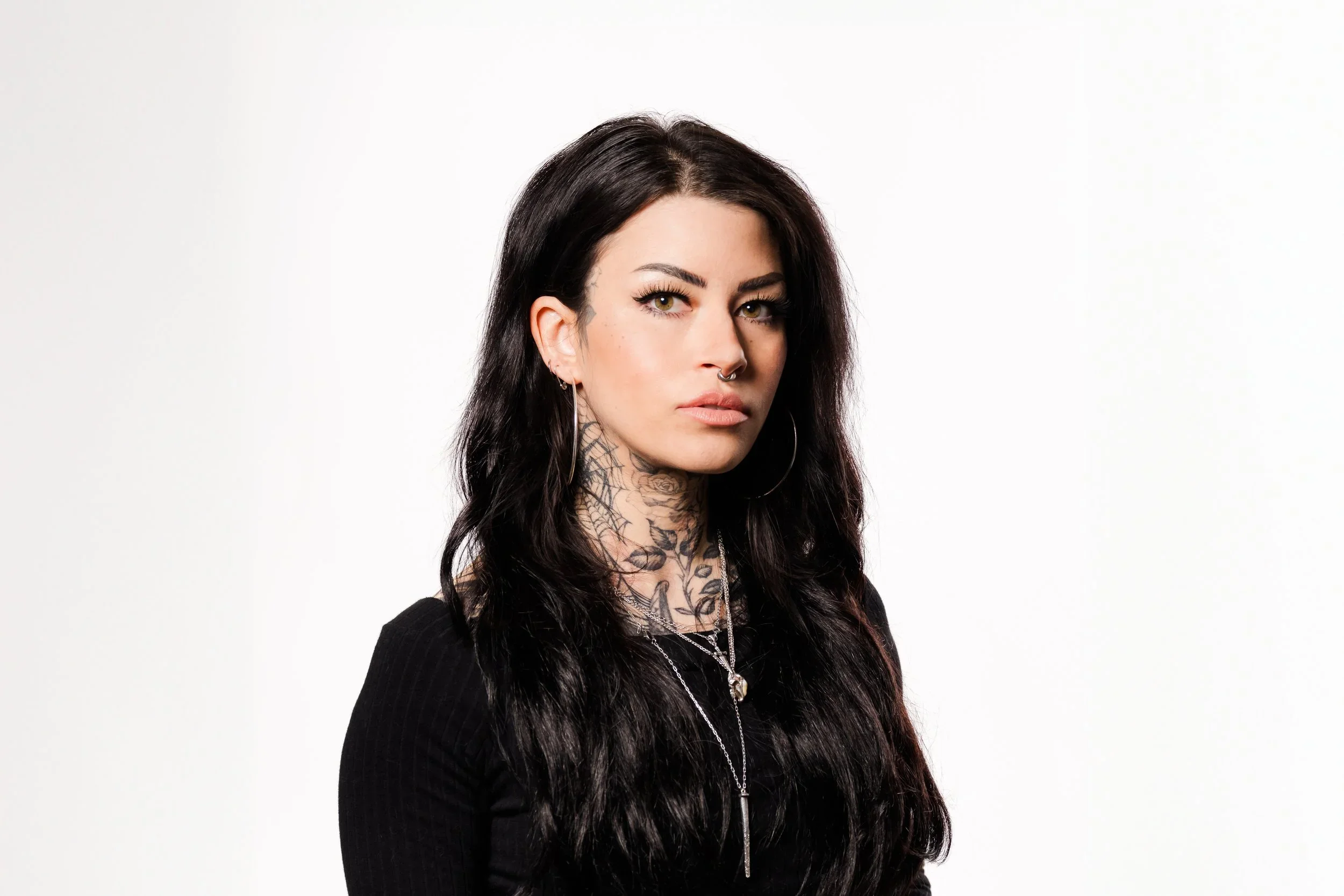
Journalism is under fire at a moment when truth, accountability, and public trust matter more than ever. In this episode, Kara Duffy sits down with Pulitzer Prize–winning journalist and investigative podcaster Maggie Freleng to unpack how media, power, the justice system intersect, and where they break down.
Maggie shares how her reporting on wrongful convictions, policing, and systemic corruption led her into investigative podcasting, why blurred lines between journalism, influencers, and creators demand stronger ethics, and how privilege shapes whose cases receive public attention. Together, they discuss jury bias, misinformation, class inequality, and what it means to be an advocate in a system that often protects itself over people.
“I never wanted to be in the ‘solving crimes’ world — I wanted to understand why the system keeps failing.”
-
-
Chapters:
00:00 Introduction to the Guest: Maggie Freleng
01:26 Maggie's Journey into Journalism
05:16 The Changing Landscape of Journalism
09:17 The Role of Independent Journalism
19:00 Maggie's Personal Reflections and Life Choices
26:31 Reflecting on Personal Experiences and Wrongful Convictions
27:31 The Jury System and Its Impact on Justice
31:13 Choosing Between Bench Trials and Jury Trials
32:25 Karen Reed Case: A Litmus Test for Public Awareness
36:36 The Role of Police and the Concept of Defunding
40:23 Addressing Income Inequality and Class Wars
42:33 Empowering Women to Take Action
44:26 Exciting Updates on Season Three
45:30 The Power of Women and Multitasking
49:42 Conclusion and Final Thoughts
351 - Maggie Freleng
===
[00:00:00]
Kara: Welcome to The Power of Ladies podcast. I'm Kara Duffy, and today's guest is Pulitzer Prize winning journalist, advocate for injustice and host of the investigative True Crime podcast, Boone Valley, season three, Graves County. Maggie Freleng as a journalist, Maggie has covered so many topics that impact our communities and politics today.
From Occupy Wall Street to wrongful convictions of indigenous women to detention centers and income disparity, just to name a few. She's on a mission to use journalism to reveal the truth and share the stories of those who cannot speak for themselves. And so many of the juicy topics that she's investigating are very much aligned with the powerful lady's mission and values and other guests we've had on before as well too.
In this episode, we dive into all those juicy topics, discuss how journalism is changing the risks of our current legal [00:01:00] system, and why it's so important that we're advocates for each other. She and I could have talked for hours, so don't be surprised if there is a second or third round with her coming back.
But in the meantime, enjoy this episode.
Kara: Welcome to the Powerful Ladies podcast.
Maggie: Thank you. Hello.
Kara: Hello. Let's begin with Telling everyone your name, where you are in the world, and what you're up to.
Maggie: Yes, I'm Maggie Freeling. I am a Pulitzer winning journalist. I am in Austin, Texas, recently from New York City. From New York. And what I am up to my podcast, uh, Bone Valley Graves County just came out. It is season three, but it's the first season in this, uh, world of Graves County.
Kara: what got me excited. you were recommended to me by your PR team for a guest is the fact that not only are you also a podcaster, so you understand this world and we could talk about this world for probably days and how much [00:02:00] people do and don't understand it, and the changing analytical competitive landscape with it, but you're focusing on the wrongfully convicted. And this is one of the things that is on my kind of passion project list. I feel like today women in particular have an endless to-do list of things they have to worry about and take care of from the like personal to the community level. And I'm so inspired by women who are taking on this area in particular. Because as we're seeing the world around us changing so radically this matters more and more and more.
Maggie: Yeah.
Kara: So how did you decide that this is what you wanted to take part in?
Maggie: Well, I guess when I was younger, I, I never in my head I wasn't a little kid that, dreamed of a [00:03:00] family. It was really more I was dreaming of the world and kind of my place in the world, I guess is the best way to put it. Not that I didn't want a family or anything like that, but it, there was this bigger picture for me and my place and what does that look like in the future? And it wasn't like, what do I want? It was just where do I belong? And that took me into writing. So I was an English major in college. And really quickly, um, when we got to creative writing, I realized I am a much better, uh, person to work with facts. And, you know, I realized how important. Those kinds of stories were in the things that were starting to interest me when I was 18, 19, 20 and so I found my way into journalism and from there it was really just giving voices to marginalized people very, very early on. So, my local college paper, I was writing about unhoused folks in Amherst, Massachusetts. So always kind of been doing that because that's where I really found my [00:04:00] place.
Kara: Where did you go to school?
Maggie: I went to school at, uh, UMass Amherst. That's where I did undergrad. I did my master's at the CUNY Graduate School of Journalism, Newmark Graduate School. And, uh, I grew up in Port Jeff, New York, so public high school there.
Kara: Yeah. Amazing. I always think it's interesting the wide variety of people coming out of UMass Amherst.
Maggie: Oh, really?
Kara: Yeah, it was like, I feel like everyone I know who's gone there. I, I went to high school in Massachusetts, so I knew like
Maggie: Right. You're from Boston? Yeah.
Kara: by default, and so, but then all the people I've known who I didn't go to high school with, who have gone there are so diverse and what they've studied and what they're doing with it now, it catches me off guard because I feel like there's so many other schools you're like, oh, you went to BC? Oh, are you in finance? That's not surprising, like,
Maggie: I, it's so interesting because. It wasn't a particularly like diverse area, it's Western Massachusetts. But the school just [00:05:00] had such great programming. Of course, it's a public school, so it, came or a state school, so a lot of folks were there. And yeah, I guess thinking about it, I would never give up that education that I got there, even though I'm in quite a lot of debt from it.
But I would never go back and change it. It was wonderful.
Kara: I wanna talk about journalism today a little bit. It breaks my heart how under fire it is. How are you yourself first as a consumer? Kind of sorting through all the different types of journalism happening today.
Maggie: Yeah. It's been something I. Have been working through on both fronts. As a consumer, I'm a, a very well-informed consumer, so I, really know what I'm looking for when I'm gathering my news. But also as a journalist, it's been something, since I entered grad school in 2014, when we were all told we had to make a Twitter and that's where journalism was gonna be, and grappling with this [00:06:00] idea that this line has been crossed between like bloggers and journalists and influencers and blogger journalists, and then like podcaster, journalist, influencers. Like when people call me a podcaster, I get like, 'cause I'm like, I'm a journalist, like podcaster to me. Is a podcaster, I'm a journalist, and so it's, that's just talking around all the things I'm processing.
But so I, I, it's, it is difficult and I think where I used to fight that there wasn't space for, an influencer. To be a journalist. I, I disagree with that now, and I think that. I look for is people that are following facts and people that do abide by ethics and standards. I'm sure you follow the Karen Reed case, so outta Boston and one of the journalists I never thought in my life I would follow is Turtle Boy, Aiden Carney. [00:07:00] And although we have very different views on the world I trust him as like a, uh. A source because he's proven to be factual and his reporting is there. So whether, you know, I like him as a person or not, that's kind of where I have found myself gravitating in journalism, is to these people that regardless of what I agree with, they're, they're in it and they're factual and they're doing the work. Very long answer
Kara: No, I mean, I think it deserves a long answer because it's, it just gets more and more confusing as someone who meet personally. Grew up in a time when most people were watching one of the three main news channels at night, and. It was, I was just in the era of the CNN and the Fox News and M-S-N-B-C, like coming up, and then we are, we've layered on so many sources that it [00:08:00] is really hard to, to determine what's real or not. A friend of mine who's very she works very hard to get factual news. Got sent some things that she thought were real from the Iran, uh, Iranian protest happening right now. And NPR was like, no, that was actually AI generated and it's been someone cited it who shouldn't have on accident. We're at a time where we need accurate information more than ever we're getting information in real time and we often can't sort through the real time information to know is it factual, is it not? We're already reacting to it in that moment. I don't know why. Like, I wish, especially with how often I consume news on places like YouTube, because I'm not watching live tv. I wish that they would have date and timestamps on all of it.
Maggie: Yeah.
Kara: Just put it in the video. Like,
Maggie: the video,
Kara: when was it [00:09:00] recorded? If it, even if it was, NBC nightly news, put the date in it and just have a running timestamp going, that would make me feel so much better about it. And I think it's such a simple solution to be like, look, we're not ai, like we're, we're stamping everything. Even the reference videos that they use
Maggie: I think you made a good point that even journalists, are getting fooled and I think. You know, one of my podcasts that I did was Murder and Alliance. It's now out re republished tightened as like a director's cut Death and Deceit in Alliance if anyone wants to listen. But in that, as a journalist, I made a mistake. And in the podcast is me real time grappling with that mistake I made. And the whole point is that as journalists we're still people, and we still make mistakes. And when we do, we have to own up to them in order to continue to be trustworthy. People trust me now because [00:10:00] I, if I do make a mistake or if I get something wrong, my first instinct is not to cover this up or double down.
It's really to like confront it and say, okay, how do I do better? So I think for. Anybody since now this line really is blurred between, someone who went to school and did this studied journalism. And someone like my partner, for example, he is a social media influencer, but has more followers than me, has great sources in his reporting.
I would call him a journalist. has no background in journalism at all, but he's trustworthy. So I think for anybody, it's really just abide by ethics. Like Aidan Carney, again, like he protects his sources, he does things that journalists do. So whether you are a podcaster or an influencer, I think, I think the news is worthy as long as you know who you're getting it from.
Kara: I was also thinking that it would be, I don't know how to get this passed as a, a law, but I would love it if [00:11:00] elected officials and their staff were not allowed to lie in on camera or in written form or wherever else like it. I, we can, I don't care about the social media side of things, but like if you are being, if you're talking to a journalist, you can't just make stuff up.
Maggie: Well, how about this? Because that'll ever get past. How about journalists start? Yeah. By stopping this, false equivalency to sizeism of a lot of things. Right. So let's talk about the shooting that we just saw in Minneapolis of Mr. Pertti. He, we all saw what we saw. We saw what we saw with our eyes, and then I am listening to the BB.
C. They are reporting what the American government is saying happens and not what they are seeing with their eyes. So they're doing this sourcing kind of [00:12:00] journalism, just what this side said, and this side said, and it's just these activists are saying ice is brutal. And they're saying this guy was brandishing a weapon.
And it's like. First of all, this isn't even reporting like the I was so, not that I have any faith in the BBC anymore anyway, but you know, it was just really disappointing. So, you know, going back. Yeah, and like, so going back to what you're saying, how about we start holding journalists to a standard also, or people that are doing this reporting and say, use your freaking eyes if you call yourself a journalist.
Then do the work, use your eyes, what are you seeing? So, I loved following Drop site. They're a independent journalist outlet. I follow some amazing journalists that have left and formed their own organization and they did a lot of the analysis on these videos just using their own eyes. And it was amazing. And it's the reporting that we're seeing going viral, and that's what we need is that kind of journalism and reporting and influencing.
Kara: Well, and or I'm totally open to like the [00:13:00] VH1 popup video happening, so like we can be able like totally wrong. Nope. I just, it the,
Maggie: Kind of like the community notes. I have been liking that a bit. I've seen a few pop up, but I'm like, oh, I really like this on those kinds of videos.
Kara: I'll never forget when, uh, the president was quoting that they saved like 300 million lives from Fentanyl, and I'm like. Right. that's their entire population or 90% of it. Like what are, what are you talking about?
Maggie: And what are, why are we not just saying like, this is not true? Like, I, I understand that the entire press court got kicked out of the Pentagon because they did that. So like, I, I don't know where we are at right now, but I do Think, uh, the mainstream legacy media is obsolete at this point. And we need to be trusting, individuals, I'd say, and individuals who are creating platforms that are doing the work.
Kara: Yes, and thank you to all of those who are abiding by the standards of journalism. And [00:14:00] honestly, I'd like to just acknowledge the, I'm proud, uh, to of American citizens right now for stepping up in ways that we haven't had to for a very long time.
Maggie: Yeah.
Kara: I was listening to a woman being interviewed on the streets of Minnesota last night, or Minneapolis, and she, she's like, Hey, we're hearing that we're a test city. Let's hope that this test is not working. And you're like, oh, okay. My goodness.
when the world is, kinda upside down and we always fall back to Maslow's hierarchy of needs, protecting people who have been wrongly convicted or who have been fighting their cases or unsolved crimes in general. It, it starts to be like just falling off because there's so much other madness [00:15:00] happening around us. And there are still a few things popping up of like, Hey, this, this guy we think is really convicted. He is still in death row. What are we doing? Like this case over here hasn't been solved. I feel like it's harder. Like there was such a peak in the crime dramas happening. I know. I love the podcast. Is it in my backyard?
Maggie: I'm not sure.
Kara: Oh, it's so, it's, of it, it was one of the first podcasts that went back to an unsolved crime. And because of the podcast reporting solved it,
Maggie: Amazing.
Kara: it was a case in California, San Luis Obispo. I'll put the correct link for the podcast in the show notes. But it was amazing. It was such a, again, an independent journalist who this happened in his community. He never understood it growing up and started following all the leads, uncovered all this new stuff. And I forget that the legal term when new evidence comes to light because the accused [00:16:00] discuss it.
Maggie: The accused discuss it.
Kara: So basically they were able to convict them because this podcast was getting publicity and the accused started texting each other about it
Maggie: Oh,
Kara: and got busted.
Maggie: oh, that's amazing.
Kara: Right. But there's these, this phenomenon of podcast and crime drama in general. Were you listening to all of those and being like, okay, I can combine these worlds and this podcast as an outlet makes sense for this part of my journalism. Like, I'm very curious about like wanting to jump into that world.
Maggie: Yeah, so, I didn't want to jump into like solving crimes world, so what I, I, the way it happened is really crazy. But I did always watch these things, like I have always been interested in true crime, I guess because I just have a fascination with the system and, and. Either fixing [00:17:00] it or destroying it, however you wanna frame it.
But it's broken in a way. And um, I always watch these shows and I think as a woman, I was very attracted to them for all the reasons women like watching them, safety, mystery, whatever. I never. Wanted to do this. So I was working at WNYC Public Radio in New York and I, you know, really thought I was gonna be kind of like a immigration reporter.
Actually, I was doing a lot of work on the border at the time at NPRs Latino USA. So I was doing detention center reporting, and I thought human rights was really where I was gonna go. Like that kind of international human rights path and. I got a phone call from a production company who was making a documentary about Maura Murray, and they wanted a female journalist that went to UMass, the school Maura went to.
So when they Googled, they found me. so I got literally called to kind of enter this world and I was like, you know, I never wanted to do this. I didn't really want to be [00:18:00] solving missing lady cases, but like I got this call. I don't know if I can say. No, this is kind of just like not everyone gets a call to be on a national TV show.
So that's how that happens. And yeah, I've realized like, oh, I am interested in this stuff. I had listened to Serial at this point and Making a Murderer was out at this point. So I realized there was this. It wasn't just like this mystery true crime was also advocacy. And so I realized that is where those worlds met.
And so I like with my, with my storytelling, my podcasting is that I do really try to keep it heavy in the legal world and, and that journalistic world, while also telling this. Interesting story that people want to stick around for because it is twisty and turny and mysterious like true crime is. And, but they're learning a lot in the [00:19:00] process.
Kara: If we go back to 8-year-old, you would she have imagined that this is the life that you have today?
Maggie: Yes. I don't think she'd be surprised. I think she would be really proud. I don't think anyone is surprised. Like my mom was like, you just came outta the womb talking and just like had to talk. And I don't think anyone, is surprised that my job is, you know, kind of being a public figure and speaking out on these issues.
I know when I was younger, I did have this dream of like being a, a famous kinda writer and just I had this dream of, like, in my head, I think I envision myself being a writer in New York City and with my partner and we're both just like sipping tea, reading the New York Times. Obviously this has all changed. I completely threw out my subscription to the Times with all of their horrible reporting lately. And I'm not in New York City anymore because who can afford to live there? But like my life now, I think it's, it does have that, like I have this partner, [00:20:00] but we do sit around and read the news together. It's, you know, it's drop site now, not New York Times. And we work together and, you know, what we believe is a, um, changing the world in a good way. And so I don't think I would be surprised at my life now.
Did I ever think I'd be in Texas? Absolutely never. But you know, that's the more shocking part is actually that I'm in Texas.
Kara: And was that partner's choice? You guys just, you did.
Maggie: I was very much meant to be here in my life. Um, I left New York to go to Massachusetts. I was in Massachusetts and I was like, oh my God, get me back to New York and. I just burned out by the time I was 35. I was so burned out in New York. I mean, the cost of living, like it's just a grind and a hustle, you know, living on the East Coast, I mean, it's, it is a grind there that the rest of the country really doesn't get.
I had to slow down. [00:21:00] And so because I was coming here so much doing detention, border reporting I fell in love with it really. And I did see a space here. I'm in Austin, so it is a little different than the rest of Texas. But I love it. I would, I would never go back to New York. I really wouldn't.
Kara: No, Austin's a great city. I've had the luxury of having different trips there and friends who live there. Austin's a great city. I really love cities that are encouraging. Diversity of cultures and thought and there being subcultures that exist and different neighborhoods. I currently live in Orange County, California, and the monoculture can be hard living here. I need to also clarify that there are definitely a lot of subcultures, but you don't. See them on like the surface level. It's like there's a finding them. I've never had a harder time finding like friend groups in my people before having moved so much where I think other [00:22:00] cities like a Portland or in Austin or even Boston and New York, it's easy to find your people often. And I am glad to see, I just saw some it pop up on, um, Instagram yesterday that somebody was discussing. kind of moving into this art school aesthetic where they're like, no, we want people to be themselves and talk about what makes them unique and weird, and we want people to show up creative and messy and interesting and having thoughts. And I'm like, thank God. Like I've been waiting for this since the nineties. Like where the curve of monoculture has, like across the US has been crazy. And so to see. The encouragement of diversity coming back. I also think with the realities of the cost of living, to your point, and the struggles in general, we have this funny thing in the US where so many people have grown up in this like lower to upper middle [00:23:00] class band, that when people are out on their own. We think we're still in that band, and it's like the economic tier and it's like, no, no, actually we're poor. Like we might have not grown up that way, but like when it comes to paying our bills now, like, no, no, we are not in the same socioeconomic class as our parents
Maggie: No, no. And I talk with my mother about this all the time, how my mom is of the boomer generation, and.
Kara: Yeah.
Maggie: Like, oh. And she gets it. My dad is so outta touch, my mom gets it. But yeah, I mean what we're dealing with these days is so different and it all really does culminate together in what we're seeing in media and the industry and podcasting and, and just what people are interested in.
They do want diversity and it's really sad actually. The industry is still behind on that and, and I guess it also like speaks to our political parties. They're very behind on what the people want and I [00:24:00] can't figure out why. Right? It's not working. People don't want that. There is hunger for something different, so why can't they understand that?
And I'm still trying to figure that out.
Kara: Well, and I was talking to someone the other day of, I don't understand why more of our policies at, again, all levels aren't, how do we take the best care of you?
Maggie: Hmm.
Kara: Like. In every situation that we're making policies for, why are we not thinking that our loved one's going to need this? I remember being in a, in a, a course, a leadership development course as an adult, and this woman got up and spoke.
She was very well put together, kind, warm, and she, she was there trying to grapple with the idea that she was a great mom and her son was still a drug addict and homeless, [00:25:00] and she goes, I have done everything I can do. This is why we need social safety nets. This is why we need these different layers of like, how can the village help me through this problem because I can't do it on my own.
And you know, coming back to the wrongfully convicted and I, it's. Uh, you never, you never think you're going to be in these situations because that's not the trajectory that you saw your life going. But whether it's a, a medical bill that causes you to go be homeless, whether it is, dating the wrong guy, that it puts you in a bad situation whether it's just being in the wrong place at the wrong time and looking like the wrong type of person for whatever the location or time is.
There's so much bad luck that we can come across without having caused it.
Maggie: Yeah. Yeah,
Kara: [00:26:00] With the work that you've done, like what drives you the most crazy when you're looking at those who have been less fortunate in what they're dealing with?
Maggie: Yeah. And I do wanna say a lot of these circumstances are exactly what you said. It it. And I think that is also why when my brain registered wrongful convictions, like when I got into this work, it was. Before, Kim Kardashian was grifting off of this whole thing, so it wasn't really mainstream and so I didn't really think about it.
So when I processed it, I was like thinking of all these times in my life when I was a kid doing bad kid things and. I was like, wow, I could have been any one of these people. And I remember especially one of the cases that got me was, uh, te Musu. He's a white guy which of course I see less cases of, but his got me because he was pinpointed.
Because [00:27:00] he wore leather jackets and rode motorcycles and as a, you know, someone who likes rock music and wears leather jackets and rides motorcycles, I was like, oh, wow. This, it really doesn't even have to do with your race. It has to do with just, the circumstance that you find yourself in often.
Um, you, you could be anybody. And that doesn't exempt you. Karen Reed. I think, you know, of course we see more people of color in the system exponentially, but anybody can be wrongfully convicted. Yeah, it's, it's scary. One of the things I like talking about now, and I wanna ask you a question like, you know, especially with the Karen Reed case, like how do you feel about. The state of our jury system, like I think that's such a big part of wrongful convictions is the jury. Right? Like getting it right.
Kara: Well, I will first say that I am a weirdo who loves going on jury duty.
Maggie: I love that because we need people like you on jury duty.
Kara: I, yeah, I get so excited about it. [00:28:00] I definitely have, I'm someone who also regularly considers if I should be going to law school or not. It would help in my. The business coaching consulting world. 'cause I could just write all the contracts, but I am such a justice driven person that I'm like, maybe I wanna go to law school for constitutional law.
Like, like what? I just think when we look at our founding fathers with all of their flaws, they also were all. Most of them were highly educated and educated in how the law actually worked, and because of that, they were able to understand what they were writing down. Whether or not they made good choices always is a different conversation, but I think that there's a missing of people who understand how to translate the documents and the subject matter. Being in [00:29:00] the rooms where those choices are happening. So whether it's politicians, whether it's people who are in a jury box we have a lot of misunderstanding and misinterpreting what law, what laws are. What the, um, punishments should be. The last time I was a juror. It was for a domestic violence case, and there's all this proof. There are all these witnesses, there are all these amazing citizens who like basically saved this woman's life at 3:00 AM in their neighborhood and it was. I was proud of the jury I was on because I thought that everybody was very even keeled. Nobody was very dramatic about it. Nobody was making assumptions.
Everybody wanted to like just go through the actual things. We were deciding a couple of times to [00:30:00] make sure that we like, it wasn't like a one in done. We went through every question a couple times. We talked about it. We really felt the weight of having. Someone's destiny in our hands, and not just one person, but all the people who honestly went through the trial, including the victim.
So that experience for me was good. I think that I would, I would feel better about our jury system if we were enforcing civics education at a higher level.
Maggie: Hmm.
Kara: If I was going on trial, I'm nervous that so much of it is emotion based. So much of it is reactionary. So much of it is bias. So much of it is people who spend their nights watching Dateline and think that they know how to find the guilty person and [00:31:00] every, every psychology component proves none of that is true.
Maggie: Hmm.
Kara: So I would be, I would be very nervous if I was wrongly convicted of something.
Maggie: Would you pick a bench trial over a jury trial if you had the option?
Kara: Well, I think for everyone listening, let's, do you wanna clarify the difference? Hmm.
Maggie: Yeah. So, you can choose, sometimes you get the option of a bench trial, which is you're tried in front of the judge. The judge makes this sole decision, and then there's the jury trial, trial of your peers. A lot of people opt for jury trials if they think. Or a bench trial if they think they're in a unfavorable county, maybe where the jury pool just doesn't reflect them or their case.
So that's why people might pick that. So I guess I'm wondering, would if you were,
Kara: Ooh.
Maggie: would you let's say where you are in Orange County, you get picked up.
Kara: I think it totally depends on what I'm being accused of, because I know enough of like, [00:32:00] okay, what advantages do I have? I'm female, I'm white, I'm educated. I have a pretty clean, sparkly track record. I have people who could vouch for me that are, privileged and aligned with community values here. I'm not, like, I'm not extreme in most for most people.
Maggie: Did you see yourself in in Karen Reed? Did you watch her trial?
Kara: I watched some of it. didn't I did not relate to her actually, and jumping into that case I was really unsure of. What I thought the truth was until the evidence was showing up because I think like a lot of people, I could have seen things going all of the directions that were being proposed.
I could, like, I know what it's like to have friends in [00:33:00] police force. I know what it's like to. Be in Massachusetts where there's a lot of, it's a lot more rural than people think it is. And so it's common to be at a house party. Mm-hmm. There's a lot of loyalty.
Maggie: Mm-hmm.
Kara: I could also understand, I mean, the fact that more women aren't killing men on a regular basis. I'm joking, of course.
Maggie: shocking, but yeah, that's a testament to women.
Kara: Yes, our self restraint is impressive. So like I could, I could see things going a long way. I could also see it being a total accident and people freaking out on both sides. So I thought I was, I think if anything, I was just surprised that there wasn't more diligence in getting to the truth before trying to convict someone. Like, I was more surprised by the, how it all happened versus the fact that she ended up there. Like [00:34:00] the partner is usually the first person accused, or the parent or the, it's like statistics also proves that's usually who has committed a crime against you.
Maggie: I thought Karen's trial was, so I, I guess I just talk about it so much because I really thought it was like this kind of litmus test for the public, and I think that we passed as a, as a collective society because like. I, I see these cases every day, but they're not Karen Reeds. And the fact that you do have this woman that you know has all of the privilege that I have, and you have as white ladies, and she actually came from money.
She worked at Fidelity, she was highly educated. That is why she got the attention. It is not surprising to me the way the investigation went down, because that's what I see in my job. What's surprising to me is that she got this attention and that people actually [00:35:00] cared about this and paid attention.
And so you were able to see the way the system works and all these people who might not have cared before. Karen Reed certainly did not care before. Now care and are now informed and now go, wait a second. We can't just trust what we hear from the police. And while a lot of us did know that, I think a more people have learned that now because of her.
And so I think it's just such a fascinating case to look at in that sense.
Kara: No, it, it, it, I mean, I think so many cases are, that's why the work you're doing, the work that. We've had two female lawyers who on the podcast who switched from being prosecutors to defendants because they went through a few cases and were like, wait, what is happening? Like, I'm on the other side and like this.
It's not okay. I have to change sides. Um, we've also had Red Maisel, the influencer on here, and I think the work she's [00:36:00] doing to remind everyone that the police are allowed to lie to you. Like I know if I. If I get pulled over for something or if I get accused of something, I will look guilty on the second it happens because I will be a no, no, I'm not talking to you.
No, I'm not helping you. Yes, I'm calling a lawyer 'cause I don't trust you and I don't trust you and I the one under the microscope because to your point, it can go so horribly wrong so quickly, even if I'm completely innocent and had nothing to do with it. Nope. I am not playing that game on a, and I think this is where it gets very confusing about, people talking about defunding police.
Because as a woman, I want a police force. I need, so I need a group of people who will protect us that I can call when there's a [00:37:00] weirdo in the neighborhood being creepy. And we're near an elementary school. I need someone I can call when, uh, the house is broken into, or like, there needs to be a protective force. And so it's not something that I think can like, just go away. I think that's completely irrational and what this reform looks like. So we can stop being, I dunno, like what's like, not attacked, but there's the abuse of power. Like it's gone from protecting and serving to, I'm not sure what we would call it.
Maggie: So, I'm a full abolitionist to prisons and police, but I wanna explain what that means to me. To me, what defund the police means, you know, a defund is different than abolish. Uh, I think defund means we divest resources, right? Like the [00:38:00] NYPD gets so much funding. They're a military, they're larger than some of the militaries in the world.
We don't need. That we need more of that funding to go to community resources to prevent the crimes in the first place. So I think a lot of people who say defund the police, I, I believe mean that redirecting resources, I also, believe in having some sort of security for the people. I think we're at a problem in the United States where our policing system, I, I'm really heartened to see a lot of people sharing some of these memes where, you know, they're saying ice isn't, learned from the Nazis.
The Nazis learned from the us The Nazis learned from slave catchers and slave patrols, and that is how policing was born in the United States, was protecting property, which was slaves. So I think our policing is fundamentally flawed. I think the United States, it exists to protect property and the wealth of the elite. And so I [00:39:00] think we start with defunding. I think we start with redirecting resources to community programs, to prevention programs to after afterschool programs for kids. Like all these things we know work. So I, I agree with you. I don't know how we get to a better place, but I do think it starts with defunding.
Kara: Well, it goes back to that topic earlier of what are we doing to just care about our community?
Maggie: Yes.
Kara: Uh, like the, the idea that we are different from our neighbors, that that's someone else's problem and not ours is just complete bs. Because if anyone in our circle, our immediate circle was a hungry, needed a place to sleep, was struggling with something, it, we would help them. So I don't understand this narrative that we've been told, and I think most people. You talk to anyone in America and they would agree with this on maybe to 80%. And so it's [00:40:00] shocking to me that the American way, like, like we were taught to help and take care of each other, but then when it comes to our policies, we're like, oh no.
Like we don't know those people. We can't take care of them. And you're like, no, we do. We're so, the Kevin Bacon, six degrees of separation is like two degrees today.
Maggie: We have bought into this narrative of culture wars. We have been so divided, and I hate the word culture war because obviously for so many people it's not culture, it's life, it's their life. But I think that the. People in the elite, whether they are Republicans or Democrats, they are all the top echelon.
They are this top 1% and they have learned how to stay in power by dividing us. They work together. They just divide us on these issues like abortions and guns and all these things. And yes, they matter, but fundamentally. The war we're fighting is a class war, and all of us are at the bottom together. and so I [00:41:00] think we're seeing this in Minneapolis and I, I've enjoyed a lot of the on the ground, like influencers being like, the people out here are just your regular, Joe Schmos.
Like I saw this guy, he was just straight up, you know, this like Brooklyn man in like flip flops and a puffer just being like, I'm not an activist. I dunno why the fuck I'm out here but I'm out here 'cause they're killing my people. Like, what is going on? And so I think Minneapolis is kind of this like ground zero for everyone realizing like, we might not agree on these things, but they're gonna kill us either way.
So let's join, let's join forces together and like fix this problem. And I think that's where a lot of our problems start is income inequality. The top, first, the bottom, really.
Kara: Well, and, and to your point, it's the story that, it's the reality that's not being discussed. 'cause so many of the talking points that are getting thrown out impact such a small percentage of the population. I am someone who I is pro trans [00:42:00] rights and healthcare access and the amount we discuss it versus the percentage of the population that.
Needs this care is shocking in comparison. The number of people who need healthcare in general, the people who need food, the people who need, a place to work and be proud and be a contributor to society like it is, the disproportionality is, is so interesting.
Maggie: Absolutely. It's so true.
Kara: mm-hmm. So for. For people who are listening right now and for, I would say women in particular, and maybe we even get really hyper-focused and say white women who are listening right now, what do you want them to know?
Take action on, to start being more, maybe more aware of that they aren't paying attention to.
Maggie: Yeah, I think one of the first things is really listen. I think I'm just a natural listener, so I'm a journalist, so like for [00:43:00] me it's been easy for me to be welcomed by other people and be able to be respected by them because I listen to what they're saying. So just listen you, whatever you are feeling, it doesn't matter in that moment that you're trying to listen to them.
So start listening. But also, I think as a white woman. People do listen to you. And I noticed that really early on, I was a pretty white lady. People wanted to hear what I had to say, so I was going to use that to help people. And I think you can do that. You have platforms, you have families.
Listen to the people that you wanna help, and then help be a voice to lift up their voice. Don't speak for them, but lift them up. I think that's such a great way of doing it. Um. I, I, I just see so many people doing the wrong thing and like, what about isms and comments? And, you know, there's a time and a place [00:44:00] to discuss these things.
I think there are real discussions to be had about certain things and where our place is as white ladies. But there are certain times it's not the moment. And I think now is one where we listen and there's a lot of people very frustrated right now saying, we've been yelling at you about this. We've been telling you this is not a safe country, and now they're here for you. And I think it's really time to just listen.
Kara: Speaking of listening, what do you want people to know about season three?
Maggie: Um, oh my gosh. Season three is really one of the craziest cases ever. It broke 2020. The producers were like, we've never seen something like this. But there are so many updates. I am doing a season two, so I highly suggest you listen, it's exciting. There's documentaries coming. There's a 2020 so the story's not going away, and the corruption in Graves County is we just scratch the tip of the iceberg really.
Kara: How exciting? Like what? It, it, it makes me excited for how juicy it is and how much depth there is [00:45:00] for you to keep being like, just wait.
Maggie: it reminds me like I followed Mandy Matney doing the Murdoch. Right. And it just, it just reminds me of that like, you start digging at this little, this little blackhead and then it becomes this giant pimple and then it's this boyle. Like, it reminds me where she just started with this little thing and it became giant.
And that's what this was. It was just this hurt of this guy that was in prison for a wrongful conviction. I hear that a lot. But when I started digging, I was like, whoa, there's something really unusual happening here.
Kara: We're on the Powerful Ladies podcast. When you think of the words powerful and ladies, what do they mean to you? And does their definition change when those words are next to each other?
Maggie: Hmm. No. I've always, uh loved being a woman and a powerful woman, and a not quiet woman, and a not polite woman. I've loved all of these things and that those things give me power. And when I think of a powerful lady. It, it's interesting, and I've never given this answer, I was [00:46:00] gonna say my mother, because of course I think of her. But I think, when you ask the question about 8-year-old Maggie, I think my image is me just not, just not giving up, just hustling through it and like. God, women are so strong.
We could do anything A man could do 800 times better, doing 30 other things at the same time. Like that is power. And I just, I love women. So thank you for having me on the show.
Kara: Of course, of course. Know, I, I think that the fact that women don't have eight arms is something that has recently surprised me. I'm like, wait,
Maggie: I think it's a blessing because I would be using every eight arm and like also one of the things I'm realizing in later in life that we do not need to get into, but I'm like, is my, what I thought was a superpower to multitask and do all these things? Is that just ADHD? If I just ADHD my whole life, like, and I noticed it before, I'm like opening the dishwasher with my feet while I'm like pouring. I'm like, is this, this isn't normal, is it?
Kara: I mean. [00:47:00] I know I do not have ADHD and I know I do those things
also, so I think, I think you might just be
Maggie: A powerful lady.
Kara: Powerful lady. Yes. Yes. Because I, I think there is like, it's, we have so. I mean, just think about your day, right? You are investigating, you're being a journalist, you're uncovering these things, you're creating a podcast, you are writing, you're spending time with your partner. You're like, oh, yeah, and then I also have to do self-care and remember, need food and be social and pay my taxes.
Maggie: I learned, it's called the mental load. This is like the new word that I'm seeing and I love it. I've seen like some of these male influencers talking about the mental load women carry and what they can do as men to relieve that burden. And I use it in my relationship now. I'm like, wow, this man really is not thinking about the 5,000 things we have to do in the home right now. Like, he's just not, and I'm carrying this and yeah, it's very interesting.
Kara: Well, I even learned recently that that [00:48:00] goes back to, how we train children by gender and how there's a lot of teaching girls to notice like, how is someone feeling?
Maggie: Yes.
Kara: Is this like what's missing? What needs to be fixed? What needs to be taken care of? And we don't train boys to notice in general. And so there's a lot of books out right now about how to shift boys into being a contributor in that way of. Asking them to notice, talking to them the way we might talk to like girls as they're growing up. 'Cause there's that great case of, in the UK I think it was nine year olds, they put ten nine year olds in two houses, one all girls, one all boys, and left them there on their own and like, just had cameras and everywhere. And I think it, I don't remember the timelines. I don't wanna, I'm not gonna guess it, but in a very short period of time. The girls had created to-do lists delegated and [00:49:00] like had things functioning, and the boys were lore the flies the entire time.
Maggie: literally, I I love that you just told me this because I said the other day to my partner when I was so mad about Renee Good. And he is literally one of the best men ever. And. I said to him, I was like, look, I love you, but if I was given a choice to eliminate all men from this planet and they get sent to Man Planet and we never see you again, I would take that option like I would sacrifice you for Man Planet.
So then he's with all of his boys talking about how great Man Planet is and they basically just devolve into like grunting. And I'm like, yes, this makes sense. It is Lord of the Flies. That's exactly what happens. Like,
Kara: Mm-hmm.
Maggie: that's it. That's Man Planet.
Kara: You are up to so many things. So where can everyone who is excited to follow you along, follow, support, connect, etc.
Maggie: I'm on Instagram, Maggie Freeling, and I just got an up scroll. I'm really excited about that. Yeah, so I'm there if people are there.
Kara: okay. Amazing. Well, thank you so much [00:50:00] for your time today and sharing your story and what you're up to. I loved your conversation. We could probably could have talked for the rest of the day about
We
Maggie: totally could of
Kara: the world.
Maggie: totally could have. Thank you so much for having me.
Kara: Thanks for listening to The Powerful Ladies Podcast. If you enjoyed this conversation, please subscribe. Leave us a review or share it with a friend. Head to the powerful ladies.com. We can find all the links to connect with today's guest show notes, discover like episodes, enjoy bonus content and more.
We'll be back next week with a brand new episode and new amazing guest. Make sure you're following us on Instagram or substack at powerful ladies to get the first preview of next week's episode. You can find me and all my socials@karaduffy.com. Until then, I hope you're taking on being powerful in your life.
Go be awesome and up to something you love.
Related Episodes
Episode 196: The Revolution She Couldn’t Stay Silent About | Sara Seyed | Iranian Actor & Human Rights Advocate
Episode 130: Finding Purpose After Prison | Kristy Dinsmoor | Prisoner Reentry Network
Episode 340: Empowering the Latino Community & Redefining Global Leadership | Claudia Romo Edelman | Social Entrepreneur, Activist & Founder of We Are All Human
Instagram: @maggiefreleng
Website: www.maggiefreleng.com
Maggie Freleng’s Linktr.ee
Created and hosted by Kara Duffy
Audio Engineering & Editing by Jordan Duffy
Production by Jordan Duffy
Graphic design by Jordan Duffy
Music by Joakim Karud