Episode 350: Data, Creativity & Being More Than One Thing | Andrea Jones-Rooy | Data Scientist, Comedian & Host of Behind the Data Podcast
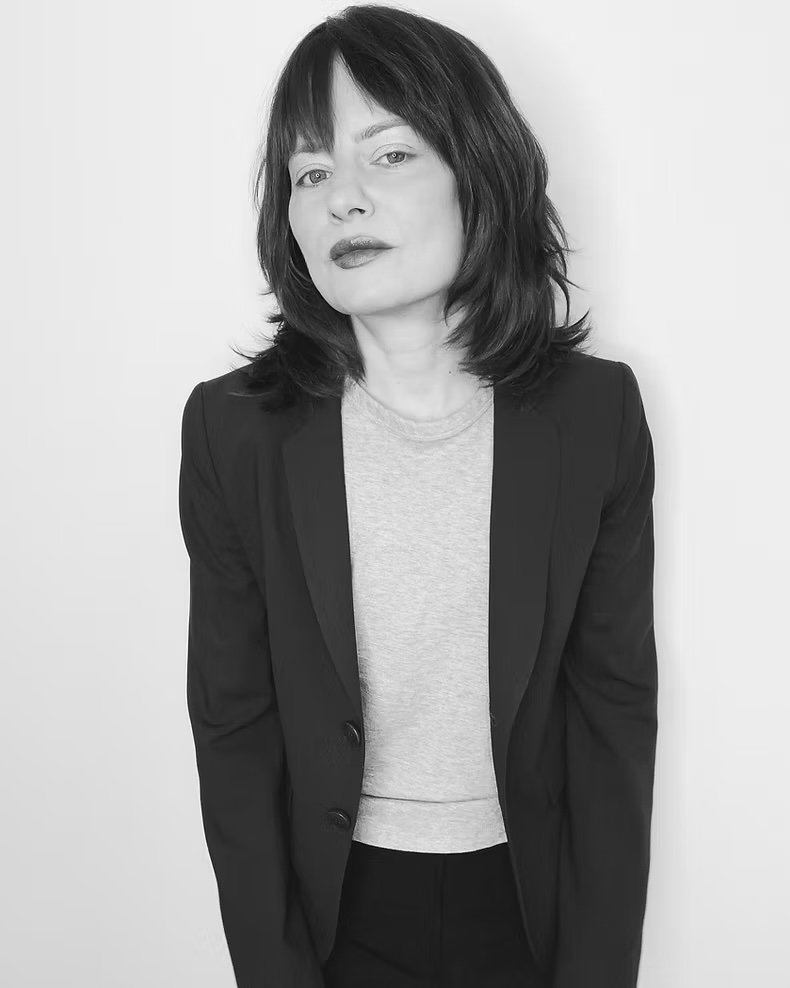
Data is shaping how we understand health, politics, work, and everyday life, but without context, it can mislead more than it informs. In this episode,, Kara Duffy speaks with Andrea Jones-Rooy, data scientist, former professor, comedian, and host of Behind the Data Podcast, about how to think critically about statistics, misinformation, and measurement in today’s information-saturated world. Andrea explains why data doesn’t speak for itself, how charts and trends can be manipulated without context, and why critical thinking and data literacy are essential skills for modern leaders. The conversation also explores career identity, fractional paths, creative work, and why being multi-hyphenate can lead to more fulfillment, better problem-solving, and stronger decision-making in both business and life.
“The data doesn’t speak for itself—we speak for the data, and we tell whatever story we want.”
-
-
Chapters:
00:00 Introduction and Personal Updates
02:55 The Power of Data Science
05:55 Measuring What Matters
08:59 The Importance of Context in Data
12:05 Personal Experiences with Data and Measurement
15:03 Navigating Misinformation in Data
18:09 The Journey to Embracing Data Science
20:55 The Role of Data in Decision Making
24:09 Challenges in Trusting Data
27:01 Conclusion and Final Thoughts
30:50 The Intersection of Comedy and Academia
34:49 The Dichotomy of Seriousness and Fun
38:10 The Privilege of Being Multifaceted
42:03 Redefining Work-Life Balance
44:39 The Impact of Personal Fulfillment
46:11 Understanding the Us vs. Them Mentality
47:24 Influences of Powerful Women
49:20 Defining Power and Femininity
51:19 Self-Assessment of Power
52:39 Manifesting Creative Projects
350 - Andrea Jones-Rooy
===
[00:00:00]
Kara: Welcome to The Powerful Ladies Podcast. I'm Kara Duffy, and today's guest is Data Scientist host of Behind the Data Podcast comedian, data consultant, and even Circus Performer, Andrea Jones. Roy, I love it when a person shows up with so many delicious contradictions in their life, and you can imagine why I was so excited to get to meet her.
Kara: Not only was they excited to learn more about just her, because all of those titles are so interesting, but data science is actually so important. Most of us are not spending time diving into data science, how to understand it, where it comes from, what context is around it. And yet every day we are being blasted with supposed facts from politicians, from our doctors about our health, crime, housing prices.
Kara: demographics, even life expectancy that are all rooted [00:01:00] in data science. When we live in a world where we need to do our own fact checking. I thought it was really important to bring in an expert who could teach us. How to get a little nerdy and dive into the data so we can make our own decisions. We get into all of that and hopefully we make data science a little fun.
Kara: May you also love spreadsheets as much as we do by the end of this podcast. If you do send me a comment because I love converting people to loving data and loving a spreadsheet. I hope you enjoy this and get so much value for how can you make more informed decisions for yourself.
Kara: I'm so excited to have you as a guest today. I've heard so many incredible things about you, and I consider myself a nerd who loves data and facts and tracking things and how that correlates. I also love your approach of we're going to lean into everything we care about. Like who cares about being a niche expert in one area?
Kara: I [00:02:00] wish more of my clients would take that and run with it. But before we go any further, let's tell everyone who you are, where you are in the world, and a few of the things, how you would describe what you're up to.
Andrea: Sure. And, and thank you for the, the kind words. I am Andrea. I am in New York City. I live in a nice New York City, nice tiny New York City apartment with two dogs and my partner. So it's we're all on top of each other and it's very fun. I am a data scientist. I was an academic professor for a long time and for the past year or so.
Andrea: Have been more public facing, trying to get the good news about data science and thinking about data and numbers out in the world. And then I also in the evenings mostly do standup comedy. And every now and again I do circus performances. So I do dance trapeze and fire. Hard in New York City. Not a lot of places like you to set things on fire indoors, but in principle I, I am available for your next bat mitzvah or whatever.
Andrea: But those are the main things that I do. [00:03:00] And for data science, I, I host a podcast and I give a lot of talks and, and generally just try to get people who think they're not math people excited about numbers because numbers can help us understand things.
Kara: I coach a lot of creative entrepreneurs and I love nothing more than converting them to the power of a spreadsheet.
Andrea: Oh, yes. Oh, you're speaking my language, isn't it? I don't know how anyone runs their life without at least a couple good spreadsheets going. So well done to you.
Kara: Me, me neither. And my team would tell you that maybe I have crossed a line and there's too many
Andrea: would be wrong.
Kara: yeah, I think so too because I, I know that I'm not on the extreme edge of what a spreadsheet can do.
Andrea: That's right.
Kara: And maybe this is TMI for everyone listening, but I recently had to do a 24 hour urine collection lab test.
Andrea: Wow,
Kara: And while it was unbelievably annoying and I had to do it twice, which is like a whole other story, I was fascinated by being like, huh, I actually don't know how much [00:04:00] I pee in a day. This is gonna be some fun facts.
Andrea: wow. So please tell me, this is a, a spreadsheet that you can pull, you can graph it now.
Kara: Well, I I, I mean, I could tell you how much total volume I ended up creating in 24 hours, but I have nothing to compare it to other than what normal is. And. That was all, that was the only reference. But I've often thought it'd be cool to have a toilet that would tell you like, oh, that was four ounces.
Kara: Or, you're, are you okay? You're peeing more than normal,
Andrea: Right. I feel like that technology exists and there are, like the Japanese smart toilets, like we are, but one or two steps away from making that dream a reality. And you could do it, add it to your list of things that you're up to yourself.
Kara: We want the data science about our bodies for longevity and how do we optimize. So people are talking about putting microchips inside of us to do that, which I kind of like the idea of, because then maybe we would do less lab work. But I'm [00:05:00] like, there has to be other ways around this too.
Kara: Like if we want to know. But again, this is just me nerding out about things that we don't really measure, but. For people who don't understand what data science is, could you give them an educated answer versus my P test study? Thank you.
Andrea: Well, p test is a statistical term. You mean it in a more literal sense, but there can be p tests for P tests. I love that this conversation has started here. That's, that's, I'm gonna insist that all of mine cover these bases first. So, well, what you hit on is, is one, I'll start this way with data science.
Andrea: What you hit on is actually my favorite part of data science, which is the measurement part. Which is, let's turn the whole wide interesting complex world into numbers. And then with those numbers, we can do things, we can find a maximum and a mean and trends and a mode and all kinds of cool stuff. And, and a lot of people don't spend much time thinking about, well, how do we turn things like health of the human body, health of our government, health of whatever, longevity, happiness, things that we care mostly care about in [00:06:00] our lives.
Andrea: Like there are many, many researchers who turn those things into numbers. And what data science, most of the data science that we think about and talk about in the news is given those numbers, what can we learn? What can we predict? How can we use, uh uh, the rapidly growing computational power, ai, all kinds of things to do interesting and complicated things with those numbers to say who's more likely to get this disease, what country's more likely to fail, and other, hopefully not quite as, as dire topics as the ones that I always tend to think of.
Andrea: At one point when I was teaching my students were like, are there any data sets? About happy things like, 'cause I was just like, we're predicting disease again. Like, alright, climate data, here we go. And so that's why I actually now am a big fan of the World Happiness Report, which is a data set about happiness and thanks to my students who were bummed out by my course.
Andrea: But, but so data science basically is just extracting information and trends from data and trying to apply those to the world. And, and like I said, my absolute favorite part is just before the analysis, which is [00:07:00] I think if we can turn something that isn't. Already a number, like your p volume on a daily basis into a number.
Andrea: That's where I think a lot of magic still can happen and is happening in the world of data science. Yes, there's a lot of exciting stuff with AI and algorithms and all of that, but, but you're, you're tapping into, turning your own life. What do I do in a day? Write it down in a spreadsheet. Now you've got a data set, and now you can really see things that you haven't seen before.
Kara: Well, and I, I have so many of my clients, I'm like, just track your hours. Have your team track per client. I do business coaching. When I'm working with a client and their business, I wanna promise. More fun, more freedom, more impact, more revenue. And so we have to be doing surveys and collecting data so we can see if that move, because sometimes it feels very qualitative, not quantitative.
Kara: So I have a little list next to my clients of how many vacation days did you take last year? How many did you take this year? And sometimes they think I'm crazy for tracking this stuff. And I'm like, I, how else are we measuring? [00:08:00] If you're. If I'm worth your investment, if we're not moving these metrics.
Kara: Because if we only measured did you make more money, which is what everyone ultimately cares about, and we are, if I only measured that we would be missing some of the other things that are really giving space that well.
Andrea: Yes.
Kara: And what I'm able to quote these percentage increases for across clients, people go, wow. I'm like, yeah, 'cause I tracked it otherwise. We wouldn't
Andrea: that, that quote that gets bandied around. I do a lot of consulting for, for companies. I'll roll in and kind of tell them what's wrong with the data they have about their customers or their employees and things like that. But one of the things that they love talking about, and it is true, is that if you don't measure it, you can't improve it.
Andrea: There's a, there's a catchier way of saying it, right, but that if it's not measured, you're not, you're not improving it. But the challenge is that sometimes if you are measuring it, you can improve it. That doesn't mean that's the thing you should be improving, which is exactly what you just said around money is like, yeah, [00:09:00] I'm making more and more money and I'm more and more miserable.
Andrea: So you're tracking the thing and you're improving on the thing. Even if you're not trying to improve it. If you just see a number every day, you kind of, as humans, we kind of wanna gamify it and be like, well I could, I could get more than that, right? I could do more than that, even if that's not even what you care about.
Andrea: And so. I mean, easier said than done, but, but how can we make sure that we are measuring, whether it's in our own lives or, or something we care about in the world. It's like actually, what is it that you care about? What might that look like as a number? Whether it's vacation days or amount of laughter in a week.
Andrea: Like you can go, why? You can do whatever you want. I'm not a business coach, but I certainly would, would love, would be so curious. The different ways that your clients and you turn, turn, these sort of intangibles are typically intangibles into numbers. 'cause I just, it's so powerful.
Kara: No, and I love that. And I was just reading a page out of a book earlier when I was waiting at a doctor's appointment where they were talking about what we should be measuring and, and that we don't have enough of our values in measurable things as humans, let alone in our businesses. So [00:10:00] this man was saying, I want to walk my kids to school 50 times this year.
Kara: That's gonna be one of my metrics. And I love the idea that burnout is not a matter of having too much to do. It's having not enough things to do that fill your soul and not living in your values and not taking care of yourself physically.
Andrea: Mm-hmm.
Kara: And we can put data and goals and gamification behind our values and what we really want.
Kara: And often I'm having to ask people, not what number do you want, but what number's enough? Because to your point. We will keep running at a thousand percent and be like, wait, why am I chasing a $5 million business? Like, could I be happy with just like half a million? And that's enough.
Andrea: One of the, the big con conceptual changes I had maybe in my late twenties was someone pointed out, maybe this comes from econ economics or psychology, but it might just be something that this person read in a random book. But he was like, there's two types of people.
Andrea: There's satisficers and optimizers, and it's [00:11:00] like, when is. The satisfiers, every way you study it are the happier ones because the optimizers, you can always find the next peak. You can always learn a little more. You can always, you can even optimize over the, you can run yourself into the ground, walking your kids to school every single day to the point where you're exhausted, they're sick of you, they're embarrassed, like it's, and you.
Andrea: Because you've just tried to do a 365. You're like, we don't even have school today. It's like, we're going right? Like that's the optimizer. But the satisfier is, yeah, like that would be the right amount or that would be enough. I go out to eat this many times a month. It doesn't have to be a million times.
Andrea: It doesn't have to be the fanciest restaurants or, and it's different for everyone too. I think that's something that I come up with against, with data a lot with clients is. They're like, what's the magic number? What's the thing we should be tracking? What's the, the right? Is it a hundred? Is it 80? Is it, is it the happiness of our employees?
Andrea: Is it whether they stay? Is it whether they leave? Is it whether they're challenged? And it's like you get to decide what matters to you as a company or as a person. It's like if walking your kids like, I don't have kids, so that metric, I would fail on that metric. It wouldn't make any sense to implement.
Kara: [00:12:00] it'd, it'd be a waste of your time to have that on your list.
Andrea: Yeah. Every year I'd be like, God, I failed again. Like just can't get it.
Kara: but I think that's so important that you mentioned that people don't know where to start and I think often we dunno where to start. 'cause we haven't asked, we haven't looked, we haven't tracked it. People aren't even asking like, why do I live in this town or this city, or with two dogs and this person because did I choose this? Did I, I just end up here
Andrea: I mean, sometimes I ask that, but yeah.
Kara: and I, I don't want people to ask those questions to cause an existential crisis, but more of a, did we actually choose this and. It's so easy for the soul of a company, of us, of our purpose, of what lights us up to get so lost in, adding things in because other people are doing it, so we must be doing it too.
Kara: It's shocking to me how we can lose the plot so easily.
Andrea: And it's [00:13:00] very, a, a, a tangible example that comes to mind as you describe that is I am not a morning person at all, and I do my best thinking at night. Everyone's gone to bed, no one's bothering me, all of that. But the world values morning people on average. I'm, I'm shedding that and, but it, but it's, it's. The number of years of my life I have wasted setting an early alarm and going to bed and lying there awake and just trying to turn myself into someone I'm not because the world says this is what you should do. I mean, we do the same thing with here's how many times a day you should eat, and here's how many hours you sleep awake, and, and it doesn't.
Andrea: Often when I say things like that, people think I'm saying, okay, just pick whatever numbers you want to tell, whatever stories. Like, no, you can pick the numbers. You can be thoughtful like this is how much I need to eat and I need to sleep and when I need to go to bed. And then you set those goals based on you.
Andrea: So it's, it really, it's somewhere in between a universal capital T truth, and ah, do whatever you want. Nothing's real and there are no goals. Like it's, you can be thoughtful, but you also really have to like, like you said, if you really have to check [00:14:00] in with yourself. Or your company or your whatever, and say, well, what is it that I care about?
Andrea: What do I want my employees to experience? What do I wanna do with my life? If I want to have breakfast with my partner every day, then I will need to learn how to be a morning person. But if I want to do creative work that I'm proud of, he's on his own. So that's it.
Kara: Well, that this is why I love the work of Gretchen Rubin so much, and she has the book, the Four Tendencies because we often get judged introvert versus extrovert finisher versus starter. She's all these things that people can be put in buckets of. I love breaking rules for the sake of knowing what we like, not for the sake of breaking them just to do so.
Kara: But when we know there's actually a better way that we should be doing it.
Andrea: Mm-hmm.
Kara: And, but that's also comes back to what you were saying of are we doing individual data sets or are we just following the average data set? Because I don't, like, I don't play average. I play extraordinary. So we're gonna [00:15:00] need some more data.
Andrea: Right. I mean, another example, my I had some in-laws visiting over the weekend and, and they all had apple watches with a step counter. And many people do that. I don't because I, despite my love of data. I don't wanna measure that. 'cause then I'll get weird and walks will stop being fun. It will be, I need to walk more.
Andrea: And, and there was, there was much talk of how many steps are we doing and how many steps do we do today and this and that, and all these things. And I was just thinking, I was like, I don't know. I don't know that I would wanna measure my walks by number of steps. I would wanna measure it by, did I see something new?
Andrea: Did I have an interesting idea? Did I go walk a different way home? And, and so even that, it's, it's such a benign thing and I, if they find it useful, fabulous. Keep using it. But that's one where it's like, I wanna be fit. What's the default thing that people are talking about? Number of steps. Okay, I'll do that.
Andrea: As opposed to saying, okay, that's one way. What else could I measure? Do I feel better when I wake up in the morning? Do I lose, get winded after a half hour or, or whatever? And I'm not a mental a physical health professional, but, but even [00:16:00] that, it's just there. The world is dying to give us and sell us devices like no one should buy your p tracking toilet unless they.
Andrea: Have a reason to wanna know that information. If it's something that you're just like, I'm never gonna use that, or if I did it would not help my life, then great. But if your doctor says this or you think it's maybe unusual, or you, it's bothering you, then it's a great resource. So it's, again, you're not, you're not just picking the ones that every which way you, but you're doing what's, you're, it's hard to talk about this without sounding like a do your own research sort of person, but you could measure anything and let's just be deliberate about what we're measuring.
Andrea: I guess that's how I
Kara: Well, and my two least favorite classes in business school were statistics and e-comm 1 0 1.
Andrea: Mm-hmm.
Kara: And the irony that I use these things more than maybe anything else
Andrea: Mm-hmm.
Kara: is not lost on me, but I did my, I was a urban, like anthropology minor, and when we would do things like. The economics of [00:17:00] ecology or like justifying the price of water.
Kara: Then it started to make sense to me of like how we're applying this into the human context. And so I'm, so I'm curious, like when did you realize you loved this space and like, were you eight years old when this happened? Were you 18? Yeah.
Andrea: I, it's so funny you asked me this. I was just talking to someone else earlier today about this. I was. Probably 24 or so. I was not a math person growing up. I was one of those, the word didn't exist in the nineties when I was little, but I was a creative. Right. I was. In musical theater workshops, and I was writing stories and I would go to math class and just shut down.
Andrea: I, I would freeze. I hated it. Science was a nightmare. I didn't understand why we were testing hypotheses. It all seemed so boring and dry. And I, I arranged my undergraduate, I went to the most liberal arts of liberal arts places where my only science credit was an essay based course on the new millennium where we just wrote opinion [00:18:00] pieces about. I don't know. It wasn't, it was not science. It was because I, I went into, I enrolled in a PhD program in political science thinking I was going to write essays about like war and peace and human nature and kind of like, and I just didn't read the program description. I don't know how I got into this.
Andrea: It was a complete accident, and I'm not like exaggerating. I did not know that I was signing up for a very quantitative program and for the first several years when I got there, I was like. When do we submit our op-eds to foreign affairs? And they're like, Hmm, you're gonna do like write a computer program for a maximum likelihood estimator?
Andrea: And I was like, I hate this. And it really was years. The only reason I stayed was because I haven't, I wouldn't recommend this to your coaching clients. I had such low self-esteem that I was like, I have to prove that I can figure this out. I didn't stay because I was driven in some deep way. It was like fear based.
Andrea: But it turns out if you bang your head against the wall long enough, you start to see, wait a minute, if I get past the. I don't know what it is. There's kind of like an ego death or like a [00:19:00] fear like this. I just had this idea that I am not a math person, therefore anything you say is gonna be hard for me to understand and it's gonna make me feel upset and bad.
Andrea: And so I was just resistant to it and I, it helps that I had some very good teachers, but it really took years and years. And I finally read a particular paper that used math to explain polarization in a way that I was just like, this is incredible. Like I see why taking the whole complicated world, making it very, very simple, moving a few things around and then reintegrating the art of it kind of came to me and, and so I really am.
Andrea: On a mission to get people who think they're not math people who had the statistics experience that you did and had the economic experience. I, I don't know if it's it's taught in a weird way or, or we're just, we don't have enough good real world examples, but it's, it doesn't have to be this scary, horrible thing. And so, yeah, so I was super late in life as, as it would, as it goes for math. Before this kind of dawned on me.
Andrea: Shouldn't even say dawned on me. It was forced into my head, and now I feel very grateful, but I'm very, I'm very like born [00:20:00] again.
Andrea: Statistics if, if you will.
Kara: Well, and we live in a time where, one that I never saw coming in, that the integrity of data is questioned on like a five minute basis, not even a daily basis. And the one takeaway I remember from, I don't remember if it was e-commerce stats, same data set, just turn, switch the axis. Any way you want.
Kara: And it looks different in the picture. And we are a picture oriented animal. And so pictures can sway us so quickly, but like, wait, is that scaled out, scaled in? Like there's no, when we remove the context, data can be treated any way we want to based on how we're trying to manipulate
Andrea: Yes.
Kara: And there has to be some kind of. Beneficiary overseeing this data. So like how are you kind of [00:21:00] managing that for yourself and the data that you're getting and also how you're working with clients and their data sets?
Andrea: I mean it is, it's a great question and it is a. I can't, I decide if this is hyperbole or accurate, but what I wanna say is it's a scary time to work with data. Data has not historically been the scariest area you could work in, but there really is just so much noise around.
Kara: Mm-hmm.
Andrea: What's in different data sets, which data sets to pay attention to every political claim, every health claim, whether they're in absolute opposition, whether you're talking about dog food, which I see a lot of dog food ads or human health and medicine or, or the government or violence.
Andrea: You can tell pretty much any story you want to tell. Find some dataset somewhere, if not multiple, that will help you tell that story. And you're absolutely right. You can take the same dataset and rotate the x and y axis and tell a different story. You don't even have to rotate it, and you can point to the part where it went up and someone will point to the part where it went down and [00:22:00] you can tell the same story.
Andrea: And we see that politically. We see that all the place, and it's a big shift from even five or so years ago. My big message around maybe just before COVID was, was a, a lot of people were saying, what does the data say? And the data speaks for itself. We heard that language a lot during COVID. In fact, the data speaks for itself about vaccines.
Andrea: The data speaks for itself about COVID infections, and it turns out the data doesn't speak for itself. We speak for the data and we tell whatever story that we want. And so one of the things that I really encourage everyone to do, and you don't need, and this goes back to measurement frankly, you don't need a PhD in statistics to do this, is to anytime someone is making a data based claim or you're reading some article that's putting some graph in front of you, you should be able to go either click on the source or, or look up what the, what the data is that that people are citing and actually look at the data set and look at the documentation and say, where did this data come from?
Andrea: Who collected it. And it doesn't have to be massive math. It can be was this a study of 12 [00:23:00] people who on a volunteer basis, or was this a randomized controlled trial of a thousand people across the country or the world? And you can look for things like sample size, how did they measure health of outcome or happiness of outcome?
Andrea: And you might be surprised that a lot of these headlines and a lot of these arguments that are technically accurate. Are are misrepresenting the, the kind of bigger punchline of a particular data set. One of the things that I'm particularly interested in these days is there's a lot of researchers doing work tracking misinformation.
Andrea: So how do you tell how much misinformation is out there? Well, who decides what counts as misinformation? And so there's some interesting techniques and that's that measurement piece again. But one of the more, more. Both somehow comforting, but almost even more chilling findings that I'm finding persuasive these days is that it's not so much misinformation on its face that's everywhere.
Andrea: Like, the number is seven and we're all saying four. It's really the number is seven, but we're telling we're [00:24:00] presenting it without context or wrapping it in a narrative that is misleading. So it makes us think that seven is suddenly really bad when it's actually good. I'm oversimplifying, but it's.
Andrea: So it's misinformation less from the information and more from exactly what you hit on, which is this lack of context. One thing, one other kind of maybe a handier tip is anytime someone points a you towards a trend or a statistics, this percentage of people say this, this proportion of people say that always ask for at least a second data point.
Andrea: Well, what else do you know about this population? Oh, 90% of them are, this political party, or 80% of them are over the age of whatever, like, oh, okay. So even if you can just get one more piece of data about whatever they're showing, your ability to kind of tell whatever story you want, crumbles. And, and so that can be a quick way in if you can't read the documentation, which honestly, if a, if a person is, I could talk about this for a while. If a person is making a data based claim to you and cannot show you the actual data, I say throw it away.
Kara: Yeah. Well, and, and you're speaking to also like the power [00:25:00] of triangulation.
Andrea: Mm-hmm.
Kara: And on a d daily basis looking at, let's say e-commerce debt data. Like, oh, like this person has complained twice. I'm like, out of how many customers
Andrea: Right,
Kara: and across how many years has this person complained? And how much money have they spent with you? Oh, $5. Just delete it.
Andrea: right, right. It's exactly right. And that's, and again, it's, it's not that the number is wrong. They did complain twice. That's a hundred percent true. But in this, forest for the trees kind of situation, it's like if the rest of the tree, the forest is robust, cut down the tree. I dunno why I became a lumberjack in this analogy, but but cut it down.
Andrea: You don't need that tree.
Kara: No, and I, I feel so much for people who like, I feel like everyone, women in particular. Have extra work to do right now, and it's exhausting. Like we have to be advocating for ourselves with doctors. We have to be checking our food. We have to be [00:26:00] checking where our energy sources come from based on what people like.
Kara: Everything is requiring us to double check it, and I am envious of. Time passed when we could just trust that the people who were checking things and giving us the information of where things came from, were doing it transparently and with integrity. And I know it's partly a technique, right? To have everyone overwhelmed so that we don't look over here type of a thing. But like I just really feel for people who are slamming their heads against the wall being like, I cannot believe we're talking about this right now. Like. The Tylenol thing is like the, the biggest thing right now for pregnant women and of all the things that we are not doing to help pregnant women right now, oh, we're taking away the only thing that they could possibly have if they were sick, let alone the fact that we pulled back all of their data, all of their research we're not like, oh, all these things that could [00:27:00] actually kill you.
Kara: We're not gonna study
Andrea: right. Healthcare that you many, many need, you're not gonna get, we're gonna make it much harder, much more expensive. Yeah, it is. It is almost impressive. How, how effective these sort of. It's kind of like a, a whack-a-mole situation, but every single one, the mole is also on fire and you feel like you have to put it out that second. And, and it also is, is the case that that one of the goals of misinformation and disinformation, if you are gonna be someone who is willingly.
Andrea: Misleading or, or saying a number without, with misleading context, or even if you believe it, but it's not backed up by the majority of, or whatever it is. One of the biggest consequences is less that people are just instantly gonna, oh, okay. I guess you're right. Tylenol's bad. It's more the confusion that you hit on, which is, which is, I don't know who to believe.
Andrea: Are they saying this because they're trying to distract me from these other things? Are they saying this because there's some secret [00:28:00] study and all of a sudden we all have to become PhDs in public health if we didn't already feel that way? In 2020, and it's, it's really a difficult time. I feel very grateful, and I imagine you do too, that I had the statistics classes and I, I don't have a medical degree, I don't, not in that area, but I have some sense of how a study might look and what, and I can't make heads or tails of a lot of this.
Andrea: I mean, I think Tylenol seems fine, but I'm not a I, but the fact that I'm sitting here being like, well, maybe I don't know, is exactly the problem. And, and it's one of those where it's like. The longer we live through this, the more my working hypothesis is that more information, whether it's in our life or in our politics, more information is not always necessarily better.
Kara: No.
Andrea: It's like trying to choose a box of cereal in a, in a big box in a grocery store. And it's like if I bothered to read every ingredient and every nutrition information and every everything and every study, and is it organic and is it local? And I would never buy anything. So it kind of goes back to the [00:29:00] satisficing where you're like, I think it seems safe for me, but that that's how we end up in a situation where we're skeptical of, of things that can probably help us.
Andrea: So it's, it's a very, and I think this is the first time humans have had this much information in our faces, even if we weren't in a political environment where certain actors have incentives to maybe sow confusion with AI and the ability to generate content faster than ever. There's tons and tons of good faith content out there, even if it's incorrect, but good faith and tons and tons of bad faith, and we're just not used to ingesting this even 50 years ago.
Andrea: Humans watch TV for a few hours a night at most. I, I think even in suppose we all wanted the best for everybody, I think it would still be really, really hard right now.
Kara: Yeah, and there's, I've heard some correlations between having the most information available. Again, true or false? No idea. Just the most, it's the quantity thing and also having the least number of [00:30:00] people trained in critical thinking statistics, evaluation. And so it's almost a matter of like whatever message gets in first is gonna win,
Andrea: Mm-hmm.
Kara: even though the first message could be like, big Bird is real.
Kara: Like, and you're, and Sure. And I heard a comedian the other day talking about, she's like, when I grew up in the nineties, we had this course called Critical Thinking,
Andrea: Mm-hmm.
Kara: and. I, I say, I think this is an interesting segue because with all the data that you're dealing with on a regular basis, it must be so nice to like slip into a comedy space where you can almost let all that other stuff go.
Andrea: Yeah, it's, it's, that was one of my early draws to comedy even, even before the world went as insane as it is because in academia, even in the best of times and in statistics and with data every, [00:31:00] ideally, you're very, very measured. There's a pun and careful about what you say. And every sentence means something very, very specific.
Andrea: The 95% confidence interval means this and this and this, and this. It doesn't mean that, and that and that. And we can conclude this, but we can't say definitively that, and this, and the correlation of causation, every word. Right. And so when I'm teaching, I'm extra on edge about that when I'm writing.
Andrea: And so my, my, my journey into comedy was, was first through improv. What a gift it was to walk into a room with a bunch of other adults and say whatever you wanted. And there was no wrong answers. And literally the motto I was at, I was at Upright Citizens Brigade in New York City and the motto was, don't think.
Andrea: And I was like, oh, thank God my brain, I'm so tired. And so and so, I would go, morphed into standup eventually, and I would go, often from the lecture hall at New York University where I taught to, to my comedy club in Greenwich Villages. Three blocks away, and it was just such a relief to just be on stage and say whatever you want.
Andrea: That said the precision feels good. It's sort of like, it feels nice to get dressed up every now and again and you put on real [00:32:00] pants. You sort of feel like you have your life together, but it also feels good to be in sweatpants and sort of be yourself. So I have found that, that I like both. And it's not that comedy isn't precise and that I'm very measured in my words because I absolutely am.
Andrea: But. But it's, it's measured for what I want to say as opposed to measured for capital A, accuracy and precision. And, and I only need to reflect myself. I don't need to reflect a survey of hundreds of thousands of people.
Kara: Well, and I, part of what I was excited about to, for us to talk about today is how you are pro be all the things.
Andrea: Hmm.
Kara: And is this a philosophy that you were raised with? Is this like something that you've come to because you didn't wanna have to choose?
Andrea: I kind of like the statistics story. Definitely something. That I came to later in life. And yeah, I grew up very much of a mind that like, I must have one thing, there must be [00:33:00] one thing that I'm good at. Like, I was fixated on the idea of being like a prodigy or brilliant or whatever. And I was none of those things, or at least not in the, in the ways that anyone was measuring it at that time.
Andrea: And none of the ways I, I had no idea. And so I, I wandered, as I said, into this PhD program, relatively aimlessly, just sort of like, I'll go to school. I don't know what else to do. It was. The early two thousands and you could either do that or be a paralegal. And so I decided to do that and make a lot less money, but that's okay.
Andrea: Not that that's the metric that matters but it really wasn't until I was well into graduate school and then my career as a professor where I, I kept finding myself going back to the arts. I had done a lot of arts growing up and then I was in this numbers world and I found the circus and I found comedy and it was just such a beautiful outlet for me that.
Andrea: Kind of for, for survival. I just kind of had to do both. But I spent years torturing myself. I have to pick one, am I serious or am I fun? Am I an artist or am I a scientist? And I would like literally drive back and forth between the university and the place where I was training circus or comedy [00:34:00] or whatever, and debate.
Andrea: I, I had, like, I had, I, I just tor, I, I, I wrote equations to solve it actually. And I was like, I'm gonna optimize and I'm gonna do whichever one. And I couldn't figure it out. And I couldn't figure it out. And it wasn't until. Maybe my mid thirties. I'm 43 now. It wasn't until my mid thirties that I was like, what if more than one is okay?
Andrea: And even then, kind of like I was saying about the morning people bias, like the world still wants you. Like who are you, what are you, what's your tagline? What's your niche? What's your headline? What is your book about? What's your message? And I was just like, I kind of feel chaotic. And it was only because I really did need both of those things.
Andrea: I tried versions of my life where I was like, forget the arts. I'm serious. And then I tried some where I was like, forget that I'm a performer and I never saw the sun for three months. And for, that's great. For some, I had to have both. And so it was, it was, again, it was a, it was a, it was a lesson learned through, I'm very dense, like the world needs to really hit me over the head with a lesson for me to get it.
Andrea: And so I've eventually come to embrace it, [00:35:00] but, but even to this day, I, I find myself being like, yeah, but I should have a thing. Like it is just so ingrained.
Kara: it, it's something that drives me crazy when people are giving advice about how to, like, you need a tagline so you can market yourself. And I do believe that there's power in giving people a really simple gateway drug that they can say yes or no to.
Andrea: I like that phrase, gateway drug. That's so much more fun than a elevator pitch or whatever. I'm gonna use that. Yeah.
Kara: but, but I, there's also this balance of even the person who's like seen on Instagram as there's a woman who's, who's handle is your rich BFF. She is so much more complex than that and every woman who's been on this podcast, every woman I know it like I had ever come across is so layered and that's what makes them so interesting.
Kara: Men too. But there's some, there is some power of like leaning in on like one thing that people are gonna like come in through and then find out more about you. And when I had [00:36:00] a moment, I had an aha moment where I said, oh, this is who I'm gonna be to strangers. Versus who I'm gonna be to people who are in the circle.
Andrea: Hmm.
Kara: And it kind of gave me some freedom to like pick and play with like, what some of those gateway drugs might be. Because like even just having this podcast, I'll have men email me or call me and say, do you work with men as a coach? And I'm like, yeah, totally separate businesses.
Andrea: Yeah. Yeah,
Kara: So the, the people who wanna work with you, like still get through, they still find you.
Andrea: yeah.
Kara: I hate the idea that people have to choose. I, I don't like people tolerating things. I like matching things together. I like finding where the overlap is and like, let's hang out there. So I just, yeah. I love the dichotomy of the worlds that you've created and that you're just hanging out on both now, and I'm sure you have more than two.
Kara: If we made a list.
Andrea: I, I do. And it's, it's funny you say that about the, the men calling because I have a, a similar version to that because the world [00:37:00] again, is, I feel like I'm just like, the world is against us, but the world, the, the norms are, are out there and it's. It's the society that we live in, that we do want a simple bite or headline about a person, like, oh, this person does ai.
Andrea: That person's a piano player, that person's on Broadway. Even though that could be all one person. But I get a version where I get booked to speak or sometimes don't get booked to speak about data science. Because I'll go on the call like, nice to meet you. What do you talk about? Like measurement to data at everyone and statistics and everything.
Andrea: We talked about the first half of this, and they'll say, okay, but just to be clear, you're not gonna do comedy during that, right? Like, no, like, I'm not gonna, funny thing happened on the way to the, what's the deal with statistic? Like, I'm No, of course not. I mean, if you want me to, and you book me for comedy, I'll do comedy, right?
Andrea: Or they'll think like, I hope you don't, wear a leotard. You're like, what I'm capable of, of. Being just one of those things as well. And and so, so I feel fortunate that I am able to, and it's a, it's a certain level of privilege to be able to walk in a room and, and I used to just hide the circus stuff and the, and [00:38:00] that stuff.
Andrea: But now I, I'm more forward about it. But I do think it has cost me jobs and I think it has cost me in some ways it's a nice filter because I say I'm not gonna, if I'm gonna work with someone. Especially long term like a client as opposed to a speaking thing, but, and they, they think that, oh, I, I must be unserious because I do these other things, then they're probably not a good fit for anything I have to say anyway.
Andrea: But that's a very privileged position to be in because all, so you need to make a living and pay rent and, and, and all those things. And so I've, I, I am trying to be more open about it myself, but that misunderstanding is, is there for sure.
Kara: Like, and I'm like the opposite, where the more random things someone has on their list, they're like, I cannot wait to hang out with him.
Andrea: I, that's how I feel. Yeah, yeah. Like, oh, I'm reading your resume or whatever. Like, okay. And you're like, and you're like a trained opera singer. Like, let's talk about that. That's so cool. And one of the things, somewhere in, in my life, I have visions of writing a book about people who hang out in more than one space, like fully right.
Andrea: And I'll have to interview you for, for [00:39:00] that book. If I ever write it. I have like 10 books that I wanna write. So that's one of the trade offs is you just can't
Kara: Well, when you, if you want a book writing coach, I have two, so let me know.
Andrea: please. Okay. Done. I, it is about the power of doing these two things, and one of them is, the best ideas and inventions and even evolution works by surprising combinations where you take, you take a toilet and you take measuring P and you put 'em together and that's it.
Andrea: And that's. A huge engine for discovery. But we, we, and I saw this when I was a professor, we train students and we train young people. And the message, the typical messaging around careers is pick your thing and focus on it. And yeah, you can have a hobby in the background. And I just think that that's driving us to A, personal misery, but B, really lost.
Andrea: Cool discoveries. Think of like amazing medications that were discovered often by accident. I was trying to do something else, and I stumbled upon this. We're just not setting ourselves up for like the happy accidents, like we, I feel like used to
Kara: Or just [00:40:00] self-expression.
Andrea: did. Yeah, yeah, yeah. Oh, that, yeah, that too. Oh, right. Authenticity. Hmm. Right.
Kara: well, and, and this is also my argument about why more people need to think of themselves as entrepreneurs.
Andrea: Hmm.
Kara: And I think that title has been taken over by tech billionaires sometimes, or unless you're making hundreds of millions and have a VC fund, you're not really an entrepreneur. And I'm like, it just, it means you don't have a boss, the end.
Kara: And so you can have multiple income streams, different kind of projects, businesses, whatever you wanna call it, but it's about having authority over where your life is going and how you're funding it.
Andrea: Mm.
Kara: Because the trope that we have to pick this thing and stay on this path and keep the course is not only limiting all of the creative potential that you see.
Kara: It's limiting our ability to listen to ourselves and trust ourselves. And while this message [00:41:00] gets shoved into both men and women's throats, it's definitely more harmful for. In my opinion, women who neurologically normally have the octopus of like eight different plates spinning, and we're told, oh, but only one.
Andrea: Mm-hmm.
Kara: And
Andrea: is it? Career or family,
Kara: Yes, yes.
Andrea: not, I never seen men ask that in
Kara: No, no. No one ever asks a man when he's traveling, oh, where are your kids? Who's taking care of your kids?
Andrea: Yeah. Or says to the husband, oh, you're babysitting today. It's like, no, no. You're being a father.
Kara: Yeah.
Andrea: that's just the career family dichotomy. There's, there's many, many others.
Kara: Well, and, and that's why I hate the phrase like work life balance, because work is part of my life. We're not talking about work play balance or work social life or friend circle or health or. There's so many other parts that are getting minimized in, in all of this [00:42:00] kind of process, and it's leading people to careers.
Kara: They don't like to spending money on things that they don't actually want to getting so disconnected from what we intuitively know. It's, it's why like eight to 10 is like such a great age to go back to when we're lost because we've got one foot in. I'm now old enough to make my own grilled cheese potentially to, I can also still have a full imaginary friend situation happening.
Kara: And so there's something interesting about being half adult, half kid, and it's before we start putting all the backpacks of rocks on that we have to take off.
Andrea: Right, right. That, that people are not necessarily putting on out of malice. It's often well-meaning, but it's teachers and guidance counselors and, pick a, pick a career that's going to get you a job and be reasonable and there's no chance. And, and, and all of those things. It's, I'm so thrilled that we're talking about this for many reasons, and one very concrete reason is [00:43:00] next week I'm going to a conference and I have, I'm preparing myself to have to introduce my, Hey. Oh, who are you? And for most of my life, I would just say I'm a data science professor. That was my, I guess, gateway drug. And one of the reasons truly that I stayed in academia as long as I did, even though it was not right for me, there's much that I love about it, but it was just not the right field. Was because of dreading going to these professional events or even family events, like, what are you doing these days?
Andrea: Who are you, what are you about? And just having a title to go to. I'm a data scientist. I'm a data science professor, was just easy. And so I stayed in this job. For the title, for random meetings with Strangers so that I could sound like I had my life together. So one takeaway I'm taking is I'll just say I'm an entrepreneur. Amazing. And it's also accurate, but the other is, is again, this, this idea that, that I must reduce myself to the one thing and then I'm balancing that with my life and that is how life works. And there's just, I'm, I'm over that dichotomy. I'm so with you.
Kara: Yeah, it's just, [00:44:00] it's too small it, and
Andrea: Yeah.
Kara: we're at a point in the world where we need more people. Lit up by what they're doing and feeling good about it. I mean, I just think sometimes, like, I have no data on this, so we'll have to maybe go find some, but I am sure that the, there's a correlation between the unhappiness level that people have and their satisfaction with the work they're doing and feeling fulfilled.
Andrea: I am sure you are correct and like good data scientists, we will not conclude definitively until we find the data and we'll, we'll have a follow up demonstration with spreadsheets. But I would be shocked if you're not correct and frankly, I think. The war. I think part of the reason, and this is a vast oversimplification, but I would imagine that part of the reason we're all so miserable and we're all so angry, or at least speaking in the United States, is because we have had so much meaning or, or our, our, our complexities have been simplified so much that we kind of don't [00:45:00] have anything in our own lives, and so we just are lashing out at, I mean, there are a lot of injustices, but I think that a lot of them are being caused because we're very unhappy.
Kara: And there's also,
Andrea: and we're angry.
Kara: and, and while there are many injustices that have data behind them and are completely valid, there's also a lot of the illusion of injustice that we're dealing with as well. And that's the part that kind of baffles me. And I was talking to a podcast guest earlier today about, you know what?
Kara: We, if we were in front of these people, we would give them food, let them in our house. They could eat, they could like we are good to our neighbors. We are good to our friends. And then there's something happens when like the dataset gets too big and we go, no idea who those people are.
Andrea: They're the enemy. They're the threat. They're the ruining my way of life or whatever. I mean, here's an, even, even what I found a very surprising one, but at politically, if you ask Americans, what do you think of Congress? Every [00:46:00] American left or right middle will say, Congress is terrible. It's ineffective.
Andrea: It's awful. It's. A nightmare. You say, okay, well what do you think about your representative? And most are fine with their representative. And so it's like either we all have really good representatives or we just have this, there's something in, like you said, this jump from the small end to the large end data set where you're just like, this is the enemy and this is bad.
Andrea: Look, I'm not gonna stand here and defend Congress because it's not doing much of anything, but it is an interesting. Example of exactly what you're saying, which is like person to person, someone on the street needs food or a jacket, like, I'm here for you. But then I hear about this thing on mass and, the me versus herd mentality, the us versus them takes over.
Kara: Yeah. When you are looking at the journey you've been on and where, how you've gotten to where you're today, how have other powerful women kind of guided you, nudged you, pushed you to get you to where you are today?
Andrea: Well, a big shout out goes to my [00:47:00] therapist. Very powerful and very, very. Patient with, with my, my nonsense. Another one is I, I had the pleasure of working with a career coach for the last few years named Megan Heller. I don't know if you are in similar circles, but we worked together for a few years and she, similar to, to you was, was very much like, I'm gonna oversimplify our, everything that we just said, but basically it was like, you have to do something that you enjoy on a day-to-day basis.
Andrea: Like stop with the goals and the loftiness and if only I get here, then I'll be happy. And it was very kind of brass tax. Like go out of the house and walk around and notice what you like. Notice what makes you excited. Walk into a bookstore and see what books you just natural put. And so just really kind of remember it, maybe that it is the 8 to 10 age group.
Andrea: So, so she's been, and she has a book out and, and all these things. And so she, she's been very, very helpful. And I think another one I would say is my aunt. My aunt is a diplomat for the us US government foreign service. And from the very, very beginning of my life, she was always [00:48:00] flying off somewhere cool and telling a bunch of men in suits what for, and I just thought that was just the coolest thing. And she, this is the eighties and nineties when people gave Hillary a lot of grief for daring to have any kind of perspective on politics as, as First Lady and so, so my, my aunt Beth was very much a role model for me, just in terms of like, yeah, you can walk into a room of all men who think that they're the kings of the world and you have every right to be there, if not more of a right to be there and, and you're worth listening to.
Andrea: And, and so, so from the beginning I feel very fortunate that she's someone that, that I've had in my life to look up to.
Kara: When you look at the words powerful and ladies, how would you define them? And when they're next to each other, does the definition change?
Andrea: So the word powerful, I, I hate to to say it, but it does. Conjure like the Hulk and like strong and muscles and bodybuilding and all that. And I'm sure if I did a Google image search or whatever, I would get a bunch of dudes lifting barbells. [00:49:00] Um, And so, so you know, you think physical strength and, and unfortunately you, I think you do think kind of more masculine energy and then the word ladies, it's so funny, I've been thinking about the word more in anticipation of this conversation because it's not a word.
Andrea: I hear much with the one exception that when I was in high school for a few years, I ran on the cross country team. So like we kind of three, five mile races through the woods, stuff like that. And for some reason on that team, we all called each other ladies. It's like, good job ladies, keep going ladies.
Andrea: Like you got it. And it was the only sport and world. And so in my mind, ladies is an athlete even though lady you know is like a person in a ball gown, probably according to Google. And so. So separately, I, I, both of them kind of conjure a, a physical strength. And then when you put them together, I definitely imagine an emotional and, and mental and psychological strength as well, like powerful on its own.
Andrea: I only think [00:50:00] physical ladies, I kind of think either athletes or like a princess or something like that. But together, when I heard the title of this podcast, I was like, oh, this is about people who know their worth and are not afraid to demand or insist on a life that they want. And I ideally a life that, if it's in service of what you want, it's in service of others as well. So it's,
Kara: Mm-hmm.
Andrea: I think when you put it together, it's, it's it actually feels very holistic despite my very simplified version of the individual words. Did you say powerful? Okay.
Kara: We ask everyone who comes on where they put themselves in the powerful lady scale. If zero is average, everyday human and 10 is the most powerful lady you can imagine. Where would you rank yourself today and on an average day? And yes, I, of all the people we've ever had, I should give this data set to you.
Andrea: If you have this data, I would be thrilled and we should, we could do a survey, we can just compare it with other things. So the scale is from zero to 10, is that [00:51:00] okay? I would say and a self measure is always complicated and, and interesting. I would say probably a, I would perceive myself to be a six, which is probably pretty good. Yeah. I would say, I would say six right now, and on an average day, maybe four.
Kara: Okay, perfect.
Andrea: I feel like those, those should be higher. See, this is what the data scientist gets in the way where I'm like, hmm. There's a better number out there, but, but
Kara: you're polluting your own data.
Andrea: Yeah, yeah, yeah, yeah
Kara: but I have joked that we need to give this data to someone because we have it. So,
Andrea: Do you? Ah,
Kara: yeah. Yeah, yeah. This is also a very connected, powerful, likes to help out, pay it forward, make magic happen kind of group. What is something on your to-do list, to manifest list that we can either help make happen for you or simply hold space while you make it happen?
Andrea: Hmm. [00:52:00] That's lovely. Well, I, I would go to the book that I mentioned before. I've been trying to write it for four years, and every time I sit down, I decide that everything I've written previously is trash and I must start anew. So I have thousands of documents with two pages. And I, I'm trying to say everything and nothing all at once.
Andrea: And so if you have anyone who either, like you mentioned the book coaches or maybe just by saying this, I'll, I'll, and, and create the space for a bit of manifested accountability.
Kara: Perfect. Perfect. The, what pops in my head when you're sharing that is a, is like a title or subtitle, like data is a circus. Like, because I just really wanna bring your things
Andrea: Mm-hmm. Mm-hmm.
Kara: Mash 'em up. Mm-hmm.
Andrea: Yeah. Yeah. Well, and the circus in order to work, it's very fun and and free seeming, but it's also very precise. Or everyone would die.
Kara: Yeah, 1000%, like one [00:53:00] sweaty palm and trapeze is
Andrea: forget it. Yeah. Yeah. Yeah. Yeah. too real, I have say.
Kara: I could talk to you for hours and we'll probably have to have you back on because I feel like we could nerd out on some, culturally relevant things that are happening. But for everybody who wants to follow you, support you, check out the new podcast. See you do comedy, hire you to do data magic for them.
Kara: Where are all the places and things that they can follow, support and find you?
Andrea: Thank you for asking. It's mostly on either Jones Roy, which is my website and Instagram handle J-O-N-E-S-R-O-O-Y. We'll, we'll you just type that in as one word. You'll get to most of me and my show is called Behind the Data and you can go to behind the data show.com. And every episode we talk about a different data set that helps us better understand the world.
Andrea: And usually we try to do the, kind of human storytelling, why does this exist? What does it mean to measure this this way? And so I like to think of it as, as [00:54:00] really more philosophical than numeric, but there's really cool spreadsheets to go with every single one. So.
Kara: Well, I thank you for being a yes to me and to powerful ladies and sharing your wisdom with us today. It really means a lot to me.
Andrea: Thank you for, for having me and for creating this great community.
Kara: Thanks for listening to The Powerful Ladies Podcast. If you enjoyed this conversation, please subscribe. Leave us a review or share it with a friend. Head to the powerful ladies.com. We can find all the links to connect with today's guest show notes, discover like episodes, enjoy bonus content and more.
Kara: We'll be back next week with a brand new episode and new amazing guest. Make sure you're following us on Instagram or substack at powerful ladies to get the first preview of next week's episode. You can find me and all my socials @karaduffy.com. This is a Powerful Ladies production produced by Jordan Duffy and Amanda Kass.
Kara: Until then, I hope you're taking [00:55:00] on being powerful in your life. Go be awesome and up to something you love.
Related Episodes

Episode 73: Laughing Loud, Leading Proud | Raiza Licea | Actor, Comedian & Podcast Host
Episode 70: From Priesthood Dreams to Comedy Spotlight | Cameron Esposito | Stand-Up, Author & Host of Queery

Episode 317: From Idea to Impact: Building a SaaS Platform for Women Tech Founders | Nomiki Petrolla | Founder & CEO of Theanna, a Female Founder Network for Tech Entrepreneurs
Instagram: jonesrooy
Website: jonesrooy.com
LinkedIn: jonesrooy
TikTok: @jonesrooy
YouTube: @jonesrooy
Substack: @jonesrooy
Email: andrea@jonesrooy.com
Created and hosted by Kara Duffy
Audio Engineering & Editing by Jordan Duffy
Production by Amanda Kass
Graphic design by Anna Olinova
Music by Joakim Karud