Episode 375: Pop Excellence, Touring Life & Making Creativity Sustainable | Kerry Alexander | Musician, Songwriter & Bad Bad Hats Co-Founder
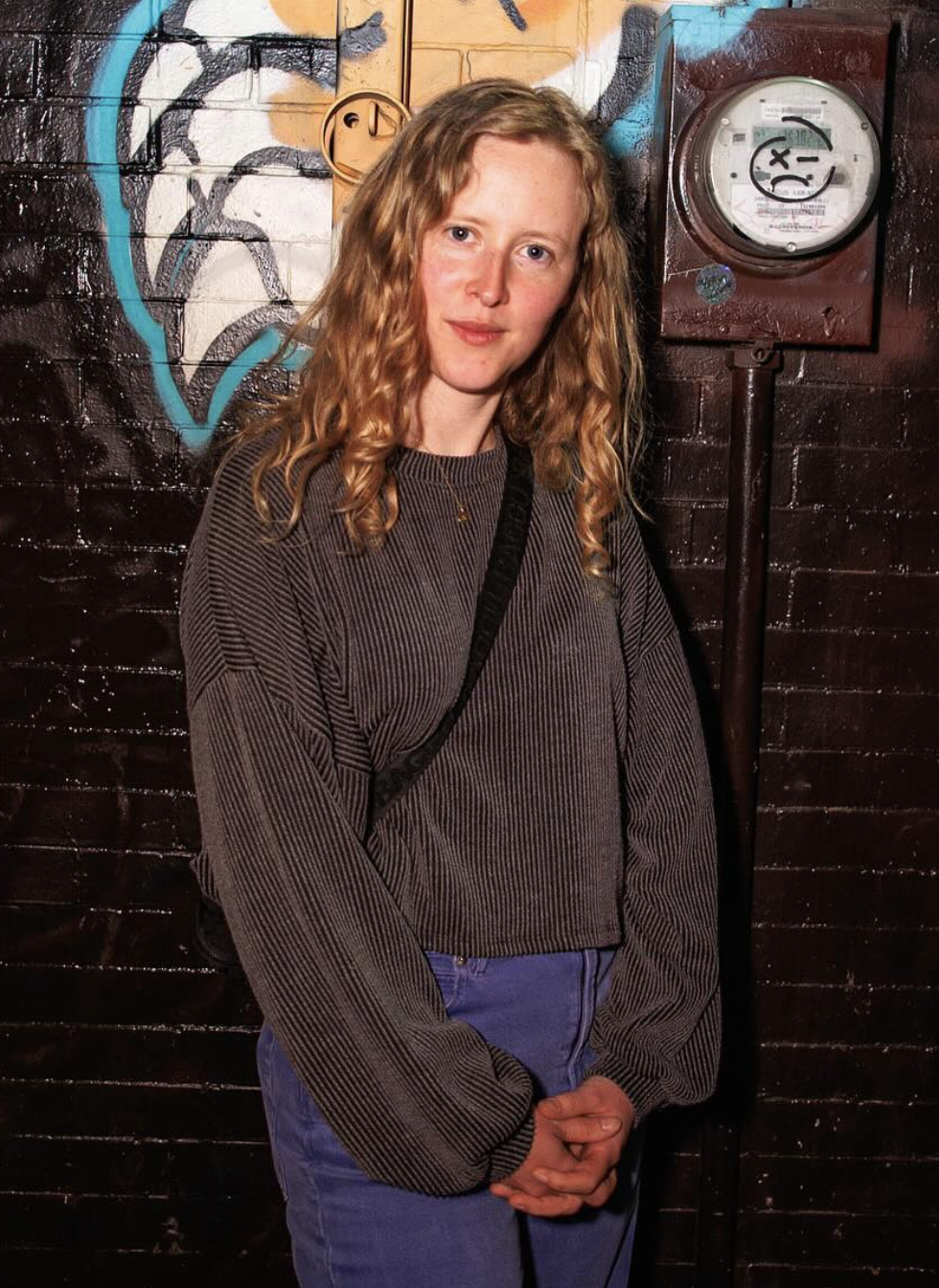
What does it really take to build a sustainable creative career in today's music industry?
Singer, songwriter, and Bad Bad Hats co-founder Kerry Alexander joins Kara Duffy for an honest conversation about creating a life in music without chasing superstardom. From touring the country in a minivan for a decade to running a band like a small business, Kerry shares the realities behind being a successful independent musician.
Together they explore creativity, entrepreneurship, saying yes before you're ready, the importance of community, building a career alongside your partner, concert culture, and why kindness may be the greatest legacy an artist can leave behind.
“To write songs and have them mean something to people—that was the childhood dream.”
-
-
375_Kerry Alexander_
===
[00:00:00]
Speaker 4: Welcome to the Powerful Ladies Podcast. I'm Kara Duffy, and today's guest is Kerry Alexander. She's a singer, a songwriter, a musician, co-founder of the indie rock band Bad Bad Hats, and the new band Mega Bad Bad Hats has been touring across the US for, I think it's a decade now, with bands such as Michelle Branch, The Beths, Hippo Campus, and so many others.
And you may have heard them on the soundtracks of Shameless and To All The Boys I've Loved Before. It's such a unique time to be a professional musician in a touring band. And in this conversation, we really dive into how they make their band successful, the influence of living in Minneapolis, why saying yes to things creates bigger opportunities, why she loves being in a band with her husband, which I just think is so cute and charming.
Love a power couple. Concert etiquette, and we dive into so many more things about the love of [00:01:00] music. We even get into some color theory things. So we spanned the big gamut, but she's so lovely, and I hope you really enjoy this episode
Kerry Alexander: Welcome to the Powerful Ladies Podcast.
Thank you
Kara Duffy: i'm very excited to have you on today because Jordan, our audio engineer, producer, and my sister, has been bragging about you and how fun and creative and talented you are. And she had shared with me ages ago, um, your band on, uh, Spotify, and I've been listening and, like, adding songs, feels like continuously, to different playlists I have, one in particular with a friend of mine.
And I got so excited looking at your album cover because it's the exact same color palette as Powerful Ladies as a whole,
Kerry Alexander: oh my God, you're right.
and
Kara Duffy: I was so... I'm like, "Yes!" Like, could be... We could just plug this [00:02:00] right in and, like, change the name it and it would totally work. And I was like, "I really wanna know who created that album for you and where it came from."
Kerry Alexander: Um, uh, we're talking about Psychic Reader with the moon, right?
Kara Duffy: Yeah
Kerry Alexander: Okay. Um, well, first of all, let me ask you, I've always referred to it as Psychic Reader Blue, but Chris refers to it as green. Where do you stand? Is it Powerful Ladies blue or green?
Kara Duffy: I call it mint
Kerry Alexander: Okay. Yeah. Which I think if we're mint, that feels green to me.
So maybe, you know, uh, I might be outvoted here, and that's fine.
Kara Duffy: And, and part of why I love the color, it's very controversial. I've had a lot of people who ha-have done branding updates for us want to change the color. And because it's right in the middle of green and blue, it actually has a very different color psychology effect than if we only had blue or only had green.
And so it, it, it's the color being in that kind of minty ocean blue kind of [00:03:00] space, it gives you like the trust and security that blue has, but it adds a level of energy that green brings to things that wouldn't be there otherwise. I'm like, "No, guys, the color is perfect. Leave it alone."
Kerry Alexander: I love this. Wow. Okay, great. I'm gonna tell people this at the merch table now too. Um, this is why you're drawn to this record. But to answer your question, um, so we often forget that we have to make album artwork, and it's like down to the wire and we're like, "Uh-oh, we forgot that part." Um, so for Psychic Reader, we were like down to the wire and panicking a little bit about what it was gonna be.
Um, but then in one of those like beautiful happenstance things, I just like, you know, I'm like, I'm like staring out into the distance in my apartment and I look over and we have a framed, uh, picture of the moon that is now on Psychic Reader, um, that our friend Emily Sings drew. She does like pointillist like art,
so it's all like little dots.
Um, and we love it, and we have, um, several pieces of [00:04:00] hers. And I was like, oh, like it's been here the whole time, you know? Um, it was always-- the answer was always inside the apartment. Um, so we went with the moon, and we had our friend Sam Langer do the design, and she chose the color. I don't know what struck her in that moment, what felt right about that, but I think, I think she nailed it.
That was the, that was the shade it had to be
Kara Duffy: I love it. No, and, and, um, I also like that it doesn't work with every other color, so you have to be really particular about what colors you're laying on top, especially if it's text or copy.
Kerry Alexander: Sure.
Kara Duffy: And that drives people crazy too, and I'm like, "No, guys, this is intentional. This is actually really intentional."
Kerry Alexander: Are you like, are you like a designer? Like, you s- you seem like very knowledgeable
Kara Duffy: Um, so I am a design school dropout. I went after I did my MBA, but I worked in, um, footwear and apparel [00:05:00] creating products for, like, 20 years. So, um, sometimes my job was doing, like, all the colorways,
um, and sometimes it was more just briefing people on color. But
Kerry Alexander: I love
Kara Duffy: yes. Yeah.
Kerry Alexander: Wow. I mean, I, I have a very like, uh, yeah, like rudimentary, um, enjoyment of the way colors... I feel like Chris and I keep buying each other books of like, um, just like flip through like different color combination kind of books.
Kara Duffy: color stories. I have a whole Pinterest that's just color stories that I see in the world that I love. Like, I love that mint color with red
Kerry Alexander: Yes, tot-- Oh my gosh, yes. Yes, it is
Kara Duffy: my Yeti is that color. It's a little blown out from the light, but, um, yeah. So if I just look around me right now, it's like,
yes.
Kerry Alexander: I love, I love a pop of red. I want, yeah, I want red accents everywhere I go
Kara Duffy: Well, and that, that's an [00:06:00] energizing action color, right? So it's like, oh yeah, we might look very approachable with this green-blue color, but we have s- yeah, we've got some pop.
Kerry Alexander: yeah.
Kara Duffy: And there's, um, this is a great book, The Secret Lives of
Color
Kerry Alexander: yes. Okay. I don't know if we own this, but I feel like I see it at the bookstore all the time, and I'm like, "Ooh, I maybe should get that."
Kara Duffy: Well, it's just so f- it's, like, full of fun facts about where colors come from. And if you really wanna nerd out about color, um, let yourself go down a black rabbit hole about the evolution of humans talking about color. Because if we go back in history, there was a point when we had, like, two colors, and it was black and red.
Kerry Alexander: Okay. That's like what, how people spoke about color?
Kara Duffy: yeah, there was only two colors. And then we had black, red, green. Like, I don't remember if green or blue came first, but that's why a lot of people describe the ocean as green. Like, they didn't, we didn't have [00:07:00] color voc- like, vocabulary for colors. And I don't know if, like, we've correlated the evolution of our sight with our ability to, like, um, name different colors
Kerry Alexander: Right. 'Cause like how do I know, I mean, like we learn in school like this is green, but how do I know that, uh, my green is your green?
Kara Duffy: Exactly. Exactly. And then there's some people who can see more colors than others. Like, and there's a test you can take to know about this. Um, like I can see more colors, and I don't know if I was born that way or it's because we spent so much time color matching stuff and like running like inside and then outside and changing the tone of the light and like making sure it kept matching the whole time. Like I don't know if it's a trained skill or not.
Kerry Alexander: Wow. Wow, uh, this is cool
Kara Duffy: So did not have color theory on my list of questions today, but happy to nerd out with
you about
Kerry Alexander: Yes, I love it. It's so cool. Yeah, it's like, oh, like I like green, you don't like green, but is that because, like, we're [00:08:00] literally not si- seeing the same green?
Kara Duffy: Well, and there's so m- just like, um, you can have sounds related to traumas, you can have trauma-related color also, right? So if, um, the person who was a bully to you, like, always wore a red shirt,
you're gonna ... Right. Or if your parents, like, forced you or didn't. I remember being little and yelling at my mom who was coloring in my coloring book, and she did all of Barbie's outfits, like, either mustard-ketchup combos, red-yellow, or purple-red.
And to this day, like, I was so upset about it at the time. Like, "This does not go together, Mom." And to this day, I still do not like those color combinations.
Kerry Alexander: Okay. has made me think, like, I feel like I had... I was al- forever in, like, summer camp, um, 'cause both my parents worked, and there was one summer camp that I really didn't like, and they, like, force-fed us, like, Nilla wafers. Or, like, that was, like, the only option for snack, and I was like, "I don't like those."
And they're [00:09:00] like, "Well, it's all we have, so you better eat them." So now I'm like, I'm wondering if, like, like, beige, yellow, reds, I'm like, I don't know. There's something about it. Yeah.
Kara Duffy: Uh-huh. No, amazing. Um, well, I wanna come back to who you are. So for everyone listening, what's your name? Where are you in the world? And what are you up to?
Kerry Alexander: Um, my name is Kari Alexander, um, and I am the front person and songwriter of an indie rock band called Bad Bad Hats. Um, and I'm currently on my front porch in St. Paul, Minnesota, um, where it is a beautiful, sunny day. A little chilly, not gonna lie. We had a few 70-degree days, and we were feeling like summer was here, and then that was rudely taken away from us, but that's fine.
Kara Duffy: I think that it is so interesting to be a working musician today. Um, you and your [00:10:00] co-band creator, mind, met in college, and then you guys decided to also fall in love. I don't... Which happened first?
Kerry Alexander: I guess technically, technically the falling in love happened first. We-- there was like a, uh, an idea of, um, making music together. Like we, we knew that we were each making music and that was like something that like drew us together. Um, but yes, then we, we started dating. We studied abroad at different times and were sharing a lot of, um, mixed CDs. Um, which now I look back and think, wow, that was kind of us building like our influence base for the band. Um, and then yeah, we came back our senior year and, uh, met our friend Noah, uh, to have a, a three-piece band and we were off, off to the races. Yeah.
Kara Duffy: Were you ever worried about combining your romantic relationship with your professional [00:11:00] dream?
Kerry Alexander: Weirdly, no. Like, I don't think I really thought. I was, like, so excited. I had never had a band before, and it was just so exhilarating to, like, play music with another person and especially someone who I thought was so cool and great. Yeah, I'm not sure I really questioned whether or not that would be messy or difficult. But it has proven to be, to be fine. I think people ask us all the time, like, how we work together every day and play music together and be a couple, but it's kind of like always known, so we're just so used to it that it doesn't even really register to us as being perhaps a strange thing.
Kara Duffy: when I'm working with clients as a coach and consultant, I often encourage people to, like, lean into nepotism. Like, uh, work with your friends, hire your family. Like, 'cause I wanna spend my life collaborating with my favorite people.[00:12:00]
Kerry Alexander: Totally, yeah
Kara Duffy: Maybe you and I are on the weird bus, I don't know. But I'm like, this sounds like how we're supposed to do life. Um, so I just tell people when you... Yeah. But I just tell people, like, when you're doing that, like, we just need more contracts, we need more communication, we need, um... One of my best friends is also a client, and he, we talk all the time, and I'm like, "Okay, I'm putting it on my coach hat 'cause I, I need you to be accountable for this thing.
Okay, I'm calling you for a friend call." We just ta- It, it's able to flow back and forth because of the respect we have for each other and the communication we have. I can only imagine when you're doing something that lights your heart up, you want to feel that reflected back, like that, that symbiotic relationship with your person
Kerry Alexander: Totally. And it is like a-- Yeah, like I'm so grateful. Like, I honestly don't think I would be this far in the music industry without Chris. Like, I think it's just been really important to have, [00:13:00] um, someone, uh, to share like the ups and downs and, uh, have a shared goal in that way. Um, so yeah, I feel really lucky to have found sort of my, my partner in both the business and life.
Kara Duffy: and I just think about like the touring schedule, and if you weren't together, that sounds like that would be harder on the relationship
Kerry Alexander: Yes, and that, that has proven to be very hard for many of our, uh, bandmates and, uh, friends over the years. That's just, that's just a very difficult part of the life. And yes, that does... I think that is also sort of a key to our longevity, uh, as a band. Yeah.
Kara Duffy: Um, I want to get into the realities of being a musician and performer today. When you were dreaming up the vision of this band, what did you imagine, and how is the reality different or the same?
Kerry Alexander: Yeah, I think, um, I always talk [00:14:00] about the fact that I think my, uh, entry into loving music was very much from the songwriting side. So like when I was a, like a little kid, like my big dream was always like to write like a big song or something, like a song that everyone knows. Um, and my- I'm not even really sure that I understood like the touring part of it.
I grew up in Alabama, um, and we didn't have many bands coming through, so I, I didn't see many concerts when I was young. It wasn't until I moved to the Twin Cities that I actually got to see like an indie show, like a, a small touring band, like doing their thing. So I didn't even really have like a, a vision of what being a touring musician would look like.
So all of that's been kind of exciting. , Now it's very routine and part of it, but at the beginning it was all kind of like, whoa, okay, like I guess we get in the car and like we go out there and we, we play all these shows and you just try to get [00:15:00] better. So yeah. In that way it's been kind of a wonderful adventure.
Um, but yeah. But then to be to write songs and have them mean something to people, like that is sort of the, the, the childhood dream has been fulfilled in that way. And sometimes I wanna really like soak it in when people say that at the merch table. Like sometimes it, you can become a little like... I don't wanna say numb to it 'cause I'm not fully like, uh...
Kara Duffy: normalized
Kerry Alexander: Yeah, yeah. It's just sort of, you know, a few, several people say it a night and you're kinda like, "Oh wow, okay." And then you really think about it. You're like, wow, that's actually like really amazing, you know, that someone chose to put this song like on a, a mix CD for their crush or that someone always thinks of this album when they are on like a road trip or something. And it's like really cool to be sort of part of, um, the little like patchwork of people's lives.
Kara Duffy: Well, and songs [00:16:00] mean so much to people, even people who have n- n- not even a drop of musical talent within them,
right?
Kerry Alexander: yeah, for sure
Kara Duffy: and, you know, you realize such a difference when shows or movies or spaces have music to them versus don't. Um, speaking of, you've had some pleasure, I understand, of having your songs on some hit TVs, movies?
Kerry Alexander: Oh, yeah. We've had, I would say the placement that actually people, like, text us about the most is one of our songs was on the show "Shameless." Um, which I have not seen it, but I think people are... They have a very dedicated, um, fan
Kara Duffy: Yes.
Kerry Alexander: So yes, we, we do, we get texts often about that. And then, yeah, we are also, um...
Our songs were in the second "To All the Boys I've Loved Before," the Netflix movie. That one also seemed to be, uh, yeah, popular with the people
Kara Duffy: A- and how does that work? Like, do, does your agent call you [00:17:00] and say, "Hey, they wanna add you to their, you know, season or playlist?" Like, do you approve it? Does it, totally handled by somebody else? Do you get paid for that?
Kerry Alexander: Yes. Basically all of those things that you just said, yeah. We have a, uh... At the time, we were working with a different, like, sync company, who is, yeah, job it is to get you placed in things. Um, and yeah, I honestly think a lot of the time, like, uh, places will just send out, like, briefs or, like, the need that they have and then it's up to the, like, the sync agent to think about, like, "Oh, like, they want, like, upbeat indie pop.
Like, I'm gonna submit that I have." Like, they just should know, like, who their clients are and what would fit. Um, but sometimes people, like... We've had a few things where people just know the band and, like, write and specifically know that they want your song which that's great. A lot of, a lot of the, a lot of the heavy [00:18:00] lifting is gone with that.
Um, but then yes, you do get paid which is nice. The fees vary greatly. It's sometimes hard to know, like, sometimes you're sort of in charge of, like, valuing yourself, and that can be difficult. And certainly there's a lot, I mean, that this is, this happens in, like, any, um, art industry. I just watched Maria Bamford, like my favorite comedian.
She has a new documentary and, you know, she has a bit about like just doing things for, like, exposure and, like, that'll come up a lot. It's like I don't know, like it'd get to be in the show or... And that can be very tempting, a very tempting offer to be like, well, yeah, I don't know, like maybe, maybe it would be, uh, you know, your, your songs get out there enough that... But then it's like, well, but what y- if we want music to have a value, a certain value are we doing a disservice to musicians at large [00:19:00] to just, you know, give away your art for free? So it's a question we grapple with often. Yeah.
Kara Duffy: I mean, I think you and many other creators and business owners, right? Um, especially with the way that it's set up today with streaming. Yeah Sure, you might get a lot of exposure and then a bunch of people start, you know, listening to your songs on a streaming platform. But you're like, "Cool, like you guys got... made all this money on this TV show, and we've made 11 cents, so awesome."
Kerry Alexander: Right. Yeah, the dangling of the carrot of like, well, you know. Like we just watched, um, uh, we just watched the first Devil Wears Prada last night, just gotta, you know, get back into the mindset. Um, and the opening sequence has KT Tunstall, "Suddenly I See."
Um, and I'm, I'm sure she was paid well for that. Um, but you just watch that, it's like this is like the [00:20:00] most primo like slot you could ever have in a movie for your song. Like they almost play the entire song and I'm just being like, wow, And so you, there's always the thing of like, you know, like a, a smaller indie films are like, "Can we use your song?"
And you're like, well, what if this is like the next, you know, like breakthrough indie hit and like you're always associated with it. But yeah, I don't know. That's how they, that's how they get you. They get you, they get you dreaming big. Yeah
Kara Duffy: Yeah, and then meanwhile you find out that someone who doesn't add any creative value is making boatloads of money for their time in the project, and you're like, "Hold on.
Kerry Alexander: Yeah.
Kara Duffy: Hold on." You're paying more to the person who's, like, picking up all the cords and wires behind all the equipment? You're like, "That's suspicious." Um, no, it is. It's really hard. A- and I do feel like that KT Tunstall song is like... has been in a lot of places. So I don't know who their [00:21:00] person was, but I feel like it shows up all the time, and we've been doing a, uh, dance before bath time with my daughter, and we've been doing, uh, " Fice One, Two, Three, Four," 'cause we get to practice counting. And I've been... I'm really careful about, like, what the inbound content is to her, and some songs I love and I'm like, oh, wait, you hear the words, you're like, "Nope, we don't want that messaging getting programmed in subconsciously." Um, but that song is, like, relatively upbeat, relatively, you know, happy to neutral, and she's obsessed with it, so now she hears it, and she's like, starts moving. But if I forget to s- like, choose the next song, it always goes to KT tunstall
Kerry Alexander: Oh, that's what it said? Yeah,
Kara Duffy: or then, like, a Letters to Cleo song, and I'm like, "Okay. Whatever this algorithm
Kerry Alexander: Yes. Actually, yes, I do love Letters to Cleo, big fan. Um, but that's good. Or that's really funny. Somewhat similarly, [00:22:00] somewhat differently, we... One of our songs, um, got, like, a big boost on, uh, Spotify really randomly because we kept being played, like, if you would listen to, I think it was Bleachers, r- like, um, like This Is Bleachers, and you listen to the entire thing, we were, like, the first song that would play after that for some reason.
Kara Duffy: Oh, So
Kerry Alexander: by, yeah, so, like, by virtue of just, like, someone forgetting that they were playing This Is Bleachers and listening to the end, and our song would just play. And even if people were like, What the?" Like, "What is this?" And, like, turn it off, I think we still get the, we still get the stream, so yeah, but I don't know how those things happen, like why. So yeah, KT Tunstall's getting the Post Feist money.
Kara Duffy: Yes, she really is. Um, but, but you, you remind me of a, of a great thing I wanted to ask you [00:23:00] about because I have... I saw The Bleachers when they were in LA a couple years ago, and they're such a fun band to see live. I, I don't think I've ever seen a band other than, like, Green Day give more energy
Kerry Alexander: Oh, yeah
Kara Duffy: And with the crowd I was with, my- myself and the friend I was with, we were old people at this
concert.
Kerry Alexander: Okay
Kara Duffy: Everyone else was, like, definitely Gen Z. And if I go to a show, unless it is a sit-down dinner environment, I am standing, I am moving, I am, I am, I am giving back to the people on stage. And he and I were, like, dancing and, like, you know, giving the, as much energy as we could back. And we looked around, and everyone was, like, not doing that.
Kerry Alexander: Yeah
Kara Duffy: And so I'm wondering, for, as someone who is out with crowds and audiences, are you seeing a shift in them realizing that they're [00:24:00] in real life with you? Or, like, do you have, do you just happen to have fans that are, like, fully participating and giving it back to you?
Kerry Alexander: It really depends on the city. Like, there are certain cities that have always been amazing. I feel like, um, Washington, DC always shows up for us,
Kara Duffy: Okay. I wouldn't have guessed that
Kerry Alexander: Yeah, Charlotte, North Carolina, they also are standouts. Um, so yeah, so certain, certain cities, like I don't know if it's like a...
Unfortunately, we-- I think because we're a hometown band, we don't feel this, but apparently the Twin Cities does unfortunately have a reputation of being pretty stiff and like talky during concerts, um, which I don't love. We gotta work on that. Um, so yeah, so certain cities it's like kind of a funny, kind of funny vibe.
But I will say that I do... I, I have felt maybe like a little bit of a shift in terms of overall energy at shows, and [00:25:00] one of my theories actually is that, um, it's related to people not drinking as much. Like I know, I know there's a big drop, especially among young people, um, drinking alcohol, and I actually am like, I feel like maybe that's, that could be something, um, that people aren't, you know, they're not loose in the same way that they used to be.
Kara Duffy: Yeah
Kerry Alexander: and also, and I've also heard like, uh, you know, um, anecdotally that younger people too are more concerned about being perceived,
Kara Duffy: Mm-hmm.
Kerry Alexander: and are also a bit less free, which makes me sad.
Kara Duffy: It, it does. Yeah, I, I, I just remember being so caught off guard at that show in particular, um, 'cause I was like, "Guys, why are we on our phones? Why are we sitting down in the chairs that they provided us?"
Like,
Kerry Alexander: Yeah
Kara Duffy: I, and I kept being like, "How can I use my telekinesis to tell the band they're doing [00:26:00] great?
Like,
Kerry Alexander: Yes,
Kara Duffy: not you."
Kerry Alexander: Yeah. Well, and it's funny, Like we're not the kind of band that's like, "Get on your feet. Let's go." But, um, but I tell a lot of stories and and the songs are pretty upbeat. So yeah, so like when a crowd is, uh, is into it, you know, we-- there's some bobbing, you know, there's some laughing.
You know, you can feel a certain energy even though we're not like a, like a rage crowd. Um, but you can definitely feel it. But even-- It is funny though, cause there will be certain crowds where you're like, "Dang, that crowd was, like, not liking it." But then you go to the merch table and every single person was like, "That was amazing.
I'm so happy. Like, you played all my favorite songs." And you're kind of like, "Where were you?" But, that's how you experience the concert is just sort of like, uh, you know, peacefully standing, then
Kara Duffy: Well, and I wondered too, 'cause the, the... So in the workplace, I see a trend happening where because of the stay-at-home in 2020 and then the kind of [00:27:00] remote, uh, work situation, I feel like there was this like when you learn things from other people around you, like we missed this handoff at work. And so because we weren't in the same p- place, people weren't observing what everyone else is doing to kind of keep normal things going on.
And I'm like, is that what happened at concerts too? Like, because of the break and like people who are passing on, like, "This is how we, this is what everyone else is doing, so this is how we do..." Like, how else do you learn, like what you do at a concert? And, and so if you, if you're not seeing people do it and, um, yeah.
Like I, I think, I don't know. That's... I'm adding that in 'cause I do agree. I think the drinking part, I think, um, the virtual versus in-person component that Gen Z has, and then now this maybe we haven't been around enough people to like see how it's supposed to
happen.
Kerry Alexander: Yeah. Yeah. Yes. And like, uh, yeah, I feel also anecdotally, [00:28:00] I haven't experienced myself maybe just because of the nature of our fans, um, who are generally very well-behaved, um, a nice bunch, I would say. Um, but yes, I've heard of like bigger artists that like people keep talking about. I feel like there were a lot of think pieces about like concert etiquette, like being kind of lost and like people not really understanding.
So yeah, maybe that's, there's some element of that. Yeah.
Kara Duffy: But then I he- I have some friends who are, um, big in the heavy metal space, and I don't think it's happening there, which is really interesting. So I w- I'll have to have, like, a modern anthropologist come on to talk about this phenomenon. Yeah, exactly
Kerry Alexander: um... But it is amazing. Like, I think that's why there is something about concerts that, you know, it's like one of these like kind of like last remaining, like you can't replicate it outside of being at a concert. You know? It's like you can't [00:29:00] make the digital version of that. So it is sort of like this, uh, physical beacon of like people being in a space together enjoying. But there is a, yeah, there's a certain flow that I think makes for a better experience. But also, I'm always just happy that people are still, uh, yeah, wanting to come out to see shows. So I do, I respect people's, uh, concert-watching, uh, vibes. They're, they're different. I know them too. I, I don't mind. Sometimes I do need to sit down, so I get if people... Yeah.
Kara Duffy: yes. And so it's, it's not about the just sitting down, it's just, it's the...
Yeah.
'Cause I've been to so many other shows where, G. Love and Special Sauce I've seen maybe... They, he and The Roots are, like, the two groups I've seen probably the most in my lifetime.
Kerry Alexander: yeah
Kara Duffy: And I went to a show a couple years ago that was, um, here and, but it was at a place that, like, you sit at and you have [00:30:00] dinner before they kinda come on, and so you're in this, like, weird I'm at a table and looking at you kinda thing. But usually people get up and, you know, still do things. But I went to that show and I had, I had an aha moment about how old I am, because I was there and, um, and I brought friends who are younger than me, and we, I walk in, I'm like, "Why is everybody so old here?"
Kerry Alexander: Okay, yeah
Kara Duffy: And then I was like, "Well, hey, ding dong, like, G.
Love's, like, 10 years older than you are, which means there's people 10 years older than you, and then he's gonna have people 10 years older than him that also like him." And I was like, "Oh, God, I'm becoming so old."
Kerry Alexander: What happened to me?
Kara Duffy: Yeah. But they were still... I mean, he, he has a fun show, so people were still up and dancing, but it was so bizarre.
Kerry Alexander: It is... Yeah, and certain performers are so good at that. Like I, like I said, like I think our shtick is to be a little like deadpan, a little bit like, we're- we rely more on the banter and the jokes. [00:31:00] Um, but yeah, when you go-- when you see a performer who's like drawing people in like that, getting people move...
You know, like, I mean, this is an extreme version, but my friend just went to see Lady Gaga. Um, they flew to Minneapolis to see her, and they were like literally between every song, she was like, "Let me see those hands." Like, like, "I can't hear you." And, uh, yeah, she was like, She was disappointed with us if we were not, you know, on our feet the whole time. So we had to be, we had to be up and moving, so
Kara Duffy: Apparently she heard that she had to really work the Minneapolis
crowd.
Kerry Alexander: Yes. Yes. Someone told her, "These guys, yeah, they need, they need clear instructions." Yeah.
Kara Duffy: I think so many people are so intrigued and maybe mystified that you can be a working professional musician and not be Lady Gaga or Taylor Swift. Like, it feels like it's an all or [00:32:00] nothing business.
Kerry Alexander: Mm-hmm.
Kara Duffy: Um, so like without having to share with us your income statements, but like where... Like, what's the reality of being in the kind of tier that you're in as a performer?
Kerry Alexander: Yes. We often describe it as being like in the Looney Tunes when they're, like, crossing the gorge and nailing the boards together as they're, like, walking over the empty impasse. It's a little bit like that, like one day at a time, one show at a time, sort of like making it all work together.
Like right now, like we just went on a r- a very big tour. We just played like every city, every major city in the US which is great, but now we're like sort of our calendar's pretty empty. And there's often a moment every year where we're like, "Well, that's, uh... we're gonna need that to be filled up.
Hope that gets filled up." And it kind of always does, but you're kinda, you never know, um, how you're gonna make it all work together. [00:33:00] So it is a little the margins are thin. But for us, I think we've made it work certainly with a level of frugality. Like we toured in a minivan for 10 years that we, also through a certain level of privilege, certainly.
Like we were able to buy a minivan, 10 years ago partially from some sync money, as we were talking about before, and like trading in a car we had and that kind of thing. But yeah, so we kept our minivan going for 10 years and shoved everyone in there like small amps, merch in plastic bins.
Uh, we didn't have a manager for about 10 years, so we-- that wasn't a cost that we were, um, spending, but that means we were doing all of the emailing and sort of like the traditional busy work that a manager would be doing for you. So we were really like running our small business and continue to do some of that. A lot of accounting. I have lots of spreadsheets.
Kara Duffy: That makes my heart so happy. I, I, I love a spreadsheet, and when I hear a creative that [00:34:00] loves a spread- or has a spreadsheet at all, I'm like, "Yes."
Kerry Alexander: Yes, totally. And I really do, I think, um, it's been helpful that my mind kind of works that way. I'm fairly type A, I love keeping track of the expenses. I do my tour budget before every tour and I book all the hotels and I'm, I'm on top of the stuff. I have many friends who that's just not their strong suit. But yeah, but by way of that we were able to, you know, sort of keep costs pretty low. Um, and yeah. Yeah
Kara Duffy: But I, I, I think you said a key word, right? Like, you're like, "I was running our small business." And I wish more creatives realized that that's what they were doing, 'cause that's what it is. And like, even, um, the, um, businesses that I have and the people I'm working with, like, we have to... All right, if you need money, how are we gonna get it?
Go make it happen. Like, it's, there's... The money's [00:35:00] out there, but we have to go and sometimes find it, and look under rocks, and put systems in so it can be more routine, and we can kinda relax a little bit more, right? 'Cause we can kinda get our sales pipeline going. Um, but it is, it's like the, the business of, of music and of songwriting, like, there's so many... talk about different income streams, right? You've got, like, the sync thing you were talking about. You've got tours, you've got merchandise, you've got the pennies from streaming. You've got selling actual, um, CDs or records if you're making them. Like, um, you could be writing songs for other people. Like, there's so many different ways, but each of those requires, uh, managing of it, uh, as well.
Kerry Alexander: Yes, and it has been sort of like that, kind of putting that puzzle together and figuring out. I think in the early days, we were just very open to saying yes, um, to shows that would find us. And this too maybe goes back to, the value question. Like [00:36:00] young people who are wanting to play shows and get into playing shows ask about.
And it's a difficult answer 'cause basically they're like these people, like, "I wanna play more shows and I wanna get out there, venues are offering me like noth- basically, like sometimes actually nothing or like v- very small amounts of money." And so they're like, "Is that okay?"
Or like, "Is that should I do that?" And yeah, part of me is like, well, no. Like, uh, on some level when we think about, yeah, like trying to value musicians by, or sort of like opening artists is like a, a big place where people, I think fans are paid very little. But also, like, it is true that I think when we were in a band, we, yeah, we took any show.
Like, that was like, yeah, we would be in the, stand in the parking lot and hand out, uh, 20. It's like, "Yay, we all made $20 tonight. Like, there you go. Um, like we did it." And it's like that's obviously not, uh, [00:37:00] practical for a lot of people. And like thankfully, we were in a position where myself and Chris and our friend Noah were, were down.
We had other jobs, and we were okay to make only $20 from the show, and not everyone is, has that capacity. But yeah, there's part of me that's like, yeah, I do think that we, we got a lot of experience in and we got a lot of like exposure, to use our our scary buzzword doing that. So there's part of me that's like, to be, like the honest answer is that that's what we did, and it worked out for us.
Um, but it's hard to tell a young person like, "Yeah, you, you have to play for no, no money if you wanna make it." Like, I don't think that's necessarily the only path. Um, but that was kind of part of our path, was just saying yes to the gig however it appeared.
Kara Duffy: Well, and I think that's, again, going back to how other businesses start, right? Like, there's... It's so common that you do some things for free and do some things for a little money, but, like, as you're [00:38:00] putting, like, your points on the board, one, you get confidence and usually frustrated. You're like, "I've done this enough.
Now it costs X." And, like, so when you look at, it's like a staircase, and there's a lot of stairs in the beginning because you keep jumping what you're charging. And then it starts to kind of neutralize, then you get another stair, right? It's, it's a really interesting diagram. But I don't... I've been told that this makes me, like, very much a millennial, that I'm like, I don't know how you create what you want without putting it, like, earning your stripes in the process.
Um, and so maybe that's old, old thinking, but I don't know another way. Like, y- every successful person I know, every successful creative had to do that. And I think there's also a really interesting mindset to have when you have, like, a day job,
but, like, and you're... 'Cause everything starts as a side hustle.
And you're like, "Okay, my side [00:39:00] hustle is my priority, but it only gets 10 hours a week, but it's the most important thing in my life." Even that mental gymnastics, You have to be able to be okay with that, of not giving your all at the beginning to the thing you love so much because of just the reality of math.
Kerry Alexander: Yeah. I think that's what is hard is just like I, I know my journey, but also I tell people all the time truly, like every band we know that is still doing it or is not doing it, like they all, we all had a very different path. Like there is no one path.
And also I definitely see like I think bands now, like sync money was a lot more lucrative or like easily, more easily gotten 10 years ago, and streaming was still pretty new 10 years ago. So I also that as a young band, we had probably a bit of an easier time sort of making money from different streams, like [00:40:00] in the early days that I don't think younger bands right now see there's not that same kind of like potential, which is too bad.
So I definitely acknowledge that that's like a different landscape to be hustling in. So yeah, so sometimes I think it's hard for me to know, yeah what would be like the right path. But I guess like right now the it's the social media game, it's like the virality game is like sort of that, that's like the new hustle which was not a thing when I was coming up. Yeah.
Kara Duffy: Yep. Do you remember a moment when you realized that you wanted music to be what you did or the, a significant part of your life?
Kerry Alexander: I started writing songs when I was like nine. I started writing lyrics because I was very, uh, into The Beatles. Good place to begin. I loved, like, all the pop music of the late '90s and early 2000s. I was all in on that, you know. Like, couldn't wait to go to school the day after, [00:41:00] like, the new NSYNC album came out and talk to everyone about what their favorite songs were.
Um, but I think I, like, loved that music, but there was no vision of, like, how I was related to that. I will never be Britney Spears. But when Michelle Branch and Avril Lavigne kinda hit the scene, And I, I learned about Sheryl Crow with, uh, "Come On, Come On," the record was Soak Up the Sun. When those albums all started coming out, that was like, to me, a, a real pivotal moment of like, oh, like this is like the pop music I love, but like being performed by someone who I feel like I can relate to or just like someone playing guitar and doing a different kind of thing. So I think like, yeah, early 2000, like when I was like 10 or something, um, I was like, yeah, that's what I wanna do. I wanna write songs. But
Kara Duffy: lucky h- going through like middle school, high school in the [00:42:00] '90s that like it was prime Lilith Fair time.
Kerry Alexander: totally
Kara Duffy: And watching that documentary, you know, like it came out like six months ago, I think. Like watching that and like seeing what they went through, I was like, it made me so mad on their behalf.
But then it also makes me mad because I'm like, how much has actually changed?
Like, I don't know if we've made these leaps and bounds that we, um, that we need to, um, in, in music and f- for indie musicians and for female m- uh, musicians in particular. It still seems to be, um, if you wanna fit into our special box, you can get... do it our way and you can have a elevator pass. You wanna stay true to yourself, you will have to take the stairs.
Kerry Alexander: Yeah, totally. Yeah, for sure.
Kara Duffy: Mm-hmm.
Kerry Alexander: I always just sort of felt like, uh... I mean, I could think also, you know, the question before about, um, [00:43:00] what feels different from, like, what I was, like, envisioning for, um, like a life in music. I think honestly too, like I, I think my mindset was like, you either make it or you don't, like as a young person.
Like I always felt it was kind of like an impossible dream of like, yeah, like either, you know, you're Kelly Clarkson and you wait for a moment like this, uh, or it doesn't happen. So I think even being in sort of this like middle ground of like, oh, I'm just like a working musician was not something I thought was possible.
Kara Duffy: Well, we don't see it a lot, right? The attention and what it actually looks like to get up every day and do the work and not get on a private jet. It's like a very, very, very different... And I'm, I'm hoping that social media's helping with some of that because, um, the discoverability of people has never been higher before. Um[00:44:00]
Kerry Alexander: There is like a democratization in that way of like, yeah, you just, the, the people decide if they wanna listen to a song, this song a million times or not, not like a exec, in theory, I think. Yeah
Kara Duffy: So I have two questions that are kind of like going back to you running your bands like a business. And one is, how do you, as a more Type A person, manage the lack of schedule that can exist? Like, it's either like inte- like intense schedule or no schedule. And then second, how do you find great people to work with? Um, on your Instagram, you had a, a picture of a looking for bandmates, and it was like, "This is not a scam."
Kerry Alexander: I love that. Yeah, that was the backstage at our show in Boise. I love that. Yeah. Great, yeah, great tactic, I think, from whoever [00:45:00] made that poster. The first one, honestly, yes. It is hon- it is very weird to have a life so, Like, tour is so intense. It is just, like, a 24/7 experience for three to six weeks.
Um, and I do kind of, as I think you are, uh, maybe guessing, I do kind of love that, uh, routine. Um, like yeah, it's just like you wake up, you figure out where you, you look at the route, you figure out where you're gonna have... What's the nearest coffee shop that also has breakfast, you know? It's just very like, yep, go down the line.
Um, and yeah, so that's like, you're like locked into that, and like we've always acted as our own tour managers, quote unquote, um, doing all that. Um, but then yes, then you're home, and you're just looking at like days that are empty. And certainly, I tend to like make up tasks for myself. Um, like [00:46:00] there's always some spreadsheet cleaning up to do.
There's always go through the emails, uh, do some recording. Um, so I do try to keep myself busy in various ways. Um, and also it usually works out that we are-- there is something kind of like, uh, bubbling outside of shows that keeps me pretty busy. So like right now, um, Chris and I started another band with our friend Elana who performs under the moniker Party Nails.
Kara Duffy: We love her
Kerry Alexander: yes, um, yes, I know, uh, Jordan, um, is connected to
Kara Duffy: been a podcast guest.
Mm-hmm.
Kerry Alexander: Okay, great. Yes. Um, very, uh, wise, wonderful person. Um, and yes, made a great album with, uh, our own Jordan Duffy. Um, but yes, so we we formed a rock band, uh, the three of us, and that album's coming out in the, in late summer. [00:47:00] Um, so yeah. So right now I'm, I'm in the midst of like, kind of like the prep work for that.
I'm writing our biography, which is kind of a funny thing to do for yourself, um, and, uh, coming up with like music video ideas and that kind of stuff. So I enjoy those kind of behind the scenes creative, uh, projects as well.
Kara Duffy: What's that band called?
Kerry Alexander: Uh, Megasound.
Kara Duffy: Mega sound
Kerry Alexander: Yes, for those, millennial people out there the name comes from Josie and the Pussycats, the 2001 live action remake, and the Megasound eight thousand is the machine that puts the subliminal messages in the song. So yeah, we drew a lot of inspiration from that classic film. Yeah.
Kara Duffy: Mm-hmm. Love
that
Kerry Alexander: Yeah. Um, sorry, what was the second question?
Kara Duffy: Well, this is exactly kind of leading into what you're just talking about. Like, how do you find great people to make a band with, to hire as your agents or the other, you know, team you [00:48:00] have to build around yourself? How do you find them
Kerry Alexander: Yes. How do
Kara Duffy: or choose them?
Kerry Alexander: Yes, totally. I mean, we honestly it's kind of been sort of a different journey every time. I mean, obviously Chris and I, um, found each other and that was like the beginning of everything. Um, and there's certainly been a lot of just like, uh, destiny feeling moments of, um...
Our friend Noah transferred to Macalester our senior year and we were in like the like common cafeteria just like hanging out and he was like, "Hey guys, like guess what? Like I bought a bass guitar today." And Chris and I were like, like, "How would you like to use that bass guitar and like be in a band for six years?"
Um, so that just felt like a random moment where it's like, "Oh, well this guy has a bass. Like let's get him on this." Um, and that worked out. And then our booking agent we had for, um, the first 10 years of the band, we played a show at this random [00:49:00] dive bar opening for a Van Morrison cover band.
Um, like a really kinda strange gig that was really fun. Like there were a lot of people like swing dancing. Like it was just like a very wholesome good time and the lead singer of the cover band was like, "You guys are good. Like I'm gonna tell my booking agent friend about you guys." We're like, "Okay," like whatever.
But it turns out his friend was a real booking agent who then took us on. Um, so that was just like a crazy weird thing. And then but then as we got more involved in the scene, then yes, then you just start meeting other bands and different bands open for you. You open for different bands and you just get to meet so many people.
So yeah, mostly yeah, just trying to be active in the scene, like playing a lot. I think that's the other, was the other benefit of just saying yes to any show when we were young is that, yeah, we met so many people and just sort of were, became like a fixture of the, of the scene. And then yeah, I think then you start to meet bands from [00:50:00] other cities when you go on tour and then you look to them for advice.
Like our friend Julia from the band Ratboys helped us get our current booking agent 'cause it's, they work with them and so she could give me that sort of a like thumbs up for them. So, so some of that's certainly just lucky, right place, right time, right vibes. Um, but then yeah, some of it's just, yeah, making friends and trusting their advice and that kind of thing.
Kara Duffy: Mm-hmm. When you look back on your journey so far, what are you most proud of?
Kerry Alexander: Wow. I think, Honestly, the thing that makes me most happy is when whole families come to the show. So that makes me feel like we've provided some kind of musical experience that feels enjoyable like a pop- uplifting, [00:51:00] positive some level of wholesome that we can be a band that people carry through their lives and their families. So yeah, that makes me feel good. Yeah
Kara Duffy: I was looking at some of the reviews for your different albums, and my favorite quote was, "This album is pop excellence."
Kerry Alexander: Wow. Love that.
Kara Duffy: Right? And like when you, do you, when you f- can you feel that and be like, "Yes, I agree"?
Kerry Alexander: I mean, we gotta g- I gotta keep it humble. I appreciate that. But I do, I will say I appreciate that because I do think that my journey with music really did... I really go back to NSYNC, Backstreet Boys, Britney Spears, Spice Girls. That's my era. That's the music that got me so excited about music. I like when people... I mean, we're an indie rock band. I mean, we play electric guitars, but I, I [00:52:00] enjoy when people can sense that I, I am, uh, pulling from my pop roots and trying to write those, like, catchy melodies and hooky melodies that, that stay with you, you know?
Kara Duffy: Well, and I think that there's for the, the general consumer, I feel like there almost is it being like just five categories of music.
Kerry Alexander: Yeah
Kara Duffy: And I think that wholesome, I want everyone to enjoy it, it can be heard in lots of places, you can... To me, that kinda- It's like, yeah, like what a, what a... It's great.
If it's great music that transcends all these spaces, it tends to default to pop culture music, and I think knowing that they said that and then called it excellent, I was like, "Ooh, all right. Juicy. Juicy."
Kerry Alexander: I, you know what? I accept. I receive, I accept.
Kara Duffy: When you think about, um, powerful ladies, what do [00:53:00] those words mean to you and, and what comes to mind for you?
Kerry Alexander: I mean, I have some very powerful ladies in my own family. My mom is big boss lady. She, has always been in leadership positions. She just, like, wears that so confidently and effortlessly and, um... But also her, I think she thinking about her, what she's proud of I don't know if it was just someone said this to her or this was part of, like, a, a speech about her or something, but, um, that compassion was, like, a word that was associated, uh, with her, and that's, like, I also think her style while being like, yeah, very confident and very like assertive when she needs to be.
That also there's always an underlying sense of people and how to, um, respect people and lift people up and, yeah, be compassionate, be empathetic. And that those two don't have to be [00:54:00] contradictory to each other. So got, yeah. So mom, number one. But I'm one of the millions who's lookin' to people like Dolly Parton. Again, like who, someone I think of as being just very accessible, but very clever and very honest. All those things. And also very feminine too. Yeah, for
Kara Duffy: Yeah. Like, I will often use Dolly Parton or, like, Jane Goodall as these examples where I'm like, "You can choose any life path you want. Why not be awesome and kind?"
Kerry Alexander: Yeah, totally. Yeah
Kara Duffy: Like, like, Like, why not? It's versus choosing the evil dark side.
Mm-hmm.
Kerry Alexander: I think we think about that a lot 'cause we meet so many people and, like, you travel to so many places and, you meet so many people, like your colleagues, but also like fans. And I think we also, we always talk about if we get to the end of whatever our music career looks like and the overwhelming message is that we [00:55:00] were nice people, like that would be the thing that we want.
Yeah.
Kara Duffy: Love that. Um, you're living in a, um, town, two cities, the Twin Cities, that have become kind of the center of the changes in the culture. Um, from George Floyd to, um, the ICE protests. I did not have on my, my lifetime bingo card that democracy and social change would be stemming from the Twin cities.
Kerry Alexander: Take care, yeah
Kara Duffy: How is living there through this time period changing your perspective and maybe also changing your music?
Kerry Alexander: Yeah. We often talk about that we're not sure, um, we would have gotten as far as we've gotten in the music industry if not for Chris and I together, but [00:56:00] also if not for being in the Twin Cities. Like, I think it was kind of the perfect place for us, um, to be a band because it's always been a collective towns that love their local music and are so proud of the artists that come out of Minnesota and just lovers of art.
So it's like a perfect combination. So it's the people who really, we always laugh that like, uh, in the summers, like every day there's like an outdoor concert or like a block party 'cause we're like, "When the sun is out, like get it, pack it in." Um, yeah, so people just, um, like, can't wait to like, yeah, enjoy.
Enjoy the outdoors, enjoy music. And in the winter, they're packing them too. It's like concerts and film and art are just a great thing to experience in all seasons here. I remember I would early on, uh, so we have a great local radio station here called The Current. So bands would come through and you could tell they're on stage being like, [00:57:00] "Wow, we did not expect like the Minneapolis show to be sold out and like this enthusiastic." But it's yeah, that's just like the energy here for music. So in some ways, I think, like I shouldn't have been surprised that in these moments of great, upheaval and protests that exactly how Twin Citians would handle it.
It's just there's a great sense of community, there's a great sense of togetherness, there's a great sense of local pride for our values. So it's been amazing to see the power in that and the strength in that. And yeah, and especially like in, in a small way yeah the local scene that has been so vultured by the community coming together to give back in the same way. It's a great place to be based, to be from, to represent
Kara Duffy: And I think there's, uh, really something about Being from a cities that are big enough to have things [00:58:00] that cities have, but small enough that you are still present to the fact that cult cities and communities only work when everyone participates and supports each other, and it has a really beautiful balance in that way.
I've been really lucky to have a cluster of clients from there. Like, one got referred from a client in New York, and then they kept referring to other people around there. And it's... There's also, like, an affordability component where there is some extra money to, like, be able to pay for concerts, and to try to start something new, and take some risks and, you know, have options. And I think that that's what a, that's what cities should be
like.
Kerry Alexander: Totally. Yeah.
Kara Duffy: I know someone who moved from California to Minneapolis, um, by choice in their 40s 'cause they were like, "No," like, "I want my kids to grow up [00:59:00] experiencing what America is supposed to be, and for us to be able to afford it, and to be around people who are happy and wanna hang out."
Kerry Alexander: Yeah, for sure. Yeah, the weather's a factor, but hey, we say no bad weather, only bad clothing. You know, like get yourself a coat, come on down. But yes, it is, it is a really wonderful place to be and just, yeah, the solidarity is so amazing. And it was, it was-- We were on tour when the occupation was in real full force which was strange to not be here and to be worried about our friends and neighbors.
But also to have the experience of being like a small representative of the Twin Cities and announcing on stage that we're from Twin Cities and telling people from the stage that we are so proud to be from there and so proud to be protecting our immigrant neighbors and supporting them and, and to have the [01:00:00] response from every single crowd in every single city we played be supportive and uproarious was sort of its own kind of like glimmer of hope for me, I think. Yeah
Kara Duffy: Yeah. I was having a conversation with a friend recently about how, um, I don't know if it's be- like in contrast to, but the, like the, the amount of hope and good people and good things happening every day is so much greater than what, um, we're focusing on from like a conversation perspective at a national level. But that does not take away from the horrible few things that are happening that like just need to s-
Kerry Alexander: Yeah
Kara Duffy: A friend asked me yesterday, like if I'm staying on, up with the news, and I'm like, "Y- yes." And the fact that I have continued to have capacity for more ridiculousness, like I, this is also why I think people are just like, "No, this [01:01:00] is dumb. We're, we've drawn the line."
Kerry Alexander: Yeah yeah
Kara Duffy: So I'm glad that we have, are hitting max fullness for people who may even have been on, on that side originally.
Kerry Alexander: Totally. Yeah, yeah. Yeah
Kara Duffy: Where can everybody find, follow you, support you, and do all the things?
Kerry Alexander: Yeah, for sure. I mean, I, uh, we're pro- we are most active on Instagram for social media-ing. Um, yeah, we're posting great images that we find, uh, across the nation. Um, so yes, that would be good. So we're just @badbadhats. Um, but also we h- we do have a Substack. Um, everyone's all about the Substack, uh, these days, and that we basically just use it as our newsletter.
We don't post that often. It's mostly just to tell you if we have new music coming out or if we're going on tour. Um, but yeah, so if you are interested in just, the big news announcements is the format like badadhats.substack maybe? Yeah, it's just that
Kara Duffy: Okay, great. Um, [01:02:00] well, maybe the most important question of the day is what do you need? How can we help? What's on your to manifest list, your wish list? Like big, small, what do you want? And you can ask for more than one thing
Kerry Alexander: I mean, yes, please, if you wanna hear more Bad Bad Hats, I just think the Substack, that's probably the best place to be. Like, that's where you'll, you'll know when we're coming to a city near you when new music's coming. Please follow us there. And yes, please also perhaps give a follow to @megasound8000 on Instagram as Megasound's coming.
First song can be heard in probably, like, a month. So yeah, get ready for Megasound summer. We can't wait. It's only my second band ever. It's my first time not being a front person which I'm loving. I'm loving, like, the new personality that I'm getting just being a guitar player, like in a loop guitar player.
It feels very, it feels very [01:03:00] cool. Um, so yes, I would encourage the people to follow Megasound. Band's called Megasound. The handle is megasound8000, um, 'cause these songs are really fun, and I think they're gonna be a great soundtrack to summer.
Kara Duffy: I love this. Amazing. Well, this has been such a treat to get to meet you and talk to you today. I could talk to you for hours.
Kerry Alexander: I appreciate it. And shout out to Jordan. Nicest person ever. Thank you to Jordan. Yeah
Kara Duffy: Yes. Um, but yeah, thank you for being a yes to me and Powerful Ladies and sharing your story today
Kerry Alexander: I really appreciate it. Thank you for having me
Kara Duffy: Thanks for listening to the Powerful Ladies podcast. If you enjoyed this conversation, please subscribe, leave us a review, or share it with a friend. Head to thepowerfulladies.com where you can find all the links to connect with today's guest, show notes, discover like episodes, enjoy bonus content, and more.[01:04:00]
We'll be back next week with a brand-new episode and new amazing guest. Make sure you're following us on Instagram or Substack @powerfulladies to get the first preview of next week's episode. You can find me on all my socials @karaduffy.com. Until then, I hope you're taking on being powerful in your life.
Go be awesome and up to something you love.
Related Episodes
Episode 80: From Upstate NY to Indie Pop Stardom | Elana Carroll | Party Nails Musician, Producer & Educator
Episode 346: Punk Rock PR & Podcasting with Purpose | Kathryn Musilek | Founder, Shark Party Media
Episode 47: Beating to Her Own Drum | Chelsea Levine | Entrepreneur Behind Seavine & Marching Arts Innovator
Created and hosted by Kara Duffy
Audio Engineering & Editing by Jordan Duffy
Production by Jordan Duffy
Graphic design by Jordan Duffy
Music by Joakim Karud