Episode 348: How to Navigate and Change a Toxic Workplace | Catherine Mattice & Rebecca Del Secco | CEO & COO of Civility Partners, Authors of Navigating Toxic Workplace Culture
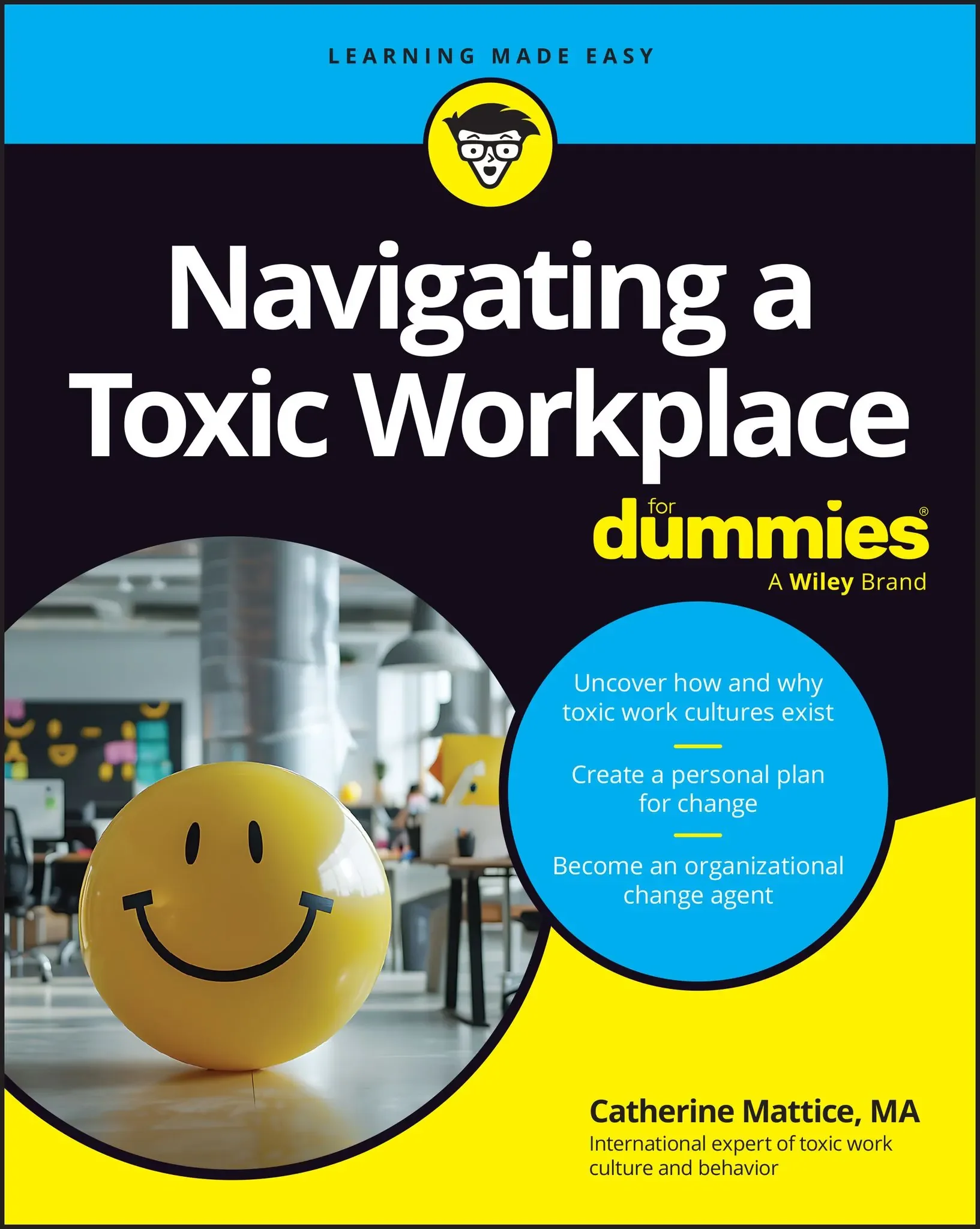
Workplace culture doesn’t become toxic overnight, and the warning signs often show up long before leaders take action. In this episode, workplace culture and leadership experts Rebecca Del Secco and Catherine Mattice join Kara to break down the early indicators of a toxic workplace, how harmful behaviors are allowed to persist, and the critical role leadership plays in accountability and psychological safety. They explore how silence, fear, gossip, and unchecked power dynamics erode trust, what employees can do when they feel unsafe at work, and how leaders can intervene before toxicity becomes embedded in company culture. The conversation also covers rebuilding trust, navigating difficult conversations, and knowing when it’s time to advocate for change, or make the decision to leave.
“A tough boss gives feedback; a toxic boss makes you afraid to speak at all.”
“Trust your gut. If something feels off, it usually is.”
-
-
Chapters:
00:00 Navigating Toxic Workplace Culture
03:07 Changing Definitions of Toxicity
05:52 Extreme Cases of Workplace Bullying
08:40 Identifying Toxic Work Environments
11:43 The Role of Leadership in Culture
14:45 Coaching and Feedback Dynamics
17:33 The Importance of Psychological Safety
20:39 Feedback and Communication Strategies
23:38 The Power of Core Values
26:30 Integrating Visionary and Operational Roles
29:36 Operationalizing Culture
32:41 Intentionality in Culture
35:32 The Balance of Systems and Creativity
38:31 Empowering Change in Culture
348 - Rebecca Del Secco and Catherine Mattice
===
[00:00:00]
Speaker 3: Welcome to The Powerful Ladies Podcast. I'm Kara Duffy and today's guest are toxic workplace experts, Catherine Mattice and Rebecca Secco. They are the CEO and COO of civility partners, where they help clients build and sustain civil workplace culture and authors of Navigating a Toxic Workplace Culture.
Speaker 3: You would think with all the evolution of workplace, hr, political correctness, and it's supposed a takeover of wokeness, that our workplaces would be free from all the toxicity, and it's simply not the truth. Toxic workplaces show up in many different forms, which we go over and cost companies so much money.
Speaker 3: We discuss disruptive, problematic, and toxic culture and what you can do about it. The good news is that based on their advice today. You can avoid or create any culture you want and probably transform it faster [00:01:00] than you think.
Kara: Welcome to The Powerful Ladies Podcast.
Catherine: Thank you.
Rebecca: Thank you. Glad to be here.
Kara: I'm ex I am excited to talk to you guys today because. You have literally wrote the book on navigating a talk place workplace, a toxic workplace culture. And this is such an important topic with so many changes that are happening in leadership adjustments, post COVID adjustments, different generations, different expectations.
Kara: I don't remember a time in my lifetime where corporate culture has changed so rapidly. And in the past five years, I feel like it keeps accelerating what people are dealing with. Um, so before we go any further, let's tell everyone your names, where you are and what it is that you're up to.
Catherine: Okay, I'll, I'll jump in. Yeah. So I'm Catherine Mattice. I'm the founder of Civility Partners. I started 16 years ago [00:02:00] after working in a toxic work environment and went to graduate school and, uh, did all of my research studies on toxic work environments and turning them around and started my business right out of graduate school.
Catherine: I figured I can solve this now. Uh, and then, uh, brought Rebecca on board almost nine years ago and she is been a key, key, key component of civility, partners growing.
Rebecca: And I'm Rebecca Secco. I, like Catherine said, I joined nine years ago and, I've had pretty much every role possible here at Civility Partners. Uh, now I get to drive from the backend, which is super fun as you know, we grow our team and lean on a bunch of other experts. Um, and I mean, even looking at the nine years that I've been here, you talked about how rapidly changing. I thought that, the first seven years look at how much change has happened. And now even condensed in the last four years has been insane.
Kara: Yeah. Well, and, and the generational [00:03:00] gaps in corporate spaces have been coming up a lot for my clients lately. And I'm sure that there are people who, you know, fit into the traditional boomer, even Gen X category, who are like toxic workplace. That's old news. You don't know what I dealt with. So how has toxic the definition of a toxic workplace just changed over time?
Catherine: Well, it, it's interesting when I first started and I would, um, reach out to human resources associations, can I come and speak at your chapter meeting? And they would say no, because. Workplace bullying isn't a thing. What are you talking about? We've already talked about harassment. Um, and, and then I would tell people what I do and always jokes.
Catherine: Oh, so you take people outside and beat 'em up. Ha ha, bullies. And now all these years later, every single person I tell what I do and I'm sure Rebecca too, you know, oh my gosh, I've experienced that. Or I, you know, here, let me tell you my story. And, um, I think [00:04:00] as generations have. The, the newer generations have come to the workforce where they grew up learning about bullying.
Catherine: I mean, I didn't have any assemblies around bullying when I was in elementary school. My children do, but I think they're just more hyper aware of being treated respectfully and having boundaries. And so I think the word toxics has become more open. Um, and, and we describe it as. Anything that's harmful.
Catherine: However, small gossip is toxic. Um, microaggressions are toxic, you know, and you let those things go in like a toxic chemical. It's insidious and it starts working its way through the company culture.
Kara: What are some of the most extreme cases that you've had to come in and resolve that you can share?
Catherine: Rebecca, I'll let you start.
Rebecca: I, I mean, so one of the, you know, things we specialize in is, uh, coaching individuals who have been accused of bullying or creating a hostile work environment. [00:05:00] And part of our process is interviewing those around the individual. And I used to do all of those. So imagine, imagine the things that I would hear.
Rebecca: I mean, and, uh, I remember one that, that sticks with me is that we, um, a company engaged us be, and this woman had been behaving this way for years, she was a super high performer, which they often are. And the reason they finally reached out to us was because the woman had another individual in her office and was screaming at her and the individual said, I'm going to leave and exit this scenario.
Rebecca: And the the woman we were coaching stopped her and held the door closed and essentially trapped her inside the room to continue berating her, which you know, makes them afraid. It essentially escalates to workplace violence and that, that one always sticks with me. Um, and that person, that one was so unaware of how inappropriate that behavior [00:06:00] was. So that's mine. I know Catherine has probably some, we probably a lot of people wanna pick our brains. What have you heard?
Kara: Yeah.
Catherine: I'll, I'll share one too. We had a client that, this was during the height of the Me Too movement. Um, some women came forward and said that they had been getting bullied and harassed and it was it, so it was mostly males and there were not that many females. And, um, then we get in there and realize certain other groups aren't feeling really great about the workplace and it was a really toxic work environment all around. And even we did some listening sessions and even the people who we interviewed were like, I've never experienced that, but I'm so disappointed in my organization to hear that this is going on and you know, I'm really sad and I really want it to change.
Kara: I feel really privileged that I've had pretty minimal workplace issues. Um, if I go back through and [00:07:00] start digging, there are some that are borderline ridiculous, but it's been really minimal compared to other women my age that I know have gone through some of the spaces I've gone through and. It. It's so interesting to me how it is, like how there are still people who are yelling at people and essentially kidnapping them in their office, and then also people who are still, you know, sexually harassing other people.
Kara: And you're like, at what point, like how did you not get this between what's happening on like media culture, even TV and films, let alone the training that you're now most often getting in your workplace? How are there still so many gaps?
Catherine: That's a question we ask ourselves every day. Um, the, the more technical answer is one is those generations have never been told otherwise. We coached a, a guy who he was a lawyer and he had been there his whole entire career. And he would always [00:08:00] reference, when I first started here, the women were smoking cigarettes in the secretaries down in the lobby with their pointy brass on. And that's just how it's been. I'm like, it's not that way anymore. But he'd been allowed to be a bully 'cause he's a high producer. And so all those years, no one had ever really pinned him down until something bad really happened and now he needs coaching. So I think, um, it, it's. Definitely easier for those of us in this space to be like, dude, that's not, um, but I, I think they live in a bubble and they're rewarded for their behavior, so why bother changing it?
Catherine: There's no motivation to.
Kara: If someone thinks that they might be in a toxic environment, but maybe they're being gaslit about it, or, um, just not sure if, if, like they're even being, you know, extreme versus what is normal, what are some signs that you can list for people so they can go, okay, this is a toxic or is not a toxic [00:09:00] environment.
Catherine: I think a main thing is if your gut is telling you that you're in a toxic work environment, then you are, you're not being dramatic. Right. Um, that said, um, perception is everything. And if you are hearing other people complain about similar behaviors. That's evidence that you're not alone. If it's kind of always only you, that's the, the problem that, you know, maybe takes some steps back and understand. Maybe it's more like conflict or something else. But, if you're waking up every morning and you're dreading driving to work, then you're probably in a toxic environment.
Rebecca: My response is going to be trust your gut, you know, um, your, your body knows, and we see this with people asking, well, if someone gets yelled at once, are they, I'm afraid as a manager they're gonna claim this is a toxic environment. And, uh, I think it's the, the, the repetition is what we see. Like Catherine said, other people [00:10:00] experiencing it, and we've worked with organizations where people felt they had gone to HR individually and no one was listening, and so they all combined together and came together and, you know, wrote a note to the border or whatnot. Uh, so leaning on those around you, I think also is telling.
Kara: I am glad you brought up the managers being afraid of it because I coach so many owners and their leadership teams. many of them are millennials and they're petrified to be the bad boss. So much so that I usually have to tell them to be mean.
Catherine: Mm-hmm.
Kara: Because they're letting deadlines slide. They're not holding people accountable. They're getting walked all over. They have a level of excellence for themselves. But when we look at how that excellence is falling through the ranks because they're not leading, because they're so afraid to. Ever potentially hurt someone's feelings or be perceived as mean. They're not leaning in. And I always tell [00:11:00] them that, you know, I jokingly say like, be mean.
Kara: That's not what I want them to do. But there's a coachability of like, if you're creating an environment where you can't coach people, we already have a problem. So what advice do you give to people who are afraid that they're gonna be mean, but they need to hold people? Look at that. There's eight whole
Catherine: There's a chart. Um, so, you know, we hear that too. And, and to your point, if, if the culture that they're creating is one of coaching and feedback, then unless they're screaming that feedback and bloody murder, then they should be fine. And I do think that when, when you're in a culture where there's no feedback given, and then maybe you.
Catherine: Find yourself reporting to a manager who tends to give more feedback than you're used to. That that could be seen as bullying because of the context. Um, so that's one piece for those managers who are afraid. It's that you, you start having ongoing one-on-one conversations regularly [00:12:00] about both of your performance.
Catherine: How, how am I doing as your manager? What do you need from me? As well. Um, and then I just, in, in the book, I've got the tough versus toxic behavior. So, a tough boss has high expectation, but provides coaching with goals and rewards. A toxic bo toxic boss has high expectations and freaks out when people don't meet them.
Catherine: You know, a tough boss gives credit when due, A tox toxic boss takes credit. So, um, it's really the, the bigger picture. Um, don't be afraid to give feedback. It's just if you make that part of your relationship, then no one's gonna see you as a bully.
Kara: That's why I recommend the book of Radical Candor all the time.
Catherine: Yes.
Rebecca: I was literally going to bring that up. I. When I first started managing, definitely I fell into the I think the ruinous, uh, the ruinous empathy category or something along those lines. And, uh, you know, really found out that honesty is kind. It shows that you care, uh, and to challenge 'em shows that you care. Of course, [00:13:00] doing it in the right context and, uh, I think it can feel like you're criticizing or whatnot. But, you know, I read that had a conversation with an employee that, you know, needed to improve and within a week, I mean, a 180. It was, it was insane. Yeah.
Kara: You will appreciate this. I had the last corporate company I worked for, um, it was a startup. It was a relatively small team. I was on the kind of leadership group and our CEO gave everyone that book to read.
Catherine: Hmm.
Kara: I don't think he read it. So like the conversations are very weird. Um, but I always like, I love that he gave me that book 'cause I've used it so many times with other people. But it's such a fascinating thing when leaders don't do the work themselves first. And they're like, I'm fine. You guys read the stuff, you take the course, and you're like, no, no, no, no, no.
Catherine: Yeah.
Kara: How often...
Catherine: we actually have a story about that. Sorry to [00:14:00] interrupt, but we have a client right now who's not toxic. They're not, you know, in some big ugly, hairy problem, but they do keep reaching out for, can you help with this? Can you help with this, can you help with this? And of course, we're really pushing and like, well, we would really love to understand the full picture because these things are signs that something's wrong.
Catherine: Um, and I, we had a very frank conversation with the CEO just a couple weeks ago where my. Overall, and I told her, I, I don't interact with you a ton, I'm just sort of managing the project as the CEO, but my limited experience with you has been that there is no feedback. Nobody gives feedback. And so it's, what is that toxic positivity?
Catherine: Like if you're, nobody's getting feedback, then everybody's frustrated with everybody else for sure. Yeah. So it's interesting how that could, no feedback can result in a lot of problems.
Kara: And I love Rebecca that you said like feedback is love, like. To me, that's what coaching is. And there's that, the concept of [00:15:00] treating some people big and some people small that I'm sure you guys also deal with all the time. And when you see that concept, you can't unsee it. And I'm like, listen, every time you're not giving coaching, you think they're too small to handle it.
Kara: Like we have to break that cycle. How, like how are you guys coaching leaders who are empathetic, who are heart led to. Bravely step into that space that maybe terrifies them 'cause they've never critiqued anyone before.
Catherine: Ooh. Usually we're coaching leaders who are free, free to give all the feedback and all the ways. Uh, so.
Kara: Yeah.
Catherine: you wanna ask us about that, we have an answer.
Rebecca: I have a thought. I think because we do a lot of, you know, as we go in realizing that these managers, they just don't have the tools. And even when it comes to speaking up against toxic behavior or even having a one-on-one conversation, [00:16:00] I think that in, in their brains, they know that it's important, they just don't know how, and they don't wanna get it wrong.
Rebecca: Nobody likes making mistakes. I think people are afraid, are they gonna say something that comes back at them or whatnot. And so one thing is, is providing tools. Uh, and, and that helps and opportunities for them to practice.
Catherine: Mm-hmm. And well just to add to that, that was great answer, Rebecca, that when, like when we do a manager training that we do at six months, you know, our stuff isn't like delegation and servant leadership, which are great. Tools, but we talk about creating psychological safety, giving and receiving feedback.
Catherine: You know, coaching people who are not performing and also not behaving very well. And I don't see a lot of manager programs focused on those necessary skills, not soft skills, necessary skills that are all related to a a positive and thriving work environment.[00:17:00]
Rebecca: Yeah. Mm-hmm.
Kara: I also noticed a trend where a lot of my clients who need extra support in stepping into that coaching leadership space, they make themselves wrong for the expectations that they have. And so they, they've been told their whole lives that they have high expectations that maybe they're, you know, run at a speed other people can't run at.
Kara: They are living in this 1% and they're managing the other 99%. And I think that's a bunch of BS personally, because I think there's ways that you can incorporate high expectations in a positive, loving way for other people to rise up to you for. But I think usually a gap that I see is the leader has the expectations, but is afraid to communicate it and then afraid to hold people to it.
Kara: So they're getting disappointed by their teams on a regular basis because they've. Never actually wrote it down, never communicated it. [00:18:00] There's no playbook for their team to win. they're just silently frustrated.
Catherine: Well, and that that's what we see with the leaders we coach who have been accused of bullying or creating a hostile environment. And it's not that they're afraid to give feedback 'cause that's part of the problem. They're giving too much feedback and it's micromanaging and it's, you know, we had client who, people said she did this all the time.
Catherine: And we've actually coached people who have caused PTSD 'cause they three times. They, somebody had a panic attack. Um, and so what's happening is, is exactly what you said. They hold themselves to super high expectations, but they don't clarify that for everybody else. And they're just frustrated that everybody else around them is incompetent.
Catherine: And so the coaching is really focused on like, you're not the competence crusader. You are functioning at a really high level. And if you want people to get there. You teach them and you coach them and you make them feel comfortable to [00:19:00] ask you questions. And that's the thing is they really diagnose problems as competent or incompetent.
Catherine: Um, just an example of that, since we're talking about kind of feedback and, and conversations like that. Um, one individual. It. Why in coaching, we talked about I'm this great resource. Nobody ever asks me any questions. I've been here forever. And I'm like, well, why don't they ask you questions? I don't know.
Catherine: They're, they don't think about it. They're incompetent. I don't get it. And I'm like, well, if we look at your feedback, you publicly shame people. You, um, you know, berate them your aggressive body language. So maybe if you adjusted the way you take in those questions and help them solve. They'll start coming to you.
Catherine: And so it's like helping them realize the impact of that leading by fear, um, is actually giving you the opposite of what you're looking for.
Kara: And I, , have this interview process that I'll often encourage clients to do. I did it in my corporate life where I would interview other people about how I'm showing up and [00:20:00] I would do it. People who I had good relationships with and people who I had questionable ones with, which I will say was few people. Like, I often joke that I had like maybe three arch nemesis in corporate life, my entire corporate career. Um, and.
Catherine: how many do I have? No.
Kara: But I remember talking to one of these people and they gave me feedback that I thought was so interesting because it pointed out their perspective of how they were viewing me. But it gave me such an interesting clue into improving my communication with everybody else. And their feedback was that I go into a meeting, I was in a leadership role.
Kara: I would go into a meeting, somebody would share an idea, and then I would have so many questions. And I would rip apart the concept. And I was like,
Catherine: Hmm.
Kara: I'm like, that's so interesting that that's how you see it. Because in my mind I'm asking questions so we can keep the project, not get rid of it. And so what I was taught by that person was to [00:21:00] acknowledge, I love this idea.
Kara: I like, can I walk through some questions? Just saying that part that I was skipping over because in my head I was just jumping to the, this is great. How do we keep it and solve it mode.
Catherine: Mm-hmm. Mm-hmm.
Kara: Me an access point to like reset, like how I was showing up for people.
Catherine: Mm-hmm.
Kara: I never got that feedback from anyone else, but it made me feel more competent going into a room to make sure I declared it first versus skipped over the obvious part to me. Um, but that's one of those things that stuck with me because I couldn't believe of all the things that I knew we had in between our relationship to kind of solve that. That was the, the piece that they wanted to talk about. Um. But yeah, it's always interesting what people see from their side.
Catherine: I have an opposite idea for you. So this, so there's a exercise called the Best Self Exercises from Kim Cameron in, in his book on positive Leadership. And he talks about, um. You know, you ask everyone, like if we're [00:22:00] on a team, like, Hey Rebecca, send me your feedback about Kara and something you appreciate in her and about me and about everybody else on the team.
Catherine: And then you have a meeting where you read through it, okay Kara, here's what everybody said about you and what they appreciate in you. And so then it's just a little love fest. Um. But I did it when I was on a board of directors. I ran that exercise with my board and there was a person on my team that I always was frustrated by.
Catherine: She was the naysayer all the time, and every time she opened her mouth, it's like, ah, what are you gonna say now? But then when I decided to do this exercise, I had to come up with something I liked about her, and I did like her as a person, but I realized she's the only one who really does that. So she's actually pushing against the status quo, and that's a really great.
Catherine: Thing that she's doing. And so it caused me to reframe my frustration. So I would encourage, if you're feeling frustrated with someone, think about it a little differently. Just take some time. Rebecca interrupted you. [00:23:00] Sorry. Go ahead.
Rebecca: No, no, I was just going to say, and I, I see this in, you know, doing interviews or, or trying to, you know, whether we're trying to understand a department, a person, organization is that our brain naturally makes leaps when we don't understand the reason why. And so that's the biggest thing that we see, right?
Rebecca: And it's natural for that person that, that made that leap as to the why behind your questions. And so it's so important to have the conversations that you're having and, and when you don't have them, the leaps get a little bit, they escalate the reasoning behind them, and it creates more conflict and all the toxic stuff.
Kara: One to give full credit to the person who gave me that feedback. I'm sure they felt that I asked them questions to prove them wrong because I was, because they were in a role they should not have been in. They were in a senior leadership position. They never knew what way was up or down. And they would derail [00:24:00] everything we were doing.
Kara: So for that person, I was being a butthead with my questions for everyone else. I was not. And um, but yeah, so they were justified in my assumption that I was just trying to prove them wrong. Not the entire organization.
Catherine: She felt it in her soul.
Kara: It was a
Rebecca: awareness is there. The awareness is important.
Kara: Yes. The, yeah, exactly. Yeah. But, and I think it also, there's so many people who.
Kara: You know, because we aren't in a culture where we train people to be leaders, we train them to be individual contributors more often. It's incredible to see people like failing upwards. And this person who I did not get along with in the workplace. We were fine, like traveling together, having dinner, going for drinks, like if we'd be out with clients.
Kara: That wasn't the, that part was fine. It was the, the, the lack of what I perceived as competence when we were trying to actually like, do anything. [00:25:00] Um, and so it's so interesting right when you, between people not being trained in the role that they need to have, not being trained in leadership and then.
Kara: Typically it's been men historically failing upwards, where you're like, what is happening?
Catherine: Mm-hmm. We actually, we wrote a blog post recently about, um, younger generations not wanting leadership roles. I forget what it was called. Quiet something. Un Oh, conscious embossing. That's what it was. And Jenny, our wonderful marketing manager, had kind of come across this topic and turns out people don't wanna be leaders.
Catherine: They prefer, they don't wanna put in all those extra hours for not that much more pay and deal with all the problems they've probably observed. Which, you know, we're back to, managers need better training 'cause they probably do make managing look. Scary because they don't know how to do it. They haven't been trained either, [00:26:00] so, yeah.
Kara: Well in, in my experience, you guys can tell me if you've seen it differently, um, in from your side. I've seen so many people who have been like an incredible designer or incredible technical person, and they're like, great, you should be the director of this department. And they're like, one guy I was so proud of, he goes, no, thank you.
Kara: They're like, what? He's like, no, I don't want to, if I move from this design role into a design director role, that's budgets and spreadsheets and board meetings. I don't care about that. I just wanna keep designing.
Catherine: Mm-hmm.
Kara: But most people are, don't say no about these other roles that they, um, people want them to be great at.
Rebecca: Well, and sometimes there's only one career path up. It's either you manage or you stay exactly where you're at and you get. You know the minimum amount, a minimum raise every year until you retire. And so they feel trapped and that's the only way that they [00:27:00] can move up.
Catherine: I think, um, we, we met with um, Gary Ridge from WD 40. I don't know if he's kind of famous here in San Diego 'cause he lives here. But, um, WD 40 wins lots of awards for great culture and he just retired. Um, and he mentioned that. At WD 40, they don't use the word manager. They use the word coach and like I'm thinking about that guy.
Catherine: Maybe he didn't want spreadsheets and budgets, but maybe he would've been okay. Coaching and mentoring, and that's. There's something to be said for that, that, you know, maybe we, you, you get a promotion into this sort of mentorship role. You can still design, but then you get to help others be better designers.
Catherine: And also, let's be honest, people who design and they're creative aren't spreadsheet people. So maybe you don't need, yeah. So maybe that's a great idea. Like somebody else who likes math and spreadsheets do that. And I'll be the manager of the people and you'd be the manager of the [00:28:00] operations component.
Kara: You brought up two things that I think are super important. One is like in my, um, all my companies, I say, I refuse to manage you. I will lead you, I will not manage you. We are all adults. If I manage you, we're creating a parent-child relationship that's not gonna be healthy.
Catherine: Yeah.
Kara: But then also about this, you know, the oppor pulling the operations out of roles. So often the power structure is if you aren't controlling the budget, you don't get a say. If you're not in those executive rooms, you don't get a say. And I think that we do a disservice to so many, um, people's natural brain wirings and strengths when we're forcing people to mash together analytics and creative on either side in order for them to move up into these roles.
Kara: So I love that idea of. Make it, pulling it out. Like you can have a marketing ops person, you can have a product ops person. Let them do that stuff that makes everyone else wanna [00:29:00] vomit and let them thrive there. But we don't need to, we don't need to assign the power in strategy contribution only with the vertical growth, if that's the case.
Catherine: You know what? I'm having an epiphany. Right here on this podcast. Um, I'm the visionary of civility partners and Rebecca's the integrator. If you've ever read Traction or Rocket Fuel, you know what I'm talking about, and I think that's kind of what we're saying. It doesn't have to be the CEO and the COO, for example.
Catherine: Maybe every department has a visionary and a integrator because they're very different people and that's. Rebecca and I have always kind of been like, our relationship's odd. We finish each other's sentences and also she tells me no, and I'm okay with that. And, um, talks me off ledges and it's, and then we read Rocket Fuel and I was like, Rebecca, our relationship's real, it's normal [00:30:00] and it's encouraged to this book.
Catherine: Uh, anyway, that's my epiphany. I think every department needs a visionary integrater situation. That's gonna be my new messaging. Thank you.
Kara: You're welcome. No, I, I, I fully agree with you like it's. I, I know if I'm, if I'm working with a company and we look at their org chart, and they are a creative oriented business. They're making a product, they're in a marketing service. Um, things that require the sole customer relationship and like your zone of genius working.
Kara: If I look at those organizations and realize that. More than 30% of their staff is hanging out in sales and operations. I can almost predict that they're having struggles and getting sales to actually happen, and for the business to grow the way it used to. Because we start, we start moving from focusing on the core of our business and the soul of it to [00:31:00] chasing sales.
Kara: And you start seeing it tip like most operations should be set it and forget it. Like we should not need all these operational layers, like you need the integrator, but. How, like why are we over, we make businesses over complex on a regular basis because that's what our industry competitors do. That's what social media tells us we need.
Kara: And I'm like, guys, we, I bet if we removed a lot of the unnecessary operations, but also free a lot of people up, um, because I don't, I, half the things that these bullies are probably yelling at people about are probably not even needed to make the business function.
Catherine: Right. They're not that important.
Kara: No. No.
Catherine: You're right. And I think, I mean like just speaking of Rebecca and I like the set it and forget it. Like that's what it's like here, let, this is what I want to have happen. We wanna do webinars once a month. [00:32:00] Okay. How do we, we brainstorm about it and then there's a process in place and maybe it evolves a little over time, but it's pretty well set.
Catherine: And we've been using that fairly similar process for several years. We don't need five people getting involved to redo it or take, you know, it's like everybody understands their part. Uh, in the process. So yes, I agree with you.
Rebecca: When you, you mentioned having too many processes, too many systems, is that, you know, in environments like that, it's actually a risk factor for bullying and harassment because people can hide behind it. They can hide behind the systems and hide behind the hierarchy.
Rebecca: You know, we have it where procurement, if it's this, it has to go through three levels and then it can hide somewhere on a second or third level. And so it's, it almost. It's actually harmful to the environment.
Kara: I am willing to bet that most companies are over complex and have too many people
Catherine: 100%.
Kara: like.
Rebecca: Yep.
Kara: It [00:33:00] makes me feel confident that businesses like ours, we, we have a long runway because people are not getting it fast enough. Um, you know, as the integrator, Rebecca, like what for many companies don't have an ops person and you have someone who is the visionary or the creative person drowning because.
Kara: The thought of a spreadsheet makes them sweat. They don't understand tech integrations. I say the word SOP and their face goes blank. So you know, can you explain to people why that integrator role is so valuable and like how it can free up someone who is a visionary?
Rebecca: Yeah, I think, and I'll speak to my relationship with Catherine, the strength of the visionary is. Uh, you know, this ability to kind of be a squirrel, say, Ooh, this thing and this thing, and I wanna implement this and that. And the reality is that you can't, you can't do all of [00:34:00] it. And so the, that synergy between an integrator and also that relationship is really important.
Rebecca: You can have a visionary and an, you know, uh, integrator, but the integrator can't give any feedback and you're not going to get anywhere. Uh, and so what I found is that. And also the visionary brings me out of the mindset of, well, I need six weeks to figure out if this process is going to work. It's, you know, let's jump in and let's figure it out.
Rebecca: This is worth it. So, um, I think that the integrator one is, makes the visionary stop with the, you know, all of these different ideas. It's, let's take two or three. What do you think is the most impactful? And you can parking lot. The rest of it, we'll keep track of it, uh, which allows them to
Catherine: a system for that.
Rebecca: I have a system for managing here, um, which allows them to stay sane and, and, you know, [00:35:00] kind of get out of that mindset and also remind them, yes, these are really great ideas, now let's work back the implementation piece and what's possible.
Rebecca: Um, and two, I think on, like I said on the other end, is. You know, she gets me outta shape, Rebecca, we can do this. We could do this. Just trust me. You know, even though we're not entirely sure and some really great things have come out of it. So, but there is, there has to be trust and there has to be the ability to give and receive feedback.
Rebecca: Because if you can't do that, then you're working at silos and you're not necessarily, you're not functioning.
Kara: You know, I was somebody who, I've always had a 50 50 analytical, creative brain. I spent most of my time in a 70% creative space, but always was able to project, manage, and super organized. I'm not afraid of spreadsheets. I love them and in my corporate role, because I could understand the calendar and create a system and keep things on track.
Kara: I kept getting pulled into [00:36:00] operational spaces, which I fought for so long. 'cause I was like, I don't want to be the calendar Nazi. I don't want to be the one that is like not creating things anymore, but is only, um, you know, making the lists and telling people they're late and like how it was presented to me was not sexy at all.
Catherine: Yeah.
Kara: Um, but when I, I didn't have a choice and I, and I had to like get moved into this role and we kind of crafted it. I, I did have authority to change it a little bit so I could still use the other side of my brain, like powerfully for the organization. But it was so interesting because it gave me insights into how to build organizational structures for creatives in a different way.
Kara: 'cause I think that's such an important balance, right? Of. The system only works if the people use it and if it actually makes a difference. And so I'm curious for you guys, as you go back and forth about what we need versus [00:37:00] the system, how are you making sure that it's like, um, as efficient or fit as possible and not, you know, domineering vision over implementation type spaces.
Catherine: We've had a lot of trial and error.
Rebecca: I was going to say failure really is the answer, not, not like, you know, fires, but, uh, yeah, that was gonna be my answer. Go ahead Catherine. I was just like, yes, we're all the same page.
Catherine: we, you know, we went through a pretty good growth spurt over the last couple years and that, and had really just started to figure out, and I think it helped us lean in that because we've had business consultants who literally said, you guys have a weird relationship. I don't understand that ' cause she's my best friend, but also my employee.
Catherine: In a lot of ways I'm her employee 'cause she's, you know, talking about parent child relationships. I'm not the parent in this manager employee relationship. Um, and so then we, it's like we figured out like this is okay and we really lean into it, which [00:38:00] allowed Rebecca to really lean into this strength that maybe I had been, uh, overseeing a little more than I needed to.
Catherine: And it was just like, do your thing and I'm gonna do mine. Um, anyway, so then, you know, she built a lot of systems with other people on our team, and then it's like, oh, that doesn't work. Let's change it. Or, oh, we missed a big chunk and we needed, we forgot these four things that should be in there. And it still evolves.
Catherine: But, uh, for now, I think we, we've gotten to a point where we're pretty settled in our systems, but it, it was a lot of trial and error, not mistakes. Rebecca. Mistakes are just learning opportunities.
Rebecca: learning opportunities and just in terms of mindset, it's about finding a balance between, Catherine has this big idea, we need some sort of system. Then it's me translating it to the point where it's very clear and you can hold people accountable while also not being so stringent that. [00:39:00] You don't have the room for, uh, things to happen or, or for employees to take initiative on changing it or critically thinking if they're, so, if you give everyone all the answers, there's gonna be a scenario where one of those answers, you know, doesn't work.
Rebecca: So I think that's a big part of it.
Kara: Mm-hmm. Well, and businesses are, they're not linear and they're forever evolving, and I think there's finding that balance, right. Of. No, we don't need to touch everything every day and let, let's just see the system through before we start changing already, but we have to be realistic that it's a real time living thing.
Kara: Like I'm always telling my team, SOPs are a living document. If there's something broken, fix it. It if we missed a step, fix it. Um, but let's not change the whole system. Um, let's run it and then pitch me back why we should change it. But it's, I think we get a little, especially [00:40:00] when we don't have people in the right roles, I think someone trying to oversee more things that are maybe outside of their zone of genius.
Kara: You don't wanna have to keep massaging things that aren't. Easy for you, and so you're just like, that's fine. Just leave it there. We'll keep going. You're like, um, that's a huge hole like in the side of the wall. Does that, that doesn't bother you. Okay.
Catherine: Yeah. Well, I gotta say too, I mean, we use monday.com, so a little shout out to them because they do it. It is super easy to use and it does evolve. You're like, well, not doing that step anymore. Delete. And then, you know, we have our template when we take on a client. Based on the service they bought. We have a, a template that plops into their service side, but then we add and move and rearrange and, um, so we're following a general process, but every client's different too.
Catherine: So just a little shout out to Monday. I think it's great for, for our purposes.
Kara: It's the one that we run our whole business, all of our businesses on also. [00:41:00] And I love it because you get to des, you get to make it work for you. Like our CRM is in there, our project managements are in there. Our, like you mentioned, templates for repeatable things are in there. I have tried so many of the project management tools and most never gave me all the options to have all the things that I wanted in there.
Kara: Plus I can color code it like for people who do care about the visual presentation of a system. Like it gives you, that lets you, you have unicorns dancing across the screen when you check things off.
Rebecca: Well I know when it says done the little party, it makes me happy.
Kara: me too. Me too. And I also have advised other clients who are much more on the creative end of things.
Kara: I'm like, Trello works great if, if you, if your brain works that way, go for it. Um, but yeah, we're, a lot of people are trapped in a project management tool that someone told them to use. And they're like, yeah, I never use it. I'm like, then what are you paying for it? They're like, well, our team uses it. I'm like, [00:42:00] if you the owner never look in your project management tool, it is not the right one.
Catherine: Yep.
Kara: Yeah. Um, with all of the experience that you guys have had about what's possible with culture and how you can transform it relatively quickly, what do you wish people knew about how, like the power they have to change their culture.
Catherine: Um, for me, my takeaway is culture is not abstract. You can treat it just like a project management. You, you know, you set a goal to increase your market share, and then you sit down and you figure out. How you're gonna do that or to increase revenue and you create a plan. You can do that with culture. And so many companies don't.
Catherine: Uh, we call it operationalizing culture. You could say, we feel like our culture's this, we want it to be more customer service oriented of the culture. And you plot that out, um, and you figure out how do we want people to behave? And what does the organization's processes need to evolve [00:43:00] to, to get there?
Catherine: Um, it. So if you can pull out of that kind of the clouds and into like, it can be treated just like any other goal, you're, you're fine. You can take, take ownership of it.
Rebecca: Yeah, I think so. A couple. So one mentality is that culture exists, whether you focus on it or not. It's there the way things are, you know, it's there people. Yeah, I think they think if there's no news, they're we're fine. But it's sitting there and it can escalate very quickly. I think the second thing, a lot of the mentality is that culture comes from the top and while leadership and the way they behave and build systems, yes, plays a role in culture, it actually really comes from every single individual at the organization.
Rebecca: And employees are really the ones driving it on a day-to-day basis. So it's important to focus on those day-to-day interactions, that individual behavior. And it [00:44:00] doesn't, it doesn't start at tox being toxic. It starts the little pieces that escalate over time, and it's important to focus on those maybe small, we'll say smaller behaviors, and you won't get, it won't rise to this level.
Rebecca: So that's my thought.
Kara: I'm someone who believes that how we do business is often how we do life, and we can use the same kind of trackers, products, all the things to make it have a great life, just like we have a great business. How can people translate this concept of culture from their office environment to their home or friend group environment?
Catherine: I think I, I've heard this. I, I haven't really read Brene Brown. Shame on me. I know everybody else has, but it's, I think, uh, uh, her advice that I've heard is good, um, which is to create core values within your family. And then, you know, and that's what we talk about at work. You have core values, then you can hold people accountable too.
Catherine: [00:45:00] Behavior more easily 'cause it's more clear and similar, you know, with kids at home or something, you know. Hey, one of our core values that we all agreed on was honesty. I feel like you're not being honest with me here. You know? So I think that's a great piece of advice, not that I've implemented it advice, but having some clear values and expectations at home.
Rebecca: I, yes. And I would also say intention is important and. Sometimes we're just going through the motions and going through life and yeah, my kid is fine. Everything's fine. We're communicating okay until something comes out that it really hasn't been going well. And so I think communication is an example.
Rebecca: It's hard. You have to be intentional about it. Being vulnerable is hard. Emotional intelligence is hard, and it's, it's active, it's not passive. And I think. That can [00:46:00] translate from your workplace and being intentional, whether you're a manager, whether you're collaborating with a team member, and it can be intentional in your community at home, with your family, and really anywhere else.
Kara: As we are wrapping up today, I have some rapid fire questions for you guys.
Rebecca: Oh God,
Catherine: oh.
Kara: Um, the first is,
Rebecca: I'm.
Kara: the first is, um, where do you put yourself on the powerful lady scale. If zero is average everyday human, and 10 is the most powerful lady you can imagine, where would you place yourself today and on an average day?
Catherine: Oh my goodness. Talk about getting vulnerable.
Rebecca: six.
Catherine: you go first. Rebecca, can I throw you?
Rebecca: I just rapid fire six. That was the number that came to my mind.
Kara: Okay,
Catherine: I don't do well with rapid fire. Uh, um, six. I'll just copy Rebecca.
Rebecca: We're codependent if you couldn't tell.
Kara: You know, there's sometimes that works beautifully for people, so if you're [00:47:00] in a respectful, codependent relationship, it tends to work. Yes. You know, when you think about the words powerful and ladies, do their definitions change when they're next to each other versus not? And how would you define a powerful lady?
Catherine: Ooh, I've got one there. Powerful lady is someone like us. We are fearless most of the time, or if we are afraid, we overcome it and go anyways. Um, we put, we live outside of our comfort zones almost every single day, all day. I sometimes say like, I'm outta my comfort zone all day, every day. I have no idea what I'm doing.
Catherine: Um, and so I think it's being courageous. That's a powerful lady. Um, someone who's assertive and willing to speak up for themselves and set boundaries and hold people to them. Even if other people aren't too thrilled with your boundaries, that's their problem. Um, so those are some of my answers.
Rebecca: Yeah, I think. Echoing everything Catherine said. Ditto. And I [00:48:00] think the biggest thing I was looking through, kind of powerful women in history is that they all challenged something and they really believe in themselves. I think even when maybe they're doubted by those around them. Uh, and I think that's this power that comes from within this, this, um.
Rebecca: I am, I don't know, the, I have a word in my brain and I can't articulate it, that's outside of power, but, uh, kind of this belief I guess in yourself, um, intrinsically is I find powerful.
Kara: Mm-hmm.
Catherine: confidence in yourself, and even when you make a mistake and you get knocked down, the unwavering confidence is like, well, that hurt, but I still believe in myself. I'm still gonna do it.
Rebecca: Yeah.
Kara: For everyone that wants to hire you, bring you onto their teams, get your book, just connect for a quick question. How can they do all of those things?[00:49:00]
Catherine: We're at civility partners.com. The books on Amazon, um, you Google Civility partners, or my name we're everywhere. LinkedIn carrier, pigeon Fax. I'm just kidding. Um, that we don't have faxes anymore, but yeah, we're everywhere. Um, so civility partners.com. Yes, we do have care and smoke signals sometimes. Uh yeah. Civility partners.com. You can reach out to us through there and certainly connect with us both on LinkedIn.
Kara: Well, this is a very connected and powerful community. So our last question today is what is something that is on your to-do list, wishlist, manifest list that you would either like us to help you make happen or just hold space for it to happen?
Catherine: Hmm.
Kara: What do you want or need?
Catherine: fun that I have that I guess just holds space and, uh, give me some kudos. Give us some kudos. Um, we get to do a training for the United Nations and then [00:50:00] also the World Economic Forum reached out kind of at around the same time, and they've also hired us to film a course on civility for their upcoming forum.
Catherine: Everybody in the organization has to watch it before they. Go in January. So that's, uh, just both of those things just kind of pulled the trigger the other day. So really excited about those two things.
Kara: Congratulations. I'm so excited that the both of those organizations are relying on women like you to put things back in order because we've got some ordering to do right now.
Catherine: Yes. Yes, we do. What about you, Rebecca?
Rebecca: I was thinking something more personal, uh, if that's okay. Um, yeah, I just moved into a big house, which was a huge milestone for me. And, uh, I've been having some kind of like some health issues going on and my partner's been gone for six weeks, so just kind of holding space and, and mental support while I'm kind of going through.
Rebecca: Uh, a [00:51:00] cha. It's a good challenge and it's something that's amazing and such a good opportunity. Um, but it's testing me a little bit, so sending some women empowerment vibes my way would be appreciated.
Kara: easy. It's always interesting how when we like upgrade to what we've been working hard for, you're like, wait, why? Why are we getting challenged right now? We worked hard to get here, and they're like, oh, do you really want this? How badly.
Catherine: Yep.
Rebecca: Yeah.
Kara: I know. Well, it has been such a pleasure to have you both on today.
Kara: This is a very important topic. I cannot wait to hear about the work that you're doing at the UN in particular. Um, thank you for making time to come and hang out with us today and share your wisdom.
Catherine: Thank you. Thanks
Rebecca: Thank you for having us.
Speaker: Thanks for listening to The Powerful Ladies Podcast. If you enjoyed this conversation, please subscribe. Leave us a review or share it with a friend. Head to the powerful ladies.com. We can find all the links To connect with today's guest show notes, discover like [00:52:00] episodes, enjoy bonus content and more.
Speaker: We'll be back next week with a brand new episode and new amazing guest. Make sure you're following us on Instagram or Substack at Powerful ladies. To get the first preview of next week's episode, you can find me and all my socials @karaduffy.com. This is a Powerful Ladies production produced by Jordan Duffy and Amanda Kass.
Speaker: Until then, I hope you're taking on being powerful in your life. Go be awesome and up to something you love.
Related Episodes

Episode 264: Forget the Org Chart, This Is How Real Influence Works | Maggie Larkin Hicok | Organizational Culture & Leadership Coach
Episode 225: You Can’t Build Culture Without Belonging | Chris Rollins | Leadership Speaker & Creator of The Ripple Effect Leader™

Episode 214: Kind Leaders Build Better Businesses | Lindsay White | Founder, High Voltage Leadership
Instagram: civilitypartners
Website: civilitypartners.com
LinkedIn: catherinemattice
TikTok: @civilitypartners
YouTube: @civilitypartners
Facebook: CivilityPartners
Created and hosted by Kara Duffy
Audio Engineering & Editing by Jordan Duffy
Production by Amanda Kass
Graphic design by Anna Olinova
Music by Joakim Karud