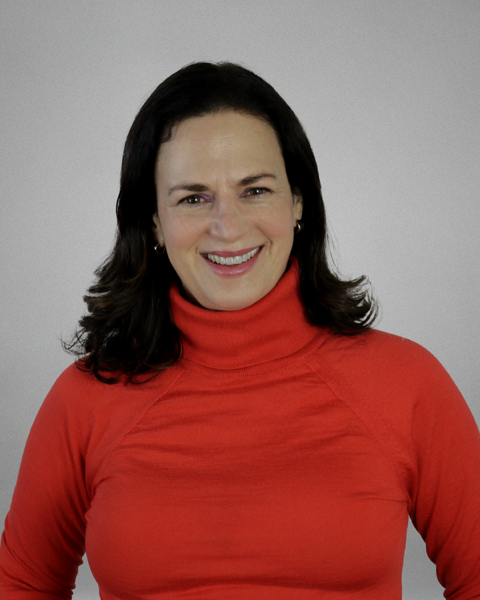
Midlife is being redefined at a moment when women are questioning outdated narratives around aging, productivity, and worth. As healthcare gaps widen and cultural messaging pushes anti-aging at all costs, many women are left wondering whether what they’re experiencing is a breakdown or a breakthrough. In this episode, Kara Duffy sits down with Dr. Heidi Lescanec, Naturopathic Doctor and creator of the Pink Zones, to explore why menopause is not a crisis, but a recalibration - biologically, emotionally, and culturally.
Heidi shares insights from her 20+ years in women’s hormone health and her global research into communities where women thrive as they age with vitality and reverence. Together, they unpack the nervous system’s role in longevity, the rewiring of the female brain during perimenopause, the research gaps in women’s healthcare, and why middle-aged women are emerging as a powerful cultural and political force. This conversation examines what it means to move beyond symptom management, reclaim creative vitality, and redesign systems that honor women at every stage of life, not just their youth.
“If we don’t feel safe and grounded, it’s very hard to make decisions - and it’s hard for the brain to work.”
-
-
354 - Heidi Maria Lescanec
===
[00:00:00]
Kara: Welcome to The Powerful Ladies Podcast. I'm Kara Duffy, and today's guest is Dr. Heidi Lescanec. She's a practicing naturopath physician with 20 years of experience focusing primarily on hormone health. In this insightful interview, Heidi shares her experience on women's health aging and her concept called Pink Zones.
These are communities where women thrive as they age with vitality, reverence, and are seen as valuable contributor society no matter their age. This conversation is so relevant as we're seeing women's rights being targeted and minimized in the US and around the globe. While at the same time women are appearing younger and younger and experiencing more and more vitality as they age.
In this episode, we explore the gaps in healthcare research, the importance of community, the rising power and influence of middle aged women, and how women can reclaim that vitality and [00:01:00] power no matter what age they are.
Welcome to The Powerful Ladies Podcast.
Heidi: Thank you. It's great to be here.
Kara: I'm very excited to talk to you today. I summed across your Instagram account because you had a recent article getting published on everywhere going viral with Katie Couric Media, about the wine moms who have been targeted by our current administration in the U.S. And I love this is the power of being bold and reaching out.
I read it at 2:00 AM when I was pumping and in instantly was like, I'm gonna message her now and let's see if she's a yes to me on the podcast because I want to talk to this person. And then I started researching you and you're doing so many other amazing things. So before we go any further, let's tell everyone your name, where you are in the world, and a few of those things that you are up to.
Heidi: Oh, absolutely. Well, I'm Heidi [00:02:00] Nik and I'm based in Vancouver, BC and I'm a writer and naturopathic doctor, and my background's in anthropology and native studies. I've spent the last 20 plus years with a practice focused on women's health and particularly working with women in the menopause transition.
And what I've come to see, especially recently, is how midlife is not the crisis phase that we're told it is. And aging really is not about decline. It's both are really powerful phases of life. Midlife is a transition point when we're dealing with perimenopause and menopause. But we've been taught to misinterpret these phases of our life.
In our, kind of, in a background of an anti-aging culture and of course patriarchal culture. And a lot of what I think is being framed as falling apart and fire and brimstone is actually just a recalibration biologically, emotionally, and even [00:03:00] culturally. So that's in part what the article was about.
And so right now I'm actually on a sabbatical and I'm working on a book researching what I call the pink zones, which is the conditions and the communities where women don't just live longer, but they actually thrive as they age. And so I'm really interested to see how we move from, managing symptoms, which is important.
We all want to feel good in our bodies, but I wanna also see how do we move to redesigning the systems around women so that midlife and menopause becomes a clarifying time, not a collapsing time.
Kara: I know that for myself and so many women I speak to who are across generations and ages, everyone in the past two years in particular has gone to an appointment, doesn't matter, the type of doctor, and has gotten to a point where they say, well, actually we don't know because [00:04:00] no one's ever researched this.
Heidi: Mm-hmm.
Kara: And either they, they haven't researched it in women, they haven't researched the complication. I when I was pregnant with my daughter, I had preeclampsia. They still have no idea why. They've just never studied it in depth. I had another friend who was dealing with a thyroid condition.
Again, it was a very unique thing and we just don't know. We've only studied this in white men, so we can't tell you what's gonna happen next. And we've never studied it. And women who are going through perimenopause or menopause, and I think that this is causing so many women who have been kind of empowered at this point to, to not tolerate, not feeling it well, to get things fixed, to focus on vitality.
We're taking all the other supplements, doing all these other practices to be operating at our best biologically and mentally that it's seems ludicrous when we hit these walls where they're like, we just don't know. Coming on the other [00:05:00] side of it as a at practitioner and as a doctor. How also infuriated are you that we just don't have some of this information?
Heidi: Mm-hmm. Mm-hmm. There's a lot of, I'm, it's, it's so challenging. There are so many gaps in healthcare specifically for women because women weren't included in trials. It wasn't, I think, until 1993 that that was required by the NIH. So, I mean, that's a very long time where we, we sort of thought we were on equal footing.
We could, we could open a bank account and have a credit card, but all the studies were being done on, on male bodies. And for the safety. Concerns that like weren't being taken into consideration. So there are many conditions where women respond differently than men do. And medications haven't actually had the safety check.
So, I am in a field that is now kind of being considered sort of functional medicine and. [00:06:00] There's a lot of discussion around, oh, herbs aren't evidence-based medicine. We want evidence-based medicine, even though acupuncture, for instance, has been used for two th thousands of years, botanicals in many across space and time have been used to help people live healthful lives.
And so I just think the research gaps in women's health point to the fact that, yes, evidence-based medicine is important, where it actually exists. And so I think there is a lot of pressure because women are not considering these private issues anymore. They're public. And I think there's a lot of reasons for that.
I mean, women have been going through perimenopause and midlife changes and of course, childbirth and child rearing. For decades, centuries, none of this is new, but I think the demands to be visible, to get our needs met and to not be suffering in silence, I think that's different. So I am very interested in the why now element of [00:07:00] things.
Kara: And I'm so curious too, with so much of history being like rewritten and exposed for only sharing one perspective. Like at what point did all of the wisdom we had of how everything worked, at what point did it just go away for Western society anyway, like
Heidi: Oh, such a good question. I actually, I wrote a recent article about this and I used the framing of this Franciscan father, his name's Richard War, and he has this concept of going from from order to disorder to reorder. So I think we were in a, a place of order when kind of, the doctor was considered the hero and antibiotics were new on, on the scene.
And so all of a sudden there were these miracle medicines and procedures like surgeries. And they are, they're absolute, they, they can be miracles. And so I think what's happening though is we're in a system, a situation right now where a lot of [00:08:00] that is collapsing. The healthcare system just can't handle the, the load.
And people are being reduced to a billing code. And it's one problem per visit. And your, your body doesn't work in isolation or organs Don't say, oh, here's where I end and then you take over. It's and especially for women's health with our complex endocrine system, which is like a symphony orchestra.
There's a role to play of so many systems connected to each other. And so I think there's a lot disillusionment, with the systems that we currently have in place, they are not meeting our needs. And they are suffering under the burden of, of incredible costs and not when just not having the infrastructure.
So I think there's a lot of disorder we're in at the very moment on so many levels. As you say, it's on, it's not just healthcare, it's on a lot of levels politically. The ground is quaking under our feet. Things that we had once assumed were there to protect us or to secure us are no longer there.
So, yeah, so disorder is [00:09:00] very uncomfortable. I'm in it, I'm in Canada, so it's slightly different circumstances, but we are like your little sister. Like we feel everything that goes on for you, our older sibling, and it's coming for us. Like we get your hand me downs. So, and we're so connected.
We're so connected, like we are very connected to you. And so anyway. Our healthcare system is very similar. And so I think there's a lot of questioning of like, why, where, how do I get my needs met? And I think also social media, just the fact that we have these platforms to share and to find out that we're not alone.
Like it's not my body is broken or how, why am I falling apart? It's oh, others are experiencing this too. So I think there's a collective questioning of like, where are our supports gonna come from? Where are our guides? Where are our mentors? Who can we trust? Who can we believe?
Kara: Well, and it, it felt like we went from one, not even a binary, just one option for this is all the truth we know about health and wellness and medicine [00:10:00] to the, floodgates opening with so many different ex experts and pseudo experts take that could, were sharing what they were doing and just people in their own experiences sharing through social media.
And I do feel like we're coming back to a place, to your point of. Okay. Not everyone who has a microphone knows what they're talking about. So who are the people who are doing the research, who are certified, who have legitimacy that we should be listening to versus our friend sister's cousin who had similar symptoms to us.
And I love that you're coming at it from a 360 whole body experience and having that anthropology background because there's so to your point, everything is so connected. And even just the idea that our physical body is impacting our mental capacity. So many people in this perimenopause phase phase are talking about brain fog or having different anxiety or [00:11:00] depression.
It's, it's been a recurring theme at every gathering I've been at since the new year. Are you guys feeling more anxiety? Are you feeling more depression? Are you feeling like things just aren't right?
And I've been flagging it a little bit, being like, yes, and we need to give ourselves some grace because things are a hot mess right now from a, when we turned the TV on. So I think all of us have a little less in our cup than we did two years ago.
Heidi: Absolutely. Well, one of the pillars of the pink, so I've been researching what are the conditions that allow us to thrive as we age, say forties plus. And one of the common denominators in all my interviews and in all my research is, a nervous system that's grounded and supported. And I think that, it isn't just a quick fix like the bubble bath with a candle, which of course is lovely and I love to do that, but it's not gonna solve and extinguish all the things.
And so that I think is core because if we don't feel [00:12:00] safe and we don't feel grounded it's very hard to make decisions and it's hard for the brain to work. And yes, I hear all the time people like, oh my gosh, do I have dementia because of my brain fog? And I'm hearing this not even just from the perimenopausal women who are like, hearing brain fog is a thing for them and rewiring the brain is happening, but everyone's kind of saying this right now.
So I think we are in a flooded, overwhelmed state, and we have access to more and more, information, often contradictory and experts and kind of commercial options that are vying for our attention and positioning them as the solution. And it is a state of affairs that it, I like.
It's not surprising we all feel in a state of kind of overwhelm or disorder. I think that's sort of what is going on.
Kara: For sure. And, and kind of going back to your article, the 40 is the new 30 at least.
Heidi: Hmm.
Kara: And there's the whole, I dunno if you saw all of the buzz [00:13:00] about Sienna Miller and her when she announced her pregnancy on the red carpet. The actress from the UK looks like she's 28 and it became this whole spillover effect of everyone talking about how are people looking so much younger today than they did.
There's always that there's a meme going around about how the entire cast of Cheers was all under 40. And if we were guessed their age today, we would've guessed much older than that. So there is definitely, we're, we're clearly getting some access to some level of youthfulness and vitality that we haven't had in generations before.
But it does feel like it's at, a disadvantage because we don't have some of the wisdom that we know how to use. And I think often women are feeling like, hold on, this all is working together. This all is synced. There's an intuition that we bring to the doctor so often that we get gaslit all the time
Heidi: Mm mm.[00:14:00]
Kara: You mentioned when you were talking about how women's bodies are different for everyone listening who you know has the concept of it. Could you go a little bit more in detail about what makes our system unique From the male system?
Heidi: Well, I think, just the fact that we have the ability to create life. Obviously we have an operating system, a reproductive system that's very complex and there are a lot of hormones that are in different levels at different times of the month. We have these cycles where there are fluctuating levels and and so that in and of itself is very different than the male reproductive system, which is much more steady and doesn't have that capacity.
Kara: Mm-hmm.
Heidi: And as we. You probably hear when there's so much discussion around hormone therapy. Our hormones affect our cardiovascular health, our skin health our brain health. There really isn't a system in the [00:15:00] body that isn't impacted and doesn't have receptors for those sex hormones like estrogen and progesterone, which men have as well.
They just have in far different levels and we have fluctuations in those levels from one period in our cycle to the next. So, that's one element where we differ and we are also smaller and we have a different distribution of muscle and fat. Our brains are different actually. So one of the things that I find so encouraging is how many brain researchers are talking about.
The rewiring that happens around menopause and how, for a period of time it's very destabilizing, but it's similar to this, disorder, reorder thing that I'm talking about is that there is a period where there's so much fluctuations and there's so much disturbance and it feels like we aren't operating at our normal capacity.
But there is so much research that's been done to show that at that exact [00:16:00] time when women feel the brain fog and when they sort of reflect am I having dementia? Like I, and can I even do my job because I'm not doing well? There are studies that show that the levels that women are functioning at actually are at the same level as men who aren't going through those changes. And that those brains actually in general, I mean, there are exceptions, but return to. An optimal level of functioning once things kind of even out. And so I think it's like you've probably heard, talking with women who are in different realms in their work worlds, that we may question ourselves and doubt our capacity or our ability to go for that raise or that job or that, position in this is a stereotype, but that women tend to second guess themselves.
Whereas a man might not be as held back. He might think, of course I deserve that promotion, or I can fulfill that job description. And so I think there's also this very [00:17:00] interesting period of time where we might doubt ourselves, but the data just does not back up. That that is that we are actually in a deficient state.
We may be functioning at a different level than we were used to. Like a few minutes before that we got into the perimenopause transition there. But, but we aren't in a deficiency state, and that's just really interesting.
Kara: Well, and, and so many women, I was just talking to a client about this before we recorded of how she is a high achieving operator. I said, listen, your A+ is off the charts. Your C+ is gonna be everyone else's A+. And so what I'm hearing is that women are operating off the charts. And when we go through this, we're just neutralizing back to how men operate. And we need to remember that, we were superheroes and we're just not for a minute and we'll get back to it.
Heidi: This is, yeah. Yeah. Having, having, well see, this is part of what's so important, I think, is having [00:18:00] the access to the information, the full perspective, the, like the mentors, knowing, knowing the people that are doing this type of research, like Lisa Mosconi and Louann Brizendine, she wrote a book called the Upgrade a number of years ago.
It, it, I don't think people even know about this book, but it was phenomenal. When I read it, I was like, this gives it validates all the things I've sort of been seeing and suspecting, but when you have the research behind it, it, it just answers those questions in a way that you're like. Wow. It just gives so much comfort as well to know this may be challenging, this time is disruptive and challenging, but on the other side, like I can return to who I really am, and I may actually, in this zone may feel like I don't have what it takes, but the data, don't bear that out.
Kara: Mm-hmm. this is so reassuring.
Heidi: yeah. Yeah.
Kara: It does feel a bit like a full-time job to [00:19:00] be like maintaining what we as women think of as our normal operating state. It's, it becomes a full-time job of like nutrition and acupuncture and seeing the naturopath and checking my hormone levels and taking supplements and sleeping and, if anyone tells me to drink more water, I'm gonna lose it because they already drink so much water.
And just all, are we taking quiet time? Are we filling our cup? It's a full-time job just to kind of maintain, it feels like right now. I'm in that like perimenopause age group, but I feel like I, I don't think that that's an age limited feeling right now. So with your expertise and with your kind of starting to study in this pink zone space, does it have to be a full-time job?
Are we, are there hacks that you see or commonalities you see that if we focus in some core areas, it really does make a difference for us to feel as normal or as [00:20:00] sane as we can in these transitionary moments.
Heidi: Well, I do actually feel like it's a full-time job, but not perhaps in the way you might think. I don't see it as separate from. Mm, how I live my life. I see it as like how it's actually the, how I live my life. So just in terms of nutrition, I used to work as a chef, like all through my university years and I worked at retreat centers and back country lodges and all these places.
And I love cooking. It's like a big passion of mine. So that, and that's one of the big focuses in naturopathic medicine, is clinical nutrition. And I find so many people are very concerned slash obsessed with the what we're eating now. I know a huge recommendation is protein, protein, protein. I won't dispel that, that as a myth or anything like that, but I just think we are on such a mission to get the what, that we completely ignore the how.
And so I talk a lot in my practice with people, men and women. I see them both with digestive issues about [00:21:00] the how we're eating. And I think this is a lot, this kind of relates to your question too, is the, yes, we wanna get the weight bearing exercise in for bone mass, which is helpful for preventing osteoporosis for metabolism.
We need our muscles for metabolic activity, on and on. We need all these things. And trying to fit in two hours at the gym is maybe not achievable on a daily basis. Maybe it won't happen for five days a week as a, as a mom of young children or sometimes as a single parent with a full-time job or whatever life is, or caregiving.
I have two elders that I'm a sole caregiver for guardian who have dementia. So I'm like, I have a lot on my plate as well, and some days those just, things just don't fit in. But I will I will be walking, so I will be in my day. I'm just, I'm just living my life in a way where I am kind of incorporating it.
So it may not be that mission to get to the gym. And I might bookend it. At the end of the day, it doesn't like, [00:22:00] and so it's kind of the how I think is important and chewing food. So back to the kind of nutrition piece. Yes. Like eating, a beautiful rich green salad with salmon or chickpeas or whatever your protein is, is, is optimal.
But if you're inhaling that while you're on your computer, multi multitasking, you aren't gonna get the benefits of that organic green that you spent a lot of money on, or that wild caught beautiful salmon that is quite, costly and you prepared so we put effort into the choosing of the thing and the preparation of the thing, but we don't actually enjoy like, chew it to make our digestive enzymes to break it down to, actually absorb those nutrients and get the benefits from our food choices.
So I don't know if that's, if that's giving you a really tangible answer.
Kara: Well, I, I mean, I think it, it brings up the conversation, right, of how, how are we structuring our days and like what are we prioritizing? Because [00:23:00] I think we're in this confluence of how people in my generation were raised to you know, to hustle and to do all the things and to if we're not producing and performing, then what are we doing?
There's a, a great podcaster who said, if AI takes all of our jobs, like how will we validate ourselves?
Heidi: Mm
Kara: We usually don't care about having a the job is what we care about. It's the, are we getting validated from it? And I think that there's a, a shift that's happening in women tapping back into the wisdom that we've had for generations and that we have collectively when we actually get to talk to each other, that we can change to, I'm hearing that we can change our daily rhythms to support ourselves in a way that we maybe haven't been given permission to so
Heidi: Mm. Yeah, I think it is a lot about that operating system, like updating it. . Yes. And I'm, I'm with you. I live in the same [00:24:00] world of overwhelm and too much and big, big missions. Big plans, 10 things I wanna do in a day when I could reason. Reasonably do three. So I'm, I'm alongside you with that.
And I think what just kind of I come back to over and again is the elders that I learned from when I was in my undergrad and I had an opportunity to work in the Northwest Territories on a project on traditional medicine. And I thought I was gonna be collecting information about plants and teas and, reciprocity with, with the earth and, and hunting and gathering and fishing and yeah.
And I did learn those things, but it was mainly sitting with elders drinking tea that I learned about really what is changing the needle on people's happiness and their health. And it is, it is taking the time to be in companionship with others. It is also like acknowledging unmet needs or histories of trauma.
There was a, a healing center on this reserve [00:25:00] that I. Was living at for a couple years, and that was where I was seeing the most radical change happen. That was what I thought I was going to be like a participant in, I was doing this thing called participatory action research, and I thought, okay, so I'm gonna be collecting this information and then we're gonna put in like help put it into institutional healthcare delivery in these remote communities.
And I learned something. You know what the mo, the thing that I learned the most was about the, was the wisdom that came from the elders and it was their presence and they weren't rushing and they weren't hustling. And so I had that model. Then I went to naturopathic medical school and my favorite, like the people I really wanted to learn from, my mentors were peri-menopausal and postmenopausal women.
And it was at a time of 2000, or I graduated 2002 when the Women's Health Initiative study came out. That is what stopped women from using conventional hormone replacement therapy at that time. They said it's all dangerous. And of course now everything's changed. [00:26:00] And that's been all reexamined, the findings and the, the interpretations.
But it was a huge time of women just, coming into these clinics and being like, oh my God, what am I gonna do? I don't have the, I can't take these hormones anymore. And so these were the people that I was learning so much from, and. They were just so powerful and so potent, and it wasn't 'cause they had no F's to give, which is what everyone's always talking about.
Like it's the let them and all that business. No, it, it, it's that they knew precisely which F's to give and where were worthy, and they had clarity. They did not shrink. They were powerful and focused and really people I wanted to be. And what I also saw in them was similar to what I saw in these elders, was it was presence.
And that was something that, so I always had this vision of what I wanted to become. And I, like I say, I'm with you. I'm, I'm in the same culture, but I also had these mentors and these guides, like showing me what was really underneath it all and what I [00:27:00] really saw as a well-lived life.
And I feel like that's sort of what I'm tapping back into with researching the Pink Zones is understanding, well, how do we incorporate those practices and those ways of being into an operating system, even in this world that is really challenging and has a lot of hustle and a lot of demands and a lot of mixed information in it.
Kara: Well, it's, it's part of why I've, I have my business consulting and strategy business because for so many women, the only way to kind of break through is to have your own business and to be choosing your income streams and your time, and having freedom from the normal corporate restrictions because I found myself for a while, like my job was getting in the way of my values in my life and I'm like, this is dumb.
Like how we have to change this. 'Cause to your point before about how, what high performers women [00:28:00] are, we can get so much done in half the time when we cut out a lot of the nonsense in that, in the work part of the pie of our life. And when we really use that to hyper focus it, it tends to free us up into so many other areas where we can take care of ourselves and the people around us. I also hear you mentioning a lot about multi-generational relationships.
Do you see a trend changing where you are in the research you're doing of there being more intergenerational relationships? I feel like we went away for that from a while and everyone was separate and even my own parents and I have been discussing living intergenerationally and just bringing some of that back because I think there's a, a little less of a craving for independent spaces 'cause it doesn't add the value we thought it did.
Heidi: That's such a good, good question. And I, I, what I'm seeing is there's a, a desire for it and an [00:29:00] acknowledgement that we're missing it. I don't know how much is happening outside of a few places like the, the Nordic countries.
Kara: Yeah.
Heidi: There are a few examples of that. And then of course, in more traditional cultures and places that have not got as much kind of industrialization and, kind of haven't been subject to the same kind of, pressures as we might consider, kind of like the norm in north America. So I think there are places where it's always been built in and we're learning about some of the value of that. And then there are some places that have done the more individual fly from the. And go as far away as you can from your family and are kind of coming around to building, homes where there are I can think of a couple places where there are seniors homes where they have university students living and just, how rewarding it is on both sides.
And there's some research that I was just looking at about how [00:30:00] grandparents who have like really close relationships with their grandkids and may maybe are caretaking they actually live longer. So I think there is something about caregiving and being connected that is surprising because often I think of the and I think many of us think of the notion of caregiving as kind of a burden, especially when it comes to elder parents because, for instance, with like dementia for instance, that I'm dealing with with my two family members.
But there's also something about the meaning that we get from having those connections and those relationships that is very, very satisfying. And I think that's absent in our individualist culture, where more and more we're relying on our, our digital devices to satisfy our connectedness. So we add contacts, but we lose connection.
So I think it's really interesting. There's kind of like two sides of it. There's the burden of being a [00:31:00] caregiver, and then there's also the longevity and nourishment aspect of having that connectedness.
Kara: Well, and I think there's similar studies on even on the, how great it is for kids. Again, there's also in the Nordic countries where they put the daycares in the senior centers where they get to interact and, and exchange things throughout the day or those are story time together, stuff like that. And I just, it, it comes back to, we were talking about your, how your whole body matters, but I don't know when society decided that everyone doesn't matter and everyone doesn't have a contribution.
Heidi: Mm-hmm.
Kara: This idea that, you're only valuable from 18 to 48 and thank you. It's so silly. 'cause it's, it's such a small portion of a human's lifetime.
Heidi: Absolutely. Yeah. This was actually a really rich discussion we had yesterday in my podcast club. So I have a Pink Zones podcast club where we gather kind of like a book club. We meet once a month [00:32:00] online to discuss two podcast episodes and I have a feeling there'll be one around the corner that I'll be very familiar with. And anyway, yesterday we met to talk about two that have to do with anti-aging concepts and also longevity. And one was by was interviewing Laura Carstensen, who is at Stanford and has been a researcher in in longevity. And she's a PhD in psychology and oh my gosh, her research is so encouraging.
And so a lot of our discussion is this exact thing you're bringing up about the intergenerational bonds that we have somehow lost at our peril. So it isn't just our elders who are having like a diminished, maybe even end of life experience by having their last chapter solo, but it's also us, like we're thirsty for those mentors.
And I have to tell you something that's just so just brings me so much [00:33:00] happiness often, and I've had a lot of sadness about this, but my mom, when she got first got di diagnosed with dementia, she had a brain injury and it went hap, it happened very quickly and it was like shocking and a lot of weight to bear.
It was around COVID time. And so that added a challenge of that. And she lives in the other side of the country, so there was just so much happening. Now my mom is in this care home, it's called Schlegel Villages, and it is designed around this idea of the whole place looks like and feels like a village.
And their whole setup is very community oriented, that the residents are like community members and she is so thriving. She is living a life that is so rich and full, even though a hundred percent she's got dementia. There are many things she forgets. She doesn't know if she had breakfast that morning.
She can't tell me like she does. There's so many things she doesn't know she's in a wheelchair, but she is so happy, she's fulfilled. There is like a [00:34:00] community and a companionship that brings out the absolute best in Doris. And when I come and I, I meet people, there might be a new staff person and they're like, you're Doris's daughter.
And it's like they're, it's like she's a rockstar. Like they're so delighted and it's just, it's so heartwarming, I can't even tell you. And so it's surprising, like before, before she had dementia and she was living in her apartment by herself. And it was COVID. It was so hard, she was really declining.
She had no contact. Ontario was much more strict than we were in BC And so then you would think this was the worst thing that ever happened, that she had this fall, that she ended up in a wheelchair, that she's got, had this brain injury. But I am telling you, it is another aspect of my mom that I have so much like gratitude to be able to witness.
It's like this full circle experience. There are things she's having in this chapter of her life that she never had.
Kara: There's so many parts of [00:35:00] that that talk about the, all the layers that make up what our lives have throughout the day in our years. My minor was in urban anthropology, and we did a lot of conversations about how our physical environment impacts. Our, our lives, our communities, our connections, our feeling of safety and time and time again, we can always change a community based on the physical environment like this village environment you're discussing.
And we've done so much damage in the US of, of this, there's a great book called Suburbanization of Suburbanizing,
Heidi: Hmm.
Kara: the, the US and North America. And it's happening in other countries too because we isolate so many people. If you're too young to drive you, you're stuck. If you're too old to drive, you're stuck.
If you are alone, you're really alone. And we just make things harder. Like even when I had, in my post the first 40 days right after I had given [00:36:00] birth, I was having this real envy and I'm like, where is this envy oriented I'm feeling it but don't know where it's coming from. And I realized.
I was jealous of my friends when we were all living in Europe and they were having kids because they could walk out the door with the stroller, do all these errands, grab a coffee. They didn't have to commit to a long-term thing. They didn't need the car. They could be more like themselves sooner because there were less restrictions in their physical environments and communities.
And I don't think we realize how that plays into the happiness aspects that we have, the interconnectedness, there's so many layers to it. And of course our health, 'cause we're not walking as much when we're in a car based community. But I love that she's at that village and that, we're in the Doris Rockstar face of her life.
Heidi: Yes. Oh, Kara, I just, I love what you shared and I didn't know you had that background and Yeah, no, it makes so much sense. And I think we're in a real [00:37:00] crisis of, of disconnectedness, even though we are like so connected, with all these, avenues that we have there is, I hear so much longing in the people that I work with in young moms who feel isolated in midlife, women who are maxed out and maybe in sandwich generation experience, like still kids that they're navigating and added parents that they're navigating.
So support for. So I think there is this loneliness and it's almost like hard to admit it because it sounds like, oh, well don't you have friends? Or don't you know how to be social or what, and no, it's, it's not about not knowing and not having, it's just if we are all running around like chickens with our head cut off in our individual little situations, and there isn't very much time at the end of the day to exert oneself to make a plan to go, somewhere.
No, it's tough and to coordinate schedules, so absolutely. It's a, it's a challenge that requires some attention.
Kara: Well, yeah. And, and there's the proximity issue of so much of it, right? [00:38:00] The proximity to the food. We need proximity to the people we need. There's a big difference of having moments throughout the day where you're interacting with people, even if they are new people or strangers versus, yeah, you might have a bunch of friends, but if they all live in different countries or an hour away or across town, there's a reduced frequency of feeling like you're a part of a community.
And that, I know I feel quite a bit having moved so much and having people I care about all over the world, when you get those moments, they're so enriching. But most of my in interactions with humans on a regular basis are our clients, our podcast guests, our people I see at the store that I don't know.
And so it's like a very different, daily touchpoint interactions than elsewhere. And I, I remember when we were doing a values exercise with, with a guest speaker that I felt [00:39:00] guilty. I made, I felt guilty that I wasn't ranking family as a high value, but I realized that I was ranking higher, was deep connections.
Heidi: Mm.
Kara: And it was less who it was with, but was I having them? And I don't, I think that's something that we also aren't asked to look at very often. It's are you making enough money? Do you have family? To your point, do you have friends? It's yeah, but is it, is it a rich experience or is it just checking in the box?
Heidi: mm.
Kara: I'm hearing that's what you're saying as well too, about how we should be structuring our days to make our own pink zone.
Heidi: Yeah, I think that's such a, a good point about the quality, like not just the quantity, like similar to that idea, you don't just need to add contacts. Like we might have a lot of that or we like a post. But is that really an interaction that fulfills and is a heart level engagement?
Even if there's a heart liked on something, it's no, I think we crave as humans, we, we have the same kind of [00:40:00] like physiology that our great-great-great grandparents did. So, we haven't, kept. We haven't evolved to keep pace with our technology as far as it satisfying our fundamental needs for connection.
So while it, it gives us like access to so many things, and it's a wonderful, development that we have all of this, it, it doesn't replace the tangible need for those deeper kind of, touch points and, and connections. I, a friend was just telling me this idea about the concept of making it out of the group chat, like everyone's saying, oh, we need to get together. And then how many times does it actually happen? And so I was telling her about this India trip with all this, with this group of women, and she's it made it outta the group chat. And I'm, I didn't know what she meant. I'm like, kind of got out to lunch on something sometimes and, and so I was like, yeah, I think that's my mission in this life is to make my life out of the group.
Kara: Yeah.
Heidi: I'm riled up about that. Yeah.[00:41:00]
Kara: So as you're on this pink zone journey, what are some core points you're excited to study more and, and dive deeper into?
Heidi: Well, it's really like I'm looking at places. Kind of around the globe that are showcasing, like showing me and telling us how we can create more pink zones. So I've come up with seven pillars and like I mentioned the nervous system regulation one, but it's also cultural self-worth.
So that one's amazing. Like learning of the places where aging doesn't signal decline, where you're like revered and you coming into power. But this is important for women of all ages, like to have kind of that acknowledgement of our value, when we're in all the phases of life.
Rooted nourishment community and connection. We've talked a lot about that one. Systemic support. So this one is really important. And you would know this with your background as well of you were mentioning ritual and meaning, which I'm definitely, I have a number of [00:42:00] places in India where I'm gonna be doing some interviews with people in, well, one is a pediatrician who runs this orphanage.
She's a retired pediatrician from the US and she has this orphanage in Kerala and it's also in Ashra. I'm so excited about that. And then oh, the last pillar, which is very unique. This is not something a lot of longevity books or whatever talk about, but it's, it's creative vitality.
And this one might even be uniquely feminine.
And I don't mean that only women practice it, but it, there is kind of like, if we think of like we each can have feminine and masculine aspects. I think this one is a very feminine kind of cultivation of our kind of our vitality. And so. That's one that I'm really excited about. And when I've been interviewing people who identify as artists, of course it's very rich in their lives, but even people who wouldn't say that they have, a gift as far as I'm a painter or a musician or whatever, there is an aspect of being creative that is [00:43:00] just really juicy.
And I'm sure you've, you've talked to people and you have this sense of in this time of disruption, that that is one place to hold onto ourselves. And the ability to cultivate joy by doing a practice that isn't necessarily about bringing a productive member of society or, crossing, checking the boxes.
Kara: I'm, I'm getting so excited on this side because, well, first there's the huge hobby trend. Everyone's trying to get in person and be in circle and be doing things that have no monetary value to themselves, right? Hobbies, we spend money, businesses, we make money. So, but what I also think is so fantastic about your pillars is I have an exercise with clients that I do called the it was the eight spheres, and I think I've added a ninth for spirituality.
But spheres that I wasn't finding in other places was a self-expression one. If we're in, if we don't like our environments, if we don't like how we're dressing, if we aren't being creative, [00:44:00] if we're not using that self-expression in the, in the different ways that we do it, we're not having a fulfilled life.
And the other part was learning and discovery. Like where are we allowing ourselves to get lost? Where are we allowing to find something new? And I love that you are tapping into aspects of that because there's a great book of the Design Your Life book out of Stanford, and it has the four categories like health, relationships, play, and business or money.
But it's, I I had to add four others because I'm like, no, like this, those four things would not have, have me have a great life.
Heidi: Hmm.
Kara: It's missing from what my clients talk about, like really building an aligned business and what allows them to be fully. Self-express and satisfied and like kind of living into their purpose.
So I'm so excited about what you discover in the creative space and that self-expression because it would be really great research to even justify why we need arts in communities and [00:45:00] in schools. Why we need to keep our hands busy in general. There was the great designer, Claire McCardle from the fifties, who insisted that all of her designs women had pockets and she was one of the first people to also do more pant wear when that wasn't happening at the time.
But she said no, if women hands are idle, like we cause trouble or we create trouble for ourselves. And I took it as, not as a diminutive moment, but really like we need things to do. Because we're trained to be contributors. So if it's knitting, if it's creating pain, it's like we're, if we're the creator between men and women, if we're the creators, we have to keep creating.
Heidi: Mm-hmm. I love it and I think I like, I like how you interpret it, and I, and I don't think it's it's telling us to stay in our boxes at all. I think it's saying we get in trouble probably [00:46:00] for our, like our souls is where we get in trouble. Whereas I do think, and I'm sure you see this too, that a lot of really creative people, they're causing some trouble for the system that
Kara: Yes.
Heidi: wants
Kara: to keep
Heidi: us in place so we can cause trouble in one or two, in one, one realm or the other and let it not be in our own psyches and souls,
Kara: Yeah.
Heidi: At the expense of, or whatever.
Yeah.
Kara: And I think that's a great segue into the article that you wrote talking about, right now
Heidi: Mm-hmm.
Kara: middle-aged women are causing a lot of trouble. For people who have not read your article yet, do you want to give a little what would you say about women in middle aged causing trouble right now?
Heidi: Yeah, I think that it's it, there's a cultural moment happening where, yeah, like Fox News and the right wing media is sort of labeled the protestors like as wine moms or chardonnay Antifa as a means to kind of dismiss them as [00:47:00] silly. Meanwhile it's oh, you're noticing us. That means you're paying attention and we are risky to you.
And so I thought that was quite interesting and I just think that it's a time, like midlife is a time where there's a lot of shedding of expectations and. The desire to shrink, to make other people feel comfortable. So, like I said, there's this big thing about, I have no more Fs to give and there can be a definitely rage and a disillusionment with who maybe we were before and how we were performing and fitting other people's expectations.
And maybe when our bodies, start saying no, by giving us symptoms, physical symptoms then it, it calls us to look deeper at what's, how have we been feeding into some disharmony and some ways we've been taxed and no longer willing to kind of put up with it. So I think there's less tolerance for the things that aren't working for us, but also aren't working for the people we care about.
So I do think that there is something [00:48:00] very revolutionary that can happen for us alongside a lot of the ways our body physically changes and the ground feels like it's quaking under our feet and. There. And some of the brain researchers also are saying that the, one of the ways that the brain rewires actually makes us more compassionate.
And so it isn't that we're more emotional or more sensitive, I think it's that we are paying attention in a different way and we are connected in a different way. And so that to me is really encouraging. 'cause I think that kind of zest is really needed now. And one of my most kind of treasured anthropologists who got me interested in being an anthropologist Margaret Mead, you, I'm sure you know her.
She has a famous quote of saying, there is no more powerful force in the world than a post-menopausal woman with zest. And which is, which is so kind of the opposite of what the images we have in our popular media, which are, oh, let's fight this aging thing at all costs financially and facially. Put a lot of pressure on [00:49:00] yourself to like you were saying, be the actress who's like looking like she's 10 years younger than she, or 20 years younger than she actually is.
So if I think if we put our energy into fighting those battles, then we aren't available with our resources to fight the actual proper battles that are required of us if we wanna keep our, our ability to make our own personal choices. One thing I'm very aware of with talking about the Pink zones and with kind of being, wanting to be kind of an activist against anti-aging culture is not to say that women can't do what they want to do when it comes to our externals.
Whether it's Steiner hair or doing facial rejuvenation procedures or whatever it is that we feel like represents who we are and where we feel good. Whether it's, these kind of procedures or the way we dress or how we carry ourselves or whatever. But I also want us to be very much attuned to the inside, the internal.
[00:50:00] And so I think that's what that article was kind of speaking to, is that women are tapping into something that's happening on the inside and and just standing up for what they believe in and what they care about. And that is powerful and that is something that I think is a wake up call to the powers that be that, that, that's at least that segment of this, this culture will not be silenced, and we are not invisible as much as the world tells us we are. That is not bearing out to be true, at least for this generation.
Kara: Yeah. And, and I think when we look at people who, who have the capacity to be activists historically, it's a bell curve where younger women and older women who have less responsibilities, less on their plate, had time to be participating. And there's some great organizations like Third Act that are getting retirees very involved in activism and train and mentoring younger people.
But in the the center of the Bell Curve have been all of these women. [00:51:00] I'm even gonna make the range bigger, like 30 to 65, who have had all the responsibilities and the jobs and the things and the PTAs and like the list is endless. Like part of my rage of things just not working right now. Is that we already had a scroll of a to-do list and now it's you guys can't figure this out on your own.
Now we have to do it too. And so I think that the irritation for this middle aged women space has gotten to the point where one, we're now in a generation, in a time period where we don't need to tolerate it and we can push back responsibilities to partners and institutions, other people who should, who can carry some of the weight.
But we're also so over the fact that these things just aren't working. That it's okay, if we have to fix it, we're gonna fix it. 'cause you guys can't get it together yourselves. And I, there's just an entire generation of women who have been the fixers
Heidi: Mm-hmm.
Kara: and who have been, [00:52:00] had their feet more than any other generation in so many parts of society that you're like, just put us around a table, will spit out a whole plan and don't ask us again.
Heidi: Yes, yes. Yes.
Kara: and it's so, 'cause every problem we have in this world, we have so many possible solutions. We're, we're, we're battling just not implementing the things we know how to do.
And it's infuriating 'cause we don't have time and we would much rather be doing things that fill our cup than having to go and deal with Idiocracy.
So I really feel like there's an entire nation of women and beyond giving that look like that mom look where you're like, what did you say? What are you doing?
Heidi: Yes.
Kara: Mm-hmm. You made me get outta my chair. It's over now.
Heidi: I think you're right. I think you're right. Well, the capacity of women in general is [00:53:00] quite extraordinary and it particularly, I think this is really apparent in midlife women because they're caregivers. Cultural stabilizers, as you say, there's 1,000,001 roles. Workers, organizers and voters women vote in extraordinary numbers.
And yet we seem to be underrepresented, not just in healthcare and research, but also in policy and overlooked in political strategy. And I think this is changing. And in that article I mentioned, and lots of people probably saw this, that Halle Berry spoke out against Governor Newsom who voted down menopause legislation in California twice.
And she probably really likes him. And I bet you she wants him to be successful. But I think she wants him to wake up and to say we are not to be overlooked. And if you plan to be president and have like a, a campaign that's gonna be successful you better not ignore us.
Kara: Well, and they're doing everything they can to reduce our access. Like that. There's [00:54:00] the the bill that they're trying to say, if your driver's license and your birth certificate and your passport names don't match, you can't vote. Cool. So every woman who's ever changed their name now can't vote. That's insanity. There's so many things that they're just doing everything they can to limit women's desire to participate and an actual ability to participate. And so I think to your point of that article, it's becoming more and more outward how much they're trying to minimize the force that women are and that middle-aged women are in particular.
Heidi: Yep. It has them quaking in their boots, and it should,
Kara: Yeah. Yeah. And then let alone going into the demographics of the Latino force in that and the African American for like, there's so many more layers to that. And historically it's been like, oh, but look at their economic power. And it's no, no. That was, that was a very cute one [00:55:00] piece of the pie.
Let's talk about
Heidi: Mm. That's important to acknowledge. Yeah. Yeah, absolutely.
Kara: Well, for everyone who now cannot wait to hear more about Pink Zones and your wisdom and follow you along on your journeys, where can they find follow support you connect with you?
Heidi: Mm-hmm. Yeah. So I have a Substack and it's under my name. It's DrHeidiLescanec.com, and it's called Dispatches From the Pink Zones, and I write there regularly,
you can also find me on Instagram at Dr. Heidi Lecan, so D-R-H-E-I-D-I-L-E-S-C-A-N-E-C.
Kara: well, thank you so much for being a Yes to me and to powerful ladies and sharing your wisdom with us today. I'm sure we would love to have you back once you have done your travels and can report back from the pink zones because this is only gonna become a bigger and bigger topic as you, as your wisdom is, is already implementing for you as well too.
But yeah, just thank you. Thank you for being [00:56:00] a yes.
Heidi: Oh, you're so welcome. It's been such a pleasure and quite expansive to have this conversation with you. Yeah, thank you kara.
Kara: Thanks for listening to The Powerful Ladies Podcast. If you enjoyed this conversation, please subscribe. Leave us a review or share it with a friend. Head to the powerful ladies.com. We can find all the links to connect with today's guest show notes, discover like episodes, enjoy bonus content and more.
We'll be back next week with a brand new episode and new amazing guest. Make sure you're following us on Instagram or substack at powerful ladies to get the first preview of next week's episode. You can find me and all my socials@karaduffy.com. Until then, I hope you're taking on being powerful in your life.
Go be awesome and up to something you love.
Related Episodes
Episode 108: Why You Need to Train Your Mind and Body for Your Lifestyle | Leah Drew | Founder of Mind Body with Leah

Episode 161: What You Don’t Know About Birth Control & The Fight for Women’s Rights | Dr. Sophia Yen | CEO & Co-Founder, Pandia Health
Episode 31: Healing Beyond Symptoms | Lynsi Lewis | Doctor of Chinese Medicine & Wellness Expert
SUPPORT OUR GUEST:
Insta: @drheidilescanec
Website: thepinkzones.com
LinkedIn: https://www.linkedin.com/in/drheidind/
YouTube: @Nourishing4Change
Sustack: www.drheidilescanec.com
FB: https://www.facebook.com/DrHeidiND
Created and hosted by Kara Duffy
Audio Engineering & Editing by Jordan Duffy
Production by Jordan Duffy
Graphic design by Jordan Duffy
Music by Joakim Karud