Episode 359: Small Town to Showrunner, Creating Food Network Shows & Owning Your Path | Lindsay Luttrell | Executive Producer & Podcast Host
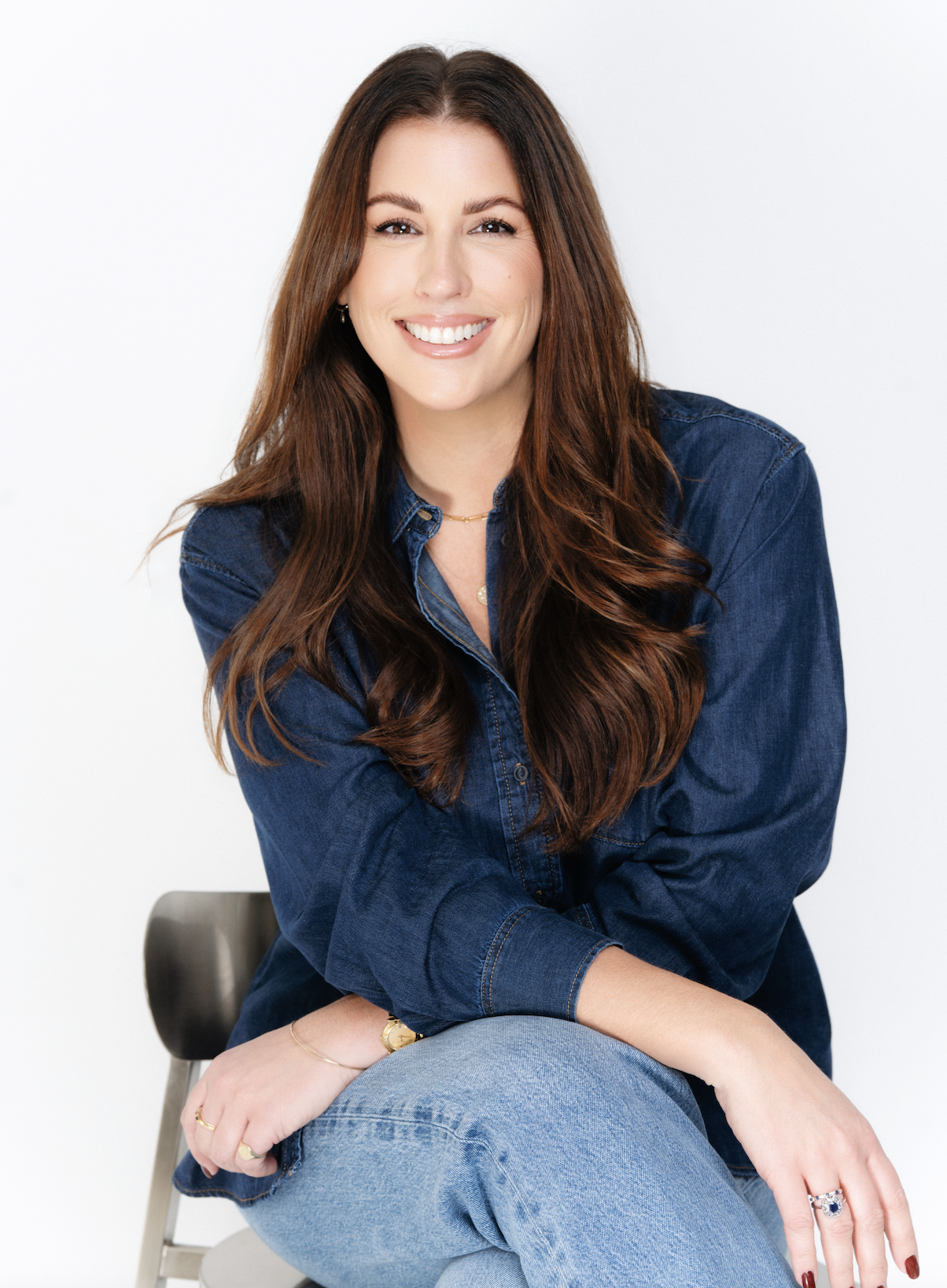
What does it really take to build a career in entertainment—and stay there? Emmy-nominated producer Lindsay Luttrell joins Kara Duffy to share her journey from a small beach town in Florida to becoming an executive producer on major Food Network shows like Guy’s Grocery Games and Tournament of Champions. Lindsay opens up about the leap it took to move to Los Angeles, the realities of working in television, and what it actually means to be a showrunner behind the scenes.
They dive into the power of curiosity, the balance between creativity and execution, and how to prepare yourself to handle high-pressure environments. Lindsay also shares the inspiration behind her podcast Table Five, her love of storytelling, and why creating space for authentic conversations matters.
“I’m proud that I’m making stuff [on TV] that people want to have on in the background, and that brings them joy.”
-
-
359 - Lindsay Luttrell
===
[00:00:00]
Kara Duffy: Welcome to The Powerful Ladies Podcast. I'm Kara Duffy, and today's guest is Lindsay Luttrell. Emmy nominated producer at The Food Network, working on projects such as "Guys Grocery Games" and "Tournament of Champions". She's also the creator and host of Table Five Podcast, bringing your favorite chefs and restaurateurs to talk about life beyond the kitchen.
In this episode, we discuss how to set yourself up for creating great work, surviving and thriving in the entertainment industry in LA, what it actually means to be an executive producer, and why being curious is truly a superpower.
Well, I'd love to begin by you telling everyone who's listening.
Your name, where you are in the world, and how would you describe all the things that you're up to?
Lindsay Luttrell: Oh my gosh. Okay. I am Lindsay Luttrell. I live in Los Angeles in Santa Monica. I'm an [00:01:00] executive producer with a production company that primarily focuses on food network, culinary competition shows. So that's very fun.
And I have a podcast called Table Five, and that is where I interview. Chefs, food enthusiasts and people in the culinary space kind of for like more candid conversations because the work side is, a little more, have to get to the point and very focused on what's at hand that day and the podcast is very much like kickback tell me about yourself. So it's fun.
Kara Duffy: If you go back to 8-year-old, you would, she imagined that you are living in Santa Monica and an executive producer in the food space.
Lindsay Luttrell: There's two answers to this question. For me, I see a lot of people who are like little me would never, and I don't ever really think about little me, to be honest.
Maybe I should. I think it's probably a healthy practice. But if I were to look back, I think 8-year-old me would. 100% [00:02:00] believe that I was living in LA 'cause I've wanted to since that age. And I think she would believe that I was doing stuff in the entertainment space. I don't think she would've had a clue that I'd be in food, tv, that I would have made it to the place I am in my career.
'cause I still don't really believe it and have moments sometimes where I have to like stop and go, oh, you're doing it, you're really doing it. So, yeah, I think part of her would be like, hell yeah, you're in la. It's what we always wanted. And the other part would be like, what are you doing?
Kara Duffy: Where did you grow up?
Lindsay Luttrell: I grew up in Destin, Florida, which is a small little beach town on the Gulf coast right below Alabama. I was born and raised there and people, if they know Dustin, they instantly go born and raised. I didn't know people were from there. So yeah, I'm from this cute little southern beach town.
Kara Duffy: What advantages do you think you had growing up where you had access to being outside and being by the water?
I mean, [00:03:00] I know that both of us live in California now, and I'm still caught off guard when I meet Americans who haven't been to the ocean. Like, it's like that, it's like I expect people to say they don't have a passport, but when they say they haven't been to the ocean, I have a little brain. Like I can feel the blip happen in my brain.
Lindsay Luttrell: Yeah.
Kara Duffy: So what advantages do you think it's given you having a life near the water?
Lindsay Luttrell: Gosh, that's such a great question. I've never actually thought about that. I guess it's like when you grow up somewhere, you just think it's default. You don't really think about it. But I'm so connected to the water.
I think, like I grew up grew up on the water. We had the most beautiful beaches I think I've ever been to still to this day. When I leave to go outta town somewhere and I fly back to la, the first thing I'm doing is taking a walk down to the beach. I just need to see it. It's such a calming presence for me.
I think that the advantage of a small town living, and the beach, it's like we were [00:04:00] outside. I mean, I feel like maybe we're the last generation to have had like the dinner bell ring and you run inside. But I think that that being outside, knowing the water in that way and it being a part of my life.
Like I hear people who are scared of the ocean or big bodies of water and I'm so grateful that's not a phobia of mine 'cause I have plenty. But that's a calming place for me. And even when I go home now, I'm like, when can my dad get me on the boat? When is he taking the boat out? When can I go out there?
I love to sit outside at my parents' house and be on the dock or on their back porch and have my coffee and it's just a calming presence. I think the advantage has just been that it's, I feel one with that sort of, that sort of environment. It's like really my reset spot. I walk down to the beach almost every day.
Kara Duffy: I feel like I'm in such a world where I'm from the northeast and so I need to be like back in New York or back in ba. I need that urban east coast. Moment to like fill up my cup and see my people. Right. And then I'm like, okay, that's enough. I'd like to [00:05:00] go back to where it's sunny and 70 most days, not this
Lindsay Luttrell: week.
Kara Duffy: Yeah.
But
Lindsay Luttrell: Right.
Kara Duffy: But I really I have that duality. And so like where, when you're looking at the parts of your life and how you operate on a daily basis, and that could be professionally or personally, where do you see those dualities for yourself?
Lindsay Luttrell: Yeah. I mean, I feel the same way about going home. I think, is sometimes it can be stressful because you're out of your element, and when I go home, I feel like I go home for a long amount of time. I'm like, I'm going across the country. It's for wedding. But then. The next week is Tucker's baseball game, so I may as well stay. And then right after that Avery's home.
So why not, put it all together and I end up being there for like 1, 2, 3 weeks. I see. So there's definitely times where I'm like, get me out of here. 'cause it's not my space anymore. It's not my bed. It's not, I can't go to my workout class. I have to ask my dad if I can use his office for a Zoom meeting.
There's all the nuances in that way. But I also love it. I love. I can't go to Target [00:06:00] without running into someone who, I've known my whole life and is like, oh my gosh, you're home and like, wants to give me a big hug. It's a good reset. I like to kind of be there and remember that, not like remember that time, like I'm so out of it.
That feeling of this is who, this is what raised me. These are the people who raised me, the place that raised me. I woke up on my 40th birthday on the beach in Destin. And I just put, I was like, I just took a walk on that beach and was like, this is the beach that raised me. And I'm like, here.
And it's just special. And yeah, I mean I experienced that duality a lot. I feel like my twin sister and her family are still in Destin, my brother and his family, my parents. So going there is always a reset and a reconnection and a fill up my cup kind of experience. But I also like the second I hit.
Landing in LA and they're like, welcome to Los Angeles where the weather is, blah, blah blah. And the time is this. I'm like, I'm home.
Kara Duffy: Well, I think that's, there's a great quote that I love from, it's actually Thomas [00:07:00] Jefferson, I would think, wrote to his son who he is sending to Paris to, kind of have his, a broad experience.
And he said, I'm so excited I'm paraphrasing this. I'm so excited for you to have this trip. And to have this adventure. And I also regret to inform you, you will never feel whole again. And I really get that from like your bubble. When you leave your bubble. It's so, I love that I have a favorite restaurant in Germany and in Italy and I have things all over the world and people that have enriched my life in so many ways, but I also really get.
Missing the clarity of having your bubble be small and complete. How? 100%.
Lindsay Luttrell: I've never heard that quote.
Kara Duffy: Well, and again, I That's incredible. Just Google it 'cause I paraphrased it, but it's roughly what he says and
Lindsay Luttrell: Yeah. But it, yeah. The meaning of it is very, I, that, that resonates with [00:08:00] me so much.
Kara Duffy: Because I think it's hard, like the, for the for the person who's left your family. To go on your great adventure and to follow what you know you're supposed to do. I'm sure like me, you have people every day being like, and when are you moving back? Like, when are you coming back? And you're like,
Lindsay Luttrell: all the time.
Kara Duffy: Well, is that really the end destination?
Lindsay Luttrell: It's so funny you say that because we have a big group of like family friends that have all grown up together and we're all over the place. Yeah, I mean, mostly in the southeast, but we're all over the place. And I remember one time being, we were all together and everyone kept coming up to me saying, well, when do you think you're moving home?
And I looked at our, my friend Emily, and I'm like, does anyone ask you that? You live in Atlanta, that's not home. Does anyone ask you when you're moving home? And she's like, no, never. And I'm like, yeah, that's annoying. It's like, Atlanta is acceptable 'cause it's close enough. But I'm like this rando who lives out in California.
I'm like, what? So I, I get that a lot.
Kara Duffy: I wanna [00:09:00] come back to you and your career. A lot of people love food shows obsessed. Like there are people who all day long on the background, just food shows are running nonstop. And I, there's like such a cult following for Yeah. These chefs and the different shows and like, oh no, you can't like that one.
This is the Better Food Competition Show. When you look at the audience that you are building things for, like what do you like, find fascinating about them and love about them.
Lindsay Luttrell: I think about this a lot actually. 'cause in our meetings I'm always like, but what will America think? 'Cause we're so close to it now we can go rogue in our thoughts or think really this way or that way. And then we're like wait, let's bring it back to the people who are watching.
And I think what I love about them is it's a true. Authentic, genuinely excited fan base. I mean, they love these [00:10:00] shows and certainly during, the pandemic and COVID times the amount of people who were like, thank you for still putting stuff on for us to watch. 'cause we were constantly just editing stuff we had in the bank, and I love that.
I think, I love that. It can be someone's background show as much as they're one that they have to sit down with the family and watch on Sunday nights. Cooking does bring a lot of joy. I mean, you just think back to Julia Childs and you're just like, it just makes so much sense.
But you love her. I think. I love that. Love her. I mean, I just, I feel so connected to Julia Childs and I don't even cook, but I just love her too. And I just love that about our audience. They always want. I mean, I get dms all the time on the table five Instagram of, fans wanting to know about what's gonna happen on TOC this year.
Anything new? Do y'all ever do a challenge like this? When can we see this? They're so invested and so excited and I love that. I think that we're constantly trying to make shows for people who. Are truly [00:11:00] invested and love these chefs. Follow their career, see them on the street and like wanna tell them they're rooting for them.
And yeah, I think that's the most important part is that we're making TV for people to have on the background as a comfort and to also, wanna sit down and watch the second it airs when it's new and that's exciting.
Kara Duffy: Well, I'm glad to see that we are moving as a culture. Away from the crime drama and more into the world is crazy enough. Can I please have something that's going to calm my nervous system and not give me nightmares? And to me, that's every, the food world is bad. That's
Lindsay Luttrell: so funny you say that because I'm actually the true crime person.
Kara Duffy: Well, which I get right? Like it's so. It's so easy to get sucked into like, oh, should I just switch Dateline all Sunday afternoon while I'm hiding from the sun? Like, maybe yes. But there's, it's nice to have options where, it is wholesome and fine and [00:12:00] like, it's gonna just be a really neat package of nothing bad is gonna happen except maybe some anxiety about a countdown clock.
Lindsay Luttrell: Right. 100%. Yeah, it is feel good. It's feel good, it's rushed and you're rooting for someone, but it's feel good.
Kara Duffy: I am gonna pivot a little bit because I think it's really important to just explain like what it means to be an executive producer. We hear this word or like term all the time in America because people are executive producers.
It's something fancy and powerful, but if you ask someone on the street to describe what your day actually looks like, I don't think most people would know LA might, but the rest of the country know. So how would you explain what your job is on a day-to-day basis?
Lindsay Luttrell: Yeah, that's a great question. 'cause I actually come up against this a lot and I think I think when people hear executive producer, they assume that I am, some millionaire who's walking red carpets and I'm like, so that's not totally true. So. There's different types of executive producers, of [00:13:00] course.
You could be the person who's funding the project. You could be, a, an actor, actress in the film who is just getting creative control. Like, there's just different things. But for me, I'm an executive producer and a showrunner, so I am kind of. Running the show. I mean, it's kind of as it sounds so different going over creative casting the liaison between all the different teams on set.
We have all these different crews, whether it be lighting, electric, culinary for us, we have a culinary team. There's so many different groups. And then there's the executive producers and the producing team. And I also am at the helm of the producers who are.
Getting the story. So I have a team of producers who go into interview with these chefs and so we discuss all of those things. So it's very much the creative process on my end of things and kind of also the boring stuff, like signing off on different things and helping come up with a schedule and like helping legal come up with series rules.
But for us it's fun because it's a bunch of the creative. Like I just get [00:14:00] to go through and think of the fun challenges and how this is gonna go and how that's gonna play.
Kara Duffy: To me, it's the most entrepreneurial role in a lot of the entertainment space. And my background is in footwear, apparel, fashion, streetwear.
But I was always what they call like a product merchandiser or like I was like you, but in that space where it's like, okay, what are we gonna do? Is it on budget? How many SKUs can we have? How are we gonna go to market? Working with all the teams, right? So. I think it's a unique brain that is able to be equally analytical and creative who can have big visions, but also actually get the to-do list done at the same time.
Yeah,
Lindsay Luttrell: absolutely.
Kara Duffy: And I think it really, it's very transformable skills. Like you can easily, if you're executive producer, you could be like, okay, I'm gonna go work in a completely different industry. But I know how to work with people, get things done, think big, and also go down to the nitty gritty detail to make sure nothing [00:15:00] is missed.
Yes. And that's just I think how, like, I, this might be how our brains work, but I can't imagine functioning differently. And I'm sure you've been like a translator between maybe legal or corporate folks and the artists and the chefs and the creatives.
Lindsay Luttrell: Yeah,
Kara Duffy: and you start to see like, oh my gosh, like you guys really speak a completely different language.
Lindsay Luttrell: Yeah.
Kara Duffy: You know how when you're looking at the challenge that you're facing in that space, is it often fighting for budget to get a project done, or is it keeping the wheels on the bus so that it can actually go to market?
Lindsay Luttrell: Yeah, I think there's a lot of people who are fighting the budget. That's not me. Mine's more keeping the wheels.
Yeah. It's like we gotta keep this thing moving. And a lot of times you're waiting to actually find out if the budget is approved, but you're, your timeline is so short that you're well, we gotta keep moving. And I think that's where I come into play or I'm, team up with [00:16:00] a, I have a bunch of co-ops that we work with all the time and that's our job is keep Yeah.
Keep the wheels moving, keep things moving forward, always thinking seven steps ahead. I mean, that's the biggest thing is anticipating what could come or, depending on who the host is of the show, or who the network ex executives or who you're dealing with, I guess, on a regular basis to know their wants and needs and how they want things to go and be anticipating how you're gonna, meet that or check that off the list. So that's kind of always thinking a couple steps ahead is really where I'm at.
Kara Duffy: When you're good at what you do as you are, it looks like you have a magic wand that you pull out to like fix things because like what's maybe the most ridiculous request you think you've gotten to fix or solve?
Lindsay Luttrell: Oh my gosh. Wow. I'm like, I know there are some, and I'm just like, let me think. Oh my word. I mean, it's funny because we, [00:17:00] I always say this like the more we solve the problem, the more the crazy requests are gonna come in.
Kara Duffy: Yes.
Lindsay Luttrell: So, of course, I can't think of a certain issue right now, but there have been so many times.
I mean, we work on a show called Guys Grocery Games. So the whole point of it is that it's funny and there's games and in the morning when we meet with Guy, if he has a fun, crazy idea, it's like, okay, by lunch we gotta have that figured out.
But it's, it is just kind of the crazy, the request, it doesn't matter that it's crazy or that it feels daunting or hard, like we're most likely gonna figure it out. And then that's why we keep getting asked the crazy request.
Kara Duffy: Well, and being someone who has been in that area where, the crazy requests are gonna come up.
Someone's gonna ask you to pull a rabbit outta your hat. To me, that's why I end up leaning in so much more on how do we have everything else we can control, like done and ready.
Lindsay Luttrell: Yes.
Kara Duffy: Because we can't wait till the end. We can't live in [00:18:00] this like, oh, we'll figure it out when we get there.
You're like no. We're gonna have to figure out a thousand things when we get there. How do we have the other 1000 done?
Lindsay Luttrell: 100%. I feel like I'm the same way. I'm like, what can not throw me off?
Kara Duffy: Yeah.
Lindsay Luttrell: Like, what do I know I can have done? So that's not on the list and it's not gonna throw me off because there's going to be so many other things that get thrown at us.
So I feel exactly the same way.
Kara Duffy: So how are you preparing yourself? Like, 'cause I think like feeling confident and like knowing like you are handled is like one of the things to like have done in advance, I think. So what are things you're doing from rituals or self-care? Or are you wearing the same like, like, I'm always wearing black every day, I'm going on set.
Like, are there things like that you do to just make your life easier so you can go, I'm handled and ready so I can handle everything else?
Lindsay Luttrell: Yeah, so for the long time I wasn't. I wasn't doing that, and I think I realized, pretty quickly into, moving up and realizing there was more responsibility [00:19:00] for me.
I was oh I'm not preparing myself correctly. And especially 'cause a lot of the shows we travel and so we're in a hotel, so you're already a little off kilter. I think what I do and I've started doing this more so, and once I got to this certain place in my career, but.
It does not matter what time I have to be somewhere. I have to give myself a proper, like at least 30 minutes where I'm not rushed. So like even if I have to be on set at 7:00 AM and I have to get there from Santa Monica to Burbank, which if you don't know, that's a far away it is like I still have to give myself that time so that I can, I don't meditate, but it's almost like, be quiet.
And like, think about it, I have to make my coffee the same way every morning. I'm a freak about my ice latte. And if it's not right, it will ruin my day. Like my mom jokes that I'm always like, I need a proper latte and only I know how to make it right. So I do things like that. I mean, that's like my self-care is like having my [00:20:00] latte, having time to take just like my hot shower in the morning, and like funny about the true crime, I will listen to true crime. That's my thing. So most of the time getting ready I have a True Crime podcast on, I mean, just last night while I was cooking dinner, I was listening to a Dateline episode because I had no new episodes in the queue for any of my, series that I listened to.
I'm like, I'll throw on Dateline. Which is weird that it calms me down and I don't know why. But yeah, I do things like you're saying to make sure I'm coming in without feeling any sort of flustered or chaotic behavior because set is chaotic. I mean, just, there's just no way around it. On the best of days, with everything running smoothly, it's still chaotic and chaotic.
Energy can like, that can weigh on people. And when I was, this is so random and kind of off topic, but I've really bad claustrophobia. And when I first moved across the country and was having to fly home a lot, flying really fed into that in a weird way where I just started feeling very trapped.
Yeah. And I went to a therapist and. I remember he [00:21:00] said he, he was like, for you to feel less anxious, you have to put practices in place that just help you not go into the day anxious. Flying is already, you're already a little anxious whether you have claustrophobia or not. And so he was like, if that means not checking a bag, then you need to learn how to pack in a carry-on.
If that means getting to the airport two hours early. Great. If it means actually showing up with just enough time so that you can roll in and not think about it, great. But you have to decide what those are. And I kind of look at that with everything now. Like I have to control how I'm gonna go into something and how I'm gonna present my best self.
And if that requires this of me in the morning, great. And if it requires this, great,
Kara Duffy: I've had similar experiences, right where I'm currently taking on. I really felt the need this year to do things slowly, and I don't like the word slow. I have. It's just, I know I don't like it, so I'm like, I need something different because I'm gonna be irritated every time I'm telling myself to go slow.
And then I stumbled [00:22:00] upon the Italian phrase "la calma" and that I can embrace because it's the idea that we're gonna take our time making our coffee, we're going to
Lindsay Luttrell: yes,
Kara Duffy: take our time doing our skincare. We're gonna take our time, preparing for the day or wrapping up like, 'cause I will find myself going on a walk and I'm one block down the street and I'm like, why am I sweaty? I'm like, I don't, this is a walk. We're not going on a run it. Like we don't need to be like, like all this jammed up energy. I'm like, no, we can enjoy this and be calm. Yes. And so I'm trying to bring that, how do we do things calmly to everything.
Lindsay Luttrell: I love that.
Kara Duffy: Otherwise I'll be running at 1000% speed and then stop to have lunch and be like, why am I having a panic attack? And I'm like, oh, I don't know,
Lindsay Luttrell: because you've been 90 to nothing all day. Oh, that makes so much. I we are the same. I'm realizing Kara, we are the same. I'm the same way. And when you said slowly and you [00:23:00] hate that word, I do too.
If I instantly think lazy and lazy is like a major thing for me. But I was gonna say, I think intentional is like another good word for that. 'cause you're like, I mean, I like your Italian version better, but I have been trying to do the same thing where I'm like, just be a little more intentional.
Because then you, if you're, the intention is to be intentional, you have to kind of stop and relish in it a little bit, or at least take it slower or, live in it a little bit longer. And so I love that. So what is it, la calma?
Kara Duffy: La calma Yeah. It's calm with an A at the end and the la at the beginning.
'cause it's so yeah. la calma
Lindsay Luttrell: so chic. Yeah. Yeah. I love that. I'm gonna remember that.
Kara Duffy: Yeah. You also have made the, brave and bold step with all your free time to launch your own podcast.
Lindsay Luttrell: Yes.
Kara Duffy: What made you decide to jump in and how are you finding the time to do it?.
Lindsay Luttrell: Great question. And you've done the same.
I think it was something I just couldn't stop thinking about. [00:24:00] I had always wanted to do some version of, when I was a kid I was gonna be Julia Roberts and that's why 8-year-old me would not be surprised I'm here because 8-year-old me was like, you're a star adult. Me never. Tried to even be an act like that just wasn't something I actually wanted to do.
But I love, I, I was taking classes in on air hosting and I love that idea of like interviewing. And I think the more I got into interviewing on set. The more I was like, oh wait, I really do love this. Even though I'm having to ask a certain set of questions that are like, tell me how you're battering your fish.
Yeah. Why is this crispy? Like all that
I still loved it. I like, I think I'm a natural conversationalist and it took me a long time to like say something positive about myself. Where you can actually own your your skillset that's valuable to you.
But I do think I'm a natural conversationalist, but I'm also very curious. Every first data I ever went on, I would always leave and be like, oh my gosh, did I just interview [00:25:00] that guy the whole time? Because I just am inquisitive like that. And I shared with a friend who we work together and I said, I've always wanted to do some sort of like interview thing. And now that I'm in the food space, I think about Dak Shepherd's podcast, armchair Expert, which I'm a big fan of. And I think Me too, what drew me to his podcast was his kind of candid, conversational way of talking to people. And Matthew McConaughey could be on there to promote his book, but you're not even talking about the book till the very end.
It's just like, what are we talking about? Mine's a little more structured than that, but I kind of looked at that as my North Star and she was very encouraging in telling me to do it. And so were several other friends I'd shared that with. And then finally I was like, yeah, why am I not doing this?
I'm just gonna do it. And it took all the courage to ask Antonio Lofaso to be my first guest. And she was like, really? Yeah, of course. Why are you freaking out? And I'm like, oh, yeah, why did I wait so long to ask? But I had to be ready. And I think it, I just love it so much. I mean, I always [00:26:00] say it's a labor of love as I don't know that I always make the best time for it. Sometimes I've been inconsistent and it just like pains me. But when you're on set and your life is literally seven to 10:00 PM making this show and then hour long, commute home and wake up, rinse and repeat, you're just like, I don't have the energy to even think about listening to this episode through, to edit it, to put it out, to promote it.
Like I can't. And I, that beat, I beat myself up about it and I feel like such a failure, I'm like. The people who actually like it, they're gonna be so sad. But I've gotten better about, just letting my, like, kind of letting it be what it is. And I'm so grateful for the people who listen and the audience that Table Five has.
And I find the time when I can and when I have like off times, I'm like recording as much as I can to have as many in the bank as possible. And I think I'm getting better at navigating work and balancing it with the podcast. But, yeah, I just had to start it and I was so glad I did and I had the support of so many people, and it just has been very fun and [00:27:00] exciting and I learn something new all the time.
Kara Duffy: I mean, it's, this podcast is one of my favorite things that I do. When I'm working with clients, I'm often asking them like, what is your fastest mode of communication? Is it writing? Is it speaking? Is it preparing like a whole presentation? Whatever that is, make sure your life is mostly that. Yeah, that's
Lindsay Luttrell: great.
And
Kara Duffy: for me, it's just talking like, I would rather talk and listen all day and get all these things done. If you ask me to write something down, I'm like, Ugh, no. Same, I, I can, and I'm actually like, I am a good writer. But the idea of having to slow down enough to write it versus like, can't we just talk about it?
Can you just. Turn what I'm saying into a script. That'd be great. Thank you.
Lindsay Luttrell: Yeah, exactly. All my friends send me that meme. I mean, I get it at least once a week of listening to my friend's audio message like a podcast, because [00:28:00] I'm like, I don't even wanna text. I hate texting, I hate typing. I'm like, Hey. So anyway, and I'm like sending audio messages all day long.
Now if I don't, people are like, are you okay? Where are you? Why aren't you sending this an audio message? So I'm the same. Speaking, is my form, my easiest form?
Kara Duffy: And to go back to your comment about dating, like I also have to like really pace myself with the questions, but I have had so many instances where I am just like, again, befuddled at how do you not have questions,
Lindsay Luttrell: right.
Kara Duffy: Like to whomever I'm on the date with. I'm like, that's it. You've asked all the questions you might want to ask me.
Lindsay Luttrell: Yeah. Are we done here?
Kara Duffy: Okay. Really, like I could talk to anyone and not have, and not run outta questions.
Lindsay Luttrell: Yeah.
Kara Duffy: So
Lindsay Luttrell: yeah, it
Kara Duffy: is quite,
Lindsay Luttrell: yeah,
Kara Duffy: The curiosity, the interest, the, finding the thing that makes them interesting or what [00:29:00] the other connection opportunity is.
Yeah, I feel like there's a, an opportunity for men in the LA area too. Preparing questions perhaps, and also know how to Yeah, you're
Lindsay Luttrell: like, ask a friend if you don't have 'em on your own. Ask a girlfriend what they wanna be asked. Yes,
Kara Duffy: yes. That. And maybe learn how to hang a shelf. Because I'm also shocked at how many of you I, this is very traditional of me, but I really don't wanna be dating someone that I have more carpentry and skills.
Yeah. Handy skills. Skills. Then I really would like to delegate that. I'd like to delegate that. Any landscaping things and car things. And so,
Lindsay Luttrell: step it up people.
Kara Duffy: It's really amazing.
Lindsay Luttrell: Yeah, my dad is like that quintessential, like southern man who can do it all and he's a woodworker and he was a financial advice.
I mean, like, he just did it all. And I didn't realize that just wasn't how all men were. So that has been an interesting. Learning [00:30:00] curve to be like, oh, you don't all know how to just make things with your hands. Okay. So yeah, the handy skills, I understand that I have my own little toolbox and I'm like, I'd rather someone else be using it.
Kara Duffy: Yeah. Yes. No I had to totally, this is such an adulting thing. I had to have someone come and like clean my dryer out.
Lindsay Luttrell: Oh, wow. Yeah. That is.
Kara Duffy: So adulting also, my mother's been on my case about it for like three years now. So I finally did it and made it feel like I was scammed because it took 20 minutes and cost way too much.
But I tried for so long to be like, I think I can just YouTube this and do it myself.
Lindsay Luttrell: Yeah.
Kara Duffy: And then it came to like having to take the entire like exterior part of the dry off and disconnect the gas. And I was like, no,
Lindsay Luttrell: no, don't trust myself.
Kara Duffy: No, exactly.
Lindsay Luttrell: Sometimes you gotta throw money at a problem, so I understand that.
Kara Duffy: Yes. For someone who's listening who would love to get into TV work, would love to work on a food based show. Like [00:31:00] is this something you just call people up and you're like, yes, there's job opportunities all the time. I wanna work for the Food Network. Thank you. Like, how do you get into this? How do you start building, your proximity of power in this space?
Lindsay Luttrell: Gosh. It's funny, I there's no one way that anyone does anything in the entertainment industry. Certainly not the same entrance into the entertainment industry. I never thought I would be here working for Food Network, but I came through it through casting.
I was like casting one of the shows and then, here we are. But I think it's, for our company we're always looking for entry level people because. S we like to move people up, so, we want someone to come in as a PA and then be an AP and then be a producer. And so I think it's if you can come in, and this is gonna sound so old school of me, but I mean, I really mean it.
I think that we're, you're always looking for people who are passionate about what they're doing and are actually gonna do it. It's not just like, this sounds fun.
Kara Duffy: Yeah,
Lindsay Luttrell: so here we go. So I think, if they're in the space and they wanna [00:32:00] do it, like get their resume to the right people, and then it's just prove yourself.
I mean, I think in entertainment, I mean, I remember the first thing I learned was like, you're only as good as your last job because we're a lot of times we're freelance and it's certainly my company is. And so it's like if you're not putting your best foot forward every time and not actively trying to do the person's job that's above you, then you're not really on the right trajectory, I think it's, I get a lot of like word of mouth. I have people call and say, Hey, my cousin's moving to la can you talk to them? And of course I'm always willing to do that. I'm a member of like our alumni association from the University of Alabama and I get those emails a lot.
Someone's coming from the communications school or the film school and they wanna do this. And I try and be as accommodating as possible in that because I had someone do that for me. And I didn't know soul when I moved out here, which was sometimes I'm like, I can't believe I did that. But I had a very nice.
Man that my aunt knew who was a producer and he was like, yeah, I can give you an internship. It's for free. I'm like, I'll take it. And then I just kept making sure those people would call me back. [00:33:00] So I think it's getting your foot in the door, however that may be, whatever your connections are, using your network and then just, you gotta hustle and prove yourself that you know what you're doing and that you wanna be there.
I think wanting to be there is probably the biggest thing I'm trying to say.
Kara Duffy: Yeah. And I think that there is. There's lots of conversations about how different generations are showing up to work and work expectations, and there's some good parts about things that younger generations aren't tolerating anymore.
And I also think that there's a little bit of the correlating compensation with effort that sometimes is getting missed in the conversation. And I don't know if it's tied to there being a gap because of the 2008 crisis and then COVID of like, who has any corporate experience, right? Like a lot of people have been freelance and then remote, and you haven't been in an, in a room with enough people to be like, oh, like you're not, it's not being modeled for [00:34:00] you in the same way.
Yeah. So I've had to, I've gotten called in by some clients to say like, I don't know what the breakdown is, but there's this gap of. What it means to show up and perform and like be providing extraordinary supports. Are you seeing that gap in your space or is it just there's, is there so much more pressure that there isn't room for that gap to exist?
Lindsay Luttrell: Oh no. That gap very much exists, I think, it is definitely a generational thing and I certainly am not dogging that generation. I think so much of the younger generation prioritizing themselves in a different way than I ever thought was possible when I was that age and coming up and assistant level and all of those things.
I think it's harder to live in this world than it used to be. It's harder to afford to live in these cities than it used to be. And the work is here. I know someone who, had to leave LA and is still trying to do our job remotely, but it was like, I can't live there [00:35:00] anymore. And so I do understand that.
So I understand kind of coming, you think you're doing this job and you don't understand why you're not getting paid enough to do it and to live there. Yeah, but I also think there's a different work ethic and I think there is a difference in like the hustle that I think my generation had, which was like, prove yourself, prove yourself, prove yourself, and like keep being the best. And like, don't let anyone, don't let anything slip through the cracks. And I don't know that I see that with. A little bit of the younger generation and I do wonder if that's more because they are prioritizing their mental health in a way that we never did.
They are prioritizing a little bit of their piece like we never did. So I don't even know if I'm like, is it good or bad? It's just I do notice the gap.
Kara Duffy: I also notice, I think there, there's for myself, I am a class example of that, millennial expectation of, we're gonna have a bigger, better life than what our parents had.
And
Lindsay Luttrell: yeah,
Kara Duffy: for the most part I have, but it's also been a really interesting experience where I pretty quickly went to a [00:36:00] certain economic tier and then i've been in, it's a pretty big, all the tier are pretty big bands, but then the rules for the tier have shifted in my lifetime. Yeah. And so it's been really interesting to see, I think myself and peers be like, well, I thought we were maybe upper middle class, but I don't know if I am anymore because what's happened.
Yeah. And this is coming from people who have degrees, have executive level positions, own businesses, maybe own multiple have, built a lifestyle of like, oh, I can go to restaurants, I can travel, and whether you own a home or not. Like, it kind of was more of like, if you cared about it, it was a priority.
Yeah. And all of a sudden you're like, wait, can I do all the things that I even did five years ago?
Lindsay Luttrell: Yeah.
Kara Duffy: And it's a really strange financial environment to be in right now. Because. Like, what's the next, you're supposed to get promoted to what? Like owning all the [00:37:00] things.
Lindsay Luttrell: Yeah.
Kara Duffy: To make,
Lindsay Luttrell: I go from this to like multimillionaire how,
Kara Duffy: yeah.
Lindsay Luttrell: Yeah.
Kara Duffy: Yeah. And so I do think that there's an, it's an interesting space of like, yes, you need to work hard because look at what we've done and it works. And it's not so much that it works from the financial perspective, but I know that the only way to make incredible things happen is that work ethic.
Lindsay Luttrell: Yeah,
Kara Duffy: is the attention to detail is the being able to pull that magic wand out. Like, I wanna be making extraordinary things.
Lindsay Luttrell: Right.
Kara Duffy: And it's sometimes looking at people and being like, I don't think you care about making extraordinary things. Like how would you show up this way if you did? Yeah. And I think that for me is the gap because I do com I fully respect.
That we all need to have more boundaries and we all need to be prioritizing ourselves outside of being someone who produces things.
Lindsay Luttrell: Yeah.
Kara Duffy: And it's really cool to make cool shit. Yeah. It's [00:38:00] really fun to make things and get acknowledged for it and make things happen that people didn't believe could be possible.
Lindsay Luttrell: Right.
Kara Duffy: But we can't do it by showing up 50%.
Lindsay Luttrell: Right. And Yeah, I think, yeah, I think there is what you're saying. It's like I, you have to take pride in it. If you're not taking pride in it, then you can't show up more than 50%. You're just not going to, so if you think it's cool to be making this, and at the end of it you wanna tell people that you are a part of it, then you kind of gotta be a part of it while we're making it.
You wanna make your stamp from, I mean, especially in production, everyone in those crews, I mean, they're, we have huge crews and every single person. Has a role and that role needs to be there, or it doesn't work. So there's no greater effort. It's like, not, like if we don't have PAs, then the set doesn't run properly.
Kara Duffy: Yeah.
Lindsay Luttrell: And if we don't have the showrunner, then all these people don't know. It's like everyone has a spot and no one is greater than the other. And I think if everyone shows up, taking pride in their piece of the puzzle , it [00:39:00] shows.
Kara Duffy: You can't be an executive producer and not be intrapreneurial like you have to be acting like you own it a hundred percent in all those roles. Even the PA does. Right. So,
Lindsay Luttrell: yeah,
Kara Duffy: and I think that's also a piece of it too that I don't know where that part has missed in some education and some passing down the mythology of what it means to make things.
'cause there is, there's an element of like, no one else is gonna do it if we don't. Right. And so it's like, okay, like who's gonna do it? It's like we are,
Lindsay Luttrell: yeah, that's us. Yeah.
Kara Duffy: Like there, there's not like a secret team that we Yeah. Don't talk to. Or there's not, there's no person that come in the middle of the night and like,
Lindsay Luttrell: yeah,
Kara Duffy: clean it up if set, set it up if only Uhhuh.
What are you most proud of when you look at your. Career and where you're at today? Like what, what brings you the most pride for yourself?
Lindsay Luttrell: Oh my gosh. I think if I [00:40:00] actually, I mean, I just had this conversation with my dad actually just not too long ago where I'm like, I think what I'm most proud of, and I will always be most proud of is the move to LA as a whole.
Kara Duffy: Yeah.
Lindsay Luttrell: It's, I wouldn't have this career if I didn't make that leap. And I was young and I was leaving my twin sister, my comfort zone, my family. Every friend I had ever made, like the idea of moving across the country felt like I may as well be going to a different country. I think that was like a really pivotal moment in my life that had to teach me kind of, I had to learn how I wanted to represent myself in the world.
'cause no one knew me, where everywhere else I was. I was a twin sister. I was Jim and Susan's daughter. I, you always had these markers of who you were. And I think that's probably something I'm most proud of is the move. And it catapulted me into a whole nother universe.
It felt like, just the growth that I experienced was insane and. I'll always treasure that time in my life, even the difficult parts of moving here and being like, what I'm, I have to make money and I don't [00:41:00] know anyone. How's that gonna happen? But I think today what I'm most proud of is, joining a company and I moved up through that company.
I'm now at a showrunner executive level, and, i, when I see my name on in the credit still on shows, I'm just like, what? There's like a little bit of that little 8-year-old in me that's like, oh my gosh. I am proud of that. I'm proud that I'm making stuff that I believe in. I'm proud that it shows that people wanna have on in the background.
I'm proud that it's wholesome and cool and like exciting and showcasing the talent of these incredible humans. Yeah. And then the podcast, I mean, I just, I know that's a lot for What are you most proud of? And I just named three things, but I think the, yeah, starting the podcast was like, a big leap of faith.
So
Kara Duffy: I may argue that only three things is not enough for your list.
Lindsay Luttrell: Yeah.
Kara Duffy: it's, moving to California is hard. Of all the places I've lived, it's been the hardest place to like, find [00:42:00] the, your footing, find your people. Like make it, yeah. It's, I think so many people who have moved to the LA area are proud of it because you really have to, you earn stripes if you've stayed.
Lindsay Luttrell: Yeah.
Kara Duffy: And if you've stayed and being able to have the, have a career and have a career that you actually want, like talk about getting those like game tokens, you're like, wow. Yeah. Like,
Lindsay Luttrell: yeah,
Kara Duffy: this is, I've worked hard and this is like also a little bit of a miracle, like Wow.
Lindsay Luttrell: Yeah. I have a good friend who bless her because every now and then she has this conversation with me and I'm like, thank you for like saying this, but we'll just be on the phone.
Like, she's one of my, I met her out here. She's been one of my best friends ever since, and she'll just be like, I can't believe you're still there. And you're still there not struggling.
Like she's like, I had to leave. 'cause I was just like, I can't do this anymore. What's happening?
Like what is this life? This is not for me. And she's like, and you're still there. That's so cool. And I'm like, thank you for saying that. Because she gets it [00:43:00] like anyone else is like, whatever, you can move whenever you want. But I'm like no. She understands what it takes to live in Los Angeles.
And how hard that is and what it means to still be here. And she understood that it was a dream of mine and I'm living a dream of mine. And that is special. So I always get very excited when she'll, every now and then be like, whoa, how cool? And I'm like, yeah. Thanks girl.
Kara Duffy: That's a great segue into how do you define a powerful lady?
Or define just powerful ladies as a term.
Lindsay Luttrell: Oh gosh. I think being a powerful lady means like knowing who you are. Yeah. And trusting. That enough that even when you are evolving, allowing yourself to change and to, want different things and to, not feel boxed in by something you've already done and created or what other people think.
Yeah. I think being a powerful lady is kind of less about knowing or having all the answers, I guess. And more [00:44:00] about how you show up for people. Like are you someone that people can rely on? Are you creating experiences where people feel seen? At least for me and staying curious, I think being powerful is being curious and I don't know.
I've built my career around storytelling and being curious and, I think there's a real power in that, like making people feel something and bringing them into a moment that they'll remember.
Kara Duffy: Well, I think what's also really incredible about the food in entertainment space is that it didn't exist that long ago,
Lindsay Luttrell: right?
Kara Duffy: It's a whole new world of thought leaders and celebrities and like chefs were not famous. Before?
Lindsay Luttrell: No, very few. Yeah,
Kara Duffy: very few. And it's also a category that brings so many different people together because we all eat and,
Lindsay Luttrell: right.
Kara Duffy: There's so much history and storytelling and [00:45:00] there's so much emotion tied to the food space as well that whether you are a fan or you're a chef, that whole spectrum is part of the human experience.
And, yeah, like I just, I imagine that it's a area of the entertainment world that has maybe less of the BS parts of the entertainment world because it's newer, because it's more diverse, because it has, again, it's just different. Like, it was only a clean slate to build from. Yeah. Versus sitcoms or other parts of the NA Hollywood space.
Lindsay Luttrell: Yeah. Yeah, absolutely.
Kara Duffy: Are there any chefs that you have discovered or met yourself that you're just like, wow, they are incredible humans?
Lindsay Luttrell: Oh my gosh, yes. I mean, so many. I recently got to work with chef Jonathan Waxman, who is an icon and, I just love him and that was just so cool. I mean, Antonio a Faso is someone that I just adore on levels I can't even [00:46:00] explain.
I mean, really all of them. I'm like, if I don't say them all, I would be Remi. You know? I'm like, they're just, they're incredible. I just, I feel very lucky to be in a space where they have become, coworkers in a way, and friends. And I've had a lot of them on the podcast and they're always so complimentary.
I, I joke with, there's a chef, his name's Kevin Lee out of Oklahoma City and he, I discovered him like casting a show. And then he got came on that show. He did, well, he won, then he came on again and he won. And then we got him on another show and he won. And then he won that show twice.
And then now he's on Tournament of Champions. And then I was just at the South Beach Food and Wine Festival and I saw him at his booth and he like gave me his merch, like I have his sticker on my phone and like, what? We were laughing and I was like. Don't forget where you came from. Like kidding around.
I'm like, I should get a percentage. Like I discovered you, like giving him a hard time. But it's just so insane. Like we know the celebrity chef world, but we have shows where we call in just. Chefs that don't have that platform yet, but they have incredible restaurants [00:47:00] and skills and, they, they wanna put them to the test in shows as well.
And then you're just like, the untapped talent out there in the culinary space is just insane. So, I mean, all of them, like, I'm a huge fan of Michael Voltaggio. I just, Manique Shohan is like salt of the earth. I mean, just every single one of 'em is, it's an honor to, to get to know them and be in that space.
Kara Duffy: Being someone who was a huge fan of Anthony Bourdain show. I do feel like I haven't found that replacement show yet. Yeah. Are there any that you recommend, do you feel like it is still a gap because it was part like anthropological and cultural and food. I'm missing that show, so,
Lindsay Luttrell: yeah.
Kara Duffy: Do you have a good replacement suggestion?
Lindsay Luttrell: Yeah. I don't know if it's a full replacement because, well, a how could you, you know? yeah. But I think that Phil Rosenthal does a good job of kind of getting out there with somebody feed Phil and kind of immersing himself in wherever he is, the culture the food scene, and like wanting to [00:48:00] tap into those areas and.
I think he does a good job. I like his show a lot. But it, it is a different, it's a different vibe, but he is doing the traveling and the experience focused type of show, which I do enjoy.
Kara Duffy: Amazing. Yeah. Well, I am so thankful that you were a Yes to me and to the powerful ladies. Oh my gosh.
Glad, me too. Glad that Carlene connected us. Yeah. And I just wanna acknowledge you for being curious and sticking with it and making incredible things happen. And for crying out loud, like being an Emmy nominated producer is like such a big deal. Thank you. So thank you for doing your part to kick some butt, make things happen, and give us something that brings us joy.
So thank you.
Lindsay Luttrell: Oh my gosh, thank you. It's an honor to be included on this podcast. I think that what you're doing is incredible and I love listening to the episodes and hearing everyone's powerful lady journeys.
Kara Duffy: For everybody who wants to follow support, you listen to your podcast, where can they do all of those things?
Lindsay Luttrell: So my podcast [00:49:00] is. On almost every platform, so wherever you listen. And I have an Instagram for that called at Table five Pod and soon to be website will just be my name, lindsay luttrell.com. So it's in the works and very exciting. And then my Instagram is at lulu luttrel. And, that's kind of my more, I'm posting food and just everyday life stuff.
And then the podcast has all my guests and fun clips from those episodes. And yeah, so they can follow me on either one of those platforms.
Kara Duffy: And then my last question for today is, how can we help you? What do you need? Big, small, personal, professionally, what's on your to-do list or to manifest list?
Lindsay Luttrell: Oh wow. That's so sweet. I guess I'll. I'll dream big here. I would say any, opportunity for the podcast to reach new audiences, collaborate with, new chefs, new voices just continue to open doors that let me explore even bigger projects and storytelling. That would be my.
Top of [00:50:00] my manifest list for table five.
Kara Duffy: I love it. Well, again, thank you so much for your time today and hopefully I'll get to meet you in real life in LA sometime soon. Yes. And maybe dinner with Carlene or something.
Lindsay Luttrell: Yes, I would love that. That would be so fun. Thank you so much for having me. This was awesome.
Kara Duffy: Thanks for listening to The Powerful Ladies Podcast. If you enjoyed this conversation, please subscribe. Leave us a review or share it with a friend. Head to the powerful ladies.com. We can find all the links to connect with today's guest show notes, discover like episodes, enjoy bonus content and more.
We'll be back next week with a brand new episode and new amazing guest. Make sure you're following us on Instagram or substack at powerful ladies to get the first preview of next week's episode. You can find me and all my socials@karaduffy.com. Until then, I hope you're taking on being powerful in your life.
Go be awesome and up to something you [00:51:00] love.
Related Episodes
Episode 96: How to Be Confident and Create the Life You Want | Tawny Newsome | Actor, Musician, Podcaster
Episode 280: What If Food Could Heal Everything? | Whitney Aronoff | Chef & Starseed Kitchen Founder
Episode 63: How to Be a Boss in Hollywood | Melisa D. Monts | Producer, Director & Screenwriter
SUPPORT OUR GUEST:
INSTA: @lululuttrell
INSTA: @table5pod
Created and hosted by Kara Duffy
Audio Engineering & Editing by Jordan Duffy
Production by Jordan Duffy
Graphic design by Jordan Duffy
Music by Joakim Karud