Episode 360: Turning Trauma into Power, Purpose & Profit | LeiLani Quiray | Founder of Be The Change HR, Wild Free and Me, & Trauma-Informed Coach
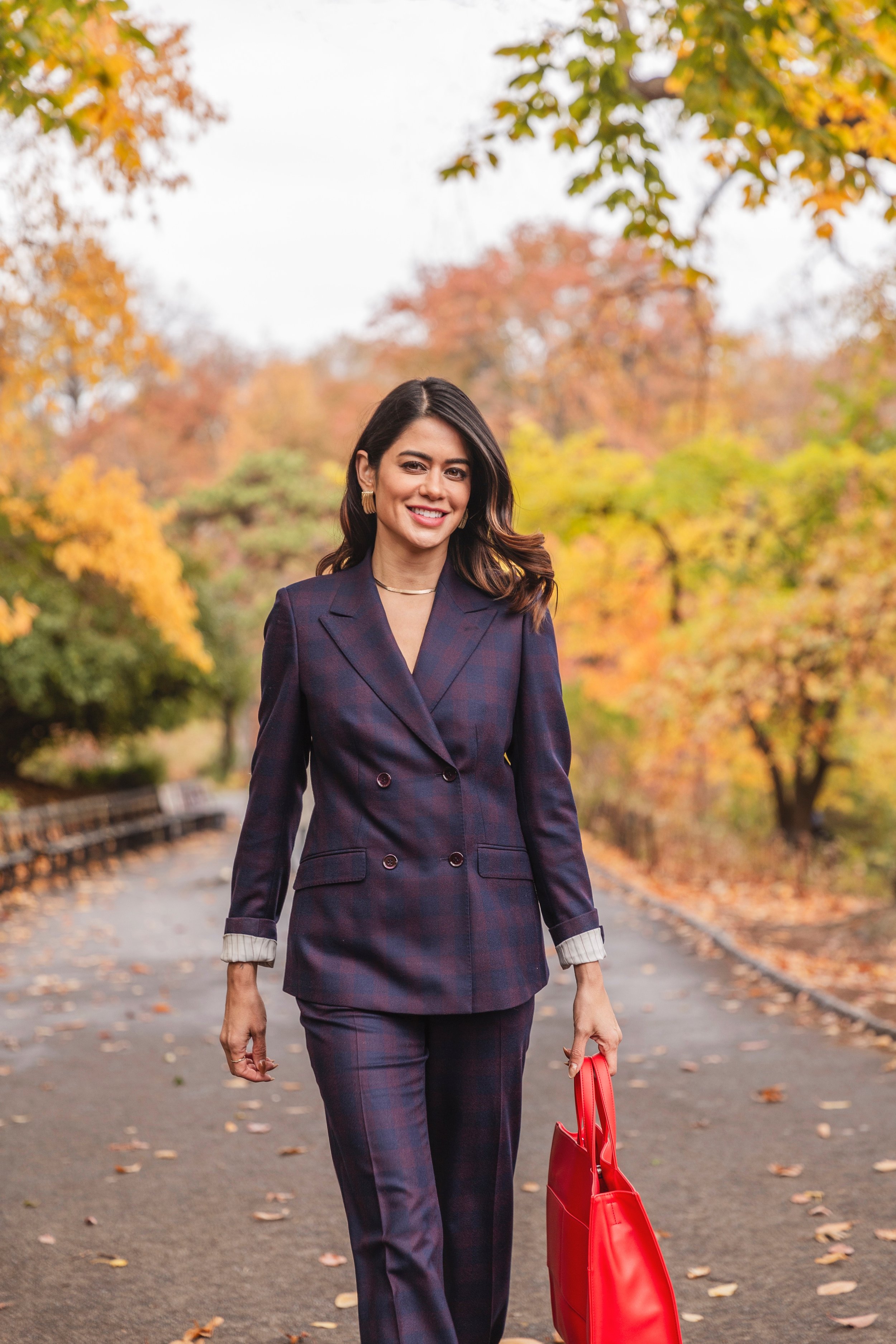
From rock bottom to mountain summits - literally. LeiLani Quiray is proof that you can break every statistic stacked against you. LeiLani joins Kara Duffy to share how after surviving addiction, trafficking, and a near-death spiral, she rebuilt her life step by step, eventually launching a successful HR company and a coaching business dedicated to helping women transform their trauma into purpose.
In this episode, she shares how healing, self-awareness, and resilience can become your greatest superpowers, and why high-performing women are uniquely positioned to change the world once they do the inner work.
“Your trauma is your ultimate superpower - you just have to heal enough to wield it.”
-
-
360 - LeiLani E. Quiray
===
[00:00:00]
Kara Duffy: Welcome to the Powerful Ladies Podcast. I'm Kara Duffy, and today's guest is Leilani Quiray, and her story is that of a Phoenix. Most of her network knows her as the dynamic ultra marathon running mountain climbing founder of Be The Change hr. A successful human resources firm and wild Free and me a trauma-informed coaching business for high performing women. However, Leilani's story starts in a place from which most people either ends up dead or in jail. In this episode, she tells her origin story for the first time, how she rose from those ashes, created two thriving businesses, dove into endurance sports, has always focused on giving back to others, and is a living example of how you can always change your life and prove statistics wrong.
Kara Duffy: [00:01:00] welcome to the Powerful Ladies Podcast.
LeiLani E. Quiray: thank you so much for having me.
Kara Duffy: Let's dive in and tell everyone your name, where you are in the world, and a few of the things that you're up to.
LeiLani E. Quiray: Oh goodness. Okay. I'm actually at home, which usually isn't the case. So my name, I'm Leilani Re. I am currently in Brooklyn, New York, and what am I up to today? Oh my goodness. I am, I am on my mission of continuing to inspire women as well as help trauma survivors. So this is, this is where I'm at right now.
Kara Duffy: So we have to go to an origin story of why that, why is that your, your passion and your niche.
LeiLani E. Quiray: Yes. So I currently have two companies right now, like it's important, important to, [00:02:00] to mention this at this point. One is be the change hr, it's a human resources company that has a social impact component that helps survivors of sex trafficking. And then the second one I launched last year, not my second company ever.
I feel like I'm a true entrepreneur, that I started a few, but my, my second company in this phase in my life, and that is Wild Free in Me, where I am a transformational trauma informed coach, do keynotes on trauma as well as I'm currently writing a book. And it is very exciting and it all comes from a, a long and difficult path.
So, origin story born and raised in Chino, California. My dad is first born generation from the Philippines, here by way of Maui, by way of the Philippines to Maui. That's why my first name is Hawaiian and my last name is Filipino. [00:03:00] And my mom from, I, I say my mom's a cowgirl from Washington State. So, so both of them came together and here I am. And I, I had a, a tough childhood, tough teen years. And then in my late teens I started working in hr. So it's funny, as my career, like took off and as the years went by, I, I didn't count those years 'cause I didn't, 'cause I look young and it was like people weren't gonna believe that I've been doing HR as long as I have.
And so I, I started out in HR and I started a career and midway through my twenties I had this downward death spiral, that's a heavy word, but that's very true. So in this, in this spiral, I I battled addiction. I battled a ton of mental health issues. And then I also during that time was hospitalized for a [00:04:00] suicide attempt.
And it wasn't my first, and this is a turning point of getting into an even worse situation and state, but also the turning point of like, the origin story of where all of what I do now today comes from. And some of it, there, there's an asterisk next to this next part that I'm gonna tell you.
Some of it I was not fully aware of until the last, about five years of my life because, I, I had, I had in the past. Scoffed in a way of at, at myself, not anyone else of like, thinking that there could ever be sort of this selective memory based on trauma. And so in this downward spiral and after the hospitalization, I ended up doing sex work and then I ended up being trafficked.
And then, then that was okay. I thought rock bottom was here and I thought rock bottom was there. But at that point I knew [00:05:00] like I really had to change my life. And so in that schlog of a climb, I mean, that's not, that doesn't even do it justice. I started to turn my life around, quit the hardcore drugs.
I got a part-time job back in human resources. Working payroll, barely among, above minimum wage. But I knew, I was like, I just need to like figure this out, like one small step at a time. And so in my late twenties it was just, just figuring out how to survive in a healthy way. I'll put that in quotes because I wish that life delivered things so easily on a platter where someone can just make one move and then everything's changed and finding Danny, but it doesn't work that way.
And so it was, one step and then another step, and then another step on this journey of, of climbing my way out of all of that and of getting healthier [00:06:00] and healthier and my healing journey. I also started to volunteer at a nonprofit in Orange County called Working Wardrobes, becoming one of their success coaches helping women who were coming out of dark places, domestic violence addiction being trafficked, like any situation you can think of that's really traumatic and dire was working with safe houses and going in and teaching and then telling the women at one point that I really understood where they were coming from.
And so my HR career trajectory met my trauma slash healing path. And I, I was doing these two things. All the way up until when I launched Be the Change HR with this idea that I was gonna do HR and this job readiness work within a for-profit organization. And then also on that healing journey, lots of different modalities of healing from the traditional to the more non-traditional.
And it wasn't until [00:07:00] I launched Beta change hr, I decided I was gonna work with survivors of sex trafficking. And I also around that time quit drinking. I feel like that was my last thing. I needed to let go of that it started to be like, become uncovered through all my healing that I actually was trafficked and so funny, not funny when I realized that about, me and then I knew what I was doing would be the change hr, I was laughing to myself of like, of course I chose a specific.
Segment of individuals to like passionately help realizing later in life that I, myself was one of them. And so that's my origin story in a nutshell. There's more to it, but that's, yeah.
Kara Duffy: No, no. Perfect. So may I go, I wanna go back to a few things because I, there are lots of people who have been on healing journeys that are uncovering things that they. Selectively chose not to remember [00:08:00] because it was too painful, too confusing, too hard, and we just lock it up and it's somewhere that we can't access.
And for the trafficking component as well, I think a lot of people understand the, theoretically the idea of what being trafficked is. And I, it occurs to me as something a little bit convoluted because where's the line of trafficked versus not? Where like, how, when does it cross over from a different definition to a traffick definition?
So I can understand from your side how it wasn't clear both from like memory access as well as like this kind of amorous. Declaration of like, when is it trafficking? When can we say it was? So how did you kind of grasp that and like ground it to for you to know like, oh yeah, that's definitely what happened and now I can see it and now I can define it.
LeiLani E. Quiray: Yeah. It, part of that [00:09:00] is, when I quit drinking, which was the last, it wasn't outwardly, it didn't look that serious, right? But I knew internally it wasn't good for me. But I also was joking around with my therapist at the time. I was like, I wonder what I'm hiding. I wonder what it, I wonder what it's covering up.
Well, I found out, but I also think, like, I also think that when people are healing from trauma, and that's any kind of trauma, it doesn't need to be something catastrophic. Your being and your soul is ready to see that when it's ready to see that. And it might not be right away. It might be, a decade or more later.
And, and that, that piece of it was sort of really obvious. The other, you hit the nail on the head. The other is, and now is a very ripe time to have this conversation. It's education.
I, I think most people think, not everyone, but most people think trafficking is a situation where someone is stolen.
Right. And this definitely happens where someone's taken [00:10:00] against their will and then forced into this type of life, whether it's being sex trafficked or human trafficked. It's just they, they feel like they can't escape and they're in that situation. But there's so many different nuanced situations. When I finally realized it, it sort of hit me like a brick, and then it took a minute for me to accept it.
And it was, it was based on a podcast of a friend that I was listening to. Now she had been trafficked by her boyfriend. And so here's where it gets, it gets confusing. And, and this person manipulated her into a situation and then, for lack of a, a better word, sold her. Right? Sold her to different people.
And she was telling this story, and it sort of hit me. I didn't have the exact same situation, but you're right, it can be so nuanced.
Kara Duffy: Mm-hmm.
LeiLani E. Quiray: And so when she, when I heard that, it took me, hmm, maybe nine months to, to chew on it and [00:11:00] digest it. Let me back up after she went through that, sometime later, she became a social worker specifically for individuals who had been trafficked for survivors or actually went out and, rescued people and then worked with them as survivors.
So I, I asked her, I was like, "Hey, can I fly down and talk to you about this? 'cause I'm, I'm, I'm confused. And I, I'm having a hard time accepting it." And so when I told her my story, she said something that has a lot of weight that I think people can understand what trafficking is a little bit better.
It's when someone is forced or, or coerced into it, so it doesn't need to necessarily be so cut and dry that someone's stolen. And so there's that piece of me, you knowing that by, by definition, that's what trafficking is. The other is I have worked as a person, a trauma informed person with survivors of trafficking for decades now, and also hearing the stories [00:12:00] directly from the survivors.
And I'll tell you, it is 80% of the time coercion in some way. It's all heartbreaking, but it's feels a little bit even more heartbreaking when it's someone you know, someone you trust, family and that too is trafficking. So I think education is a, is a big thing behind it too, of understanding, well, what does this really mean?
And the nuances of, of that. And again, with everything going on in the media, I, it's, it's a good time to have this conversation and, and be a little clearer on what it really is.
Kara Duffy: And so when someone's being coerced, like what are some examples? Like what, what could that look like in someone's life?
LeiLani E. Quiray: and I'm sure you'll put a trigger warning before this, if not, put a trigger warning before this. So some examples that I have encountered is and these, these are heavy ones, so, family members, right? Or it can be a [00:13:00] situation where someone feels like they owe someone else and they can never get out of that debt.
It can be coercion by a loved one. Hey, if you really cared about me, you would do these things. Anyone who is working as a prostitute with a John is being trafficked. So there's all these like nuanced situations where someone is in a situation that they can't get outta. It doesn't mean physically.
It also, it means mentally as well. Like they, they've been forced or coerced into it.
Kara Duffy: And, and that's what I was gonna ask kind of as like the next layer, because, being coerced or forced into sexual activity, I think people again like, okay, that makes sense. Like you you were forced to do this, or you were coerced to do this. You felt like you didn't have any other choice and this is what you had to do. What are like non-sexual examples of what people get trafficked into?
LeiLani E. Quiray: so I've encountered this quite a bit in, in, in my, my social impact work. It looks [00:14:00] sometimes like someone coming from out of the country or someone in the country and me saying, if I'm the trafficker, Hey, I've had this job for you. I need you to work in this warehouse. I also am gonna take care of your room and board.
Kara Duffy: Mm-hmm.
LeiLani E. Quiray: And so you, they're taken care of, but somehow the bill for the room and board is never paid off. And then it becomes a manipulative situation of like, well, I take care of you. You live here, you need to keep working. You're, and then so the person's working for free. And they're always in debt. Yeah, exactly.
And I've had a few situations of individuals who know what I do in that realm asking, can you talk to this person? This seems a little odd. And it could even look right on paper, like someone's being paid minimum wage. But that check is going to someone else and and they could just never pay it off.
Yeah.
Kara Duffy: Okay. No, it, it's like there's so many. Extremes, right? We've heard of situations of people's passports [00:15:00] being held captive until like, while they're working, until they become essentially a slave. 'cause they're holding your passport. So you can't leave. We've heard of more like unable to leave physically type of scenarios.
We've heard of, obviously everything with the Epstein files is, being talked about everywhere. Even the, the PD case that was happening, they were trying to get on trafficking because of like moving across state lines and coercing, people to do different things they didn't, maybe didn't want to.
And it is, it's, it's something that it's, it's hard to put your head around sometimes. 'cause there's, I'm sure there's, there's many teenagers, right, who are feeling coerced by their parents and to all sorts of things. But it's never things of this magnitude. That they're really trapped.
They're really prisoners and they're really being forced against their will. So I think that's also why it's like, who's deciding its coercion and who owns defining that and when is it [00:16:00] for your benefit versus when is it really harm, I think can be hard to put all the structures around it as someone who's in it, but also as someone who's consuming it as news and trying to understand someone else's life experience.
LeiLani E. Quiray: Mm-hmm. Yeah. Because of the weight of what it is, I think it could be a lot clearer when it comes to someone's being sex trafficked. Right. Forced a coerce into a sexual act of some, some type, and Yeah. But outside of that, yeah, I, it, it's nuanced. It can be really nuanced. I feel like it can be really nuanced, but then also when it's clear, it's just clear.
Kara Duffy: Yeah.
LeiLani E. Quiray: Yeah.
Kara Duffy: Well, because you,
LeiLani E. Quiray: you shouldn't sell humans.
Kara Duffy: crazy idea.
LeiLani E. Quiray: Yeah, yeah. You, and, and you shouldn't, you.
Kara Duffy: And it's both like the selling of humans and also the withholding of their income. Right. It's like the the two sides of it. Yeah. Mm-hmm. So I find it really [00:17:00] fascinating that you were able to build a business while processing your trauma. I'm sure there's more cases than, than people share about, but there's so much about having to know yourself and understand yourself to be a great entrepreneur, that I almost feel like it would be so much harder when you're trying to not deal with some of the things that you need to.
Like, it isn't surprising that you've gotten to this apex together. But to ha to be able to launch a business and have it be successful and have this professional career all while having this other side that's in it, volunteering, churning, working on your own stuff, like how are you kind of managing, swinging between those realities and holding space for all of it.
LeiLani E. Quiray: I'm relentless in certain ways and getting to the point of launching the business, I was [00:18:00] healthy enough, I'll put it that way. I was, my self-awareness. It was also the, a turning point of my own spiritual journey really took off like three months before I launched be the change hr. And, and so in some ways it feels to me it's just by my nature.
And other ways it's like, well before that there was so much that went on. I mean, from the time I was 25 to 30. With that super dark period, everything I went through and everything I had to climb out of that was like, okay, phase one, like learn to provide some level of regulation and safety for yourself with the basics.
A roof over my head, earning some type of income, and taking care of my health to the best that I could at that time wasn't perfect, right? Because I was still struggling with all kinds of things. And then having these different phases where they were big jumps for me and they were also [00:19:00] things that trained me to continue to be as, as relentless as I am today.
So, in my late twenties I started climbing mountains and I just didn't, I wasn't hiking like a few miles. I was like, I wanna bag peaks around 10,000 feet, as many as I possibly can, and within three years climbed 50 mountains at that elevation and then just stopped counting at 50. I was like, well, this is, I think this is plenty, we should just stop.
But it was like this, but it was teaching me things right? And I was able, I, I think physically I didn't know I was processing thing and as I was teaching myself to be, what I, the next phase was, which is an endurance athlete. I started doing triathlon and, and running and those types of things.
So by the time I got to starting the business, I understood what it meant to really like work hard by way of becoming healthier, fixing and putting together back my life, and then also choosing these activities that were batshit [00:20:00] crazy. But I also think, and this is the first year I'm taking off from doing Ironmans, I also understand now, right?
My, my self-awareness. That I was finding things that were like physically healthy, but also a representation of what it meant to cycle through something really hard over and over and over again.
Yeah. But, but in a positive way. And so, like being able to mirror that feeling of like, look what I've done, to in an amazing, I'm standing on top of the summit, I finished a triathlon, I meddled in some of them, so I have a goal.
So it's like, it's like that, that all of that, of those reps and then all the healing. So when it came time to start the business, I think I was just like, in some ways a bit nutty and like, well, there's no plan B, I don't wanna do any of that stuff anymore. I, I wanna make this. And having a very unconventional early adulthood also [00:21:00] added to that.
So it's sort of like, well, why not?
Kara Duffy: Well, it certainly made you resilient and a risk
LeiLani E. Quiray: Yeah,
Kara Duffy: I also, we need to take a moment to talk about how you have broken all the statistical like norms. Like, what, what was that pivot point? Talking to yourself in your twenties? Were you, like, how did you, most people don't even get to the point of being able to choose themselves. Like, how did you get there? Like, was it, was your family involved? Was it friends? Was it you just having a moment where you're like, I'm choosing myself and like, we're gonna figure it out. Like, how did you get to that point where you started on this course? That's, created a version of your life that was statistically not predictable.
LeiLani E. Quiray: There was a big turning point that I knew if I didn't get out and if I didn't stop what I was doing, I was going to die. [00:22:00] And, and it was, that was just huge. I also had a kid at 21, so along this, and my family was there, thank goodness for him. And also thank goodness for me, so no one stepped in that they were just there.
If it weren't for my family, I would've been homeless too.
Kara Duffy: Mm-hmm.
LeiLani E. Quiray: if it weren't for my family, like, I don't know what would've happened with my kid. They stepped in and just took, took care of him during the, the handful of years that things were really gnarly. So it was a turning point of like, if I, if I don't change this, I'm gonna lose everything and, and I need to be a better mother.
Kara Duffy: Mm-hmm.
LeiLani E. Quiray: And during that time I was also addicted to methamphetamines. And so, you're right, I was, I'm sort of smiling when he said statistically. 'cause after I, I just quit cold Turkey. I left everything behind. There were years after that people were trying to find me and they're like, we think she died.
We can't, and I'm just like, I'm not talking to you like I'm, I'm just gonna [00:23:00] never talk to these people again. And in, in that like was able to just stop. And I, I had a friend who was telling a, a doctor, I have a friend that just quit methamphetamine. He's like, that's impossible. I was like, well, no, it's not.
But you know when you're,
Kara Duffy: unique special human to do it.
LeiLani E. Quiray: yeah. But I, for me, for my experience, it was so obvious like this, this isn't. This, you're, I remember thinking like, you're meant to do more. You're gonna be so hot when you're 40. Like, if you could just hold on. And I really was like, this is like, this can't be it. This can't be it for me. Like, I have so much I'm supposed to be doing in this life.
I know there's more. And was just like, okay, well let's, let's go. That doesn't mean like, I woke up the next day, stopped doing methamphetamines, and didn't do any other drugs. I battled with other stuff. I still was drinking all the, I had to like, I had to like find my way. But it's, it was just [00:24:00] like, I, I'm gonna have to do this or I'm just gonna lose everything and like, just damage my kid on the way out.
And also, like, there, so I, I live in New York City and it can be very triggering for me to see women who are really strung out on the street because I'm very aware, I'm like, that could definitely have been me, or I just wouldn't be here anymore. Drugs are terrible.
Kids don't do drugs. But it's just such scary stuff out there. But I also know in some ways had nothing to do with just me. It was like, what are we covering up? Like what are we hiding? What are we trying to escape from? So, yeah.
Kara Duffy: Sure. Which I, I think, I don't, it's, it is the rare story that someone didn't have any trauma, didn't have anything that they were running away from, and just thought, let's use drugs heavily. Like they're so intertwined that alcoholism and Big T or [00:25:00] little t, it's all our own perspective. So like we can make any trauma big or small, and.
How we deal with it is, is so many different ways. And I think, I just think it's really interesting that, there's, I'm sure you come across situations in your HR career where you're having to turn people away from a job opportunity who are struggling with things that you have
LeiLani E. Quiray: Yeah.
Kara Duffy: or like, the choices that you made other people, it led to them ha going to jail.
It led to them having reasons why they don't have the same freedoms today. And so it's like, it's such a, such an interesting journey that you've had been privileged to take and that you're here now and able to give back and you're here now and able to have this journey of proving what your mind, what your physical and mental body can do.
Like the, the range of motion that you have in [00:26:00] those two parts of who you are is so much greater than most people, like you've been fe you have probably felt more human experiences than most humans will, will get to have in a lifetime.
LeiLani E. Quiray: Yes. Good, good, bad. And otherwise, I, I always saw it as like, if if you've experienced this much pain, you can experience this much joy. And so it just gets bigger and bigger the more that you experience. And again, it doesn't have to be you, it doesn't have to be, you know, you were assaulted.
Like it can, it can literally be you were exposed to verbal violence as a kid from your parents. And, and, and then that sets the course of like, ending up in a situation where you're actively living in your trauma. And that might look like addiction or insert whatever it might be. And. I don't know.
It, one of, one of my philosophies in life. I think the purpose of life is to end your own suffering if it work. Like end your own suffering and if possible, if you're [00:27:00] ready enough, not full, nobody's already fully ready, help others. And so I've been given this path. I'm very aware, I've been given this path so that I can do that.
In my volunteer work, I was helping groups of, five over the course of a few months. Fast forward to today, I'm dedicating tens of thousands of dollars. I've helped hundreds of survivors. And then I'm in this new phase of Wild Free and me telling my story publicly, which has been such a, just to be able to say these words out loud have been tough for me to like get behind.
But I know the reason I'm doing it though is because this is the path. It is it is not only would be the change HR, but Wild Free in Me and the book that I'm working on and the keynotes of this is what I'm here to do, to help inspire people who've been affected by trauma, inspire women who've been through a hell of a lot and tell 'em like I believe that [00:28:00] people's trauma, again, capital T, lowercase T, is their ultimate superpower.
You just gotta heal enough and then start wielding it. And that's how we change the world. But all but wind it all back. Yeah. I had to go through all that shit to get here. Right?
Kara Duffy: Yeah. Well, you bring up one of my next questions, which was, you're, you have a network, you're a, public facing person. You're helping people all the time. You have this business like you're well known in your communities in circles, and I don't imagine you start most conversations being like, oh yeah, by the way, here's the trauma I've dealt with.
And like, just in case you're wondering like, what's behind door number two. So like what has that process been like for you to, to talk about it, to share it? How are you choosing to be honest and brave and like, when are you like, ooh, I don't know if they're ready for that yet.
LeiLani E. Quiray: So before I fully realized it, people would ask me why [00:29:00] specifically, those who have been sex trafficked, what, or people would flat out ask me. And somehow it was never the most comfortable people that would ask. It was like really uncomfortable asking, like, if you've been trafficked.
I'm like, we're having a networking meeting. Like, what do you mean? And me being like a deer in the headlights. And then once I realized it and I was asked that question, still a deer in the headlights. And I've, I have, it's been a handful of years. And what's interesting is as I have reconciled it and chewed it up and like in like ingested and processed it, and it's, I, it's not fully done.
Right? And I don't know, when you're going through who knows how much more I need to do. I'm here where I'm at right now and that's good. I'm happy with where I'm at right now. If there's more than sure there'll be more. but also realizing, okay, this next phase that I'm in it, I am charging myself with being able to stand in my power to say it confidently. And so what's happened is, as I've started to tell people, it would be like [00:30:00] whispering to another woman that I felt comfortable enough with,
Kara Duffy: Mm-hmm.
LeiLani E. Quiray: or like knowing there's a right moment and then telling someone, and then telling more of the story. And what's been so interesting is as I've been sort of standing up a little bit straighter about it and like being able to be more comfortable by talking about it, the reactions change.
In the beginning it was, it would be like, oh my God, I'm, I'm so sorry. How did you escape? Are you okay? Like, and I, and, but as I went along, the reactions changed and now I'm in the phase of it ends up being an education conversation. There's no more, I'm gonna use the word pity. There's no more pity, but I think because there is less shame, it's not that I don't feel shame about it, but there's less shame behind me when I'm saying it.
And there's, I'm even more grounded in like my mission of what I'm here to continue to do. And so that, that's been interest. So yeah, as I've sort of alchemized it to, to what it is today, it's also [00:31:00] changed the people's reaction of like how they react to it. So yeah, and we'll see what the future is because, I'm on more and more public stages and I have prepared a very powerful keynote on this, but haven't delivered it yet.
And this is like one of my, this current phase of my, my dreams coming true is doing that right in a way of impacting women. And then of course anyone else who's a trauma survivor with the message.
Kara Duffy: I'm a big believer that asking the hard question and saying the scary thing out loud, it equally frees you and empowers you at the same time. If you're willing to say the thing out loud that you don't think you can or should, for whatever reason, when you do it, there's a lightness you get back, there's a power you get back, and it can be.
Things that we might call simple of like asking for the raise you want or asking your romantic partner the scary thing, you don't wanna [00:32:00] ask them because you think it might be true all the way to just saying your truth out loud. That you, that, have been hiding behind a shame wall and avoiding talking about.
But it's amazing how, if we're gonna break free of the cages we've built around ourselves, there's so much that comes through the communication component of just saying the thing. How are you noticing good things coming your way? The more that you are saying your truth and saying the scary things out loud.
LeiLani E. Quiray: I am doing what I said I was gonna do in my head.
Kara Duffy: Yeah.
LeiLani E. Quiray: The thing that I, the thing that I was dreaming of,
Kara Duffy: Mm-hmm.
LeiLani E. Quiray: the walking on big stages and, and sharing. Not, it's not that, the keynote's not about my story as much as it is about the message of empowerment. And, that's been huge for me.
But [00:33:00] what, I'm, I can be pretty woo woo, but I'm not like, the next thing I'm about to say, I'm not this woo woo, but I'm, I'm accepting it. I have been an asthma sufferer since I was a kid and I carried it into my adulthood. My sister also had the same but I mean, we talk about maybe on a weekly basis, I'd wake up with asthma and I knew intuitive, like, I wonder what this is.
This can't just be a leg with asthma. Like, what's going on? And as I've gone on this journey, like, I don't know where my inhaler is right now. Usually it would be in my purse. And it is something so incredible that I'm, I'm healing internally somehow too, and talking about, okay, I'm using my voice well, where is just my, my asthma feels like.
I know it's laying lungs, but it feels like it originates like right around here for my throat.
Kara Duffy: collarbone. Yeah. Mm-hmm.
LeiLani E. Quiray: Yeah. Like, and the tightness I feel here. So it's just interesting on, on how it's shown itself in, in different ways.
Kara Duffy: I mean, the book, the [00:34:00] Body Keeps Score and how much our physical bodies hold our trauma and our emotional journey, it's quickly moving out of a woo woo space to just how our bodies, mind, body functions, and work together. It's really crazy, like how it's coming together because. We don't have all the science behind it at a regular, regularly grasping level.
But more and more things like that are coming out. Like how incredible. And I don't think it's a coincidence that your communication is happening and your asthma is healing at the same time, at whatever level it's choosing to heal. It's so bizarre. It's also why when you look at how often on a regular basis there are things that we're doing, that're doing, 'cause we think it protects ourselves, but it's actually holding us back.
It can be what we're choosing to eat and put in our body. It can be what we think we can't do. Like, oh no, I can't climb that mountain. [00:35:00] There's so many things we're doing and not doing. That's all protection based. Maslow's hierarchy of needs and. When we don't need that protection. It's really crazy how much changes.
Same with like, it happens to women all the time of like when you deal with your stuff and your cortisol drops, like, oh, weird. You've lost weight you've never been able to lose before because yeah, we're carrying around the literal weight of all of our stuff.
LeiLani E. Quiray: I read The Body Keeps the Score in Parts. I could only to parts of it at a time. It's a heavy book. I thought for some reason it would be a really spiritual book. And it was. I was like, oh, wow. It was like, every chapter is about a different, like either like angle of, of how trauma comes out, and also there's no trigger warnings in the book.
So he just talks about, like, he just says the words and I'm like, oh, okay, okay. We're we're talking about this now. It's a lot, but it's an amazing book. I I, I hear you on that. And there's also I think for me, and I'm sure a lot of women, [00:36:00] the I never thought that it was an issue for me until I realized what I was what I didn't want to be seen, but it's being seen, like being really seen and being able, when, when you do say those things about you, and they could be small, like, of all of all the things I was afraid to tell people in my careers, I don't have a bachelor's, right. But I was terrified in any type of like meeting, networking me, where people were gonna ask me that.
Kara Duffy: Mm-hmm.
LeiLani E. Quiray: And it is like, and that's a, that's like a smaller thing, right? Of like, what does that matter? It doesn't define who I am or, or make mes make me successful or not. Like I'm on my own path. And so the, the idea of like being fully seen is actually letting go of the things , that you personally feel are shameful.
And that could be something small, like education or something very big, like surviving, surviving something that you wanna be able to say freely in front of people. And then everything in between.
Kara Duffy: Mm-hmm. And I, I do think [00:37:00] it's really it seems fitting right that you would find solace and success in an HR space because it's so, it's humans, right? It's human resources. It's making sure that people are okay. It's matching people. It's protecting people often. Sometimes it's protecting like companies, right?
But it's hanging out in the human space. And I really feel like this new, the coaching journey that you're on is allowing yourself to probably go deeper in those spaces. I've had a lot of clients who have called me as therapists and have asked to help them build a coaching business because they're not legally allowed to do the modalities they want , to heal people as a licensed therapist, and they. Just need to move over to this side that's a little bit more ambiguous so I can really help people move through things in different ways. What is bringing you joy on that side of things?
LeiLani E. Quiray: So I've [00:38:00] known for some time that I wanted to be a coach. I said, by the time I was 50, I'm a little bit early on this one, so I'm gonna complete this one a little bit early. But the calling came and I was like, you know what? It's time and in thinking be, and, and it came because I was not sure exactly what that was gonna look like, and as I was talking to my friends about it, it just came outta my mouth.
I was like, high performing trauma survivors. And I was like, okay, there it is. This makes so much sense. And in a way of like, once someone is who's been through again, any kind of trauma, lowercase t once someone who's been through, enough, heal enough healing. And they're ready to say, look towards the future of like, okay, I, I'm no longer in active trauma, or I can at least identify when I'm in and I take what I need during those times and I can get back to some type of regulated state.
Then it's looking, as a coach, like looking to the future of like, okay, now what? And I'm the [00:39:00] women that I work with is exciting to, to get to that place of like, you've survived and lived all these things. Now let's get, let's make life better. What do we need to do to get there? And my sneaky thing that I'm doing in all of this is that I know someone who, a woman who's a high performing person will change the world.
Just have to get there. And so in the coaching journey for mine in the three phases, phase three is exactly that. And so the sneaky thing is. Once they're poised and ready, oh, how are you gonna impact the world?
And high performing women, it's not gonna be just a couple, it's gonna be hundreds or thousands or tens of thousands, or even more because of that fire underneath them of like, okay, it's my turn to turn around and help others. And with the means to do it, whether, you know it's monetary or energetic, it's like, oh, they, well, you, someone who's been through all that knows how to pick up a [00:40:00] torch and run with it.
Right? And, and also the same kind of woman that is, that, that is feared once they get to that phase, it's like she just can't stop her.
Kara Duffy: Well, especially when they're coming from a, a high performance background already. We, I was talking in a another episode recently about how there's so many FEMA athletes. I was a college athlete who we have learned to disconnect our mind from our body. Because that's the gap of like, just push through it.
You know this well, like, you know how to turn off what your body's saying and keep going. You can't do an Ironman otherwise, it's the only way to do it. So, but then there's like this gap, right, of like, oh, no, no. When we need to listen to our, our body, are we actually able to do it now? And there's, when you're performance oriented, it looks great on the outside, but it's not always great on the inside.
But because you can run forever, you can make you [00:41:00] climb mountains, you can make businesses happen, you can make all this stuff happen. And it's an interesting, I think, world that we're in right now with so many women, like enough women have gone through a high performance space at this point where there's now a collective being like.
I think I need a little bit more balance.
LeiLani E. Quiray: Yes. Yes, totally.
Kara Duffy: And so I think like there's an element of seeing a coach who's been an Ironman and who has meddled in, in these spaces of endurance athletics. It can feel really intimidating because she's like, oh gosh, I'm a 5K. I don't like, are they gonna push me too hard? Where's the room for compassion?
And so I know that there is with you based on your story, but how would you define someone, the being able to hold that performance edge and also hold space for someone's humanity?
LeiLani E. Quiray: I had someone say to me because we often compare [00:42:00] and she was like, I can't even run a mile. I'm like, okay, your mile is an Ironman. Then it's all relative and subjective. And if I will say though, also when I first started running, I couldn't run a block. Like, I couldn't run a block.
And so it's just understanding, like it's different for everyone. And not everyone wants to, nor should everyone want to do that. It's just the choice and like, okay, where are you at now and where do you wanna be? And if that is running a quarter mile without stopping, then that's a marathon.
Kara Duffy: Mm-hmm.
LeiLani E. Quiray: It's not to be compared to anything else. And then, but if Marathon is the ultimate goal, then you'll eventually get there just one step at a time. So slicing all that up and getting there and I think that's important also, just comparison isn't, isn't, what do they call it? Comparison is the thief of joy. Yeah,
Kara Duffy: I like to use it for inspiration, but not for personal judgment. [00:43:00] It's a fine line. Mm-hmm.
LeiLani E. Quiray: Mm-hmm. it's so, it, it's what it is for them, right?
Kara Duffy: How do you define what a powerful lady is and what the words powerful and ladies mean to you.
LeiLani E. Quiray: Oh goodness. I think and such a great conversation for right now, just in the state of everything, the state of everything. I think a powerful woman is just is a woman,
Kara Duffy: Mm-hmm.
LeiLani E. Quiray: period. There is something so magical about women in just, you know what I, I mean like, we're mystical creatures. We make babies, whether people choose to or not, like the essence of who a woman is in their core. We are creators. We are forces to be reckoned with. And that looks different in different scenarios and it's different for everyone. So a powerful lady is you and it's me, and it's the woman you see walking down the street.
Everyone, everyone is that in their own [00:44:00] special and unique way.
Kara Duffy: When you are thinking about your dream clients and the people who are perfect for your coaching program, how, how, like what are you looking for? How does someone know that they're a great fit?
LeiLani E. Quiray: Someone who's been through it, right, been through a lot, they've worked through like traditional modalities of therapy and are in a good enough place, right? So not actively in trauma, but there's something inside her that says, I know there's more to this. I know there's more to my life.
I know I want to, to do more. I just don't know what that is and I need help getting there.
Kara Duffy: Mm-hmm.
LeiLani E. Quiray: That's like the perfect woman,
Kara Duffy: Yeah.
LeiLani E. Quiray: right? Yeah. To
Kara Duffy: And are you, are you helping them in all the things? Like are you helping them with relationships, personal goals, wellness, money, business? Like, are they bringing all of it to the table or do, are you hanging out in a certain kind of lane [00:45:00] for their next step?
LeiLani E. Quiray: in the beginning there's an assessment to figure out all those pieces, like where is something really strong, we can continue to support that and where is something that needs to be worked on. And so it just depends , on where they're at. 'cause part, so in, in my coaching process, part of that process is to figure out how do we make that more balanced?
How do we get a stronger foundation, a stronger foundation of safety in all those different ways followed by figuring out boundaries and then what needs to be enhanced like in their life in order to get there. And then final phase is, okay, how do we change now that you're ready, how do we change the world?
So it just
Kara Duffy: love that.
LeiLani E. Quiray: Yeah.
Kara Duffy: If we look back at 8-year-old, you
LeiLani E. Quiray: Mm-hmm.
Kara Duffy: she have imagined that this is your life today.
LeiLani E. Quiray: Y maybe a little bit, I used to make up stuff when I was younger on what I said I wanted to be when I was a kid, an attorney. 'cause my grandpa said I'd make a great attorney. I guess human resources, it's very far from that because my contracts say [00:46:00] those types of things that I'm not an attorney.
But also, it's not too far from that, right? It's not so far from that. But I knew from a really young age I was meant to do something big. I just didn't know what.
Kara Duffy: Mm-hmm.
LeiLani E. Quiray: And that had, that followed me. By the time I got to high school, I didn't really have an aspiration to do anything in particular.
I just wanted to do great things and then, had the path that I had and I'm like, oh, now I know. I get it. Like I know what I'm here to do, at least for this phase, at least for what I can see down my own path. So I think 8-year-old me, if I told her. That, the good highlight reel.
We won't tell the 8-year-old the other stuff. I think she would've been like, okay, yeah, I, I get it. I'm like, okay, great. Hang in there for a few years. It's gonna get a little rocky, but we'll be all right.
Kara Duffy: What are you most proud of when you look back at your life so far?
LeiLani E. Quiray: Oh goodness. I am most proud of me always wanting to [00:47:00] do one better for myself and my family and my son. Rock bottom is zero. So we'll just start from the age of 27, knowing like, okay, just do this next thing. Just see the next small thing in front of you.
Okay. 'cause, it was like, okay, get a regular job and make money for yourself so you don't rely on this. I was also in abusive relationship with the, if you're not rely on this person so you can get, you can, have your own stuff and buy her own things. So, and then it was, okay, go get your certificate in hr.
Okay, go talk to working wardrobes and make them say yes to. Because they, they said, I was too young. Do you wanna touch sex coaches? I was like, you don't understand my story. You have to let me in here. Let me do this work. I know I'm an HR professional and I understand. So it was like all these little steps.
And so I'm really proud of me just sort of pushing myself. Just another step. And I'm also proud of me around, I think 40 or 41, 4, 2, I forget. But I also am [00:48:00] proud of knowing, okay, you know what? We're just gonna enjoy this garden and no more fucking therapy and no more co and no more healing modalities.
We're just gonna sip our tea and if things are a little messed up, it's fucking fine. We're just gonna enjoy all the work we've done. And so I've been in this phase for a while of being like, it's fine. Trauma shows up. I'm just gonna be weird for two days. I don't need to do anything about it.
So also proud of like knowing when to slow down and stop.
Kara Duffy: Being someone born and raised in California, how does New York fill your soul, allow you to be you? Like what does, how does it add value from the physical place?
LeiLani E. Quiray: Oh my goodness. I've always walked too fast. Now it's normal.
Kara Duffy: Yeah.
LeiLani E. Quiray: I have been told by people constantly. When I was in California, I looked like I was from New York. Okay, that's good. I look like, clothes, clothes wise, I guess I look like I'm from here, but I really love, I love New York. So many different reasons.
My top reasons are. The [00:49:00] people here are just here to do, do amazing things, whatever that may be. But it's like subdued. You don't really know, I found out a friend after knowing her for some period of time, had Emmys. Well, how do you don't come out with that, right? And everyone's doing these amazing things.
But also, I love how New York City just feels like a magical movie. And for what that means to me. I love those euphoric feelings. I'm clean and sober, so like, it's just really nice to know I could just walk down Fifth Avenue and stare up at the skyline and be like, it's such magic here. It's magic. It's like living in a movie. So I really love that. And also the food. Food is fantastic.
Kara Duffy: I love that. New York has like, Sesame Street is real. Like I really love that component of there's di so much diversity and so much culture and it's celebrated. It's not trying to homogenize anything. And you, even though it's a city, you can [00:50:00] know the person you get your coffee from every day.
You can know who your neighbor is. Like there's a lot of contradictions in it as a city and. But it can also be, to your point, it can be just like a scene from any of your favorite New York movies or shows, and that's it. Like,
LeiLani E. Quiray: it's like it, and it is like a movie even in the way of how people treat each other. I have never seen more kindness. I've also been able to participate in that than in New York City, but there's, of course, there's a juxtaposition of, the homeless in the subway. But even that, I'm less, how do I say this?
I am comfortable with the homeless population in New York City. It's just, there's just an understanding. Sometimes it's not pleasant, right. But it's like , there's even an understanding there. And so, I don't know, like, I don't, New York is so amazing. It's just the people, like the scenes, and [00:51:00] the diversity, my goodness, what a lesson in education for me that, that has been, and it's just a, it's just a beautiful, everyone is accepted.
'cause just, it's just so different. What are you gonna do? Right. You're the outlier. If you don't like, it's like just go into a subway and like look at everybody from the way they dress to like, yeah. It's just fan. It's fantastic.
Kara Duffy: as you're stepping bigger into speaking and coaching and kind of being this thought leader in this space, are you continuing your HR business on the same growth trajectory? How are you kind of managing, having all these things now?
LeiLani E. Quiray: Yes. The HR business is, was my platform to the next one, but also a lesson for me in starting a social impact business that helps survivors. So yes, I'm still running, I'm still running that. I've scaled and grown it to a seven figure business. I've got a team. I'm continuing to grow that piece of it.
my team is amazing. [00:52:00] So, we're all like rowing in the same direction to continue to grow that, but that also becomes a platform for what I'm doing next. It also becomes like I've always known that be the change HR was gonna be successful because of, I was like, how can it not? Like there's just so much behind this of me.
Succeeding for all the right reasons. And it's not, I'm not completely altruistic, like I wanted to build a business that could take care of
Kara Duffy: Mm-hmm.
LeiLani E. Quiray: you know, and my team. So it's like hitting all the things, making money for myself helping change the world and the impact in the area that I can, taking care of my team and having that be something I can point to while with wild free me of this is a living, breathing thing.
That's also provided for me to be able to go into the next phase. 'cause I've, proved it over here.
Kara Duffy: Well, and that was the core reason why you've been on my list to talk to because in, in on my coaching business, it's like I want you to have more money, more fun, more freedom and impact, [00:53:00] and those are what you've used be the change to do for yourself. And I don't know that enough women in particular who I really think need, there's so much power in women having financial freedom because to your point from earlier, women who are empowered are always turning around to like help at least one person, but usually many.
And so when you can do that with money, when you can do that with your time, when you can give in so many ways, there's such a positive ripple effect for the world. But I don't think that. There's a lot of women who are thinking like, I just need the financial stability or freedom, and when we can layer in the impact piece, we can do it from day one as and it just, there's this magnifying glass of like, why you're doing it, who you're doing it for.
It becomes this magnet that I think allows your people to find you, your dream clients, to find you in a different [00:54:00] way because you're speaking outwardly about this is how I wanna change the world. This is what I can do for your business. If you like both of these things, then, let's go make magic happen together and, be the changes are as a great case study for that.
LeiLani E. Quiray: And, I love like the encouragement. Do it before you're ready. Now go talk to your financial advisors. And before I, I'm gonna say this next thing, but like when I started to be the change hr, I was in a ton of debt.
Kara Duffy: Mm-hmm.
LeiLani E. Quiray: I was living with my dad. And I was like, which isn't a bad thing. I have a very like, traditional like Asian family on that side.
But I, I was cohabitating with my dad and I was like, you know what, I'm just gonna do this thing. And so I started this company with negative money. Fast forward to today, I have been able to accumulate wealth for myself. It was painful some days and weeks, probably months at a time to get to where I needed it to be, to sustain me, to sustain a team, to [00:55:00] be financially healthy.
That was all really hard to do. But, but I could have never, I could have never done this working for somebody else.
Kara Duffy: Mm-hmm.
LeiLani E. Quiray: I, I joke around, there is no glass ceiling when you build the building.
Kara Duffy: Yes. Yep. And I just think there's so many benefits for women being entrepreneurs because. Usually our life doesn't work if we can't control our money and our time. Like the space needed to be an athlete and to be a mother and like you can do all the things. Like the lie we've been told is that we can't do we here.
I like you can't have it all. And I really believe that we can't have our all, can we have the person next to us all or whoever else we might be comparison in a bad way with No, but can you have your all yes. What that [00:56:00] looks like and what rules you're gonna break to make it happen. And not actual laws, but the rules that we put around ourselves.
Like you can be an athlete and have a business and be a parent and be making an impact and giving back and there's a lot of women who are, have not stepped into, I judge myself on this on a regular basis and , I'm a very hard grader on myself. But like you, when you start to see how much you can expand and how much more love there is to give, and how much more you can with ease make a difference you realize, oh, I, there's so much more room to, to give back and be brave and be courageous and be audacious to make my life and my community and the world better or more fun, or whatever your word is.
And I just think that you're such a great example of just the word expansion. Like what you've created has been limitless so [00:57:00] far and in all the different ways, like you are a new way to look at the word.
LeiLani E. Quiray: Thank you for saying that. I appreciate, I feel seen. Thanks.
Kara Duffy: Good. Good. For everybody who wants to work with you, follow you, support you, where can they do all of those things?
LeiLani E. Quiray: Yeah. So on the HR side, BeTheChangeHR.com, the handle at any of the social media platforms. You can find us and then Wild Free and me on Instagram at I Am Wild Free and me and then Wild Free and me.com.
Kara Duffy: Amazing. Thank you so much for being a Yes to me and powerful ladies, and sharing your incredible story and taking time. You're a very busy woman, so thank you for your time today.
LeiLani E. Quiray: Thank you so much for having me.
Kara Duffy: Thanks for listening to The Powerful Ladies Podcast. If you enjoyed this [00:58:00] conversation, please subscribe. Leave us a review or share it with a friend. Head to the powerful ladies.com. We can find all the links to connect with today's guest show notes, discover like episodes, enjoy bonus content and more.
We'll be back next week with a brand new episode and new amazing guest. Make sure you're following us on Instagram or substack at powerful ladies to get the first preview of next week's episode. You can find me and all my socials@karaduffy.com. Until then, I hope you're taking on being powerful in your life.
Go be awesome and up to something you love.
Related Episodes

Episode 16: Building Thriving Teams from the Start | Katie Hajec | Director of Talent & Culture at Create Tribe
Episode 151: Step Out of Your Trauma and Into Your Best Life | Jamilly Whitfield | Licensed Clinical Social Worker, Author & Coach
Episode 345: Regulating Your Nervous System to Manifest Abundance | Stefanie Phan | Identity & Nervous System Coach
Created and hosted by Kara Duffy
Audio Engineering & Editing by Jordan Duffy
Production by Jordan Duffy
Graphic design by Jordan Duffy
Music by Joakim Karud