Episode 358: Reclaiming the Feminine, Redefining the Outdoors & Collective Liberation | Dani Reyes-Acosta | Filmmaker, Athlete & Cultural Strategist
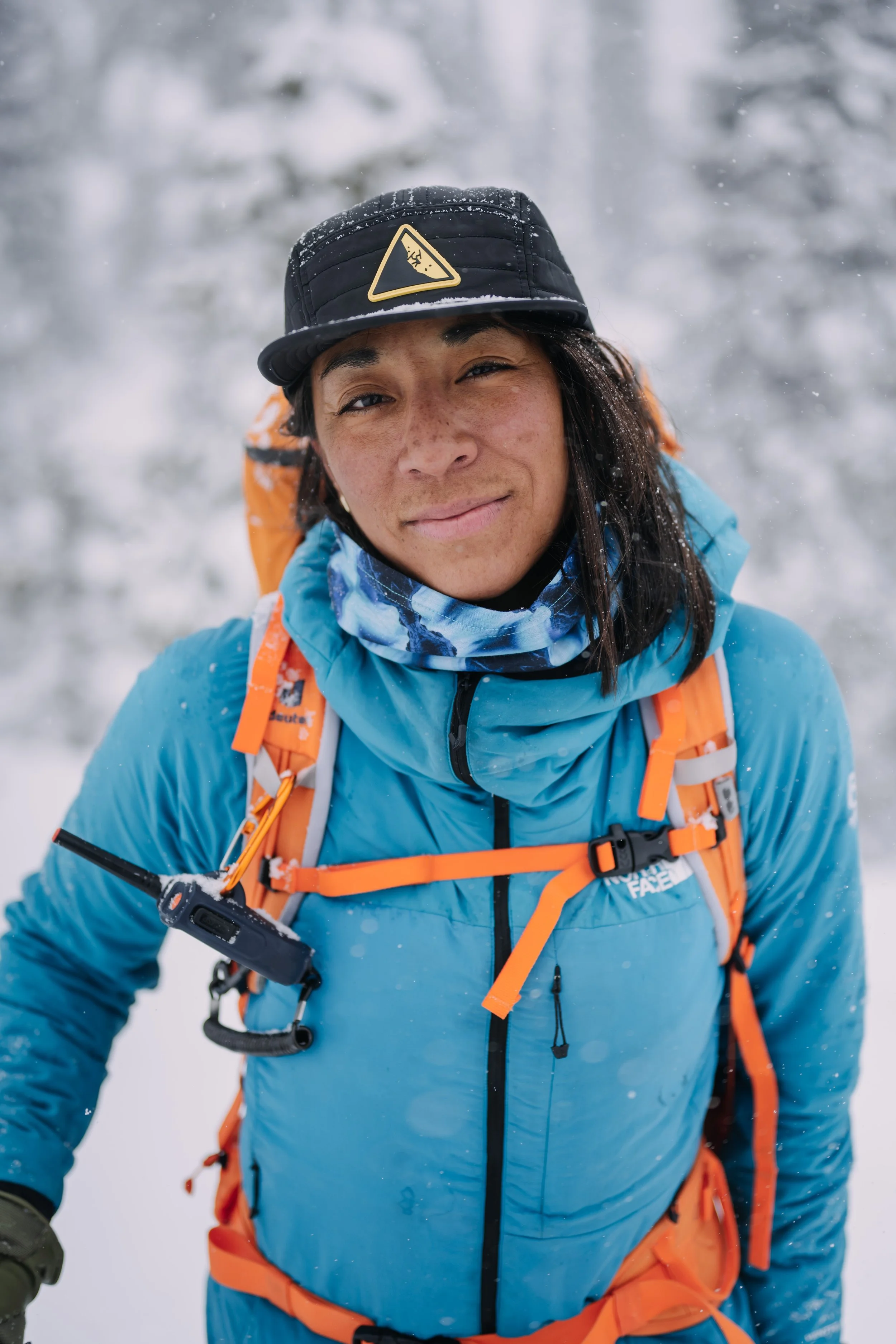
What if reconnecting to nature and yourself is the key to building a more meaningful, liberated life? Filmmaker, athlete, and cultural strategist Dani Reyes-Acosta joins Kara Duffy to explore what it means to come back to our bodies, our communities, and the land in a world that rewards disconnection and burnout.
Together they dive into redefining the outdoors beyond patriarchal narratives, the power of ritual and slowing down, and how reclaiming the feminine can reshape leadership, creativity, and collective change. Dani shares how storytelling, community, and conscious connection can help us move from extraction and survival into reciprocity, intuition, and a more expansive way of living.
“Connection to land, self, and others is where true liberation begins.”
-
-
358 - Dani Reyes-Acosta
===
[00:00:00]
Kara Duffy: Welcome to The Powerful Ladies Podcast. I'm Kara Duffy, and today's guest is Dani Reyes-Acosta. She's a filmmaker, strategist, activist, and athlete who's using her community and the collective to change how we think about the outdoors, feminism and what we define as the commons. We're all here to steward in a current world that demands conformity. While gaslighting and propagandizing, we discuss how she's leading the way in coming back to ourselves, to the authentic, to the natural, to a welcome to all outdoor oriented world.
Welcome to The Powerful Ladies Podcast.
Dani Reyes-Acosta: It is such a pleasure to be here, especially on this auspicious day.
Kara Duffy: Well, before we dive into all the things, let's tell everyone your name, where you are in the world, and a few [00:01:00] of the things you're up to.
Dani Reyes-Acosta: Sure. My name is Danielle Catalina Reyes-Acosta. But most people call me Dani. I'm based in the San Juan Mountains of Colorado, so I have the great joy and privilege of looking on some of the most beautiful mountains I believe in the world. and some of the things I'm up to in the world are. Cultural strategy, thinking about how we redefine our relationship to the feminine, whether that's other humans or the earth. Working on a couple of films, some are at variety of different stages. So I've been on film festival tour, we're doing community impact events, getting ready to launch another film, and in the pre-production for two other films, as well as getting back into some strategic consulting from the.
Sort of how do we facilitate progressive broad scale change perspective And all of those things are exciting. So I decided I should add on one more thing, which is build out a band [00:02:00] because I don't have enough things to do and work on my Italian and French.
Kara Duffy: I am also practicing my Italian. Yep. Mm-hmm.
Dani Reyes-Acosta: No, that's it. I can respond to you in French, but my Italian is so elementary. I'm like, bonjourno
Kara Duffy: Yeah, I'm just proud of myself that I just understood what you said in French. So like French is my least, well not okay. Of the five languages that I actively engage in French is the one that I know the least.
Dani Reyes-Acosta: Oh,
Kara Duffy: but yeah, so it's like exciting when I'm like, I know exactly what you said. Yes. Can I respond to you in French?
Maybe not. Maybe just like an ante. And then we go on.
Dani Reyes-Acosta: A messy, I mean, I think there's something beautiful about being a polyglot or speaking more than one language or even trying to understand. It's a world expanding [00:03:00] way to live and definitely always keeps us on our toes.
Kara Duffy: It really doesn't it, and it's such a, I thought I was awful at languages until I moved abroad,
and then I don't know what it was that clicked, but suddenly. All of the different languages I'd been exposed to or practiced or studied started coming like online and it was so frustrating to be, I had moved to Germany, didn't speak any German. My
team members and managers were all Italian. So I was learning Italian before German at first, and then I grew up learning Spanish in school and speaking it lightly. And then we went to Barcelona for a work trip and suddenly all I could speak was German and not Spanish. I'm like, guys, dear brain, can we please get it together?
Dani Reyes-Acosta: Yep. Yep. Well, if we can entertain the wormhole for one second. Did you play classical instruments as a.
Kara Duffy: I played clarinet very briefly. I [00:04:00] wouldn't give it credit as being like I did it because I thought it was fun for a little while. But I also remember going to a concert. In maybe like fourth or fifth grade and just pretending to play, like not making any actual air go through the instrument because I was like over it.
So I don't know if I can give myself any musical credit.
Dani Reyes-Acosta: I only ask because, especially for any parents out there or people that want to become parents, there is research that shows that children or even adolescents that play musical instruments or classical instruments as in their youth develop a proclivity for learning foreign languages in their later years.
It's, maybe that's why they all came online all of a sudden. And it never quite makes sense how it all falls into place. But, something about sheet music and structure and how the brain works, but good
Kara Duffy: Oh, I love that.
Dani Reyes-Acosta: Yeah.
Kara Duffy: to close the loop also on, on you for people who aren't familiar with you, you're also an athlete, an outdoor [00:05:00] enthusiast, an activist you've been the star of some films you're producing, directing, writing, other things like you're doing a lot of things that are, all kind of circling around identity community outdoor spaces. Would that be a good summary?
Dani Reyes-Acosta: I, yeah, I mean it's, I think it's a challenge to step into and say I have any one role. The way that I describe my work is that, my calling is to bring us closer to ourselves. In nature, the this idea of our broader personal and collective liberation can be found by reconnecting to land and to self and to other, whether other is humans or are more than human kin.
And so those pathways look very different in the different types of work I do. Yeah I've been in front of the camera. I've facilitated lots of leadership and empathy based workshops. I'm bringing more and [00:06:00] more my work together of outdoors and leadership development and mindful movement into this trifecta.
And right now I'm at a time of transition of figuring out how do I take this work and make it. Something that feels really accessible to everyone whether that's, content you can read on Substack or a trip that you can take on in the lingel sailing and skiing, right? And there's oops, that was a spoiler alert for a project for next year, so stay tuned. But but yeah, I mean, it looks like a lot of different things, but fundamentally it's trying to bring us all back to ourselves.
Kara Duffy: when I'm not doing powerful ladies, I'm a business coach and strategist and working with people who are finally discovering. How to layer all their things in together that normally don't make sense. Like that's my favorite type of client. So my head's already like, I'm thinking of things, like coming back to [00:07:00] you, it's like it's, I don't, for people who are not familiar with land back, with the cultural identities tied to land with the decolonization of parts of the us, how does all of this fit into your personal identity and the identities you're trying to give people access back to?
Dani Reyes-Acosta: Yeah that's a great question. And I think it's so layered and maybe it, let's go back to the beginning. When I was in university one of, well, or even leaving, leading up to that, so I was a proud uc Santa Barbara graduate. It took me a really long time to figure out what I wanted to do and I dabbled in geopolitics.
I was a. Bachelor of Science major working on marine biology. I worked in economics. And I fundamentally settled on a degree that allowed me to pull into different aspects of it was basically a degree in global studies with this emphasis [00:08:00] in Latin America in socioeconomics and politics.
And what was really interesting about that work is it exposed me to. Understanding whether like my thesis work was on the International Convention of Human Rights and post Pinoche Chile. So a lot of my work was tied to the role that the United States played in imperialism, neo imperialism, and in how Western or the global North.
so for folks that aren't familiar with that term, that is, can often be interchangeable for the term first world countries our countries of privilege and industrialization in the global south. So this very much unequal power dynamic of who's been the people running the businesses and exploiting, and then who have been the developers of the work and providers of labor and resources for extraction.
And so all that to say It was a very circuitous path that brought me here doing all of these different types of work. But, I went, I worked at Nike. I was [00:09:00] consulting for Vail Resorts. I worked I had a very brief stint after college working for a space and defense or uh, company. I've done a lot of different things, but you have to find a lot of things that you don't like doing to get you to the place where. You can figure out what it is that you do wanna do. And so this work, which oftentimes takes a storytelling role, is examining the meaning of play and our social responsibility and what it is to care for the commons.
These common resources that we all share and oftentimes forget that we share, whether that's land, air, water and we're at a place right now at in time where we're seeing. Particularly that relationship to the feminine, whether it's like open the files, why do we need to start two wars?
Or do we, are we going to have. mining in our backyards for with little to no oversight for the sake of, is it national security or is it a bigger question? [00:10:00] And I probably should be careful with what I say because like, we're in a crazy time and censorship is real.
Kara Duffy: I agree. Well, so I think to go back a few points you just made, there was an interesting conversation I was in recently about the commons and our children part of the commons.
Dani Reyes-Acosta: Mm-hmm.
Kara Duffy: I would vote yes if I'm in charge of deciding what's included in the common things we need to care for as a society.
And I think that a lot of people don't understand that the, how I've seen it defined is that matriarchy is not just the opposite of patriarchy. It's putting the things that can't take care of themselves first.
Dani Reyes-Acosta: Right?
Kara Duffy: Children, animals, the land, like things that can't fight up against or speak up for themselves, that
Dani Reyes-Acosta: And I would,
Kara Duffy: Mm-hmm.
Dani Reyes-Acosta: and I would add a layer onto that, the. [00:11:00] The intent of providing this care isn't to just sort of have that save heuristic approach. It's an investment in what will become reciprocity. So investing in the land means the land can take care of you. Investing in your children means that your children will continue to show up for you and take care of you and others, right?
A vibrant, thriving society is one in which we've invested in our future, not just in. Our short term returns and our gains. And I think we're at a place now where we're starting to hopefully in a more broad societal certainly, United States perspective sense, understand that if we don't do this work, we are going to see wider and wider chasm between the, those the 1% or even the 3%. Those that have, and the rest of us who think that we used to be, there used to be a middle class. There is no longer a middle class. There is now the working poor, forming the dominant. [00:12:00] Demographic of society, and many folks think are like, it is, what is it?
It cost like a million dollars to raise a child now. The average the median age home buyer pri of a home buyer in the United States is 59, right? Like this chasm of socioeconomic disparity only continues to widen, and that's do Primarily because our leadership, whether at the top or even at the local level, and every layer in between has been focused not on a cooperation and on investing in our land and our people and our society for generations to come.
We've been thinking about how can we make sure we get ours?
Kara Duffy: Well, and it's so frustrating when the world is operating on a scarcity model. When it's there, there is plenty for everyone. When, to your point before, the more that we actually make like [00:13:00] we can all win, and the fact that we're not looking at a, how do we all win? Strategy is so frustrating. Like, and I think that's what's causing, they're, they've been, making fun of like the wine Moms of Minnesota and these other groups of women who are maybe not normally activists, but like we've crossed the line of any sort of like logical thinking.
Where it's like everyone now is like this. It's like wine moms, the perimenopause, menopause female rage has like clicked on 'cause we're, it's like what in the literal fuck is happening right now? Like none of this is even logical anymore.
Dani Reyes-Acosta: No, it's not. And it's not going to get any more logical, and I would argue that. You've, things are gonna change in another, what, less than nine, 900 days. That doesn't actually mean that they're going to change because we have to look at things systemically and our approach. There are things that are [00:14:00] happening.
I mean, Obama deported more people than Trump has so far. He's just put a better glossy coating on it. So we have to ask ourselves, what is the approach that we wanna take to treating people in our local communities, in our neighborhoods? broader and more broadly even ourselves and , what do we stand for?
And these are all big existential questions, which can be very emotionally exhausting. And I know that myself is, and I'm sure you and many of the listeners out there have experienced like that overwhelm of , what do I do? How do I show up? How do I do something that's not totally avoiding of the situation?
Kara Duffy: Mm-hmm.
Dani Reyes-Acosta: So maybe I'd ask that question to you, like, what are you seeing out there that's helping people find some hope?
Kara Duffy: talking to people, I think having, talking to more of the people that you see every day and like, where are people at? 'cause nine times outta 10 when you talk to someone, we [00:15:00] are sharing, pick two people anywhere on the planet. We're sharing core values and so what we actually are arguing about most of the time in the US right now is either the things that we're being gaslit about and the fake news that's being discussed.
So like, it's like not even things that are real is like taking a lot of the airspace right now. And then the other part of it is either nuanced or like a lack of knowledge or exposure. Often when you are giving people more of the information or letting them experience something. I mean, for crying out loud, if Marjorie Taylor Greene crossed over and was like actually we need healthcare
Dani Reyes-Acosta: Right.
Kara Duffy: Uhhuh.
Okay look like there's so much more in common than like we're being allowed to talk about. And so we've been using this platform and the communities that. I'm a part of to keep reminding people like, what do we have [00:16:00] in common? And that's, I think, been rewarding to realize like, oh, I am not in my own, my bubble isn't the crazy one.
Like, okay, hold on. Like we're start grabbing onto like what we have in common has been helping quite a bit. And then I think we have to take like rotational breaks, like for every, for a while I'd wake up in the morning, buy a band book, and call all of my senators, congressman, and like, that's how I'd start my day and then not watch news until the end of the day.
Like I'd let, I'm allowed to peek at it because we gotta, we have to keep moving forward with like the things that we know to do and get done. Like our to-do list as women has only gotten bigger. So like we have to
Dani Reyes-Acosta: Oh God,
Kara Duffy: keep moving. And but I think we have to be able to like, take breaks and like the radical joy thing matters.
The getting outside in nature matters. The. Coming back to being enchanted about things matter so much. But talking to you guys is my personal salvation.[00:17:00]
Dani Reyes-Acosta: Well, thanks for having us. I mean, I understand like. As a fellow creative, there's so much of our work that can be it. It's, it can be sort of like soul soul wrenching. When we get into the nitty gritty of what's actually happening out there and what we talk about the pain that we're experiencing on an individual level.
Or on a bigger level, right? As women or as a society or as lovers of women, for any of us out there that don't identify as women, thank you for your support. And yeah, I mean, I that's why I got into film fundamentally was like, this was it. It became an avenue for us to not only have a much longer half-life for the stories we want us to tell, right?
Because we know content cycles flip so quickly, and when we create a film, we can continue telling stories around and about the thing that we want to share with the world. And oftentimes, like in all of, well, not oftentimes in my work. There are always going to be different levels of [00:18:00] nuance and layers of nuance that dependent upon who you are as a person, the identities you hold, your understanding of cultural nuance, everyone gets something different out of it.
And that's the joy of the Easter egg.
Kara Duffy: Well, and this is why I love documentary film so much. Like, going to Mountain Film Festival every year is like, it is my favorite weekend because it's, it, there's this intersection of people who care about so many things that are in my value space and also people who have never heard of who are gonna introduce something totally new that's gonna open things up.
And we've been trying to figure out, on the powerful lady side of like, how can we start supporting even a shorts world because so many of these women we've interviewed there, we have too. There are too many women. That I would love to talk to, that we will never get them all like into a podcast episode.
Like how else can we be like bringing them [00:19:00] together to share these things? Because if we only started talking about what's happening in the world of women alone, I think our general hope would go up a little bit more. But yeah, the filmmaking part, I think is so when you can see it and you can see it from.
The actual voices of who it's about.
Dani Reyes-Acosta: Yeah. Yeah.
Kara Duffy: You can't unsee it. And then there's such a, like a you can feel your little brain going like a little 10 degrees wider and 10 degrees
Dani Reyes-Acosta: Mm-hmm. Mm-hmm. yeah. I think this challenge, the creative challenge of. If packaging a story into whether it's a short form or long form piece is something we can never, we can sort of like never surmount, right?
Like I think I'm looking at my, all of my hard drives, like I'm here. We, I have gotten into a really exciting film festival in Europe, and so I'm having to do more exports to accommo. More language [00:20:00] subtitles. And I like, I remember going through this, just this project in particular, just even opening up the working files and realizing like we could make like several other short films just out of what we have.
We could make a feature length out of what we have. And yet, like what is. For us now as creatives as people on the other end in front of the camera. And I mean unfortunately we can't really know, like we just have to pick a direction and then just go and go and go and, hello? Person in the background. Oh, that was
Kara Duffy: Sorry. She's out with the nanny yes.
Dani Reyes-Acosta: that. Why? Sorry. I've been working remotely in some form since 2008. a long time, and I love that during COVID, everyone just sort of realized like, it's normal to have a life, like people have pets and children, and so like, yes. Like she has something to say.
She's using her [00:21:00] voice.
Kara Duffy: now she has a lot of opinions. Right now, she's four and a half months. Mm-hmm.
Dani Reyes-Acosta: Oh she's got a lot.
Kara Duffy: She got lots. Yeah. Well, and I, but I think to your point like this, the, so much is changing just with like how women are allowed to show up. Like I bring her everywhere.
Dani Reyes-Acosta: Yeah, absolutely.
Kara Duffy: unless it's a very professional meeting. I, like, she comes to book club and wine night and lunches, and I go to the doctor.
She come like. Like I don't know. I'm also somebody who likes to mash everything up, which is why I love guests like yourself, where it's like, we're just gonna do all the things because we're allowed to. And like I'm the unicorn. It centers around. So it all makes sense. And I see more people be stepping into that and being shocked at the freedom we get back and we're like, oh no, we can choose all of it.
Dani Reyes-Acosta: Yeah, absolutely.
Kara Duffy: have to minimize so that it makes financial sense. We don't [00:22:00] have to minimize, so like our identities are clearly accessible for other people and it's like, no, like I if you can tell me who you are and what you're doing in like one word, I think you're not giving yourself credit.
Dani Reyes-Acosta: Absolutely. And I think you know, what you're referencing is I think a broader societal shift wherein women are realizing not only. Can we take up space? We should take up space. And you know what? If you're not here to support that, then you can go fuck yourself. And if you wanna edit that out, here's another version. Okay. Just kidding.
Kara Duffy: I'm like me. I'm like, Nope, it's fine. It's totally fine.
Dani Reyes-Acosta: yeah, I mean, I remember sitting around, a year and a half ago plotting a big, like big ski traverse in the mountains with several women, and two of them are also professional [00:23:00] athletes similar to myself. And we were all talking about I think there were like five of us total and we were all.
Sort of talking about our relationship with our significant others. And I think everyone there, yeah, everyone there was in a, except for one person who was single, was in a heterosexual relationship and we were, there was a lot of kvetching about, like, oh, he does this, or like, he doesn't go to my screening or whatever.
And one, well, so there were, and there was a spectrum of support we were getting from these men in our lives. And I remember at one point just being like, Hey ladies, can I just ask like. Just like raise your hand, who feels a hundred percent supported by the man in their life And no one raised their hand, no one raised their hand.
And I remember then the conversation steered towards, but what are we doing for ourselves, like in our work as athletes in our other pursuits and professions? And no one was minimizing themselves. And so I found [00:24:00] it really interesting that we were all. Doggedly pursuing this life in the mountains that we love, even though we weren't necessarily having a partner who is capable fully of showing up.
And, we all had these sort of , range of experiences of like how willing or unwilling we are to show them or teach them, right? Personally I think it's a never ending balance. Like that's a relationship, but it is incumbent upon your significant other to do their own work, right?
Kara Duffy: Mm-hmm.
Dani Reyes-Acosta: I don't wanna be anybody's mommy unless I'm literally a mommy. And that's only the conversation.
Kara Duffy: well, and I think it brings up two things, right? There's the why are we tolerating not being fully supported or not asking for the support that we want, no matter who it's from. On the other side of it is should we be expecting a hundred percent from anybody?
Dani Reyes-Acosta: Great.
Kara Duffy: And there's a,
Dani Reyes-Acosta: question.
Kara Duffy: forget the, I forget the book.
I'll put it in the show notes. I'll go 'cause I can go find [00:25:00] it. But there's a book that's talking about like marriage and relationships and how historically it was really, hence the reason why women usually give up their name. We were property that was purchased and it was like, that was it. Like you got some cows and you got a wife and you moved on. And so it went from being like, oh, we need to be in a relationship so we can be safe
Dani Reyes-Acosta: Mm-hmm. Mm-hmm.
Kara Duffy: we need to be in a relationship so we have access to resources. And then it went into like, oh, we are in a relationship because it fulfills some level of emotional support
Dani Reyes-Acosta: Mm-hmm. Mm-hmm.
Kara Duffy: gone, we've created this relationship, Maslow's hierarchy that.
They say that it's called the Obama's effect, where when Obama came into office and we were looking at their relationship and how it was portrayed, not that this is how it was or is, but suddenly it went from like, oh, our relationships with our significant other must be inspirational [00:26:00] and a hundred percent intertwined.
Dani Reyes-Acosta: Right.
Kara Duffy: And it's just like, it's not true. Like there are so many women I know who every year they travel with girlfriends 'cause their husband hates to get on an airplane. And it's like, I, like, I can't imagine being with someone who doesn't, it doesn't have that curiosity component that I think travel falls under, but you like, it doesn't have to be this 100% all in thing.
And I think when we think that take that out of relationships, it frees us up to not have to be disappointed that like all the boxes aren't being checked is like, but are the important boxes for that person's role in your life checked.
Dani Reyes-Acosta: Great. I think you're, yeah. You're bringing up this great segue to what does it mean to be find fulfillment in an intimate partnership when you're trying to do big things in the world and. I don't have all the answers. As someone who's just left a 10 and a half year relationship I'm asking myself those [00:27:00] questions a lot and, I look at, they're not, to me, they're not so much, they're like like little meters that go up and down rather than check boxes, because those, that sort of like binary thinking of like either we're doing it or not, or he's doing this or he's not or what have you, it's sort of like.
On any given day where I am, in my emotional, mental, creative space, like wherever I'm at, like in my inner world, what, how am I showing up for that person and vice versa? And fundamentally that balance, like there's no such thing as balance. We can only pursue it. But fundamentally, I think that it does tie to our bigger work.
In my case, when we're thinking about how are we defining our relationships to ourself and our own femininity, so seeing that in our friendships or in our partnerships and in so much of the work that I do in storytelling and in the outdoor space and what it means to [00:28:00] have a life outside or a life beyond this pursuit of work by.
Fucking die.
Kara Duffy: Yeah. Yeah.
Dani Reyes-Acosta: Right? I would,
Kara Duffy: so like how is the. Retaking of feminine energy, power, whatever. How is that being, how is that different in the outdoor space versus maybe other spaces?
Dani Reyes-Acosta: Great question. So I'm in the middle of. Oh, gosh, am I gonna say it? I'm just gonna say it. So I'm in the early stages of working on big creative piece that looks at how the narrative of our relationship to the mountains or just mother nature, but very, like in the outdoor space, oftentimes things are framed in sort of like mountain pursuits is, has been so heavily informed by masculine IE patriarchal narratives.
We see that particularly [00:29:00] like, get to the top of the mountain climb, the biggest peak. This these messages for years and years, it started to change and it has started to shift in the last couple of years. But this idea that. This very binary idea that either you're going hard, you're going big, you're doing something the fastest, the biggest, the gnarliest, the Burt, or you're over here having a picnic and you like don't really know what you're doing.
And that is a whole bunch of bull there. There are so many other ways to experience, not. Like if you were doing something big and brutally and scary in a mountain, what about. Our understanding of conditions and the environment and our mental or physical capacity and our relationships in those pursuits, and how does all that inform and unfold in a mountain objective or, you know, are people that do, like why do you have to, why do we have to be portrayed as either you're doing one thing and building [00:30:00] your whole identity, like around being that kind of person.
Or can you also be a person that enjoys hunting and fishing? Can you be a person that likes riding bikes as much as power sports? And this idea that there, there's this really interesting idea that I think has been sold that the outdoors, while it sh should be accessible to all and must be accessible to all, is so deeply tied to the way that we buy things and how we interact with nature. And that if we're not doing like buying X, Y, Z thing or putting X, Y, Z trip or objective on our list, then it's not worth it. And this big long ramble is here to just say like, fuck all that you can be a big, burly mountain climber
as much as you can be a person that likes dipping your toes into a pond. You can go to the beach and you [00:31:00] can, ride a bike a hundred miles or one. And all of those things are still make you a person that likes being outside. And this is a, this is a ramble. Sorry. I have a lot of rants about the outdoor industry
I think particularly I'll say as a woman of color, it has been very frustrating to me to see only in the last year that funding actually has started to go towards talking to this huge demographic of people that are not straight white males.
Kara Duffy: Mm-hmm.
Dani Reyes-Acosta: and yet, particularly because of the language around DEI being fundamentally criminalized in the last year how the funding has been reallocated from grants and community driven work towards marketing. And it is really interesting to see how capitalism is playing a role in the democratization of the outdoor industry. But I guess that's what happens when [00:32:00] we live in a country that is fundamentally developed capital, consumerism.
Kara Duffy: there's so many different overlapping parts of this, right? Like you mentioned you worked at Nike prior to what I'm doing now. I spent 20 years in footwear and apparel, in sport wear and streetwear. So like I know that world inside and out, and. There's a, I've been in so many rooms about so many conversations of the, like running in at 5:00 AM in the rain uphill version of sport
Dani Reyes-Acosta: Right.
Kara Duffy: like we got off the couch and went on a walk sport.
Like most people wearing sporty sportswear are not doing anything sporty in it. Right. So that's just on a consumer buyer level, let alone what messaging are we saying? Like who's allowed to be included and who's not. And I always think that there's, I remember the last time that I was in Zion, which is one of my favorite parks in the us, [00:33:00] so many people are like, Ooh, we're in Zion.
And they cross over the border and they're all of a sudden geared out head to toe. And then some of the hikes you go on, like really aren't. Like a hike of significant, like it's not really different than like a hike I could do down the road from my house in regards to elevation or something. But there's all these people overly kidded out going on the, this like three mile, five mile hike and then you get to the where the water is at the top and there's a family with like 10 kids who all wore flip flops to get here and whatever they had on their backs.
And it just gives you such a perspective of like. Mo guys like, look at you don't need all this stuff. First of all, like having gear is great when you need it. You're so thankful for it. But to access the outdoors, we really don't need these things. Like you can go on a hike in a pair of jeans if you wanted to.
Dani Reyes-Acosta: Mm-hmm. Yeah. And I do.
Kara Duffy: Yeah.
Dani Reyes-Acosta: Right. I like, like one of the, one of the things I [00:34:00] particularly enjoy, I think like as someone that has garnered, a few. I'm saying that sarcastically, like technical mountain skills,
Kara Duffy: Yeah.
Dani Reyes-Acosta: I have to be reminded like you do like some really niche and hard things and I'm like, really?
But then I remember like, the bar against, which I'm measuring myself, is pretty, pretty high. And so yeah. Anyway, it's, I enjoy, like now I'm like, I'll just go run in a cotton T-shirt and like some old beat up roadrunners, because that's just what I had sitting in the entryway and like maybe carry a tiny old bottle of water and run like 10 miles and like three K and it's fine,
I think the outdoor industry is at such an interesting place as it evolves to meet market needs. We. The industry incre experienced incredible growth during COVID, right? So speaking of full circle, when everyone realized they had to go outside or else they would lose their minds, right?
We couldn't really go anywhere else. Our [00:35:00] freedom of movement was very restricted and in some ways, being on the land was. For many people, like a brand new experience. And so I think we have as the industry rebounds from some of the market volatilities, especially now as dealing with all this tariff stuff and the challenges around how to make consumer goods accessible.
I think we really need to evaluate like, how are we not just not just marketing to the people that will buy the stuff but broadening the types of messages we're putting into the world and really thinking critically about are those messages going to support some of the things that the outdoor industry cares so deeply about, which are specifically conservation and public land management.
Right? We're at a stage now where we're seeing these big pushes for the privatization of public lands, whether that's for like. Privatizing for drilling for oil and gas drilling, for fracking, for big forestry operations gas and oil [00:36:00] pipelines. Or and quite literally, like taking a lot of those lands away from the public that could use it for our own personal movement, potentially betterment and certainly connection to ourselves in nature. And I think , there's a little bit of a cognitive dissonance of like keep buying more stuff and just that lower level message that is so universally accepted, which is like, you belong here and let's get outside.
Because if we're told over and over, you can't do this thing unless you have all this stuff. And people, it becomes a huge mental hurdle for people to leap of, I'm gonna go do these things,
Kara Duffy: because the big hurdle economically as well, going back to that conversation, if we go back a hundred years when many of the, first peaks were being climbed and summited and those flags were being planted, they were doing this in the same clothes they wore to work or like.
We had less clothes [00:37:00] back then and so you just did all the things and all the same clothes and so you know. You can achieve great things. You don't need the gear to do it necessarily. There's some cases where it sure helps but you we're missing a little bit of a come as you are.
Dani Reyes-Acosta: Mm-hmm.
Kara Duffy: Conversation come as you are, whatever shape, size, color you are, come as you are with whatever gear you have or don't have. Oh, and by the way, we don't need to make any more gear because the people who have the gear have like 15 sets in their garage.
Dani Reyes-Acosta: That's real. That's definitely real. Yeah. And adding onto that, like come as you are, no matter where you are in your experience, and don't forget to help. If someone's helped you get to a place or learn a new skill, pass that skill along.
Kara Duffy: Mm-hmm.
Dani Reyes-Acosta: Because the more and more we commoditize these experiences, right, like downloading an app and hiking up a trail that you've, if you've never hiked before, that's you're commodifying that experience of a hike and thinking like it puts into [00:38:00] your right, into your mental map that something is accessible because it's on a map, but if you don't have experience doing something, it can get you into a bit of a challenging situation.
So I think the power of relationship with both like. Yourself and you're tuning into our skill. But that's a whole other conversation on optimism bias. But more importantly, like building community and doing things in community and being ready to do things that, that sometimes feel hard and sometimes feel like a mentorship opportunity.
But more than anything, just like shift how we look at why we're here in these places, what we're intending to do and what we can get out of that, that any. Specific moment as much as put into that moment, right? So I'm not just here for a selfie or to take the picture from the overlook, but if you're also here to do a little bit of healing from your challenging family reunion last week, or maybe you're here to connect with a new friend, or maybe you're here to do something that [00:39:00] feels like 10% outside of your comfort zone.
Oh, I mean, when I say reframing our relationships with the feminine, it's connecting back to that intuitive aspect of like, what do I need as much as what can I give? And listening to yourself, listening to the others you might be with, listening and being perceptive of the conditions that we might find at any given time.
Kara Duffy: How I've been looking at, reclaiming some of the feminine in my life because I think like many women of my generation. I was a college athlete. I was told to like perform produce. I like, it was like the only model was the masculine model. So it's been like, just run, put all the energy into that masculine side and the rest will figure out later type of a thing.
And so when I think about reclaiming the femin, besides like, there's a big part of it, as you mentioned, of like listening to like what the knowing is like what, we have so much wisdom inside of us and part of [00:40:00] this podcast existence was all the power that we need is already in us. Like we just need to uncover it essentially.
But when I'm thinking at a bigger scale, we talked about the comments that we can be, we can steward and be responsible for. And when I think about that, to me that is a, it's a left to right. It's a horizontal kinda opening of arms to embrace things. But I've also been thinking a lot about the vertical component, and maybe this is a little bit more of like an indigenous perspective of even time, but to me it's like, what are we doing ritualistically that's allowing us to connect the links of generations. And so how do you see ritual coming into this, and are there any rituals that you enjoy doing and participating in that give you that connection?
Dani Reyes-Acosta: That's a great question. Thank you. And I, I think sort of from that. That bigger idea of how do we take this sort [00:41:00] of this approach that's hyper masculine that's been drilled into us, right? Like as a person, like as a mountain athlete, I was like, I have to go get these first descent over here.
I have to try and figure out this last descent over here. PS I still haven't quite gotten there, okay? Because I've broken my back, I've broken my hand like the pandemic happened. Lots of really insane things have happened in my personal life in the last five and a half years that have really affected.
My ability to perform at a top level, even though externally it looks a lot like I have. Achieved quite a few amazing things and not to knock that, I think like definitely I've done some pretty cool things, whether that was, we did the ice fall traverse last last may and survived a really injurious personal and emotional experience.
But that's a whole other conversation. Thank goodness for my teammates. Or, running my like a couple of ultras in the last couple of years, all of which were so solo and unsupported [00:42:00] and building a business and like putting out several films. But all of those things were like not informed by the masculine, like, I have to deliver, I have to deliver.
It was deeply embedded by a slow cultivation of this feminine power, which is rooted 100% in ritual, and the development of my own practices and rituals that enabled me to slow down. And then in many ways gave me the consistency that I would've otherwise. Sure. Totally disregarded in favor of delivering because as a, I mean, for all of who I am and how I was raised, I am, I have very easy for me to be a workaholic.
And in fact, I have been a person that like in. Gosh, my 15, 18 years of being in the workforce, I've had like several of those years be like 80 to 120 hour week years, like back to back. Like I've lived that life and I've realized that ability to embrace adversity and [00:43:00] just continually practice resilience doesn't. Doesn't just, it doesn't help me enjoy my lived experience. It helps me just burn out consistently. And so to the practices I think it looks different for everyone and I'm, but where I've landed is I have some morning practices and then the things that happen throughout the day and the things that happen throughout the day are not on a, they're not on timers, they're not on reminders.
They're just things. That I used to set timers for, but I now just have to remember to, so in the morning, I always do some, I always practice some level of silence for the first hour and a half to two hours. So I do some meditation, I do some mobility work. Maybe I take a walk around the. Maybe I jump on the Peloton bike, maybe I go stare at the sunrise and drink my coffee like a proper Senora.
Now I'm in my senora so I can just stare at the sunrise and drink my coffee. But I think like there [00:44:00] is something that really important to me about both movement and mindfulness. First thing in the morning that really sets up my day. So cultivating that inner silence and then throughout the day, having different moments of checking in and trying to practice.
Just coming back to my body, coming back to my breath, and, sometimes that, like, that can look very different. I don't mean I'm like pulling out the yoga mat all the time and sitting on it, although sometimes it does. Maybe sometimes it means like putting down the cell phone for an hour and going on a run, or maybe it's.
Like realizing, like checking in with myself and realizing actually those meetings got canceled. This thing isn't that important and I'm mentally exhausted, so I'm gonna put the phone away and go hiking or go ride my bike or something. And so I think there's a big, like for me, ritual has been rooted in creating space and it started with developing that for myself and it's allowed me to figure out how to show up [00:45:00] better for others. So one of the things I really love is hosting dinner parties and preparing food with people or for people. So that happens quite often. I think there's a big part of like, that being in community with people that has really helped me understand like how to navigate this.
Chaotic world. And I think that's also something that when we're looking at how do we survive this epi time, it's like we have to build our community power. And the way that we do that is by showing up with our friends and our neighbors and sometimes having tough conversations but also sometimes just living in joy.
So I think another important component of ritual is documentation. So I write. I won't say a lot, but, and I don't do like my daily, what are those called? My daily journals, my Daily Words. I think those are, if you have, if you can build that into your practice and that works for you. Wonderful. For me, it's, it has been a daily thing, but it's oftentimes a place where it's it's like [00:46:00] my therapist, but not because I just document what's going on in my life, what's going on in my world.
I have a notebook that is specifically developed designated for my personal development spirituality practices. I use the Insight Timer app in the morning for my meditations and guided learning in that capacity. I'll just journal in there, so something's going there. And yeah, a lot of the work is just around sort of like tapping in.
And whether that's with myself or with other people, and it's really helped me navigate like this past year has been absolutely insane. And when I look at the the timeline of trauma, right, like the things that my body has moved through, whether that's major injury, like I am lucky to be walking.
If I had broken my back, I am walking around with a broken back right now, I'd have a broken vertebrae and unless I fuse my spine, it will always be broken. And if that vertebrae had broken the other direction I wouldn't be walking. So like, that's just like one of the things, [00:47:00] right? And when I look at that timeline of trauma to the body, if we're not tapping in, dropping into these, feel these experiences and recognize them and build community with others who can hold space for us, then we're denying so much of our humanity and giving into that, that very robotic productivity oriented self that is, I think, deeply tied to this like, masculine way of of living that is really unhealthy for all of us. I shouldn't say masculine, I should say patriarchal.
Kara Duffy: Yes. For, so if people want to support you and follow you and work with you, what are ways that people can do that right now? So like, I'm not asking like your handles, but like, what do you, what services opportunities are available for people right now?
Dani Reyes-Acosta: Yeah. Great question. So the, outlier Film series is a three part film series [00:48:00] that is currently in distribution or we're seeking distribution for the second episode. We've been going to film festivals and we'll continue going to them through fall. But I'm really excited about community partners.
So if you feel passionate about fueling hope and building community and driving social change through this like different vision of our future that is rooted in matriarchy. That does embrace a life outside that elevates women. And you work with a nonprofit or community organization or government entity or a school, please reach out, send me an email.
Find me on LinkedIn. My LinkedIn is low key. My favorite social media. Yeah. Channel. So that's really exciting because we are going to be doing virtual as well as in-person screenings throughout the summer fall, and even early winter. So please reach out. Another thing that I am really excited about is just connecting with more women that. [00:49:00] And allies of women that are really excited about elevating our leadership in this mindful movement space. So whatever that looks like, whether it's mountain sports or being on the river or whatever, what have you I'm trying to figure out how that fits into my body of work right now and I'd love to just be in, in that community.
And I think the third piece is to just connect with more people I'm putting out into the world. I am looking for a mentor or two. I have a whole list of things I'm working on. So if you have capacity, please reach out. I, otherwise I might have to find you.
Kara Duffy: And what are your handles? Website, email? Like where can people connect?
Dani Reyes-Acosta: So on LinkedIn, you'll find me under Danny Reyes Acosta. That's D-A-N-I-R-E-Y-E-S dash A-C-O-S-T-A. I'm also rebuilding the website which is danny reyes kosta.com. You can find me on Instagram at not [00:50:00] lost, just discovering. One word. That's my personal Instagram. And then this film I was just referencing outlier film series, all one word.
I'm on substack as not lost as discovering as well, or you can search my name. But yeah, I it's exciting to just be here and I've seen such an amazing, you have such an amazing roster of women that have joined you to speak, and it's an honor to be here amongst 'em, so thank you.
Kara Duffy: Th thank you for all the work you're doing. I think the biggest thing that gives me peace of mind as our world is all over the place right now, is knowing that there are so many women in every corner of the world doing their part in the area that matters most to them, so that we don't have to do all the things on our own and.
I, there's a meditation that I'll do sometimes, and I'm feeling overwhelmed, where I will truly just stand in like mountain pose, but put my hands down like I'm holding hands with you guys [00:51:00] and it changes how I feel because it, even though I might be by myself, I'm suddenly not alone. And I hope that's what people are hearing from. These podcasts is that there's somebody who nerds out in the way you do, who you can connect with and hang out with and like make change happen. So what are we doing to find and connect with those people? Like everyone's more accessible than we think they are and there's so many cool things happening.
So like let's just focus on that stuff.
Dani Reyes-Acosta: Absolutely, and I think we all have a role to play, right? I think the we, the Weaver model, for example, is a really great framework for anyone who's trying to understand like, what is that role that I'm currently playing? What can I. take on if you're trying to figure out where you go in the next, next, whether it's year, three years, five years and more than anything, I think, I just to end on this, we are the most propagandized currently [00:52:00] nation in the entire world, more so than Russia and debatably China, right? And, but we don't realize as a society that we are swallowing this propaganda left, right, middle. All over. And I don't just mean social change, I mean in the, well. Mm-hmm. The difference between misinformation and d disinformation is a different conversation.
When I think about what is the role that storytelling and media can play and the role that I want to play, it's to build these links between community and the natural world, but more importantly, to weave together this idea of a different future, one in which we can collaboratively and reciprocally.
Lead with other humans with the land and think not just for the five to 10 years to come, but think of our children, our grandchildren, our neighbors children, right? As a someone who is happily child free, but also a big, I'm so proud to [00:53:00] be a little auntie and Tia to so many of my friend's children.
I think a lot about what is the world that we wanna leave. These children and their grandchildren. And if we're not painting that future now in partnership with some of those young leaders, then what are we doing? Because right now is the time to take up that staff, whatever that staff is of your type of leadership and jump on in because we gotta mix it up. So thank you for mixing it up. Thank you for being someone that's created this platform and it's an honor to join you Kara.
Kara Duffy: Thanks for listening to The Powerful Ladies Podcast. If you enjoyed this conversation, please subscribe. Leave us a review or share it with a friend. Head to the powerful ladies.com. We can find all the links to connect with today's guest show notes, discover like episodes, enjoy bonus content and more.
We'll be back next week with a brand new episode and new amazing guest. Make [00:54:00] sure you're following us on Instagram or substack at powerful ladies to get the first preview of next week's episode. You can find me and all my socials@karaduffy.com. Until then, I hope you're taking on being powerful in your life.
Go be awesome and up to something you love.
Related Episodes
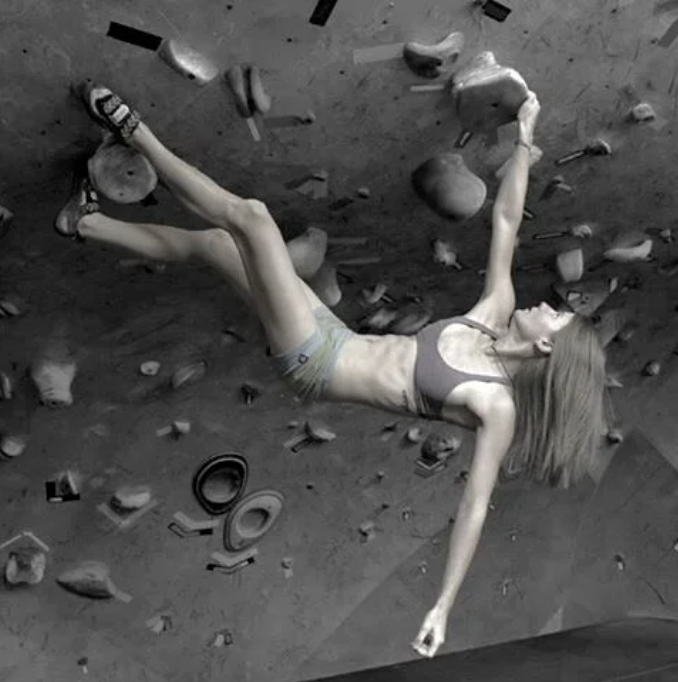
Episode 17: From Viral Rock Climber to Neonatal Flight Nurse | Rachael Lee Sortor | NICU & Adventure Athlete
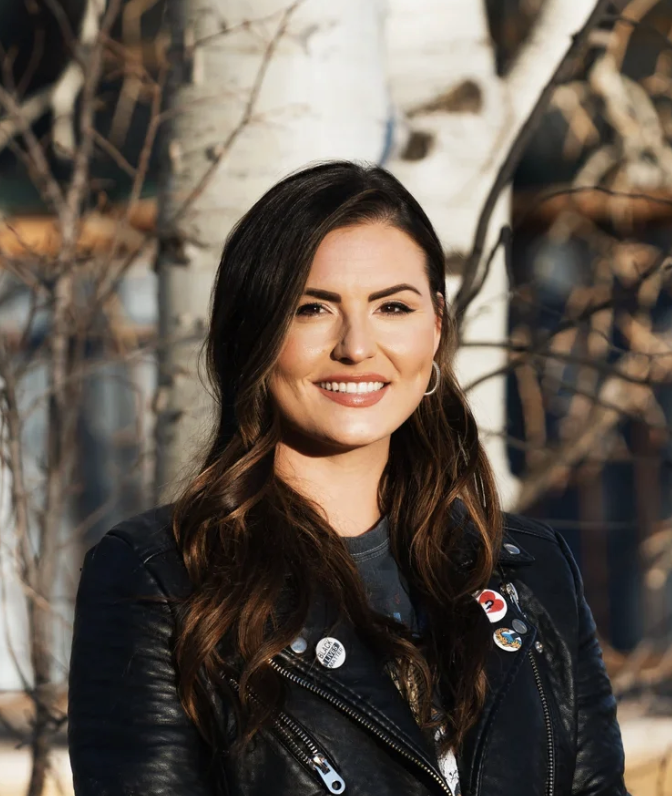
Episode 105: How to Stop Being Conventional and Create the Life You Deserve | Shae LaPlace | Writer & Founder of Bad Outdoors Woman
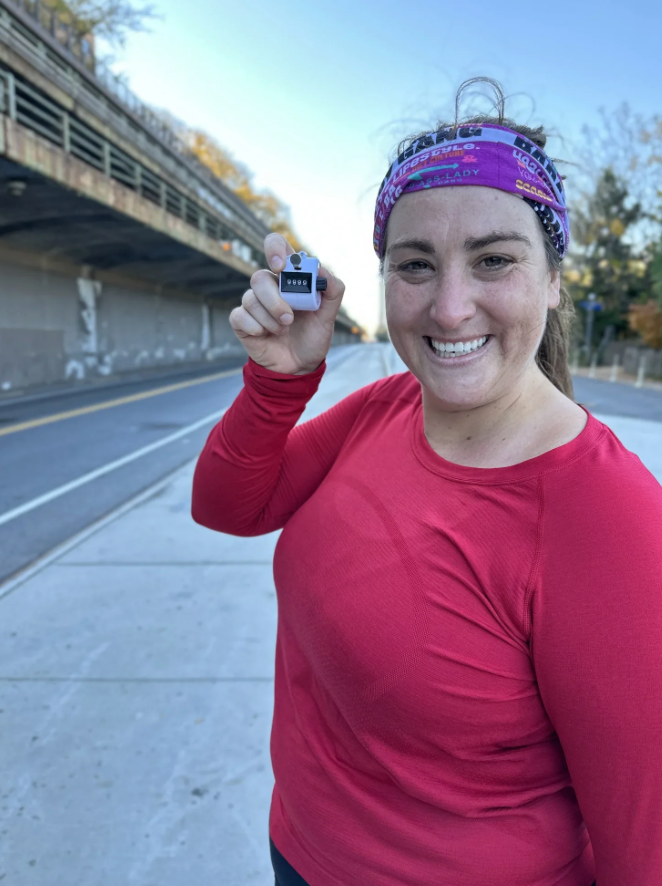
Episode 209: From Hating Running To Leading a Movement | Kelly Roberts, Founder of Badass Lady Gang
Created and hosted by Kara Duffy
Audio Engineering & Editing by Jordan Duffy
Production by Jordan Duffy
Graphic design by Jordan Duffy
Music by Joakim Karud