Episode 364: Family Law, Judicial Ethics & the Human Side of Justice | Ami Sagel | Orange County Superior Court Judge
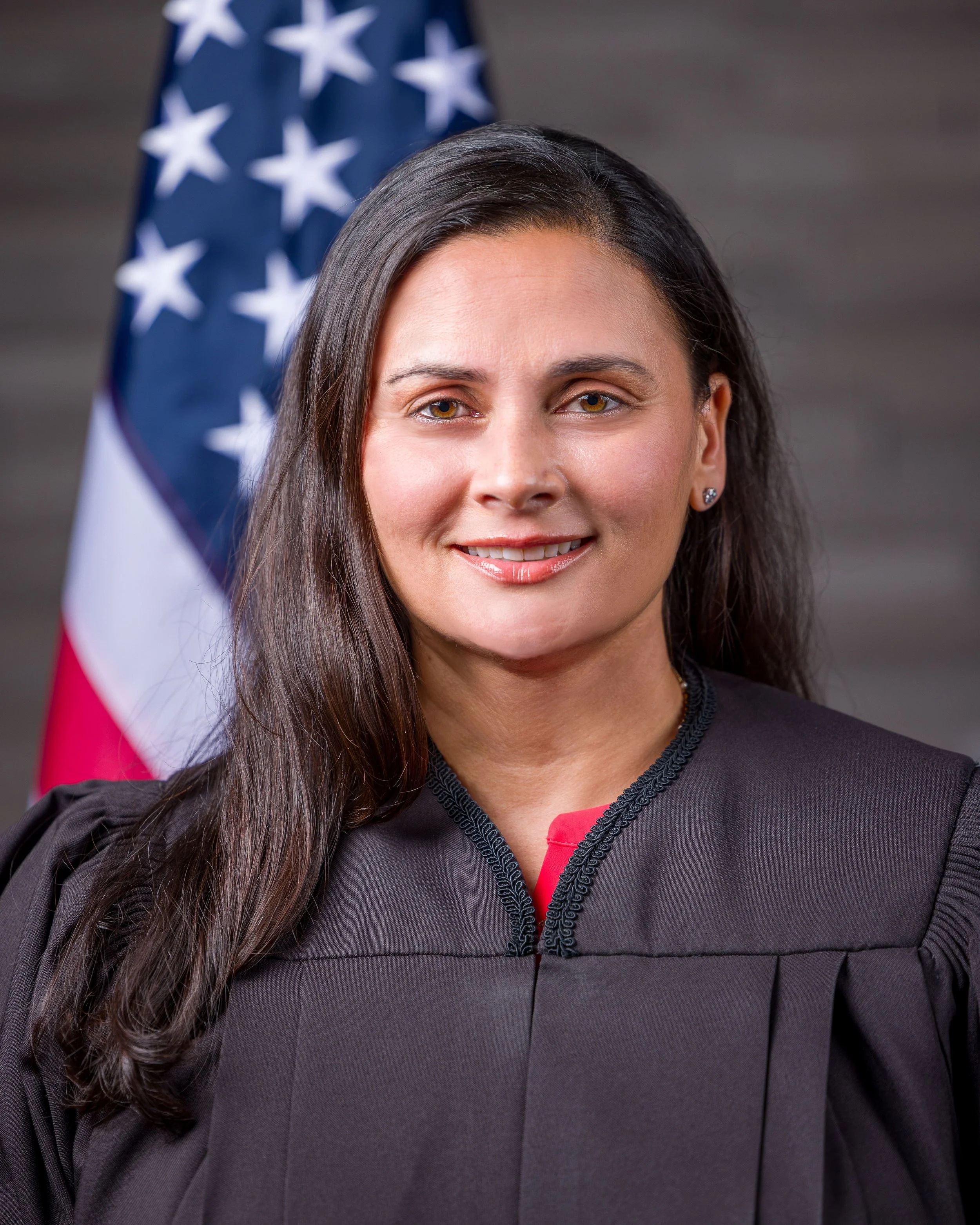
Family court impacts some of the most personal and emotional moments in people’s lives, but most of us know very little about how it actually works. In this episode, Orange County Superior Court Judge Ami Sagel pulls back the curtain on the realities of being a judge, the moral responsibility of making life-altering decisions, and the human stories behind divorce, custody, and domestic violence cases.
Kara and Ami explore how judges balance fairness with discretion, the growing mental health crisis affecting families, and why compassion and accountability are essential inside the justice system.
“It’s very hard actually to sit in judgment of people and know that how you rule is going to affect not only the people sitting in front of you, but likely so many other people connected to them.”
-
-
364_Ami Sagel
===
[00:00:00]
Kara Duffy: Welcome to The Powerful Ladies Podcast. I'm Kara Duffy, and today's guest is The Honorable Amy Segel, a judge in the Orange County Superior Court System in the area of family law. In this episode, we discuss the ethics and morality. A judge must uphold the workings of family law. The weight of responsibility and power a judge holds and how judges make their decisions.
She's also up for reelection at the time of this recording, so we dive into what that means, why she's challenged, and how you can support her. Which is a great reminder that there are so many important elections happening this summer and fall across the us.
Take a moment to research when elections are happening in your community and who is running. Our lives are so much more impacted at local elections than we realize.
Welcome to the Powerful Ladies [00:01:00] Podcast.
Ami Sagel: Thank you so much. I'm, it's a pleasure to be here. I'm very excited and it's nice to nice to have this time. Thank you.
Kara Duffy: Let's begin by telling everyone your name, where you are in the world, and what you're up to.
Ami Sagel: Okay, wonderful. My name is Ami Sagel and I am in Orange County, California. Beautiful. Orange County, California. And currently what I'm up to in the world, of course, as a mom, working mom in her forties, that's, it can be answered so many different ways. But I'm currently a sitting orange County superior court judge.
I preside over a family law calendar and I have a family with two young children that are in elementary school and a dog and a husband. So. That's me in a nutshell, and then as we get into it, I'm sure I'll tell you more about kind of what's been going on with me more recently.
Kara Duffy: Yeah, perfect. This is the first time that we are having the pleasure of having a judge on our [00:02:00] show. I think that being a judge must be so fascinating and sometimes equally frustrating because I don't think that people realize the equal power and limitations that a judge has. Do you maybe wanna explain that for people who aren't in the legal system on a day-to-day basis?
Ami Sagel: Thank you actually for mentioning it and the way that you put it I think is very accurate and it's not even something I fully appreciated. Having worked as a lawyer for 20 years before this, it's not something that is understood until you step into the shoes of a judge. Because like you said it's, I can say equal power and equal responsibility.
As a judge, you are fortunate and humbled to have an impact in people's lives, and that's very hard. It's very hard actually to sit in judgment of people and know that what you, how you rule [00:03:00] is going to affect not only the people sitting in front of you, but likely. So many other people that, that those individuals are connected to.
And I can get into the specifics because I do family law, so that's even more important with what I do. but it's not an easy thing. And in order to first become a judge, that's why the vetting process is so intense. It's because once you're there, you know what you say and the way that you apply the law.
It has such a profound impact on people's lives. And then equally are your limitations. And before this part of my career path, before this included working as a federal prosecutor, so you know, to me I likened some of what I was going to be doing as a judge and public service as to what I did as a prosecutor.
And there are specific limitations and ethical responsibilities you have there. And even I will say any attorney that's a barred attorney in any state. Has ethical duties. We're called [00:04:00] officers of the court, and the reason for that is because, we have to strenuously and appropriately advocate for our clients, but we can't step over certain lines as officers of the court.
Well, as a judge, all of that is heightened and ultimately, not only on the bench, but also in your life. You have to think about. The the appearance of everything that you're doing, whether it's a political activity, something that you might say at a party, the way you might behave out in public, all of that ends up being a reflection on you as a judge or you as a bench officer.
And so in California we are governed by what's called the California Code of Judicial Ethics, or the judicial cannons, and those canons apply. They have to do with rules that we have to follow both inside the courtroom and outside the courtroom that have to do with impartiality. The, making sure that we're acting appropriately, ensuring that we're not [00:05:00] using public office in any way, shape, or form to either further own goals, whether they be financial or not, or put our name or put our kind of authority behind something.
So all of that, there are very strict rules and restrictions that you have to kind of live by. Things that you wouldn't even necessarily think. Right? Things that, you, in your normal everyday life, you might, have a friend running for office. You may wanna support that individual and it might be, someone in your community who you're really a fan of, but as a judicial officer, you actually can't participate and endorse others in elections other than judicial candidates.
So that's, I mean, that's one example and is particularly pertinent. To what I'm facing right now, but that I can come up with so many other examples where you have to toe the line of I'm a judge inside the courtroom, but I'm also a judge when I'm in my community and living my life.
Kara Duffy: I appreciate that there are leaders in our [00:06:00] community and career paths in our community that do have such a high moral and ethical standard where it does matter what you do outside of work as much as in work. I think that we might have a happier world today if that was held in more roles of authority.
because we forget. I think that it is a reflection like how you do one thing is how you do all things. And while I would imagine that most people who are judges don't need to like, worry about or clean up their personal lives 'cause that's how they got there in the first place. But it is something to be mindful.
All the time of am I withholding the agreements I've made? Am I withholding the value of the role that I have and the community that I serve? It really changes how you're orienting your whole life. And I can also imagine that's frustrating. I think what people also don't know about the world of being a judge [00:07:00] is that you can't just decide. I love being on jury duty. It's like the closest thing I get to fangirling in the law space, and I'm always amazed every time I do it how little power the judge actually has. And like I'm sitting on the jury being like, it's okay. We've only been here four hours. Clearly this person is guilty. Can't we just already make a ruling and everyone moves on like we are wasting taxpayer dollars, but we can't, that's not the system.
So when can you step in with your authority and when do you have to allow the process of law to, to take place first?
Ami Sagel: That's a great question as well. And I must say first that I've always wanted to serve on a jury, and I've never had that. You know, I've, I've gotten called for jury duty, but usually I'm excused before we actually get to. Be assigned to a case. I think that would be a very fascinating thing to do [00:08:00] as a lawyer and now a judge.
But by the way, judges also get called for jury duty, so I don't think a lot of people know that. And we have, we also have to serve our civic duty and and show up in court when we get called for jury duty. But so you know, you're, to answer your question, it really depends on the law and the case type.
So most people are familiar with civil and criminal cases, where ultimately a jury makes the decision. And in criminal, of course, it's guilty or not guilty and civil. It's whether or not you're going to rule for the plaintiff or rule for the defendant. And that is a system that's obviously so important to our democracy.
And, truly as a judicial officer, I appreciate it more than I ever did before. I mean, I. You learn in history class and I learned as a lawyer how important it is, but it's really fascinating to know that it is a community, truly of our peers that make those decisions. And, like I said, sit in judgment.
I just feel like that statement has such a powerful effect. Everyone can understand how difficult that is. [00:09:00] However, we also have other case types that. Don't involve juries. And so family law and anything really, most things other than criminal involving children and families are case types where ultimately all the trials are called bench trials and that means that it's a judge making all of those decisions.
So all talk specifically about family law, just because that's where I've been assigned. I've been a family law judge now for almost two and a half years. And what that means is day in, day out, I deal with divorce. Child custody. Financial orders related to divorce or child custody, meaning child support, spousal support, division of assets and then also domestic violence cases and adoptions and parental termination of rights.
That's kind of in a nutshell some of the work that I do. Pretty much none of those case types involve jury trials and the judge ultimately has quite a bit of discretion. [00:10:00] And I, I. I kind of, I don't struggle with it, but I always think about this question of discretion because ultimately it's a question of equality and fairness, right?
And I do think that you can't have, you need a blend of the two. But the reason I find it so interesting is because, if you were creating a society, then is it better to have the same exact rules apply to everyone almost robotically. In order to ensure that you're treating everyone fairly, or is it better to create a system where the judge has the discretion, where you can consider specific circumstances, because the fact is we're not all the same. We're not all gonna come to court with the exact same situation. We're all gonna have some nuances to our story or to our relationships that might make a difference, might make a difference in what a judge might rule.
But then you have to be okay with a system where if you're before one judge, that judge might come up with, decision X. And if you're before another [00:11:00] judge with the same story, that judge might come up with decision Y. And so as a family law judge and being what's called the finder of fact, normally the jury is the finder of fact.
In my cases, I'm the finder of fact. I listen to the evidence and. Let's say it's a case about domestic violence, I have to determine whether or not the standard's been met by the moving party. And there is a lot of consideration that I put into those decisions, but the thing I would love for your listeners to know, and as you mentioned in the beginning, this is the first time you're having a judge on the podcast, is, I love that I'm doing this because I do think it humanizes the people on the bench.
And as an attorney for so long, and as a judge now, it's easy to forget what it's like for people to walk into court and have to walk into a courtroom and swear under oath before a judge, before someone wearing a black robe and tell them your story. Again, which, what I listen to is the most personal, [00:12:00] intimate stories that you can imagine concerning divorce and things like child custody.
And so to me it's like. What I try to do is ensure that people who come to court know that there's a human being on the other side who can relate, who can understand, and whether I rule for or against you, will listen fairly to what you have to say and try to understand the situation. I think that when I think about my role as a judge, specifically when I'm the bench officer, making the rulings rather than a jury.
I have to just, it never leaves me how important the decisions that I make are and try to connect with the people before me as a human being.
Kara Duffy: Well, and so often in family court, you're making choices that. Impact the trajectory of a child's life.
one of my friends from college was the prosecuting da in the city of Worcester in Massachusetts, [00:13:00] and she was given all of the cases involving children. And as a mother of two, she had to change after a while because she's like, I can only, and there's a lot of like child abuse cases and a lot of just horrible things that she was exposed to that happened to kids. And she's like, I can only take it for, I think it was five years before, like I couldn't take on more of the sadness and more of the pain. She's like, I loved fighting for these kids, but I, but at some point you're like, when is the world gonna like, get a clue?
And like, I don't want any more cases, like I want them to go away. Mm-hmm.
Ami Sagel: no, I think five years is actually a long time to have done that work, especially when you can relate on a personal level. It's funny though, I joke about my career path because I feel like as a lawyer, I've always picked things that. Are difficult, right? That are emotionally [00:14:00] difficult.
And I think that it go, it must go for me at least hand in hand, right? Like I want to do work that's meaningful, therefore I'm going to be in some level of emotional turmoil. But basically, so I think it's worth explaining kind of a little bit about my background after law school. I worked at a corporate litigation firm in New York for three years, and then directly after that.
Somewhat inspired by that. I ended up at the US Attorney's Office. So I was a federal prosecutor for about fi a little more than five years here in Southern California. And some of my work as a federal prosecutor included sex trafficking cases. And I just listened to one of your recent podcasts where another, you had a wonderful guest speak about her experience in that area and that was very difficult because on one hand I did feel like it was extremely meaningful work. I was meeting with minors who were victims and honestly sometimes even perpetrators of sex trafficking. And then I was meeting [00:15:00] with the offenders, the defendants who would either wanna come in and plead guilty or come in and cooperate with the government.
And so I learned a lot about. The underbelly of our society. Things that otherwise in my community of, my social community, I wouldn't really have any connection to. And a lot of people that, live around, probably don't. And it is, I remember specifically going home at night, sometimes, like, just crying, just, just the tears flowing because you meet with people who, number one.
Probably have been vulnerable from the start and disadvantaged from the start. And then you see how really actually very smart entrepreneurial individuals manipulate and take advantage of their targets. And they're specifically targeting people who are vulnerable. And so I did some of, I did that work and then after that I wanted to, I decided to leave the [00:16:00] US Attorney's office.
And I, again, ended up in a field involving children and families where I did adoption work and parental termination of rights. And again, it's something that people think of when they think of adoptions. It's usually a happy thing. It's a pleasant thing. But part of the work that I did involved involuntary termination of parental rights and I'd, I've represented adoptive parents, birth parents who stood to lose their rights as well as minors in those cases.
And again, it's it's all relatable, as a mom, as a woman, as I think just a member of society. And the funny thing is, the more people I would talk to just in my community about what I did, the more I realized everyone has a connection, right? Either someone's adopted, they know someone's adopted, someone in their family was adopted, or they adopted their children themselves.
And these are just very human stories that you can relate to. And now on the bench, I do some of that work, for. For on the other side of things. And I think for me, there are days, I mean, there are days [00:17:00] where your cases don't leave you and you're up at night thinking about a case, whether or not you made the right decision.
You're still thinking about it. And there's some really scary things that you see and that happen in court. And I think that over all these years of doing this work for me, the key is I'm not good at. Compartmentalizing. I can't say I can't come home and just turn off that side of my brain, but the fact is that my family knows, in general terms, not anything specific.
What I see at work, and for me, talking about it is actually helpful, and so I hope I last in this area for a long time because I do find it meaningful and very challenging work. But I do think for someone like me it's important and your friend too. It's important to always keep tabs on how it's affecting your life.
Kara Duffy: it's equally powerful and equally overwhelming when you know the truth versus live in whatever bubble we were in before. And I think there's no way to be involved in [00:18:00] law and especially at the local community level and not be able to see the breadth and width of like what members of our community are dealing with.
And it's so easy, we talk about the bubbles we're in because of technology and social media, but I see so many people. Friends across the US who feel like they're in a neighborhood bubble. Like they go from their house to work, maybe to the kids' school, to the park, like that's it. Like there's a lot less third places, a lot less mingling across economic lines, neighborhood lines, et cetera.
And so I think it's a really unique position to be in where you're seeing everyone across the community, like it's much more of a. Full data set of what's happening.
Ami Sagel: That's a good point because I like to say it's divorce is the great equalizer. In the same day, I mean, really back to back, I can have cases where the [00:19:00] family that's getting divorced, they can't afford to make ends meet. Right. And they couldn't, let's say they couldn't afford it when they were all living in one household.
Now they split into two households and they have kids. And they need childcare and they're both working. And I will say there are the cases that tug at the heartstrings and they're gonna tug at the heartstrings because something horrible has happened, or the family's in turmoil. And then there's the unexpected cases that really get you.
And for me, it's the financial ones where no one is doing anything wrong. And it's just that, it's just that it's too expensive. It's too expensive to take care of the kids. To have enough money for insurance, to have enough money for things like your cell phone and you can't afford child support because you're doing everything you can to stay afloat.
And we have a lot of those types of cases. And then right after that, I might have a family where, you know, the support on a monthly basis is in the six figures. Right? So socioeconomic issues, we [00:20:00] see the complete gamut. And we see that. With respect to race, gender, sex every kind of category that you can imagine.
Occupational status, educational status, everything that every, people everywhere, sometimes go through divorce or family situations that need help in court. And it is interesting because we don't talk about it really as a society, right? And part of the issue with that are all the mental health issues that I see in court. And I think it's interesting to think about that because sometimes there wasn't a mental health issue or maybe the children had issues, something and it led to the breakup. Or sometimes it's the other way around where the breakup caused so much turmoil that now you're in the situation where you're just, you're emotionally and mentally drained and you're not, you're not as healthy as you need to be.
And I would say that's an area where we as a society and we [00:21:00] as a justice system have some work to do. Right. And I think we've come far, right? I even the stigma surrounded with, going to therapy or going to counseling or seeing a mental health professional that's changing and that's changed in some circles.
But I do think that I wish I had more tools in my tool belt in the area of mental health. And that helping people at all levels, right? Sometimes it's a financial issue.
Kara Duffy: I was watching a documentary recently and it was talking about how when we think of child neglect, we usually think of the extreme cases of. Neglect and abuse and, but there's also just cases where it's like financially not possible. And the stats in Orange County are pretty extreme. I believe we're the most economic diverse county in the entire us.
And then I heard a stat recently that the poverty line in Orange County is $120,000 a year, which is absurd because 120 [00:22:00] is also the marker for greatest 10% wealth in the world.
Ami Sagel: That is crazy. Wow.
Kara Duffy: It's totally crazy. So I can imagine how there are families again at doesn't matter what you're making, if it's all going out the door,
Ami Sagel: Right.
Kara Duffy: Still tight. And that to that impacts what's available for kids more than anything else. And I know so many women who. I know more women who have been divorced and are paying alimony than I know men actually, because women have either been the breadwinners or their husband was staying home. And it's really interesting when you think about the roles being reversed and how it's evolving today.
Ami Sagel: Yeah, I think, yeah, absolutely. And that I would say is interesting when it comes to the history of family law, because family law really grew organically out of a need, right? Like it's unlike civil or criminal cases where generally speaking, [00:23:00] at least one side doesn't wanna be in court, right? One side's suing the other.
Or one side's prosecuting the other. And you have to take a proactive step to be in court. The difference is in family law, no one wants to be in court, right? It's essentially a relationship that grew out of love, right? It's not, it wasn't a business transaction or a contract, and the only way out is to go to court.
And let me start by saying that most families who split up or get a divorce. Are able to resolve things without ever having to come to court. And so if you think about it like that, the cases I see are the filtered ones that are the most contentious or the most high conflict, generally speaking.
And sometimes I will say they're not even that I contentious because they kind of need a reset to understand how this is gonna work. And then they go on their way and we don't see them come back that much. There's other cases, [00:24:00] however. Where it just takes a lot more work to get the families on the right track if they can even ever be on the right track.
And so, from my perspective, the interesting shift in family law is that before I, well before I was probably even practicing law, the way family law worked was the attorneys would go into a back room with the judge and make certain decisions and come out, and the parties would then hear, okay, here's what we're gonna do.
And of course you would never want decisions about your life to take place outside of you being there and off the record. Right? And so I'll say sometimes it's still appropriate to have what's called a Chambers conference, which is an off the record discussion with the attorneys. And the reason being I think that's helpful is, the attorneys aren't emotionally invested in the case, so we can at least take some of the emotion out of it and have an honest discussion about what's going on.
If I do that first, I, of course get the party's permission. And second when we go back on the record, I [00:25:00] try to summarize what occurred, right? So there's transparency because that's important. But back in the day, there were two kind of steady states that everybody lived by. One was generally speaking, the mother was the primary caregiver, and she probably had a default advantage at the divorce stage related to the children in custody.
And two is, the husband was probably the primary breadwinner. And there was a sense of, is the mother trying to take advantage of the situation by seeking support? Well, now these days we have such, I think, thoughtful laws in place as to how to address these issues in today's society for our needs.
That it's those same. Those same defaults, at least legally don't exist. Now, you still have to check your biases at the door, right? Because I've had cases where perhaps the names of the case, the names of the parties didn't key in whether they're female [00:26:00] or male. And I'm reading through and you have certain assumptions and you have to be careful of those assumptions, right?
Sometimes they're not what you might kind of immediately go to. And importantly, when it comes to custody, there is legally no. difference between mother, father, and of course in this day and age, we have same sex couples too, right? So, I mean, we always did, but now we recognize them in a legal way.
But basically in those cases, the parties are entitled to consistent and continuing contact both parties are. Now, that doesn't mean you don't think about what has the family been doing, right? Because ultimately you wanna ensure that the children. Are in a situation where not, there's not a change that's too jarring for them as well, so that plays into it.
But I will say sometimes the, what you'll see is a situation where one party, mom, dad, whoever was the primary caregiver, and now the household is split into two. And sometimes it's hard for that individual to accept the fact [00:27:00] that they may not now make all the decisions, do all the dentist appointments and doctor's appointments.
They may not. Take care of all the meals. Right? And that that is a learning curve. That's, there's a process that you have to kind of accept and understand that because there are children, right? Like you wanna have all the control. And when you have two households, you don't necessarily have that. Now, the same exists when when you mention like in the financial realm where yeah, I've seen plenty of cases where you have a father who's the main primary caregiver at home or even.
Maybe they both care for the children, but he makes less than the mother. And the rules apply the same way. So I'm lucky to live now as a working mom, right, as the person on the bench, I'm able to apply these rules without considering gender and these traditional roles.
Kara Duffy: Yeah. I'm gonna go into some questions that you're, feel free to say skip 'cause I don't know where they fall and what you can or can't answer. But with the state of the world today, [00:28:00] when I'm looking at how I can find peace, a sense of normalcy, a sense of the right thing happening I've been really working on building my village.
And what does it look like to be a good villager? What does it look like to come and be more involved at the community level? And I wonder if you feel any pressure being so active in our community to be upholding moral and ethical lines, maybe even more so based on what we're seeing, have the laws being. Used or not used appropriately? Like do you feel more pressure to be like kind of holding the line in the work that you're doing every day?
Ami Sagel: I think that it more than ever, I am very conscious and aware of the importance of my role as a judicial officer. And it's never, at least for me, I, it's not an ego thing, right? Like being a [00:29:00] judge, I'm very lucky and I will say people. Being on this side of things. 'cause I'm still closer to being an attorney than I am a judge.
Meaning I was an attorney for about 18 years, be before I became a judge. So that's the steady state for me. And I have a funny story about when I first took the bench and I was hearing cases and people call me Your Honor and things like that. I think at one point, instead of referring to someone as counsel, I said, your Honor, and everybody laughed.
It was a funny moment. But I seeing things from that point of view that. People automatically, a lot of them, not everyone have faith and trust in judges. It's very humbling, right? To be in that role and to know that because you're wearing this robe and you're sitting in this courtroom, that automatically you have a, an important voice and an important role.
So when it comes to that, I think, again, whether it's on the bench making [00:30:00] decisions or around my community, it's just something that you, you think about, it's something that you don't leave at home and and it doesn't always come naturally, right? Especially, like I said, I've been doing this for two years, so it's this double check where you're like, Hey, is this what I wanna be saying?
Is this how I wanna be acting? Can I express this in a more empathetic way? And as a human being, you're not always going to meet your goal. You're going to, there's gonna be times when you're like, I really, I got frustrated and I shouldn't have, or I should have, I should have thought about that better.
I should have allowed them to say one more thing, whatever it is. But I think the realization of the importance of upholding law, right? Which is what we're supposed to do. Is so important. And I now look at, I mean, it's funny when I hear pe, other decisions other judges have made, for example, I'm thinking, wow, they really did a good job on X or [00:31:00] Y in a way that it's just so, it's so fascinating to me.
I never thought like that as a lawyer, right? I separated myself from the person making the decision. I can give you, examples of that. But that's I think what I can say, and I hope that answers the question.
Kara Duffy: Yeah, I think so. I mean, I think that. Because there's a gap in the general population's understanding of civics and the laws and what they actually say and how things can be decided on and rolled on. It can be really frustrating because the unquote, like right answer isn't always the legal answer, and it can be really frustrating because. How laws are implemented and changed. Some of it does happen in the courtroom based on a ruling, but often it has to go somewhere else. And you're only tied to usually [00:32:00] precedents or what the law says, and you're like, like this is the box that you have to work in. And so I can imagine there's moments when you're screaming at the wall being like, someone else fix this 'cause I can't change it over here.
Ami Sagel: Yeah. Oh, you're absolutely right. We have very collegial bench. I can walk into anyone's chambers and, ask questions or talk if I've, if struggling on a decision or wanna talk through a specific case. And I've done that where I'm like, there has to be a way for the right answer to be the answer, but whether I can get there or not, let me start by saying, so most of family law are their self-represented litigants. And when you say frustration, that's with a, that's with a capital F, right? Because first of all, imagine you're already weighed down by anger, resentment, sadness, right? Because you're probably going through this breakup, this family bake breakup.
We're going through domestic violence or been accused of domestic violence, something that's horrible and emotional. And then you [00:33:00] have to fill out the right forms, right? Like you have to know how to get before a judge. And even as a practicing attorney, if someone asked me to file a disillusion case, I wouldn't have known exactly what to do.
I would've had to really learn about that area of law as an attorney. So as someone who may have never before, stepped into a courtroom to know what to file. And then once you file it, you have to get a date. And then once you get a date, you have to correctly serve that paperwork on the other person.
And once you do that, you have to then file a proof of service to show the judge that you did correctly show the other person, in the courtroom. That is an uphill battle. And I'll have cases, I can give you an example where, let's say the parents there, they're seeking sole legal and sole physical custody.
'cause the other parents just been MIA for like the last two years. Right. So they come to my courtroom, they have filed their paperwork, they have a date, and I look and I'm like, look, I'm sorry, but there's no proof of service. And I'm like, [00:34:00] well, what does that mean? And then you have to walk them through the steps of how they serve the other person.
And that's an, that's a good example because let's say that parent's saying to me, look, this person hasn't been involved in the children's lives in two years. I just wanna be able to enroll them in school. Or I just wanna be able to take them to the doctor. Or, what is it? And there's ways I can address those specific issues.
But long story short is I have to explain to them why we have this process. Right? And the reason is I can't just take their word for it. I have to ensure that there's something that shows me that this other person got notice, or that we tried to give this person notes. I can't just make a ruling without the other person being there.
That would be, unfair. Right? So once you put it in terms that everybody can understand. Usually people get there. Right. But that's not easy because reading these statutes don't make any of this clear, right? I mean, it's very confusing. And so I think, again, trying to see it from the [00:35:00] eyes of the litigants as best I can is what I can do to ensure that like within this little box, people see why the law is the way it is.
And like I can give you one more example, which is. Before I start any domestic violence trial, right. Especially if the parties are self-represented, I say, here's how I'm going to be making this decision. And I try to explain like, okay, it's this person that has the burden. You have to do it. It's based on a preponderance of the evidence, which is different than in criminal court.
And we try to explain, a lot of US judicial officers try to explain, how we will be making the decision. At least so that everybody understands what it's based on. Of course, we can never step over the line of advocating for one party or another. And that's tricky, especially when you have one, one person who's represented by an attorney and one person who's self-represented. But it's important that everybody understands the rules that, that we play by right in court.
Kara Duffy: And I, again, I, I. Wish and hope that more people are getting exposure to those rules again. [00:36:00] Because if we don't know what, rules, were kind of what the rules of the game we're playing are, and most of us don't even realize how many things we have on a daily basis. It could impact us.
That's why I'm loving. There's been people on the podcast before, like the creator Rev Maisel, who's a lawyer who's constantly kind of breaking it down for every man. To hear things even about like, yes, police are allowed to lie to you, so no, you don't need to answer any questions. Like, just things that people just don't know if they haven't gone through any of that training or education. I don't think people realize on a day-to-day basis that we don't know the laws that are actually controlling our lives. And that's usually from a place of privilege 'cause we haven't run into it yet.
Ami Sagel: Right, and I think the stories that we hear on the news. Are also limited, right? Like you're not gonna get all of the specific facts on why something was decided the way it is. You're gonna get like [00:37:00] the juicy parts of it. And I'm greatly appreciative of journalism and media, but it's such, such a hard educational thing when it comes to something as big as the law.
And one of my favorite things, I think something like this podcast is again amazing to demystify the whole area. But one of my favorite things to do, and we're encouraged to do this as judicial officers. Are things like going to constitutional days at law schools, or I'm sorry, at high schools and having high schools come to court.
Because if early in our education civics lessons like, what you might encounter in the justice system or how our legal system works, I think that would be such, it really should be a foundational thing that everybody learns, right? Because. You don't need it until you need it. And then when you do, you're, you might be in a situation that's traumatic.
And so you need to have kind of a baseline understanding. So yeah when we go to high schools to talk to students, that's the best because you get the [00:38:00] best questions, because chances are, even if they haven't encountered something, they've heard stories or they have a family member or someone and they're curious, to understand what they're supposed to do in those types of situations.
Kara Duffy: we, you hear so many cases of what families have to go through when someone, a friend, a colleague, is asking your advice. What do you wish more families had in place to either make it real fast to work with you, or to just skip the whole core process in general?
Ami Sagel: Yeah. Well, I think there are some resources out there that it's worth families exploring. There are clinics. And legal aid and self-help through the courts, that can help families at least get started and understand what they face, whether it's through a contested divorce or everybody's amicable, they just need to know how to file the paperwork.
So in that way self-help in Orange County Courts is, has come such a long way and we have such a dedicated staff [00:39:00] of individuals who try their best to do what they can without giving. Legal advice, help point parties in the right direction. The Orange County Bar Association is also a wonderful organization that, they have, it's a community, it's an association of lawyers in all different fields.
And they have a number of educational tools that are available. Inclu, including referrals to attorneys who do various areas of law. And I would say. Other than that, the general advice I can do, I can give, and this is hard, but what happens in some of these high conflict cases is that I think the party starts seeing the trees more than the forest.
And it's human. I think if I was in that situation, it would be hard for me too. It'd be hard for me to have the clarity that I can, as a judicial officer outside of the situation, I can maybe see things differently than when you're in it.
Kara Duffy: Mm-hmm.
Ami Sagel: And what I think the important thing is, you have to be able to be in a position to let go of [00:40:00] some of the pain because if the pain is driving and motivating your actions it may not only have a negative impact on you because you're gonna prolong the litigation in the case, which is not just money, maybe in attorney's fees, but it is so stressful to have ongoing court hearings.
I have to come to court all the time. To maybe have to testify against the person that you used to love and subject yourself to cross-examination from the other side, right? All of the horrible things come out and they probably won't come out in the way that you would like or appreciate. Like that creates quite a stress and a burden on people that you may not really realize at the beginning of that process, and then maybe even more importantly, has such a negative impact on the children involved in that situation, right?
Because. Again, I think parties. I don't think anyone's coming to court saying, I'm gonna destroy my kids by getting a divorce. It's just that you start like maybe the other person's [00:41:00] done something that you feel like is, has insulted you or has, minimized your role in the children's life.
Then you do something because you feel like, if that's the game they wanna play, that's the game I'm gonna play. And it's just a race to the bottom ultimately, right? And someone has to end up forgiving. Someone has to end up being the bigger person under in order to kind of reset things. And what I see sometimes is, you don't think that your children are involved, but our children starting at a young age, are so intuitive.
They understand when we're upset, they understand what we're upset about. Whether or not you've tried to hide it from them, they usually figure things out and then by the time they get older, sometimes they try to use that, they try to use, they pit parents against each other. And again, it's not necessarily like a cruel thing.
They're just kids, right? They're kids trying to survive in this situation where you have co-parenting or a broken household [00:42:00] and and they're just, they might be dealing with their own. Issues about it. And in the meantime, they may feel like they side with one or the other parent at various stages.
And then if they see that they have power in that, right? That like, okay, well this is working because I insisted, I wasn't gonna go to mom's house, I was gonna stay at dad's house. This is working. I'm gonna keep asking for what I'm gonna ask for. Oh, I'm gonna get dad to get me a phone even though mom doesn't know it or vice versa.
Right? And so then, it's really hard when the parents aren't on the same page. And what I try to remind, remind families is that even if you were married and living in the same household, you're gonna have disagreements about parenting, right? Like that's a part of life. And it's just the only difference is now you're living in two households and unless one parent is doing something to seriously, negatively impact the children, you're gonna have to learn how to be okay with different parenting styles. These are kind of general tools that I think might be helpful, right? That people remember [00:43:00] that they're gonna have to live in a new reality that accepts parts of the other person that are different.
Kara Duffy: Compromise. I think what a lot of people also don't know is how judges are appointed
Ami Sagel: Oh yeah.
Kara Duffy: That's kind of what you're also up against right now. So do you wanna explain that and explain what you're in the middle of right now?
Ami Sagel: Yes. Thank you for bringing that up. So, judges in Cal in the state of California, this goes for state judges, not federals judges in the state of California, they can be elected or appointed and e if either way you have a six year term. The only difference is when you're appointed, you are in the middle of someone's six year term.
And when you're appointed, what I mean is. You get appointed by the governor. So for me, in, I applied to the bench in 2020 and I was appointed in 2023. It was the hardest, most intense job application process I've ever done. And the way that it works [00:44:00] is essentially that you have to go through various stages of vetting from attorneys and judges.
And, first you fill out this application. I think mine ended up being like over 50 pages or something. And you list everything that you've done in your legal career. You list other things related to your personal life. You talk about yourself and your motivations and all.
You wanna be a judge. And then you list not only the attorneys that you've worked with, but also the attorneys that have opposed you, the judges that you have appeared before. And all of those individuals may comment on whether or not they think you would make a good judge and whether or not you have the qualities ne necessary, which include an even temperament, the ability to be impartial and unbiased.
A strong understanding of the law and how to apply the law being hardworking, which is important, having humility and really having the ability empathetic for people. So those are some of the qualities, that we seek. And then in addition to [00:45:00] this community of people who may be for you or against you, then these applications get sent out or not.
The applications, these evaluations get sent out to random a large group of random attorneys and judges who can also comment on you again just to capture. Of a true and whole picture of who you are as a person and as a lawyer. And so for me, that process was quite intense and involved. And ultimately I was very lucky and thankful to be appointed by Governor Newsom in 2023.
So I I took someone's seat who had been, who had retired. So my seat is now up for reelection and I'm in fact being challenged in this election. So I'll be running for, to keep my seat as a judicial officer. The election is for the primaries. So ballots go up May 4th, and the actual election day is June 2nd.
It's a countywide election, so any registered voters, all registered voters in Orange County may vote. And I've been going through this election process, which [00:46:00] I'm really, it's arduous. It's difficult because I'm doing my day job. I'm not campaigning during my work hours. That would be unethical.
And, but after hours and before hours and at lunch I work on my campaign. That's a double-edged sword. It's a lot of extra work. It's a lot of work, impact on my family. But I have been so fortunate to meet so many wonderful people within the legal community and outside of the legal community in Orange County.
I have, I'm very proud to say endorsements from a number of community individuals including Sheriff Don Barnes community leaders on both sides of the aisle. Over 80 superior court judges, which includes our leadership on the Orange County Superior Court bench, and other employees and and workers here in Orange County.
Kara Duffy: And so is there a world where you could be up for election and no one challenges you like? Does that happen sometimes?
Ami Sagel: I, yes. So most judges who have been appointed to the bench or have run in an election. When they're [00:47:00] all, when they're up for reelection, most often those judges are not challenged, which means that the judge doesn't even end up having to be on the ballot and you just kind of continue in your role. Here in Orange County, there's been a history of, challenges against judges who are newer, who are female, who are females of color.
And I say that because I have now, talked to some other judges who have faced these similar challenges in the past. I'm the only judge in this election cycle being challenged, and also there is an open seat and two, deputy das are running for the open seat. So my challenge is both typical and exceptional because again, I'm the only one being challenged.
And one reason I wanted to bring up my ethnicity and my name, which my ethnicity is my family's Indian. I was born in India. And we came here and I was a, I'm a naturalized US citizen. And of course I'm a woman, is because my name became part of the issue related to this challenge. So [00:48:00] my full name is Ami.
She Sagel. Shef is an ethnically Indian name and it's my maiden name. But I, once I got married, I made it my middle name and I go by Chef Sagel. I also go by Omni Sagel. I go by Ami s Sagel. As we all kind of interchangeably use our middle names or middle initials. My opponent follow a lawsuit to argue that I must use my full name, including my middle name in the ballot.
And the funny to me, the funny thing about that is that Mr. Pell, who's my opponent, he's barred in California as Charles Edward Pell. Yet he wrote on his ballot that he wanted to be Charles Epel. Yet he felt the need to object to me being referred to with middle initial Ami s Sagel. Ultimately I won the lawsuit.
And although I'm extremely proud of my ethnic heritage and I care about my middle name, it wasn't, I didn't think it was appropriate or fair for someone else to dictate how my name should be listed on the ballot. [00:49:00] And that's why I insisted that my name be and challenged the lawsuit that he had filed.
I, it shouldn't be about race, it shouldn't be about gender. It shouldn't be about ethnicity. Especially not when the race involves a question of who can be impartial and unbiased and be a fair arbiter of the law.
Kara Duffy: And like where does, where's the Orange County tracking in? Like being a diverse judicial system, like, how many other judges are female? How many other judges are of color?
Ami Sagel: That is a good question because I'm very proud to say that the bench today here in Orange County is very diverse in all ways and the several years ago when Justice Jenkins who is Justice on the Supreme Court, he was what's called the Judicial Appointment Secretary under Governor Newsome, I believe.
And he wasn't the judicial appointment secretary who was involved in my appointment. He had already been elevated the [00:50:00] bench at that point, but he went around the community around the time when I was thinking about applying, and he talked about the importance of diversity on the bench. And really it was a kind of a call to action to many of us attorneys who understood what he was talking about, understood the need, but needed to question, okay, should I be someone that runs?
Should I be someone that seeks appointment? And I'm proud to say that as a female, south Asian here in Orange County, it was for me very motivating to think about the fact that, maybe I am qualified, maybe I can run. I didn't grow up seeing judges that looked like me. I'm proud to say that now the bench in Orange County is extremely diverse.
And I have served under presiding judge and assistant presiding judge who both female and the ones before the current one were also female. And I think that the bench right now in Orange County. Is a number of individuals who really care about their jobs, who really care [00:51:00] about the community, and who altogether comprise a diverse, group of judges.
Of course, we can always get better. I think that we need to improve the numbers in terms of African American judges and Latino judges. And the reason I say we need to approve those numbers is because when you look at society, you know you want just like a jury, you want our society to look like. The bench officers that we have.
Right? Or I'm sorry, the bench to look like the society that we have. And so I think it's important to encourage others who first, you know, from the stage of wanting to go to law school and then the stage of wanting to be a lawyer, and then the stage of wanting to be a judge to encourage people who may not have lived or grown up with those role models.
Right? Like me and my brother are the first to go to law school in my family, and I know a number of other. Individuals who are in that position. And I think it's important for us to, as a society, try to ensure that we're equaling the playing field by [00:52:00] encouraging different people to go into the law.
Kara Duffy: Amazing. Well, I am so thankful that you are currently on the bench and I'm excited to be supporting you getting reelected. I'm just really grateful that someone as considerate and compassionate and as smart as you are there are, we need more people who are following an ethical and moral standard and using logic to have, fairness over equality, I think. And so thank you for the work you're doing. Thank you for everyone that you help every day. It's a such an important role in our community and I'm really thankful that you're out there doing it.
Ami Sagel: Thank you so much. I'm thankful for this opportunity and. I hope that you keep doing this podcast. It's really incredible to hear the stories that I've heard through it. Thank you for that.
Kara Duffy: Thank you. And then for everybody who wants to support your reelection, get involved where can they like, find, follow and support?
Ami Sagel: Thank you. Yes. My website is judge ami Sagel.com. [00:53:00] It's A-M-I-S-A-G-E-L.com. And I welcome all support, endorsements, donations, and just, getting the word out about the election and educating yourself about the candidates.
Kara Duffy: Well, I'm very excited that I've already seen lawn signs for you in my neighborhood. So every time I went by one, I'm like, oh, yes, I get to talk to her. This is
Ami Sagel: Ah, that's wonderful. It's funny to have your name out there, but I'm very grateful. Thank you so much.
Kara Duffy: Well, thank you for your time today for being a yes to me and the powerful ladies, and I can't wait to see what happens in June.
Ami Sagel: Thank you. Take care. Have a great day. I appreciate the time.
Kara Duffy: Thanks for listening to The Powerful Ladies Podcast. If you enjoyed this conversation, please subscribe. Leave us a review or share it with a friend. Head to the powerful ladies.com. We can find all the links to connect with today's guest show notes, discover like episodes, enjoy [00:54:00] bonus content and more.
We'll be back next week with a brand new episode and new amazing guest. Make sure you're following us on Instagram or substack at powerful ladies to get the first preview of next week's episode. You can find me and all my socials@karaduffy.com. Until then, I hope you're taking on being powerful in your life.
Go be awesome and up to something you love.
Related Episodes

Episode 68: A Powerful Conversation About Racism in America | Sharifah Hardie, Ronda Brunson, Mikelle Drew & Chandra Gore

Episode 235: The Legal Rights They Never Taught You | Reb Masel | Lawyer, TikTok Creator, Host of Rebuttal

Episode 356: Space Law, Human Rights & the Future of Justice | Mary-Christine (MC) Sungaila | Appellate Lawyer & Space Law Professor
SUPPORT OUR GUEST:
Website: JudgeAmiSagel.com
Created and hosted by Kara Duffy
Audio Engineering & Editing by Jordan Duffy
Production by Jordan Duffy
Graphic design by Jordan Duffy
Music by Joakim Karud