Episode 385: The Power of Self-Advocacy, Career Growth & Negotiating Your Worth | Kelly Mooney | Author, CEO & Founder of Equipt Women
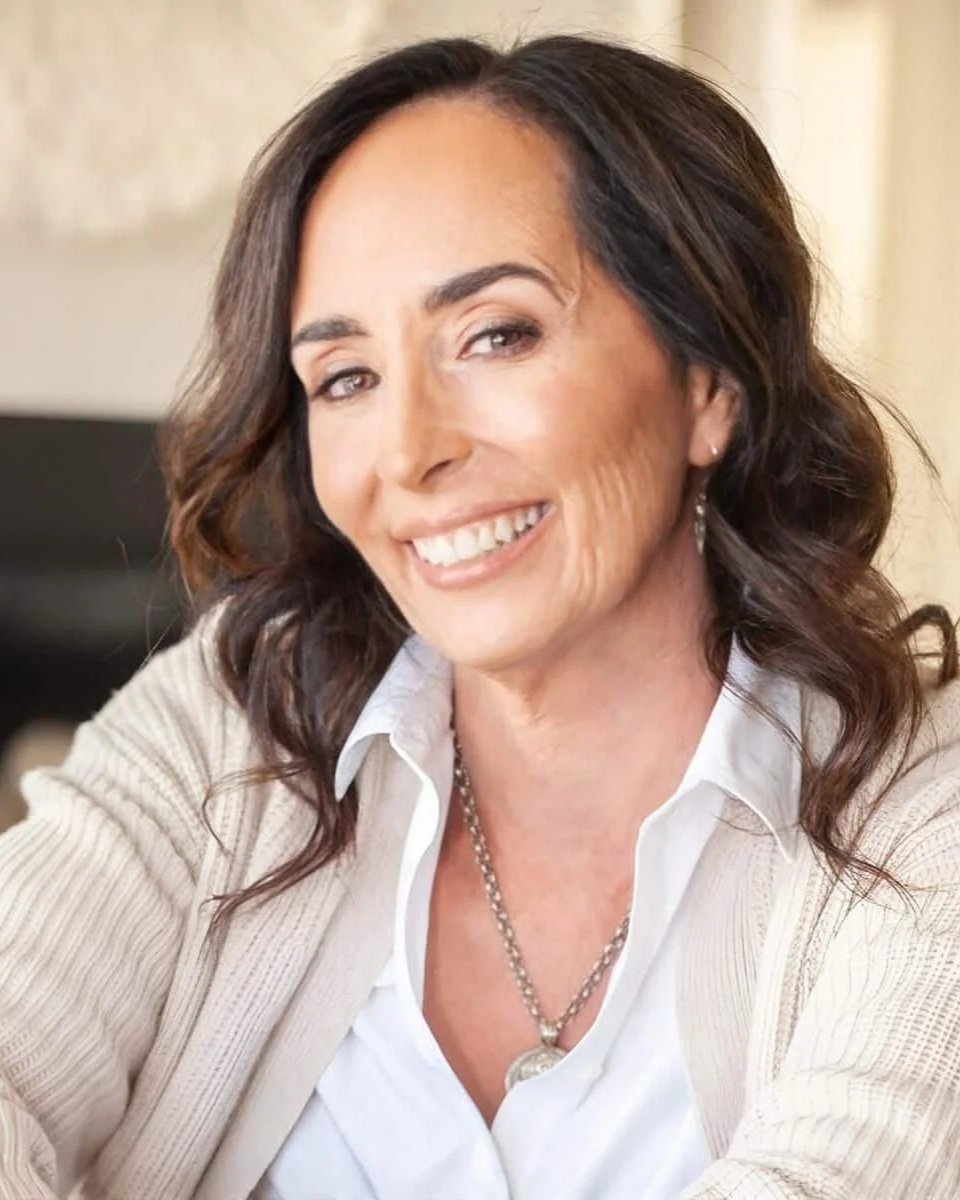
What if the next step in your career isn't working harder, but learning how to own your power? Kelly Mooney, a three-time author, entrepreneur, public company board director, and founder of Equipt Women, joins Kara Duffy to unpack why so many women struggle to advocate for themselves, get recognized for their contributions, and step into leadership.
Drawing on her journey from intern to CEO and scaling a digital agency before selling it to IBM, Kelly shares practical strategies for negotiating your worth, building influential relationships, and asking for the opportunities you deserve. They also explore the invisible rules holding women back, the importance of sponsorship, and how to build a business that grows without losing focus. It's a conversation packed with actionable advice for creating a career, & a life, that reflects your values, your ambition, and your power.
“I want to help more women stay in the workforce and ascend into roles of influence and power so that they can change the system to work better for everybody.”
-
-
385_Kelly Mooney
===
[00:00:00]
Kara Duffy: Welcome to the Power of Ladies podcast. I'm Kara Duffy, and today's guest is Kelly Mooney. She's a three-time author, including her newest book, Up, speaker, public company board director, and longtime gender equality advocate, And a mother of two who built her career while navigating the realities of modern work and family life.
Over a decade-long career, she went from intern to CEO, co-owning and leading the nation's largest women-owned digital agency, scaling it 15X and later selling it to IBM. She's also today the founder of the Equipped Women's Foundation, writes Get Equipped, a weekly career advice newsletter. In this episode, we discuss why there is still such a gap in women's empowerment to rise in the workplace, why women need to speak up to get promoted, what she would recommend to a marketing agency looking to scale like she did, how anyone can step into their power, and so much [00:01:00] more.
This is a juicy episode, and Kelly answers each question with incredible pro tips. Bring your pen and paper to this episode.
I'm excited for you to be here today because we have similar missions in empowering women to have anything and everything that they want Is that always what you were imagining that you would spend your time doing?
Kelly Mooney: No, not necessarily. It took me a while to realize I had been doing it my entire life and my entire career. I grew up with six sisters, and so I think the idea of female empowerment was just em- embedded in me. And then when I ran an agency for, I was there about 25 years, I had a management team that had seven women.
And so I had such a view of the world that [00:02:00] women were powerful and that women were highly competent and capable and so many other wonderful things. And then when I left that world, and so that would've been in 2018, I had to reflect on what I was gonna do next, and I was working with a coach at the time who said, "Write your life story. Just in 60 days, write your life story, and then let's analyze the themes." And the themes kept coming back to female empowerment, and I'm here to help women advance and love their lives and build careers that work for them and to drive equality in as many places as possible. And so it, it's been my path, but I also had to almost rediscover it about 10 years ago
Kara Duffy: You have written multiple books on business and this empowerment and kinda taking... The theme I see in all of them is taking charge of the space that you have to take up in this world. And I'm caught off guard [00:03:00] by how often people don't realize how powerful they are,
Kelly Mooney: Mm-hmm.
Kara Duffy: The space they have, the listening that they have. I wanna scream and shake people sometimes. Why does this keep being a theme that we have to come back to?
Kelly Mooney: I just came out of an event earlier this week that kind of laid out a lot of the issues. It depends your upbringing. It depends if you came from a, a s- a home with love and care and nurturing. It depends if you're a person of color. It depends if you're an immigrant. It depends what cultural norms have been passed on to you.
It depends how much of society's messaging you absorb. think that there's been real reasons for people not to see their power. There's been real barriers especially economic barriers that I, that are real for people. One of my sisters always jokes that I came out of the womb confident, and I don't really know, like how that happened, and I was lucky that was just my being.[00:04:00]
But I recognize that not everybody gets the guidance and gets exposure or the coaching. My daughter recently just accepted a new job, and I realized, like, all the micro moments in that two-month interviewing process about how she held herself and how she communicated and when she reacted or maybe when she paused, that getting that kind of guidance and coaching in your formative years is game-changing.
And so many people don't have, have that access or have that support
Kara Duffy: It's something that I have had to keep reminding myself on my career path. And it catches me off guard, like even being in practice and coaching every- people on it now, like it's... I still have to keep reminding myself how, what a gap there is in people knowing how much of their power they really have.
This podcast started because I would call incredible women and invite them on or invite them [00:05:00] to host an event, and they would go, "Oh, love this, but I'm not powerful." And I was like, "We're still saying this today?" It just baffles me. And so I feel very lucky, and I know it's a privilege that I think like you, I kinda was just born this way. And I take it as a big responsibility to pull as many people as I can into owning this
Kelly Mooney: Mm-hmm. And I think wor- the word powerful isn't one that we have been accustomed to using as women, as young girls. Young boys are socialized to wanna be strong and powerful and ascend into roles of power. And women often back away from that word to describe themselves as if it's negative or if power has to be used in a way that is harmful instead of power being used in a way that's constructive.
I want to help more women stay in the workforce and ascend [00:06:00] into roles of influence and power so that they can change the system to work better for everybody. And without that power, it's not gonna change
Kara Duffy: how do you kind of walk that line of using your power in the traditional kind of masculine sense and then leaving room for the soft power that you have?
Kelly Mooney: I know that every human has both masculine and feminine energy, and sometimes I have more masculine energy perhaps that some people might experience it that way. But I think it's... Somebody was asking me about this when did I discover my power?
And I think quite honestly, when I became a business partner with another woman, it was a-around the two-2000, and when I realized how difficult it was being sued by m-men who had lied, cheated, stole from the organization, misrepresented legal documents, and then realizing how difficult it [00:07:00] was to navigate the financial solution to get out of that mess, and then to retain employees and make payroll, and then find new clients, and doing all of this while I had two small children.
And so I realized "Oh, people are depending on me." So there was something that kind of grew up inside of me to get stronger and more direct and more bold and more brave. And along the way, I guess I hoped I kept some of my softness, but if that's something for me to work... That's probably something I could still work on sometimes because I can be very direct or to the point or let's just cut to it and make something happen. And so I don't know, Kara, if that's my skill set, but I am aware that I have the perfect balance.
Kara Duffy: I think you're preaching to the choir. It's really been a practice for myself the past couple of months, maybe a year now, of remembering. And I have a, a quote of it on my wall that [00:08:00] says, "Just being in the room makes a difference." I'm so used to putting points on the board and seeing the production and having value tied to that, and moving things and making things happen.
And so to just to not be in that role can be challenging sometimes. And I think I have a good boundary with clients with it because I'm guiding them. I can't do the things for them. So that's helped build that. But even still, in everyday things, I'm like, "How have I been calm and soft today?"
'Cause for me, it's like being powerful and owning my space while not gripping and clenching my jaw at the same time is what I've been
Kelly Mooney: Yeah, it depends on what the context is, but one of the things that I had to learn at over time was not speaking first. And I grew up in my career from designer to strategist and running a strategy team and department, and in that function, you're expected to have all the answers and to be the smartest person in the room because you've thought about it [00:09:00] more, you've researched more, you've looked at the material.
But then when I shifted into really executive leadership, what I realized that, oh, if I take that position, now other people aren't gonna talk or other people are gonna be resistant to speaking out. And I had to learn that quite honestly, is to speak last and to listen more, and my business partner was really good at that. She was really great at just like listening and really hearing people. And so I think that's one way that you can actively practice it and what I encourage others to try sometimes as well.
Kara Duffy: One of the questions I had from your series of books, and we'll get into Up, specifically. I'm often coaching people to build their businesses as selfishly as possible. And you have written about how we're in an age where the customer has so much control. And so do you think that push and pull is between building things around you, aligned to you, that allow you to [00:10:00] thrive and enjoy what you're doing versus balancing listening to the customer and what's available to you out in the marketplace?
And I can give you an example, right? This recently came up with a client of mine who is in the coach and education space and working with other business owners. And we're crafting, we've been massaging her product and service assortment so that it's fewer things, more focused, and doing stuff, providing services she actually enjoys.
And she keeps having this pull to be like, "Oh, but five people reached out and want this other thing." And I'm like, "I think you kinda have to say no," partly right now 'cause we're in a phase where we need these other services to have stronger foundations. But I think there's this constant pull when you're in, it can be leadership in your organization, it can be having your own business where you can-- People call me because they've been caught up in servicing all the requests that come in [00:11:00] versus having boundaries about the lane that they wanna provide products and services in.
Kelly Mooney: I think having run an agency for so many years, I think you can get b- busy with too many offerings and "Oh, we wanna, say yes to everybody and please everybody," and that's dangerous territory. So then you become an expert at nothing and and your margins are probably impacted by that.
And so I guess in this case of the person you're talking to, I would say w- what's important? Like what's the North Star? What are you focusing on? Are you trying to become an expert in... Are you trying to, deliver a certain amount of profit? Are you trying to, maybe work fewer hours and so when you have fewer things you do, fewer hours is more possible m- more achievable?
So I think you have to resist the yes to everything and say, "Why would I say yes to this?" Now, in some cases you might say yes 'cause it's a good friend and you're helping them out and it's short term. but if you're getting five requests for something and they're all-- there's a theme, I would look at [00:12:00] that.
What's the theme? Is there an offering there that you've overlooked? Maybe there's a way of incorporating it into something that you're already doing, or maybe you just say, "That's not important to me right now, and I'll reevaluate it in six to 12 months." But I think when you're building a business, and I've experienced this with Equipped Women, when there's too many things, people don't know what to go to you for and then you become so distracted and there's no way to get efficiencies and scale and and feel like things get easy. Because once you simplify, the business can become easier to run and more fulfilling. So those are some thoughts. It's hard to know without maybe knowing more of the specifics of the individual.
Kara Duffy: No, of course. I just, I think it's really interesting looking at when we say yes to a customer-driven world and when we say no. And there's a lot of really interesting models popping up where people are going against the grain. They're telling people no, they're staying in their lane, they're not following traditional [00:13:00] rules.
And I think if you're going to carve your own path in that way, you have to have other business marketing principles set up that still function. 'Cause if you're gonna break the rules, I feel like other things have to be strong and clear. And to your point, allowing people to know what you do and how they can say yes to you,
Kelly Mooney: Exactly. That's really what you're trying to do is you aren't really trying to say no, 'cause that's
Kara Duffy: Mm-hmm.
Kelly Mooney: not really how you build a business. But you might say, "That's actually not my area of expertise and I'm not focusing on that offering, but how I could help you is by doing one of these three things."
So there's a way of also pivoting it. When I was building our agency, we had people call us all the time for things we didn't do, and so I had a whole list of people to say, "Here's who's better suited to help you with that. That's not really our sweet spot. As much as I would love to work with you, this, this group would be better."
And so feeling like actually if you can make a referral when you... [00:14:00] Instead of saying no, I think that, that's a better approach. I used to have this friend who he's one of the more notable restaurateurs, I don't know if I pronounced that word correctly, but in the US owning and running restaurants, and he wrote a book called "The Answer's Yes. What's the Question?" And so it's not that every answer that in this case that you would say yes to every piece of business, say, "Yes, I would love to help you and I'm gonna do that by referring you." That's how it would apply in this situation. Instead of saying, "Yes, I'm gonna do it even though I really don't wanna do it and it's not my business model."
Kara Duffy: I'd love to talk for a minute about your agency that you scaled so successfully. Do you wanna give people a quick background on, on that story so it's in your words, not mine?
Kelly Mooney: Yeah, sure. About in 1995, I joined a, a digital or a really a marketing communications company owned by a woman, Nancy Kramer, and she had founded it. And then very quickly the internet started to commercialize, and so she said, "Hey, [00:15:00] can you figure out this internet thing?" And so I led the team that started to build websites, and ultimately that became the core of the business over time.
We had Fortune 100 clients. We grew to about 400 people in five offices, and over that period of time I was there, I took on numerous roles and ultimately became president, co-owner, and then CEO. We sold that business to IBM in 2016. So it was quite a journey, a lot of highs and lows. When the internet bubble burst in 2000 layoffs happened all over the place.
We didn't know if we were gonna stay in business. Our competitors went out of business. Our clients went out of business. It was very stressful time, and the financial crisis was another stressful time. So you learn a lot during the hard times about how to build an enduring business and and also try your best to treat people and your employees as generously as possible.
We always had a philosophy called more than fair, so we were always thinking about what could we do for our [00:16:00] employees that would be more than fair. I think a lot of employers think about how could we be maybe fair or less than fair, and so we took a different approach.
Kara Duffy: There's so many boutique digital marketing firms that exist today, and I love that it's an industry that has empowered so many women in particular, the ability to be moms and have more flexible hours, to build teams, to kinda work in spaces that they enjoy. There seems to be a 1 million or $5 million ceiling that so many of these agencies hit.
And I'm curious if you have any idea of like, what do you think you were doing differently at your agency that allowed you to scale so quickly and to such a degree that maybe women who are running digital agencies today either aren't thinking about or are ignoring?
Kelly Mooney: Oh, Kara, that's a really interesting question. I think first of all, that it was a different time and a different era. So it's kind of akin [00:17:00] to, when people my age saying when I was... I bought a house for XML, and now it's not even attainable." And so I think that the time of the era really matters.
So when the internet was commercializing, it was just, it was such a frenzy. It was just like, "Oh, a website" So there was a, there was demand, and so we were following the demand. We were in the print communication business, and then we were making CD-ROMs, and then it was like, "Oh, wait, this internet thing."
And so I think one of the things that we did well is that we studied where the world was going, and we weren't afraid to put ourselves out of business by the thing that we were currently doing. So we stopped printing things. We stopped making CD-ROMs. We basically had to find a thing that might put us out of business and replace it.
So I think we were very hungry, smart to follow where was the market going. We also, we brought in experts. This is credit to [00:18:00] my business partner. She brought in consultants that would like guide us and say, "You should really build a foundation and thought leadership." And this was, late '90s, and we looked at each other and we were like, "What is that?
We don't even know what that means." But she charged me with it, so that's really what I ended up pursuing, which is how can a firm in the mid- Midwest that's competing with New York and San Francisco firms actually become known? And so what we decided to do was to invest in being really smart about the consumer, and if we would never be smarter than our clients about their business, but we could be smarter about the consumer and their expectations.
And so we invested quite heavily in that, and that was proprietary research, that was a lot of multiple books, multiple reports, multiple keynotes, and all that kind of thing. So and that's really how we did it, and quite honestly, making client partnership a priority. Really understanding the clients, really [00:19:00] understanding their needs, mapping out their org chart so we knew who all the key players were.
Taking, account planning very seriously. Not waiting for the phone to ring for an opportunity, and being very proactive with business development. So we ha- we put a lot of thought into it. So that's basically, how we did it, and we were good to our employees, and so we had a lot of loyal talent.
Now, what are people not getting right? I've coached a lot of agencies, especially during COVID, about how to survive and then ultimately thrive. And, some of it's still the basics. You have to be very focused on your offering. It has to be super relevant. It has to be in high demand.
What are clients not doing? What do they need to outsource, or what do they need to complement their teams with? Sometimes you have to embed inside of an organization in order to provide value. But I think it's a different world now with AI, whether you're hitting a one million milestone or a [00:20:00] five million marker.
It-- I think it comes down to who are you partnering? If I was rebuilding an agency business today, I would think of it as an ecosystem. I would think about it as what are all the connected, offerings that could create value? And so it would be very partnership heavy. Instead of saying, "I have to do all of these things," I would have one or two or three things to do very well, and then I would partner with the rest, and I would do revenue sharing.
And so that, I don't know. Those are some some initial ideas. But I think it's a much more difficult world now to be in the agency space than maybe it once was.
Kara Duffy: No, I think your response was super valuable. And you, you me- you hit on something that other guests have mentioned who are currently owning agencies in to be the expert and to step into the, again, that power of this theme of stepping into your power. I think people get afraid to ask big questions of companies they're working with.
"Can I know your CFO? Can I see your [00:21:00] financials? Can we..." Some people aren't even able to track the ROI of the work they're doing, and I'm like, how do you know for if it's working if you're the agency? But also, how can you justify why they should double down with you if you don't know the answers? And so I think your point of, the embedding, of having the org chart, who you actually working with, who else could you talk to to find the sales data or the new product information.
There's a lot of wanting to be polite that it's a silly perspective to have when you're really there to help this company grow 'cause you need a lot of information, and you need to know the players. And so I'm glad you mentioned kind of those two pieces and everything else that you
just
Kelly Mooney: and I think most clients are expect to know what's the impact of the work you're doing, and so the measurement should be built into the offering itself, and that might take a partnership with the client. You can't just say, "Hey, can you give me your data?" You have to say, "I need this data feed because I'm gonna be analyzing X and Y, and then I [00:22:00] wanna show you the impact."
And so you have to give them the why and the rationale and show them how it's gonna add value for you to have that info. But I think measurement has to be built into the offering, otherwise when the project ends, how did you deliver value? You have to be able to articulate that to have long-term contracts.
So that's the other thing that we really learned over time. We were selling projects project, project, projects, and the relationship was the strength that created the f- the next project and a year and, we were really good at retaining clients. But it really was difficult to project revenue.
So one of the things we started working on is okay, what does it take to get a one-year agreement, a three-year agreement? What do we have to offer to make that palatable to a client to sign up for that? And I can remember I brought in one of the nation's most notorious negotiators, and I had seen her in another context and then called her up and hired her, and then of [00:23:00] course, negotiating with the top negotiator on her fee was like I was so a fish out of water. But I paid her a lot of money. I wanna think it was like, I wanna think it was like $80,000 for two days. It was insane.
But she trained or, and she trained 100 people in our firm on negotiating, and here's how purchasing people think, and here's how clients who approve budgets think, and here's how to lay out multiple offerings so that you're never lo- you know, losing on a margin.
And she taught us all kinds of acronyms we don't have to get into here. But she armed us with tools, words, and approaches that would allow us to collectively, as an agency, propose offerings and negotiate fees and terms much more successfully that allowed us to have a better long-term f- forecast for the business.
Kara Duffy: that's a whole other area where people are [00:24:00] so unequipped and, this kind of, I think pivots back to equipped women. You're providing you have a class or a course on negotiating your next promotion. I-- the promotion playbook, I think it's called. you've got, looking at their resumes.
There's so much about how we're presenting ourselves in these corporate environments that the idea... It's like there's an illusion, right? They're like, "Oh, if we do good work and we're nice and people like us, and we get returning clients or we produce results, then someone's gonna notice."
Kelly Mooney: And that never happens.
Kara Duffy: no, and it never happens in corporate life or entrepreneur life.
Kelly Mooney: And I think women struggle with self-advocacy, and so that's one of the things we teach. That's one of the things I write about, and that's not bragging. Obviously bragging is obnoxious
nobody wants to hear a bragger. But there is quite a difference in self-advocacy, and that's really being clear about your contribution and how you're adding value to the business or the organization or the team or, [00:25:00] and, what your w- what your specific contribution is, and being able to articulate that.
Now, obviously you'll always wanna do it in the context of a team, "The team achieved this, and this was my role." And so being able to to express that in perf- in performance reviews, but also in one-on-ones with your manager, documenting that stuff, because that's, that leads up to learning how to then make the ask.
So I think I've coached a lot of people through our Momentum program, and we hear it over and over, and these are m- women typically like mid-level inside of tech companies, for example. And they'll say, "I've been here for eight years and I've seen other people get promoted, and I'm doing great work and I'm meeting all my targets, and I can't believe I haven't been promoted."
And I said, "Have you expressed to your manager that you are interested in being upwardly mobile, that you're interested in what's next and you're interested in the job that's after the one you're in now?" No." " have you expressed your contributions to the business and how you're making an [00:26:00] impact?"
No, I didn't think I needed to do that." So helping people realize, like being heads up, getting visible, being clear about your contribution, and then making the ask. That's that's the set of skills that we... I'm really passionate about teaching and helping people be aware of.
Kara Duffy: people might appreciate you but there is a level of are you making the good kind of noise? And I always think of the phrase, "It's not who you know, but who knows you." And I think we can add to that it's who knows, like, how great you do the work you do also.
Kelly Mooney: Absolutely. And I think that's a surprise to most and and I credit McKinsey for doing a lot research and um, messaging around this notion of sponsorship. And their research talks about, you Well, first of all, let's just clarify. Sponsor um, somebody you most likely don't report to, a senior leader who knows about your work, has visibility to your work, and then behind closed doors, they're gonna advocate for you, like [00:27:00] for that promotion, that raise, that stretch assignment.
And that what McKinsey's research revealed, that for every one of those people in your corner, your chances of being promoted increase by 10%. And so when you start to think about that, and if your head's down and just doing your job and working remotely and just trying get it done and close your laptop, then there's nothing that's gonna, m- miraculously happen for you.
And so you have to actually take charge and instigate that and drive those conversations. And so in the book, we get into a lot of the scripted conversations I, I realized one of the things that you can say those things to people, but well, what are the words? And so my sister and I really got into, so here are the words you could use in all these different situations that will be professional and but also like firm about what's important to [00:28:00] you
Kara Duffy: I was at a networking event this morning, and we were in a small group kinda discussing how to build referrals for 2027. And the idea came up of "Oh I, make sure I always go back to my favorite clients and ask them for a referral." And someone raised their hand, and they were like, "I love this idea, but, like, how do you actually do that?"
And it was interesting to hear everyone's different perspective. And they mentioned things like remind them that they do think you're a great vendor. Ask them directly, tell them how much you love having them and want clients like them. There were different things people were proposing in this.
But even that simple, how do I ask people to send business my way when they love working with me? I get it. These are professionals who are asking the same questions of "Give me the words I need to say to sound confident and make it easy for them and also get the result [00:29:00] that I need."
Kelly Mooney: And also what I suggest is make it, you said this already, Kara, but just to build on it, but make it easy for them. So to say, "Hey, if there's a, a peer in another firm or in your industry that you think could benefit from the I I provide, I would very much value an introduction, and here's a short email that I've written about myself that would make it easy for you to forward and a short attachment or a link."
So write it for them because clients are busy, and they don't wanna have to like, "Oh, this is Kelly, and here's what she does, and here's how..." And that you've just given them a task. But they do wanna help you. Most clients who value you actually do wanna help you. So I think making it as easy as possible for how, how you are likely to get them to make a
Kara Duffy: You've worked with so many companies with equipped women. How are they seeing the value of equipping the women in their [00:30:00] organizations with these tools?
Kelly Mooney: mean, we started doing this, there were I think 10 or 12 modules we started out with. Now we're down to about eight. um, one of the modules includes money, and some of the clients had "Well, I don't know. Should we really teach them about compensation?" And, uh, so there was a little pushback in the early days, but really, I think in the collective program, including making them smarter about compensation what I would say enlightened clients understand is that when you can educate and empower your talent, they're, you're more likely to retain them, engage them, and guess what?
They're gonna grow to be the next generation of leaders inside your organization. So helping them become savvy about these, these things that include compensation and negotiation is just really smart. Instead like, "Let's keep everybody small. Let's keep them in their box. Let's keep them churning on the treadmill."[00:31:00]
What does that achieve? I mean, Not everybody shares that perspective. I talked to some people who said, "This isn't for us. We have a sticky floor. We have a group..." They use, literally use that phrase, "We have a sticky floor. We like, just kind of keep certain people kind of where they are. There's not really upward mobility."
And so obviously that, that's not a target client
for, for us, and that's not gonna be a fit. I think that we have one client you know, a, a bunch of levels inside their organization. It's very big. And "You know, we want more level nine and level 10 women in our organization because we want a diversified leadership pipeline and leadership bench."
And they didn't have any programming for levels five through eight, and so that's really kind of where we were fitting a, a specific need. So it's interesting that they wanted this level, but they hadn't developed any of the programming that would allow women to actually ascend into those levels, into, you know, the higher um, nine and 10 levels.
So [00:32:00] that was a really good fit, was very purposeful.
Kara Duffy: Mm-hmm. I'm also finding that there are a lot of Gen Z, maybe even like younger millennial men who also don't have these skill sets. And it's been really interesting, some people who have referred a brother or someone young on their team, and they're like, "I don't know if it was because of COVID. I don't know if it was like just where they fell generationally."
But they're missing how to like inter- they're so great, but they don't know how to interview well, or they don't know like how to get in the door. There's, I know a handful of people personally who have yet to have a corporate job who are now 30-ish, and they've had tons of freelance and contract work and other things, and they're, they just desperately want like the 1950s version of a job right now.
And [00:33:00] they're like in this limbo period where they have lots of experience. It's very diverse experience. And they, I think like many people right now, just keep interviewing over, and they'll get to the end, and they get to the end, and they're like not chosen. They're like, "What am I doing wrong?"
Kelly Mooney: I have so many things to say on this. I-- first of all, I would say "Up" was written for women, but we think it's useful to everybody. We have some men that have actually went, "Oh, this applies to me," and that makes me very happy. I think you're right. Yes, young men have definitely, and women, have been impacted by COVID, and also working remotely and just a, a different world that we're in.
That's just a fair thing to say on many levels. But at the same time, are they, are they asking for feedback after the interview? There's a lot of little Like, You have to know what's the feedback. Did I... You know, was I not the right fit? Do I need more experience? Should I get more credentialing?
Do I need to become a better communicator? Maybe I didn't prepare enough. [00:34:00] What I I mean, I've interviewed and hund- hired hundreds of people, candidates come in unprepared. They haven't been to our website. They haven't read the news about us. They don't even know our offerings. Um, They have no questions, even if you say, "Do you have any questions?"
"Well, No." Um, There's a lot of little things that trip people up. There's the big whoop-dee-doo this week, and I saw it on social media and in The Wall Street Journal today, about the young person who took an iced coffee into an interview you know, there was just this generational divide of, like, young people are like, "What's it matter?"
Like, It's all about can you do the job? And you know, boomers were like, "Are you crazy? That's poor judgment," and it was unprofessional, and it's wet and sticky you know, whatever. it, there is a generational divide on what's happening in the workplace, but guess what? You have to know the context that you're walking into and what's appropriate.
Like, My daughter wore jeans to an interview recently, but it was because the brand sold jeans, and they expected jeans. But in a, a different kind um, environment, that wouldn't [00:35:00] be appropriate. So, I think you have to know the context. And the other thing I would say, young people w- women and men, is that networking is so key, and a lot of people don't wanna do it.
It's awkward, and I don't know what to say. And that's another thing we get into in the book, which is, like, how to do it. Like, how do you show up at a place where you don't know anybody? um, and what are the little tricks that you can do every week to just build it as a habit? Because guess what? 85% of jobs aren't from job boards. They're not from LinkedIn, and they're not from Indeed. They're from relationships. you have to really put your energy into relationships and saying, "Here's what I'm looking for. Is there somebody I can meet? Would you be um, willing to make an introduction?
Do you know anybody at that company?" So, That's the work that needs to be done, and I would say also to your audience who might be looking for an, a job if they're, if that is the case, the, there's an industry friend of mine that, named Phil [00:36:00] Terry who built this whole nonprofit called Never Search Alone, and it's a book by the same title.
It's a website where they bring people together looking for a job, and then they get coached by volunteers about what to do and how to do it, and there's a ton of great tools and emotional support. So that's another, you know, type of resource that I would encourage somebody who's struggling to land a job.
Kara Duffy: That's amazing. Thank you. I wanna get into your newest book. Where was the gap that you saw, and was this coming from the women in your program, or it was like, was this the collective wisdom that you're like, "I can't take saying this anymore. I'm gonna write it down once and for all"?
Kelly Mooney: You know what? It was literally all of those things, and I found myself um, through our programs, I found myself being so repetitive and realizing like, "Oh, these are themes. These themes are still impacting people," stuff that I experienced 20, 30 years ago. So that was a huge part of it. And then I did a thing I called 100 Days for Women two years in a row [00:37:00] on International Women's Day.
I announced I'm gonna speak to one woman every day for one hour for no fee and listen to their challenges and try to be a helpful guide. And that these people from all over the world, Zimbabwe, Europe, Alabama, like literally everywhere. And I kept an AI tool and looked at all the themes and realized again,
women are still struggling with things that are invisible rules, invisible norms, invisible work that make hard to advance in an organization, and also to just to have a career and life that coexist.
I think some of the tension I kept hearing is like, "Oh, I know, give up everything to have a great career," or, "I'm gonna just be stay-at-home," and and there's a lot of risk in being a stay-at-home mom indefinitely in terms of economic um, stability. So it was all that, and then quite honestly, Kara, when Trump was elected, the, there was a pullback on DEI-funded programs, and we felt it in our business.
And I was like, "Okay, [00:38:00] I can see the signs here. This is gonna slow down, so let's shift our focus." And that gave me time and permission with my sister to just go, "Okay, let's use this window to combine everything we've learned, leadership training um, going to TED," my sister's an executive coach, all the things, and try to integrate it into one guide that can um, women succeed.
Kara Duffy: I'm still flabbergasted at how many DEI programs have shifted or changed. There's one that, like they removed the E, so it's D and I. I'm like, "Guys, like what is the difference?" And it went from having monthly meetings to now we don't know when it's meeting again.
Kelly Mooney: Yeah
Kara Duffy: And what I'm seeing from an interesting trend perspective is while there are lots of resources for women, you guys included, of how do we get ourselves where we need to go, [00:39:00] I'm seeing a bigger split, not even gender now, and this is why D&I is more than just gender.
I'm seeing the split socioeconomically in like such drastic ways. I was discussing with some friends about a, event they went to, and the haves and the have-nots were speaking a completely different language in the same room, and it was crazy. And like I live in Orange County, California, where the 120K puts you in the top 10% of global wealth in the world, and it puts you at the poverty line here. And to be existing in, at that line at the same time is a head trip, especially when it's the most economically diverse county in all of the US. Homeless to billionaires are in, the same space. And I think Orange County for context, people, is we have about as many people in our county [00:40:00] as Connecticut does as a state. I've been really paying attention to and you hit on this when we first started just talking about the access to kind of the rules of how things work that people have or don't have, and the stress levels people are having I'm paying attention to. I can't help someone build a business or adjust their business without considering the resources that they have.
And that includes their own, mental resources that they have access to or their stress levels. And so I'm curious if you see like things shifting, if there's more scarcity feelings from the women you're talking to. How is the economic divide maybe adjusting how you're supporting women or how valuable your book now is?
Kelly Mooney: Oh, yeah. What a thoughtful question. The clients that we have been working with over the last handful of years obviously are um, major corporations who wanna retain and grow their [00:41:00] talent. So that's a different group than some of what you're talking about. But like I mentioned earlier, I was in a group discussion this week talking about the women that are suffering from...
So 400,000 women left the workforce last and and many of those couldn't afford childcare or were no longer permitted flexible hours. Some of the schools in our state and others are starting at 9:30 'cause they want kids to get more sleep, even though they just get up and play video games. Here moms are trying to get jobs 10 to, you know, 2 or 3 in.
And so I think that the system has become increasingly difficult for for women especially as caregivers. So I a, that's a problem. So one of, one of the things I do is just make a lot of the things we have for free. The obviously the, the programs that are more time intensive and long-term, that's not the case, but a lot of the tools and a lot of the content and quite honestly, if somebody wanted to read, the book and can't afford it, I [00:42:00] would be happy to send them a complimentary digital copy. So we try to make the, that type of stuff accessible. This is a big issue. This is a big issue, and one of the reasons there are so many of us that are advocating for change that, that make childcare more available that it's not, it- it's not a privilege to be able to afford it.
And so I think until that changes we've got a lot of battles to to fight. And I'm not really sure where else to go with this, Kara, 'cause it's such a big topic, and I wanna be part of the solution, and that's why I try to insert myself into nonprofits and other movements that are trying to drive change in in this arena.
Kara Duffy: I think it's one of the most important conversations we're having right now, and there's so many studies that supporting women and giving women tools that allow them to be happier, and I'm gonna say happier because it's really stress relief things, but like [00:43:00] childcare support, like just changing the school hours.
It allows the women who want to work or need to work, it allows them to do it in a way that they're not distracted. And I think that the current US system is set up for women to fail most of the time. And it's just economically dumb. For anyone who wants to just focus on GDP growth, it's like, okay, then give women all the tools so they can be the best employees possible, and none of those exist right now
or...
Kelly Mooney: I think we have a lot of people in leadership in our country who don't want that.
I mean, there's, you know, they're trying to pass something right now that would actually reward the stay-at-home parent, but only if they're married and by not working instead of, wait, can't we support the parents that are working that...
So anyway, it's just backwards. We don't have alignment on, at the most fundamental level about what's right [00:44:00] for the country and for families and, you know, I'm all about people should choose their path and and have options instead of being controlled and kept small. And so I wanna be part of the solutions that are creating access and opportunity and resources so that the people can have more agency.
And I that that's all we really want is a life that has agency.
Kara Duffy: freedom is such an important value, and it impacts so many metrics that we can measure for someone. And that's why we see so many shifts for what I think what women are choosing to do. And more and more women are having to... The only option is to start your own business sometimes. I'm so grateful that I had been in business for years and had designed kind of freedom into my way of earning a living before I became a mom, because I [00:45:00] can't imagine having to, be in the corporate hamster wheel and a mom at an early mom at the same time.
And it's just the list, the to-do list is not getting smaller for women. I'm really grateful that you and your sister are creating spaces to give the access and the autonomy and just the breathing room. I think so many women are like, "Can I just have a breath, please?"
Kelly Mooney: Yeah. Yeah
Kara Duffy: And then maybe could you listen to me when I speak? 'Cause it would solve like most of our problems. As you have moved from, from building to kind of mentoring and still building you mentioned your advocacy. If someone looked at your schedule, are you like, "Okay, intentionally I wanna make sure 10% of my time's going to advocacy and helping," or how are you intentionally structuring your values into how you're spending your time?
Kelly Mooney: Yeah, that's a good question, and I do it [00:46:00] very thoughtfully, and I I revisit my values every five or so years. A lot of people say your values don't change, but what I have noticed is that mine certainly have evolved, and what's my U- Uber value or my overarching value ha- definitely changes. And so now that overarching value is empowerment. So everything that I'm doing, I'm thinking about how am I providing support resources to help women develop the agency to create their careers and lives they love. So that's the overarching value. But then I really look at it in t- as a portfolio life, and I talked about this on the Athena podcast recently, um, and I know the founder of Athena's really interested in advocating for women to have portfolios as much as possible so you're not sort of single-threaded on any one thing.
I I really wasn't doing that earlier in my career, but I certainly am doing it now. you know, part of that is about half of my time, maybe a little less [00:47:00] some weeks, is around my own business and the tools we're building and the events we're providing and the courses we deliver. But then it-- the rest of it, that the other half is in a number of things.
So I'm on a public company board, and that has a compensation package with it, but then I'm also the chair of a nonprofit board, which requires a ton of time and has no compensation associated with it. And then I'm on a couple of involved in a couple other nonprofits, less as chair, so not as much responsibility.
And so that's about a quarter of my time on any week. Some weeks are a little bit different, but I really try to be thoughtful, and I am really a zealot with my calendar, and I have been maybe really once I started having my children. So when I look at my calendar, I look at it every day multiple times a day, but I'm looking at the quarter, the month, the week, and the day, and I'm always saying, "Is that too much?
Is that the right emphasis?" And I color code everything [00:48:00] so I can very quickly see where my time is being spent. And every day includes a workout, and I've done this for decades, which is I have to slot it in every single day. And I think about it on Sunday, and I at like, okay, what's the flow of my week?
What's my workout gonna be beginning of the day, end of the day, middle of the day? And then there might be one day a week you know, can't make it work. I'm I'm very methodical about my time.
Kara Duffy: I think it's one of the biggest secrets to people who are living a satisfying life. We have emphasized so much following your passions and are you happy and satisfaction continues to be driving things more and using your calendar, mapping it out. Like it's just like when people talk about your money.
If you're not telling your pennies where to go and you're not telling your hours where to go, you're gonna be living a life that you didn't choose. You just kind of followed.
Kelly Mooney: You're so right, and I love the c- the connection to money because that's a [00:49:00] topic I'm super passionate about, is really helping people get over the fear or the sort of not knowing and to take steps to learning about how do you take control and, make money an important part of your habits, of your mindset, and really knowing your numbers so that it's not a guess or it's not a, "Ugh, I can't handle that." It's just a, a always a proactive position instead of a, a reactive one
Kara Duffy: It, it's so important. We could have a whole other podcast, I think, talking about
that. But just really thank you so much for your valuable time today and how much you shared. Every question was so thoughtfully and in-depth answered that I know our listeners are gonna be so excited, and I could hear them taking notes in the future as they're listening to this. Where can people get your new book? Where can they find, follow you? How do they join Equipped? Let's tell them all the things
Kelly Mooney: they can get "up!" On Amazon specifically, but also from independent [00:50:00] bookstores. Although some of you have to ask them to order it, which is a little bit tricky for people who prefer an independent bookstore. Our website is Equipt Women, so it's E-Q-U-I-P-T women.com, and then you can join my Substack there, and I write something every week that's meant to be helpful, inspiring, action-oriented.
And I also have you know, a premium subscription on Substack that has a whole bunch of other tools and all that kind of stuff. But those are the best ways. And I'm on LinkedIn. I publish a lot of stuff on LinkedIn and less so on Instagram. LinkedIn is maybe my favorite place right now other than Substack
Kara Duffy: Okay. And then how can we help you? What is on your to-do list or your to-manifest list that you would like myself or this community to cause or create for you?
Kelly Mooney: Oh, wow, Kara, that's such a thoughtful question. Thank you. The thing that I'm really focused on right now is impact. I made the statement that I wanna impact one million women's careers by 2030, and that means getting book in their hands whatever way that, [00:51:00] that works. We've had people donate to nonprofits who then distribute it to everybody. But also the other is starting a book club having a circle to read this book in. And I would be happy to do a virtual drop-in and have a chat about any of the themes that are in there because I'm so passionate about all of them
Kara Duffy: This has been such a delight. Thank you. It... Again I've said this before in the podcast to other guests, but it's just so true that the weight of the world can feel so big, especially for women who are committed to making an impact and changing things and righting the ship in whatever way that they're passionate about.
But it does allow me to sleep better at night knowing that there are incredible women like you and your sister, like, doing the work. You're there holding it up, being like, "Okay, we got this part. What can you do over there?" And it does it's, this is, it takes this village of powerful ladies to remember we're not alone and to just know that when I'm having a stressed out moment, I'm like, "Okay, who do I have to remember is out there? [00:52:00] Okay, cool. We got this."
Kelly Mooney: Exactly. You're doing important work, Kara, so thank you for all the positive messages you're bringing to your audience.
Kara Duffy: Thanks for listening to the Powerful Ladies Podcast. If you enjoyed this conversation, please subscribe, leave us a review, or share it with a friend. Head to thepowerfulladies.com where you can find all the links to connect with today's guest, show notes, discover like episodes, enjoy bonus content, and more.
We'll be back next week with a brand-new episode and new amazing guest. Make sure you're following us on Instagram or Substack @powerfulladies to get the first preview of next week's episode. You can find me on all my socials @karaduffy.com. Until then, I hope you're taking on being powerful in your life.
Go be awesome and up to something you love
Related Episodes
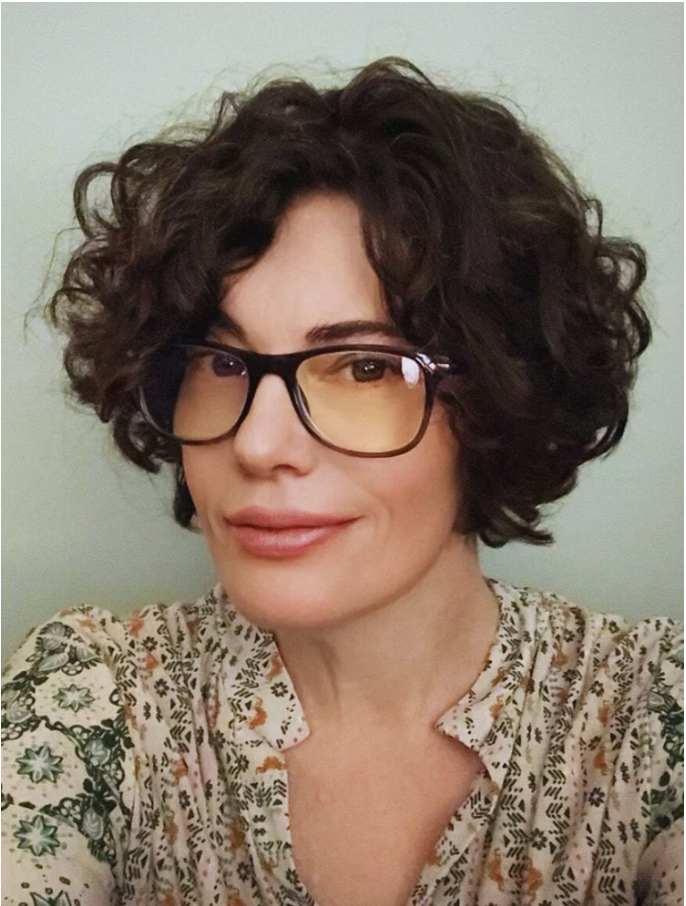
Episode 319: Parenting Through Transition and Leading with Empathy | Amber Hollowell | TransParents Podcast & Advocate for Trans Rights
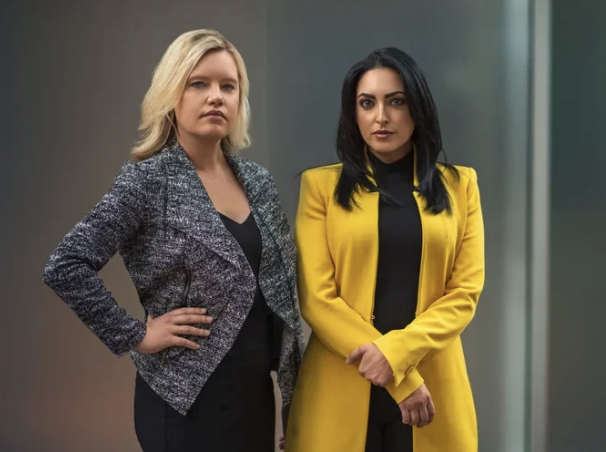
Episode 42: Fighting for Justice & Changing Lives | Ashley Telleen & Lauren Butler | Criminal Defense Attorneys
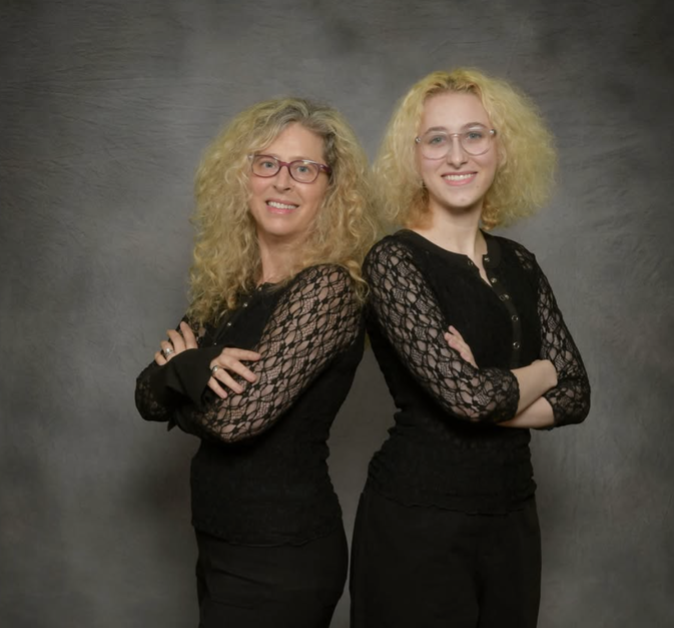
Episode 371: Turning a Diagnosis Into a Movement | Marta Eliza Miller & Corrina Clover Miller | Founders of the Marta Eliza Miller Foundation
SUPPORT OUR GUEST:
WEBSITE: http://equiptwomen.com/
LINKEDIN: https://www.linkedin.com/in/pkmooney/
INSTAGRAM: pkmooney
Created and hosted by Kara Duffy
Senior Producer: Jordan Duffy
Music by Joakim Karud