Episode 378: Rethinking Retirement, Wealth & What We Leave Behind | Whitney Thompkins | Legacy Planner Educator & Founder of Your Family, Your Legacy
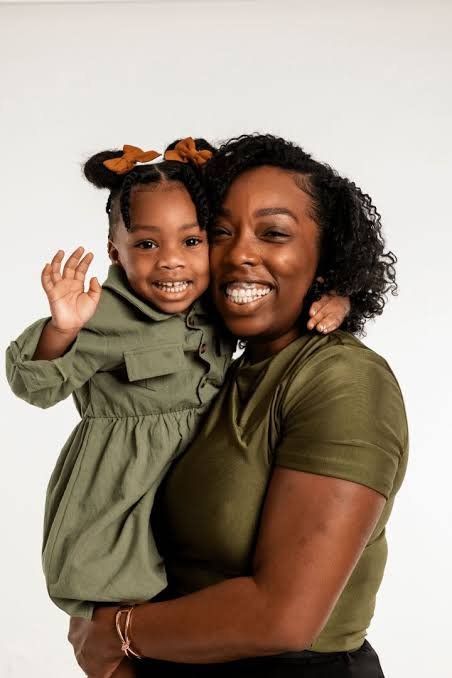
What if building generational wealth starts with something even more valuable: generational knowledge? Financial planner and entrepreneur Whitney Thompkins joins Kara Duffy to unpack why so many families have never been taught how money, insurance, trusts, and long-term financial planning actually work.
Together, they explore how to protect what you build, prepare for retirement, plan for the unexpected, and create a legacy that gives the next generation a stronger place to start. Whitney shares why financial protection should come before wealth building, how women can take greater ownership of their financial futures, and why defining what truly matters to you may be the most important financial decision of all.
“I’m not trying to convince you that life insurance is important, but your first line of defense should be protecting your family.”
-
-
378_Whitney Thompkins_
===
[00:00:00]
Kara Duffy: Welcome to the Powerful Ladies podcast. I'm Kara Duffy, and today's guest is Whitney Thompkins, financial planner and founder of Your Family, Your Legacy. In this episode, we are diving into wealth building, types of insurance investments, why we're not saving as much money as we should, even those of us who are savers, and why we're going to need more money than we think to maintain our lifestyle and take care of our family.
This is one to bring your notebook to.
Welcome to the Powerful ladies Podcast
Whitney Thompkins: Thank you. Thank you for having me
Kara Duffy: let's begin by telling everyone your name, where you are in the world, and what you're up to
Whitney Thompkins: Okay, so my name is Whitney Tompkins. I'm in Michigan. I am a mom, a wife, also a business owner. My, the name of my business is Your Family, Your Legacy. I tell [00:01:00] people my business is as old as my daughter. So my daughter will be five, and my business will be five this year as well
Kara Duffy: And did you start your business because you were becoming a mom, uh, in preparation for, or was it just coincidence?
Whitney Thompkins: It's just one of th- those things. If you're an entrepreneur, you know that you've always been an entrepreneur. Like, it's always been something that had gravitated you towards independence and running your own business. So I've always had it in me, and I've had other businesses, but this was really more motivation, more, more motivation than I have ever had before to go out on my own and to really start something that could give me the freedom that I desired
Kara Duffy: There's so much to juggle, right? Freedom of, you know, what you can earn and, and your finances, freedom of your schedule, and just freedom to decide, like, what your day looks like in general. It's so important to me. That's why I'm an entrepreneur too. You know, let's get into your business a little bit. So what is it called, and what do you [00:02:00] specialize in?
Whitney Thompkins: So the name of the business is Your Family, Your Legacy. It is an independent life insurance brokerage where we specialize in children's policies and policies for the growing family. So I actually got in this space because I was working for an insurance producer, and I got the job because I was a marketer.
So my background is marketing. For years I've done marketing in different aspects of my life, And this was no different. I saw the job. I said, "Okay, you know, why not give it a chance?" And in the back of my mind I said, "Ugh, this is something really boring to have to market." Out of all things, like I could, I could think of 100 other more exciting things to market. But I said, "Well, we need to give it a shot. The pay is good, you know, why not?" This was before wife, motherhood, everything. So I said, "Give it a shot." So I sat down and I realized after a, day or two that I had so much to learn. It was so much information that wasn't taught at my kitchen table.
You know, a lot of the things that we assume people [00:03:00] know because they should know because you know it doesn't mean that they know it. Just because, you know, that was a big conversation piece around your family doesn't mean it was for someone else, and that was me it wasn't a big conversation um, that we were having.
So I realized, wow, this is something that not only am I learning a, lot about it, but there's a lot of people who are like me who never have been introduced to insurance or finances in this space at all, and They wanna do what's best. they have the means to do what's best. they have the resources, but they just don't have the information
Kara Duffy: Well, And I think that's what is such a missing when we're talking today about what is privilege and what does it look like. And with the growing, uh, wealth gap, how can we get out of these cycles where more of the population, in the US in particular, understands how money works, how the financial system works? Like, the people who have-- It's not like the families who have [00:04:00] this legacy wealth did something truly extraordinary to make it happen. It's that they knew the right steps to take when they had extra money to do something with, and they did those things that would build money on their own and become assets in a completely different way. And so that's part of what I was excited to talk to you about today because I think that there's such a lack of understanding across, in every state, across all demographics. And today, women in particular are looking for ways to make sure that not only are they gonna be okay in their own retirement, but that their families are gonna be in a different position than they were or where they've started from. How has knowing this information changed your own life?
Whitney Thompkins: Uh, it, one, it has changed everything, just even from perspective. And it's such a blessing because for me, I feel like not only has it affect the way I think about money and the [00:05:00] way that I present myself, but I can see my mom now having a different thought pattern, and the people that's around me having different conversations.
So I think for, for me, w- it was a couple things that you mentioned, and you talk about, like, one thing you mentioned was the next generation having it a little better than this generation, and that's like a, it's, that's trending, right? Generational wealth. Generational wealth is, trending, but no one really talks about what That looks Like, You know, we talk about it and we know we wanna leave generational wealth, but even from me both, us both, me an entrepreneur, it's something that I'm really being intentional about and I'm thinking about now is, what does this look like for my successor? What does this business look like for me passing it on?
And I recently had a conversation with another client that her dad has like a direct care facility, 25 patients this huge... They own the building, they own the land, they own everything. And, I was asking her, I said, "Well, what is the what is the plan for when he's no longer here?"
And she [00:06:00] was like, "Whitney, you know what We don't really talk about it." And I was like, and that's where we have that disconnect, because what if they don't wanna take on the business. and you could sell the business, and then that money can go back to the family, and that, could help them with whatever they wanna do. But if you don't know that, if we don't have these conversations that we assume because it was successful for us and it was such a blessing and it changed our life, why wouldn't they wanna do it like, why wouldn't you wanna run this business? But they might have different plans in the future.
So I think that sitting down and having conversations and really understanding that we're not gonna live forever. That's the biggest thing is we're not gonna be here forever. So what can I have in place to ensure that when I'm no longer here, the next generation don't have to start over? they don't have to start from the bottom because I didn't have the tools in place or the e- even gave them the knowledge. We talk about generational wealth, but what? about generational knowledge? you should be better off [00:07:00] than me because I know something. I know something that my parents don't know, and I hope that you know something when you get my age that you'll know something that I didn't know because you were able to start on my shoulders and not where I started from
Kara Duffy: Well, I think too that there's a little bit of suspicion, like there's a little bit of suspect in some of the financial tools and opportunities because it's like, "Well, that works for rich people," or, "That works for white men," or... So I do think there's a, there's how are you helping clients get over the fact that these are tools for everyone and tools for them, and how it's not something that's meant for specific people. Like, it really will work for a regular working person.
Whitney Thompkins: No, I agree. That was a big, a huge hurdle for me to cross because I was working for a white man. Like, and every... And I, I remember when I was... My producer was doing really, really well, and I remember going to these events, and [00:08:00] it was, like, the top 100 producers in the United States, and I would go and sit in a room, and literally they all look like him, Like, they all look like him, everyone that was succeeding in the space. And now here I am talking about I wanna enter this space. Like, girl, like, they don't look like you at all. And, um, so I think that's the beauty in what I'm able to do. Because, one, I tell people all the time, I was in a space, they didn't know what I was gonna be doing.
So I was in a space to support their business. So I was able to hear information and get the knowledge without someone actually having to teach it to me. So maybe if I would've came in the space and said, "Okay, I wanna be a producer. I wanna work in the space," they would've just gave me a limited scope of it because it's like, "Well, you're a woman, so, you only could talk to women or you only can do this or you only can do that."
But I didn't come in the scope to be competition or even to sell. I came in it to support them. So let's teach her everything because we need her to [00:09:00] be able to market it and we need her to know all the tools and all the ways that it work. So when I started my own business, I'm like, "Hey, I'm just like you."
I didn't think about legacy. My first life insurance policy I purchased, I was 24 years old. It was $100,000 term, and that's most people go to. And It's funny because now when I talk to young women who are in their 20s and They don't have any children, they're not married, I tell them like, "Don't buy a term. Buy a full life policy. So guess what? If you don't have children, you can take a trip around the world."
Kara Duffy: Yeah.
Whitney Thompkins: This was a mistake because I didn't have someone to sit down And educate me on how these policies work. Term policies are, for temporary commitments, children, mortgages. you don't have a temporary commitment. You're only responsible for yourself. So have a policy that if you don't have someone that you want to leave it to that you can at least enjoy some of it
Kara Duffy: Well, and I'm [00:10:00] someone who has both. I have a term and I have a permanent, uh, insurance, and they're being used for two totally
Whitney Thompkins: purposes. Yeah. Yep
Kara Duffy: Um, but I do think it's something that people, you know... There's such a gap, I think, as well. People are in struggle bus every day to make " sure that we can just pay the bills, let alone enjoy life in some capacity. And I do think there's a push/pull, and human nature says we never think much-- we don't think in long-term planning. And there's-- we have opportunities to, I think, shift the narrative around what it means to invest in yourself maybe first and then your family second, because I'm worried about w-when millennials start retiring,
Whitney Thompkins: Mm-hmm.
Kara Duffy: where we moved into a lot of, um, e-either entrepreneurial or gig economy type things. There's a lot less, um, [00:11:00] a lot less people have 401s because they're not working in a corporate environment, and I don't know that people are realizing how much money they're gonna need just to maintain what they might think is, like, a cheap cheap and, like,
Whitney Thompkins: Millennials are not retiring.
Kara Duffy: Yeah, seriously. Ugh
Whitney Thompkins: I just had this conversation. They're not retiring because they have, like exactly what you said, we would rather work five part-time jobs than work one job to get 401k, Like, it's just not, we're not... retiring
Kara Duffy: Well, that's so much risk, right? Like, we're gonna... I don't think people realize how expensive it is to be old
Whitney Thompkins: I agree. It's so funny because I feel like there's gonna be like... it's just constantly being a shift. You think about the baby boomers, and they were the generation that really set themselves up because they were, like they had d- decent jobs. They were able to get homes for cheap. They had all these things that were going for them.
Now they're retiring [00:12:00] and, to be honest, the insurance company I work for, we, we service the baby boomers. and I'm telling you, these are, You know? firemen, teachers, electricians that have millions and millions of dollars put to the side for retirement because they, they just s- that's what they did. They, they worked, they did the overtime. They were committed to their jobs. They stayed with the same company for a long period of time. Like their, their mindset was different and I feel with this, with the millennials and me speaking as one and My friends, I feel like our mindsets are more like, family structured. like we're more centered around like being present And h- and how do I-- make sure that I don't like lose my mind in the midst of trying to operate in day to day. They, their mindset was like, "I'll work And I'll retire and then I'll relax." We're like, "No, we wanna relax now while we're working." So I think retirement is gonna look different. I feel like retirement will still [00:13:00] look very much like working, but because our working was done in a way that we controlled, our retirement will too.
Now, is that gonna shape the next generation? Absolutely. The next generation will not do what we did because they're gonna say, "My mom never stopped working.
Kara Duffy: Uh-huh
Whitney Thompkins: My mom never stopped working." So what I'll say is, I feel Like, for a millennial, what's important to us? you know family, um, work-life balance, healthcare, making sure we're in a good mental capacity. All these things, all these things are important to us, and when we think about from a financial standpoint, what protects those things?
Kara Duffy: Mm-hmm.
Whitney Thompkins: So like. Instead of saying, well, oh, let's make sure we're good for retirement. If that's not what you're thinking about or what you care about, you're not gonna be-- you're not gonna wanna put, you know, $500 to the side every month in your 401k, or you're not [00:14:00] gonna wanna buy the insurance policy because the value proposition isn't what you value.
Kara Duffy: Mm-hmm.
Whitney Thompkins: Yet, now you know and I know 'cause we've, we've seen people in this space where how important retirement is, but if that's not what's value-valuable to you, it's not gonna work. But what is valuable is, making sure your children are okay, making sure you're okay, making sure even like... I talk to women all the time. Most of my clients are women who are like, they have spouse, and a lot of them are going through that divorce process once they become clients, and then within a few years they're going through that divorce process and they're like, "Whoa, like now I'm doing this on my own.
Kara Duffy: Mm-hmm.
Whitney Thompkins: I did-- like I trusted him to have all this stuff in order, and it's not in order."
Kara Duffy: Yeah
Whitney Thompkins: You know? So I think that that's why like having the empowerment to be able to get the information. I, I tell this story. My friend, her husband, he is the director of sales for a really great company, does really well. They [00:15:00] have a beautiful home. Everything is like picture perfect. And they've been married for a few years now, and he was like, n- I-- this is when I first started kind of doing insurance and I was talking to her about insurance and we got her policy and She, always told him, "You're..."
She, he always told her, "You're good. You are good. I'm gonna make sure you're good." And she happened to ask, um, "Well, you know, I just got this policy with Whitney. How much is my, your policy? How m- I just was curious. I didn't wanna make sure I didn't shortchange you. You know, how much is your policy on yourself?" He said, "$100,000."
Kara Duffy: No That might cover just his funeral. Awesome
Whitney Thompkins: said it with confidence, $100,000. In his mind, because one, you know men, they think they're gonna live forever, too. So in his mind he's like, "That's not a big deal." Like, "Okay, I have it, so, you, you know, don't worry about it because I supposed to have it." But not really thinking what does [00:16:00] the number actually look like.
And I-- that is literally a conversation I have a lot of times with my couples is, well, how much is the mortgage? How much is y- your salaries every year? If something happens to your husband, will you be able to still work? If something happens to y- you, will he be able to still work? Have you thought about replacement of income in any capacity?
How many more years do you have until the children are 18? I had one lady, oh my goodness, she was like... It was so beautiful. She sent me a breakdown, a spreadsheet.
Kara Duffy: Love this woman already.
Whitney Thompkins: Yes, she's a professor. She sent me a breakdown of everything she wanted to do if she passed away early. Pay for her kids' weddings, pay for the down payment on their homes.
Like, every single thing was, like, line by line, and this is how much I need. Because she thought about it. This is, if I'm not here, I still want all this to happen for me. And It's empowering It's empowering to be able to set it and forget it and be like, "Okay, I'm good... either way."[00:17:00]
Kara Duffy: Well, and I, I think that's so powerful, and I think this kinda goes into a bigger conversation about how we're thinking about the money that we need in general. What money do we need when we're alive? What money do we- and working? What money do we need for our own retirement? What money do we need to support our kids? Because if you, if you have a child and you start looking at, okay, am I gonna put them into daycare or preschool or have a nanny? What does that cost? Are they going to public school, or are they gonna go to private school? What does that cost every year? Are they're gonna be in sports? Do I want them to be able to go to college if they want to? And this is the whole debate, right, about do you put m- money in a 529 college account or not, because if they
Whitney Thompkins: What if they don't go to school?
Kara Duffy: Right. What do you do with it? And then, um, it's, it's really back and forth about, like, where... 'Cause you want your kids to have this money, but, like, where can it go? And I think people get so afraid that they don't, they can't even get themselves wrapped around [00:18:00] their monthly budget. How are they supposed to start thinking about their lifetime or their kids and what they need? So I love that this woman did a spreadsheet cause I'm such a believer that if we write it down and do the math and, like, just know what the numbers are, that's where we Get our power back. Because when we live in a space of we don't know what it is, so we're ignoring it, oh, yeah. It's just... It's so much. Even, like-- And it can be frustrating, right? Because the numbers that we write down we need today are gonna be different in five years because of inflation and just things changing. But that percentage change we can manage versus thinking we need zero which is just not true.
Whitney Thompkins: Yes
Kara Duffy: And then I'm in a place right now, and I'm curious some of your clients are, where I have my own business. I wanna make, make sure that I have retirement plans. I wanna make sure that I have the money to cover what my daughter needs. I wanna make sure that there's legacy components into what I'm doing, and i'm worrying [00:19:00] about how much money I'm gonna have to have or spend to take care of my parents 'cause I don't know what's gonna happen, and those costs are so much. Like, are they, are they gonna ha- have to live with me? Are they gonna have to be in a care home? Are they like... It just, it feels like... it never ends, and it can be really defeating. So where do you recommend people start?
Whitney Thompkins: That's a really good... we we're the we're that sandwich generation where we're taking care of children and parents or knowing that we're gonna potentially take care of children and parents. Um, so that is really, it's a tough space, but then I always remind myself someone else was here before. Like it was... This isn't new. Someone else was here as well. So I will say I'm not sure exactly like from the whole scope of what you just painted where to start because that's not like, I'm not an expertise in all those spaces. But I would say, from a, like a financial planning, l- well, life and legacy planning point of view with life and with [00:20:00] insurance, I tell people the first thing that a business owner does is get some type of insurance
Kara Duffy: Mm-hmm.
Whitney Thompkins: Even like your LLC, that's protecting you from the business, right?
That's literally the first thing we do is we, uh, we protect the business because it's like, I don't wanna be liable if something happens to the business. I wanna make sure I separate myself. so I think that protection is first. That should be the first, the first line of defense. And it's not just because I'm in a sp- in a space but even my brother, I had bought a home.
I was super young and, you know, you just ... And, Um, it was like, n- it needed a lot of work, and my brother said, "Protect the... entries. Get new doors and get new windows. You have to protect the entry. do not do?" any work until you protect the entry because someone can come in and take everything out that you worked on." And that's how I look at legacy planning from a insurance point of view. Like, that, is the first line of [00:21:00] defense because someone could literally, if something happens to you or something, or you get sick, you become disabled, anything could happen, it could wipe out everything that you saved for. And we see that with a lot of um... I had a friend who recently had to deal with some things with her grandma and trying to get like assistance with like Medicaid and grandma made too much money for it, but not enough for support. So it's like one of them things where it's like, okay, well, we have to use her funds So she can get support.
And that's so, like it's horrible to see everything that someone has worked for and saved for to have to be spent just to get assistance. So I think that protection is key, and I'm gonna say at first, like obviously making sure you have protection when it comes to life insurance. And even now, a lot of my clients are getting p- policies on their parents because we have, now you have parents who go into the hospital and they get sick and they forget to make a payment, [00:22:00] or they, or they thought they had something and it wasn't because l- insurance changes and they didn't know in the midst of a buyout, they didn't make a payment and they didn't ha- they haven't had it for 30 plus years, And that's gonna fall on you.
So in the midst of that making sure you have the insurance, but also, like trust, making sure there's documentation in place and beginning to move those assets Over into a trust where you can say, if something does happen where we need to go into a long te- long-term care facility, or if I do get sued, or if I do get hurt, they can't take it from me or from my parents because it, it doesn't belong to me anymore.
It's ownership of the trust." And I think that is important to begin even having those... And maybe starting a trust with your parents, with the parents and the grandparents and having a conversation while they're healthy, while there's no issues. You know what? I've been-- I heard a podcast and they mentioned it, and like I said, I'm not an expert in this space, so get an attorney.
That's my disclaimer. But [00:23:00] I'm in a space enough to know some, a little bit. So yeah, like I've heard about ways that government or whatever could manipulate the selling of different things that provide care. So Why won't we put this in a trust? Why won't we go ahead and put our siblings' names on it, put it in a trust that if something does happen down the line, we're not scrambling.
And that's the... We have to be forward-thinking. We have to say, "Okay, worst-case scenario, what do I do?" And then best case... Worst-case scenario is like if once you take care of that, it's done. Worst case scenario is taken care of, so now let me take care of the next step. So Yeah.
I would definitely say start with protection, life insurance, trust and on wheels, and trust more than wheels.
But trust and life insurance would be my first two steps for financial planning And being in-- a good place where You protect your doors. You protect the doors, and you protect your windows to make sure, okay, whatever we build at this point can't be taken from us. [00:24:00] So now let's build
Kara Duffy: Well, and I think so many people hear the word trust, and they've heard it, but they don't really know what it means. And I... And to me, it's so similar to an LLC. It just means that you're creating this other entity that's not you as an individual. It's now the trust. And like, I have a trust, and my trust owns everything. Like, there's, you know, nothing that I own anymore. It's like, no, everything's under the trust. and there's... And I think when we think about like, okay, what are wealthy people doing that the, everyone else isn't? And it is they're thinking about lineage and legacy
Whitney Thompkins: And protection.
Kara Duffy: yes, that's how it survives. Yes
Whitney Thompkins: fail. They they go bankrupt. They lose money. They do all the things that we do But when we lose money, we lose our home. When we lose money, we lose the business versus having it in a separate entity where if we fail, the business is, can still succeed[00:25:00]
Kara Duffy: Yes. Yes. and and there's power in thinking about protecting, like, the legacy and the... comes almost before other things, because if that stays, it can be a source for so long for so many generations. Um, and in the world that we live in, I think people are realizing that, like, the power and freedom that comes from being able to make those choices. When you have access to make choices, you're able to kinda keep your freedom and your power.
Whitney Thompkins: Absolutely
Kara Duffy: right now, there's so many hamster wheels that people can't get out of because they don't have other options. I mean, I think people always do at some level, so don't believe that if you're in those situations. But it's like how y- anyone can break free, and I think that's another thing about this is you can be a librarian making [00:26:00] $40,000 a year, ma- $50,000 a year, and you can still start building your retirement and your legacy and protecting yourself. Um, because it, it's not, it does not need to be an expensive thing to start doing
Whitney Thompkins: I agree. And that's, I, I, one thing that I show in-- I do presentations, and one thing that I show is I always ask, "Who likes a discount?" You know, everyone wants a discount, and I show the difference between if someone purchased a policy at five versus 50, how much they have paid for their policy versus how much did the five-year-old will pay for their ultimate, the same exact amount of death benefit, how much they will pay for it. And I'm like, right there, there's like, right there you close such a huge wealth gap just in one generation because you locked it in early and you put it on the child and you bought the right [00:27:00] policy early. I tell people, "I'm not trying to convince you that insurance is important. I don't wanna have to convince you that you should protect your family." The people that I talk to are the people that's... already a priority, but they're curious, did I do it right? Did I pick The right policy? Did I do the right thing? Did I, um, talk to the right person? and that's, that's my client.
That's the person that I sit down with and say, "You know what? You did do the right thing Kudos. Keep it up. Great." Or, "Oh, no, no, no, I see some re- I see some issues that won't come up until you're 60. So I'm glad that we're finding this out at 35 or 40 versus waiting till 60, and then You find out what you thought you bought wasn't what you bought." Um, so yeah.
Kara Duffy: you know, and I, I think that, that I'm also such a big believer in people having trusts. A friend of mine passed away unexpectedly, and she did not have a will, and it just, you forget, like, what a mess it leaves. And [00:28:00] here in the state of California, like many states, everything then has to go to probate court, which is where a judge decides who gets all your stuff
Whitney Thompkins: And your creditors can get it. They go first. The creditors get the money first, so any debt you owe, it goes to them first and then to your family
Kara Duffy: Well, and if you own a business in this state, you should have a trust because you also need the business protected. like, you wanna keep everything out of probate court is ultimately the goal. And it also means that your wishes get upheld. Um, and for what it costs to set it up is. so worth the long-term, um, tax benefits, protections, all of the things. So if you don't have a trust or a will right now please handle it. If you know me personally, message me 'cause I'll give you some great options. But it's, it's just, it's important to do these adult things and we live in a time when things feel out of our control.
Whitney Thompkins: Mm-hmm.
Kara Duffy: These are things we can [00:29:00] do to bring more peace of mind into the chaos that we're living through. And I like ta- making a checklist okay, so how can I get this done before the holidays?
Whitney Thompkins: Yeah
Kara Duffy: How can I get it done as soon as possible? Like, it can be a lot to do and there can be some back and forth, but you don't need to be married to have a trust or a will. You don't need to have kids. You don't need to have a business.
Whitney Thompkins: Or a lot of money.
Kara Duffy: there you go. Exactly. Mm-hmm.
Whitney Thompkins: Long as you have an asset or something that will be then given to someone, even if you start off and it's really just the life insurance, because, like, that's... The life insurance can be the beneficiary, where it goes to the polis- it goes to the trust, and then the trust says "What happens next versus that's a big thing with people with children. So you have people with children, and they'll put their mom down as the bene- as the beneficiary or their spouse. You hope that they do what's right, [00:30:00] but if you have the trust name down, the trust can be more detailed. This is how much they get every year. This is what can be given at co- when it's time for college. This can be given when they get married. You can be as detailed as you want when you have the documentation in place versus hoping that the person you listed does what's right
Kara Duffy: Yeah. And I think what's interesting is, like, you can pick anyone to be the executor of your trust. One, one of my clients asked me if I would be their executor. I'm Like, "Well, hopefully I never need to do this for you, and sure, because I'll just follow what you wanted to do. Like, I understand this world. I understand what these terms are. Like, happy, happy to be the moderator to make sure it goes the way you want it to."
Whitney Thompkins: And even that person still has a legal backing to." Make sure they do it. That's what, like, you know, 'cause it's one thing to just have a conversation and the person say, "Oh yeah, I'll do it." But having the legal backing to say, no, they have to do it. Like, once they take on that role, they have to follow the directions. They can't say, "Well, she shoulda [00:31:00] did this."
Kara Duffy: Yeah. Well, and what's great to know too is that if you are the executor of a trust, um, some states it's automatic, others it's not, and needs to be written in. But you can get paid for your time, because managing someone's trust when they pass can be a full-time
Whitney Thompkins: Yeah, absolutely
Kara Duffy: you can get compensated for all the hours that you're putting in, and if you're having to drive places, et cetera, to handle stuff. So people ... The burden, you'll get, you'll get compensated for the burden of having to, of managing it, should you be appointed to do so.
Whitney Thompkins: Nice
Kara Duffy: Mm-hmm. Um, so when you look at where people are at today and what you wish they knew, like, how would you recommend that they start getting their head around, "Okay, I need to start being adult doing these things"? How should we start the conversation? Are we having it with friends, spouse? Like, who are we talking to so we can know what matters to us to put, to make choices of how much we need and don't need?
Whitney Thompkins: One thing that works for [00:32:00] me, and it might not work for everyone, but one thing that works for me is I sometimes look at my mom and I look at her And I say, "What do..." If from a financial standpoint or just even, I, I do it in all aspects, but we're talking about finances right now. But I look at her and I say, "What do I wish for her that she doesn't have? What do I, wish that she had in order? What do I wish for my grandma that passed away? What do I wish for her?" And I take my wishes for them and I put them on myself. Well, let me do those things now to have them in place So that my daughter does not have to wish them for me, but I had, I already had it in place.
I had the money that I was able to travel the world. I wish my mom could travel and she had the funds where she where it was a lot more financial, where she had more financial freedom. I wish she was excited because she knew she had 100, hundreds of thousands of dollars and a policy that we would be inheriting. I wish she had her home paid off. [00:33:00] Like, those are wishes that I have, I have for her that she doesn't have in place. So now I have to now say, "How do I, what do I set my life up to make sure that I can have that for myself that my daughter doesn't have to wish it for me?"
Kara Duffy: Yeah. That's a great way to think about it 'cause, um, it's so heartbreaking to see people struggle when they've worked So hard their whole lives, and the sacrifices they keep making. like when you don't want people who are in their retirement ages that you love to have to sacrifice anymore, you want them to be thriving and doing all the things that, they have the time to do that they maybe didn't have before. And I think that there's a lot of people don't understand, you know, we have Social security in this country, but it's real small.
Whitney Thompkins: I was about to say for now.
Kara Duffy: Yeah. Well, that's-- true also. And then even looking at like what's covered in Medicare when you qualify 'cause of your age and maybe your [00:34:00] income. But like it's not a lot of money. And we joke about people on a fixed income. I'm like, "Almost everybody's on a fixed income." So, I don't think people realize like how small it can be, and with inflation happening, et cetera, like I don't mean to be scaring everybody who's listening. And we need to be saving a lot more money than we are, and building up these long-term wealth building strategies to have peace of mind and to maintain the lives that we have
now, let alone have better ones.
Whitney Thompkins: And pay stuff off. Like, you know, the whole ideal of, I think it's, it's very interesting when like a 60-year-old or a 70-year-old buy a home. I'm like, "Oh."
Kara Duffy: Yeah
Whitney Thompkins: This is when you're gonna buy the house. So like, I, one thing that I do too in, in my life insurance policies is I pay them off. So most of my clients, they-- that will not be a bill in retirement, even in their permanent policy. [00:35:00] So they might buy a permanent policy from me in their 30s, And by 60, 65, it's paid off That's gonna be a legacy for? your children that you don't have to think about anymore. So as much as you can, try to pay stuff off that, that's, you have less bills going into retirement, so the money that you do have come in can be for enjoyment and not for necessities
Kara Duffy: and so things that people would wanna pay off would be that, um, permanent life insurance. It would be, uh, pr- ideally their mortgage.
Whitney Thompkins: absolutely. Cars.
Kara Duffy: cars Mm-hmm.
Whitney Thompkins: Yep, cars pay off. Um, making sure that you're not, you're not still in the process of trying to build retirement. So making sure that retirement piece, whatever that number is in your head that you wanna have by retirement, is met at that point. So p- almost look at it as like you're paying it off.
Like, okay, how much more do I need? Okay, let me pay that off, so by the time I get in retirement, that's one less bill. Um, even when you talk about-- you mentioned, like, the [00:36:00] 529 plans and things like that So if it's important for you to pay for. your grandchildren's education and things like that, you can pre-pay.
So just trying to pay as much things off while you're in income growing years, while you're making income, so then when you go into retirement. that's-- you don't have so much that you have to take care of. Some bills are gonna be there forever, you know, lights, gas, water, healthcare. All of those bills aren't going anywhere. But there-- If you, if you can minimize it, do It 'cause they'll be h- your future self will thank you.
Kara Duffy: Well, I think that's honestly something to look at no matter how old you are. Like, how can you play the game that bills are paid in full? And I think that there's a lot of convers- even the idea of a 30-year mortgage, we've come to be convinced that that's, like, how you buy a
Whitney Thompkins: That is, Yeah
Kara Duffy: you don't have to. You can pay cash. You can do it in 15 years. You can do it in five. I have a friend who, um, has a very successful law firm, and [00:37:00] they were able to buy their dream home, and now they're like, "And now I'm paying it off in 10 years. That's the game we're playing." And I'm like, "Okay, go, go." Because we even, like h- we don't need to have a car payment, just like we don't need to have a phone payment. That makes me crazy, people. Like, I understand if, if we need to short term, but how do we pay it off before it's all due?
Whitney Thompkins: Absolutely. And imagine even, even paying it off or keep buying a home at the la- what if your children does- don't even want the house?
Kara Duffy: Mm-hmm
Whitney Thompkins: Like, what did you do it for?
Kara Duffy: Yeah
Whitney Thompkins: You bought this big old house when you were this late in life, and your children don't wanna live in California or Texas or wherever you live at They don't wanna live there.
Kara Duffy: Yeah
Whitney Thompkins: So now, you know, so I just, yeah, it's really important that we begin to just have conversations and look at what that looks like. Like, talk to your children, talk to your parents. Like, what do you desire from me? do you have [00:38:00] expectations for me when it comes to your business, when it comes to your real estate, when It comes to your assets?
Do you. have a certain expectation for me? and at least have those clear, and then say, "Okay, well, let's go through this list because I don't want three of these.
Kara Duffy: Yeah
Whitney Thompkins: don't want three of these. The, I'm not gonna meet three of these, and I want you to know that while you're here so you can kinda maybe make other plans."
Because you could be holding onto something for the next generation, living really... That was one thing that we noticed, too at the company I used to, work for. We had individuals who had all these homes, right? They have rental property all over the place, and do they wanna keep these homes? like, no. the kids don't... want they don't wanna be a landlord. They don't wanna have all these rental properties. You're struggling right now to 'cause you're outliving your retirement. You didn't plan on living this long, and you're struggling trying to, hold onto property that your children don't even want. Sell the houses and live off of [00:39:00] it you know So tho- and that could be so simple. It could be a weight off of your shoulders, a weight off your children's shoulders if it was just a conversation
Kara Duffy: Mm-hmm. You know, it really starts to shift, like, how we think about, um, how we think about money. How, how it's coming in, how it's going out, what we really need, what we don't. And I think, like, it's easy to get caught up in just thinking about what we want and what we don't have. And again, like, going to a foreign country is always the best thing to snap our heads out of what we need and don't need, 'cause there's even just the, the capitalistic cycle in the US is, like, so different than in other places. Um, so many people are happy living in an apartment
Whitney Thompkins: I, that, that, I, but I, I think that... we're shifting, uh, especially when you talk about, the grind mindset and the not... Like, that, that's shifting [00:40:00] 'cause people are realizing they don't need as much. I don't need the huge home. Like, people are literally buying, living in tiny houses. I don't need the large home.
I don't need my children to be in private school. I could stay at home and homeschool them. There's so many things where we're kind of shifting what's important to us, and I think that's why when I said kind of reflecting on mom, what do you wish for mom? What do you wish for your daughter? That gives you your values.
It gives what's important to you. Because if it's not important to you to do X, Y, and Z, why work so hard and put yourself in a position to try to attain it because society tells you You should? To society says, "Oh, the American dream is to have the big house, the great retirement plan, the, the husband." you know? people just stay in stuff way too long because of what society says. So I think it's just so important to while you're having conversations with everybody else in your life, have one with yourself and really sit down and say what's [00:41:00] important because what are we working so hard for? The beauty of having my business and I, I don't... I am extremely ambitious.
I want it to be a multimillion-dollar company, a billion-dollar company. I'll put that out there. But Wednesday I took my daughter to the park in the middle of the day and it was like I didn't have to ask anyone. I can make appointments for me And whoever I want to And I don't have to check with anyone but my, my calendar.
I don't have the freedom that I have in this space and I sit in it because I know when I go to another level, that might not be there. It might not, I might not have, I, I might have an assistant now or a driver that I'm asking to take her to her doctor's appointment. So I wanna always take inventory of the space that I'm in now in gratitude because it's such a beautiful thing. There's a mom that wish she could go to the park on a Wednesday and push her daughter on a swing for an hour.
Kara Duffy: Yeah. It's so true, and I think [00:42:00] entrepreneurship and, and planning for the life we want, and I think it's So much bigger than insurance is a part of it, financial planning is a part of it, but just planning for the life we want. When we look at our dream lives, so much of that stuff, to your point, isn't, doesn't cost anything. If we look at, you know, Hot Girl Summer in europe: la Dolce Vita," it's actually pretty cheap because they're not bu- they're not shopping on Amazon every day. Like, they're not... All this money's not going out the door. They're much more protective of where their money's going. and when you simplify life to what truly matters to you, and to your point, isn't keeping up with the Joneses, or what our parents want or our, what our neighbors are doing. When we focus solely on what we and our family want and need, there's so much room to create that in so many different
Whitney Thompkins: Abs- absolutely. Absolutely. [00:43:00] You'll get creative. You realize "Oh, wow, like I did, I didn't need that. Like, I can free up my money here and do what I really wanna do," you know? So it's such a beautiful space to be in and it's... But it's like you, it's to thy own self be true, is knowing what's important to you and taking off what you've been putting on your list because other people said that it should be on your list
Kara Duffy: Yeah. Yep. Uh, well, for everybody who would love to, um, follow you, support you, hire you, work with you, where can they do all those things?
Whitney Thompkins: So I am Your Family, Your Legacy on all platforms. I'm on Facebook, Instagram, and TikTok. And Your Family, Your Legacy, I'm also yourfamilyyourlegacy.com. And yeah, I would love to connect. And even if it's just a, a hi or a question, I'm a open... I tell people all the time, my goal is that you are more educated where, with whoever you talk to. So even if you don't work with me, but at least we [00:44:00] had a conversation, I saw what you had, or even a second opinion to be able to say, "You know what? They did a great job. This is awesome." But sometimes we don't have anyone in that space to do it for us. So yeah, I would love to connect
Kara Duffy: Well, and the question we've been asking everyone is, this is a powerful community. What do you need? What do you want? What's on your to-do list or your to-manifest list, uh, that we can help you with?
Whitney Thompkins: Oh, that's a good question. That's a really great question. Let me think So you know what I'm gonna ask for? I'm gonna ask for prayers.
Kara Duffy: Okay
Whitney Thompkins: I'm gonna ask for prayers, and I genuinely, if you see, hear this, I genuinely want you to take a moment and pray for me just for direction. And I said I'm extremely ambitious, so becoming extremely ambitious sometimes I don't take a moment to sit into, sit in gratitude for what I have. And I feel myself lately kinda at the crossroads of going to the next space, but being grateful for where [00:45:00] I am. So I'll ask for prayer, prayer for, like, guidance and stillness and being able to, like, really be grateful for where I am right at that moment.
Kara Duffy: Thank you so much. That's a beautiful request. I think a lot of people understand that pivot moment. When you are taking on your life and being intentional, you do, you keep evaluating, having to choose.
Whitney Thompkins: Mm-hmm.
Kara Duffy: Um, and not that we can't ever change our mind, but you wanna be balancing how big you know you can make something and how important the things you have right now are, too.
Whitney Thompkins: Absolutely. With intention. That's what I keep, that's the word I keep putting out there. Like, I wanna just be intentional
Kara Duffy: I love it. Well, thank you so much for being a yes to the Powerful Ladies and sharing your wisdom with us today
Whitney Thompkins: Thank you so much for having me. I really appreciate it. Great conversation. It was really nice. And sometimes after talking I feel kinda like, but I feel lighter
Kara Duffy: Good
Whitney Thompkins: [00:46:00] conversation, so I'm, I'm grateful for it
Kara Duffy: Thanks for listening to the Powerful Ladies Podcast. If you enjoyed this conversation, please subscribe, leave us a review, or share it with a friend. Head to thepowerfulladies.com where you can find all the links to connect with today's guest, show notes, discover like episodes, enjoy bonus content, and more.
We'll be back next week with a brand-new episode and new amazing guest. Make sure you're following us on Instagram or Substack @powerfulladies to get the first preview of next week's episode. You can find me on all my socials @karaduffy.com. Until then, I hope you're taking on being powerful in your life.
Go be awesome and up to something you love
Related Episodes
Episode 27: Finding Integrity, Humor, and the Right Insurance | Jenna Adamo | Commercial Insurance Expert & Advocate
Episode 45: Owning Your Money Story | Kara Stevens | Founder of The Frugal Feminista
Episode 314: Why Financial Feminism Could Be the Key to Your Future Fortune | Jackie Adler | Senior Financial Planner & Investment Advisor
Created and hosted by Kara Duffy
Audio Engineering & Editing by Jordan Duffy
Production by Jordan Duffy
Graphic design by Jordan Duffy
Music by Joakim Karud