Episode 379: Justice Beyond Jail & Rewriting the System | Jessica Munk | White-Collar Criminal Defense Lawyer
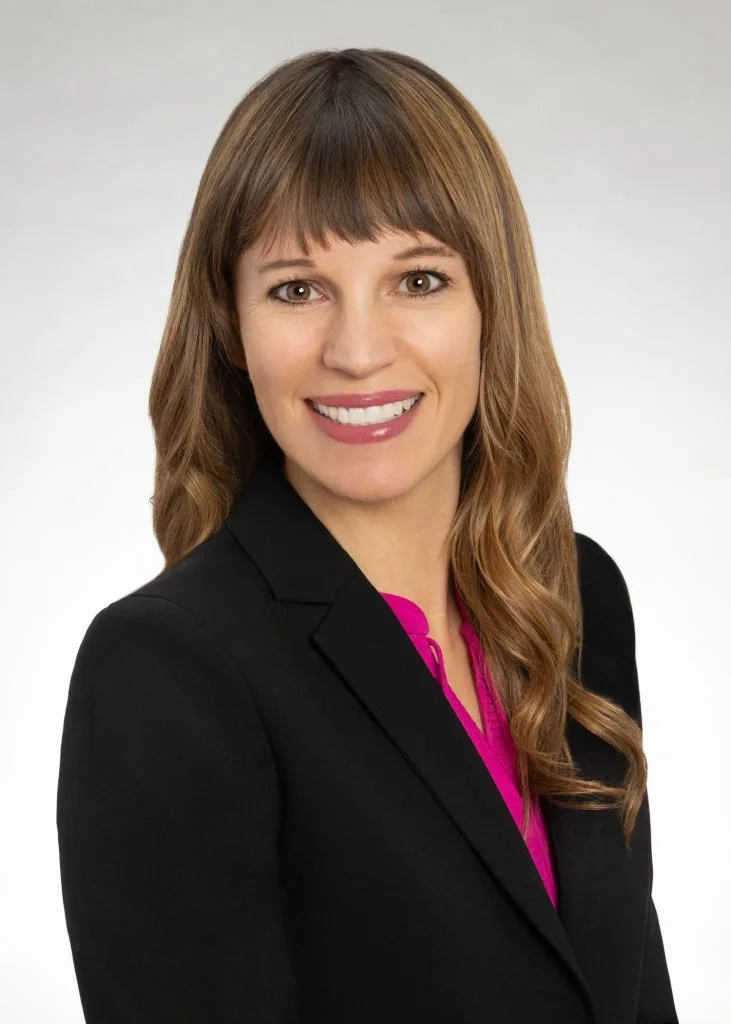
What if justice didn’t always have to mean jail? White collar and defense lawyer Jessica Munk joins Kara Duffy to demystify white collar crime, discuss how people can unknowingly find themselves on the wrong side of the law, and explore why she believes rehabilitation should often take priority over lengthy prison sentences.
Jessica shares her journey from public defense internships and prosecution to building her own boutique practice and serving on the Criminal Justice Act trial panel. Together, they explore over-incarceration, mandatory minimums, privilege, addiction, gang involvement, and the importance of seeing the person behind the crime. Jessica also opens up about how her faith, advocacy, motherhood, and legal career are deeply connected—and why she continues to fight for her clients one case at a time.
“I can help one case at a time, one client at a time; It’s really an honor & a privilege to be able to do that for people.”
-
-
379_Jessica Munk_
===
[00:00:00]
Speaker 2: Welcome to the Powerful Ladies Podcast. I'm Kara Duffy, and today's guest is Jessica Monk, a white collar and defense lawyer who has been awarded Super Lawyers and the Best Lawyers in America. She's a staunch advocate for justice reform and believes deeply that we should be focusing on rehabilitation over lengthy jail sentences.
In this episode, we dive into defining white collar crime, how to avoid it, when to know when to hire her, her work on the JCA trial panel, and how her practice, her activism, and her faith are all aligned. .
Kara Duffy: Welcome to the Powerful Ladies podcast
Jessica Munk: Thank you, Kara. I'm so excited to be here. Thank you for having me on
Kara Duffy: I'm excited to talk to you today because I think the work you do is so interesting, and I think it's an area of the law and the world that [00:01:00] people hear about but we don't really know anything about. You're, you do a lot of white-collar crime, among other things, and I think when people think about white-collar crime, they might be like, "Oh, you know, pyramid schemes or Martha Stewart."
And that's where general public kind of knowledge starts and stops. And I think it's really interesting to understand the scope of what collar crime is and how people get in it knowingly and then how people get into it accidentally. I have so many clients who are so afraid of committing a crime, a tax crime, a business crime, something.
And I'm like, "Guys, I don't think you need to worry about committing these crimes because how are you g- like, how would you?" And so I think they're eagerly awaiting this conversation so they know what crimes they're at risk of potentially committing without knowing. I think there's so much they don't know they don't know, so they just hang out in anxiety. But before we go any further, let's tell [00:02:00] everyone your name, where you are in the world, and all the things that you are doing in this world
Jessica Munk: Well, thanks again for having me, Kara. My name's Jessica Monk. I have a boutique white collar practice here in Orange County with two other partners. It's Weichert, Monk, and Goldstein. So yes, I'm here in Orange County. I've been in Orange County for 16 years, and I'm from the Northwest. I grew up in Washington State, and I have completely acclimated to the beautiful weather here. So I don't think I'd ever probably be able to move back to Seattle. But I did start my career up, my legal career up in Seattle before coming down here
Kara Duffy: And let's just dive right into the definition of white-collar crime. What's included in white-collar crime?
Jessica Munk: So white-collar crime, it's basically financial crimes. It's often by various professionals. It could be corporate executives, it could be a company, it could be a [00:03:00] public official. And they're crimes that are typically fraud-related. There are white-collar crimes that fall outside of fraud, but anything from mail or wire fraud, securities fraud, healthcare fraud other crimes like the Anti-Kickback Statute. So paying a kickback to steer business in the healthcare facilities would be a crime. So it's generally they're non-violent, they're financial money crimes
Kara Duffy: Yeah. And that's why I think so many people who start a business, 'cause they probably, they definitely haven't gone to law school most of the time. They often have not gotten an MBA or even taken a business class sometimes. And so they're just doing their thing, selling a food product, selling the T-shirt they make. And now I'm super simplifying it. And they don't really know where the boundaries are. They're not out there to commit fraud intentionally. But of course, not knowing [00:04:00] doesn't make you not responsible.
Jessica Munk: Well, okay. So really quick, the fact that you have numerous clients that are worried about this makes me pretty confident they're probably not committing anything illegal.
Kara Duffy: That, that's, that's what I say to them too.
Jessica Munk: think step one is that if you have an appreciation and are really trying to do your business correctly, you're likely or worried about tax evasion.
If you're paying your taxes and properly reporting everything, you have a CPA that's not recommending you to cheat, which I have literally seen CPAs that do that, so then you're probably fine. There a lot of cases that can come up where it's a gray area where, you know... And I don't know if there's a gut check.
I think in some cases there might be a gut check where the industry might be doing things and you're like, "Is this okay? I don't really know." Um, but in some cases you might not have that [00:05:00] gut check, but everybody in the industry is doing it, and so you think it's fine. And then the feds or the state of California I'm here in California, but they come in and they view it as illegal.
Kara Duffy: Mm-hmm.
Jessica Munk: I have definitely seen that. So I think there's the easy black and white of like, this is clearly illegal. You submitted a false billing to Medicare, and you didn't actually see that patient or you up-coded for something you didn't provide. That's a little more clear than you're in an industry and everybody seems to be doing it, so it must be okay. It actually makes me think of speeding, right? In California, I don't know if I should be admitting this, but right, we all speed. I think there's like an unwritten rule, right? That you're going
Kara Duffy: If you're going the speed limit, you're gonna cause an
Jessica Munk: Yeah, totally. Right? When people get pulled over, they're like, "But everybody was speeding." But usually the, the cop doesn't care, right? Because that doesn't [00:06:00] make you not liable. So you know many crimes have a specific intent element, but you often don't need to know the crime you're committing is, was illegal or that was an illegal thing. You just have to, you have to know your action or what you did typi- typically. I mean, we're talking in very general sense here
Kara Duffy: Yeah. And most people I think are afraid because they, again, don't know business law, and they're not cheating, they're not stealing. The most gray thing in their life might be someone who was a contractor and now is a W-2, right? And that kind of falls into employment law stuff, and we have employment people talking about that. Or their business pays for their cellphone, but they also use it sometime personally. I'm like, "Guys, like..." Yeah.
Jessica Munk: Everybody does that.
Kara Duffy: Yes
Jessica Munk: Those are different issues though, right? That's different issues on does the company, your business phone, have a right [00:07:00] to access your personal information because they have a right to access your phone. But that is not something typically...
Kara Duffy: owner, so it's like it doesn't matter. Yeah
Jessica Munk: Yeah, I think generally though, if people are-- the people that are actively concerned ideally they are seeking advice from lawyers in their space whether in the employment context or can I pay marketers a referral fee and how can I do that legally?
Kara Duffy: Something that came up in for me is I have a friend who's also in kind of the business consulting space. I helped them out. I just... We talked on the phone, I gave them some advice, didn't charge anyone, and they sent me a DoorDash to be like, "Thank you so much," like, "Dinner on me."
Jessica Munk: Mm-hmm.
Kara Duffy: And it was like, I couldn't even bought, have bought a dinner today. It was, like, 30 bucks on a DoorDash gift card. And I was like, "Oh, I love this." This is such a nice gesture to appreciate someone and pay it [00:08:00] forward. And so then I was like, "Cool, I'm gonna pay it forward for someone who helps me with in this, you know, world." And it happened to be that I called a lawyer friend to help my housekeeper with a situation. He, they didn't charge her, they didn't charge me, and I was like, "This is so nice. Thank you so much." "Go get lunch on me." And they wrote back, "I can't accept it. It's against the law for lawyers to take anything like this." And I was like, "Ugh, okay, sorry. That's too bad for you." But it's such a innocent thing that I don't know what lawyers can and can't do. I've never gone to law school
Jessica Munk: Yeah. I guess I would maybe need to know some more facts. That doesn't sound illegal to me actually . I think there's some nuances there. Obviously judges can't accept anything, but doing work for somebody pro bono and taking a gift as a thank you,
Kara Duffy: Is usually fine.
Jessica Munk: Yes.
Kara Duffy: All right, good. Now I know. Now I can push back.
Jessica Munk: and but
Kara Duffy: They
Jessica Munk: I mean, that part- that particular person for depending [00:09:00] on whatever space they're in or what they're doing, they maybe had just made that rule for themselves that they won't do that
Kara Duffy: Yeah. And they're a super generous person they help people all the time and are happy to do so. Pivoting conversation a little bit, there's a lot of concern in the world today about corruption.
Jessica Munk: Hmm.
Kara Duffy: And I am someone who tends to believe that 90, 95% of humans on this planet are good people. If there's a, a crime being committed, it's speeding. It's it's something so minor that doesn't impact the flow of the world usually. So I believe that most people are good and doing the right things, and I have some people in my life who think I am delulu to think that. And so I'm curious your perspective working in this space. Do you think most companies and most people are doing the right things, being [00:10:00] good, or do you think there's more malintent in the world than before you got into this work?
Jessica Munk: I generally agree with you, Kara. I've told clients, "Look everybody can do something that's wrong. You can make bad choices, but that doesn't make you a bad person." And I've told that to clients who've done really serious crimes.
Kara Duffy: Mm-hmm.
Jessica Munk: There's the clear, I don't know, quote unquote, "fraudster" that literally was trying to cheat people, right?
I've represented those clients, and they're fraudsters. Now, it doesn't mean they're gonna always be defined by that and will keep doing it or maybe now that they got caught, they've r- realized it's not worth it. Some people that is more, that's more inherent in them, I think that is harder for them to stop, and I haven't represented a lot of clients like that.
A lot of times I represent first-time offenders in the white collar space, right? They've never been in trouble. They've never been in the criminal justice system. The most serious thing is a [00:11:00] speeding ticket, right? And but that's a different type of person than people that are looking to cheat people, right?
And clearly there's been businesses that have done wrongdoing and what have you. I think being able to survive today, right? We should think the best of people and be optimistic and I think it's quick to jump to a conclusion of, "Oh, you did this because X, Y, and Z," when that could be completely wrong, right? I go against the federal government, right? I see all kinds of stuff, but I generally think even if people screw up
right? But it doesn't, I don't, I don't think that makes them bad people. And I actually talk about this a lot with my children, right?
They're very intrigued by, "Wait, you go to jail?" 'Cause I do also indigent defense work in federal court on the CJA trial panel, and I have some clients in jail. And I have just out of toddler kids, right? And the boys are very interested in talking about jail, and I tell them how [00:12:00] mommy gets people out of jail.
A lot of people are in jail that shouldn't be in jail. We have those conversations, wh- which I think is really healthy to have because as kids, they think it's black and white, right? Oh, if you're in jail, you're a bad person. And we talk about this all the time, when they mess up I tell them, "That doesn't make you a bad person.
You just screwed up, and it's okay. That doesn't define you." And it, and somebody who messes up and gets convicted of a federal crime or a state crime doesn't define who they are. And that, that stuff I'm very passionate about because I think as a society, we need to step away from stigmatizing people that maybe do have a record, right? And think "Oh, you have a record, therefore I can't trust you." And I just don't think that's true.
Kara Duffy: let's dive into that a little bit more. I've had women on the podcast who were prosecutors and quickly switched and started their own defense agency because they were so upset, or firm, because they were so upset [00:13:00] about how easy it was for people to end up in the system that never should have.
And they kinda went through their law school with these bright-eyed "We're gonna get justice, and we're gonna make the world a better place." They never thought they would be on the defense side. But once they did very short amount of time as a prosecutor, they were like, "Absolutely not." "We can't sleep at night knowing what's happening." How did you first decide to go to law school, and then how did you kinda go through it, end up in white collar?
Jessica Munk: So I, from a pretty young age, was pretty passionate about defense. I do think I tell people that defense is in my blood. That's just literally how I was created and made. I would debate and my parents, there's no lawyers in my family, first of all, but my parents were always like, "Oh, you'd be a great lawyer." I was really [00:14:00] interested in those things. I was interested in justice and it bothered me when you'd hear stories about the police, like, violating people's constitutional rights, and so I definitely was very interested in that. I was pretty public defense oriented, so in undergrad I did an internship in Seattle at the public defender's office.
I was an intern investigator, and I remember working on a juvenile case, and my heart sunk because it just made me realize how critical that that age and I was also a sociology major, so people typically age out of crime, but it just how critical it is on you could go one of two ways, and just because you're getting in trouble criminally shouldn't define the rest of your life.
And so I was really passionate about that. I also interned at the public defender's in San Diego in law school, and then I ended up clerking for a judge for two years, and that was a court of appeals state judge in Seattle, Washington state, and that was really a great [00:15:00] experience. We worked on all types of cases, so criminal cases, civil cases, and for most people, the court of appeals is their last stop.
So you have a right to an appeal, but then after the appellate review and decision, usually very few cases will go to the state supreme court or then the US Supreme Court. So my judge was really a great mentor and just really spent the time to go over things with me, who was very thoughtful. And I realized I actually got a newfound respect for judges on how difficult, like, when it's a closed case, how difficult it is to make, try to make the right decision, right?
The easy ones are the easy ones, right? Clearly you win, you lose, but those tough ones. And so that, after that position, I ended up getting a job as a city prosecutor, so I was actually a prosecutor for two years, and I never thought I'd be a prosecutor, but it was the job I got. And, but it was great because I [00:16:00] was able to be in court a lot and I got a lot of trial experience, and I also took what I did really seriously.
This was just north of the Seattle area, so there was a bunch of smaller towns. I was the city prosecutor, and I would also educate the police. So the police, I would see all the time doing illegal searches 'cause they just don't know, and I'm, I would tell them, "I, this case is getting dismissed."
They had automatic filings there. This case is getting dismissed because this is illegal. You can't do this. Um, so, you know, I did really enjoy that, to be able to provide that education, and I think, you know, be fair, as, as fair and Mm-hmm.
as I could as a prosecutor, 'cause you definitely have a lot of power. And, you know, every office is different, so your friend might have been in an office where they're pushing cases and they have very little, if any, discretion, and they're pushing cases that they don't believe they should push, which is unethical, but it happens a lot.
Kara Duffy: And I think [00:17:00] for them it, it was like they... I don't think they felt like they were pushing things they shouldn't, but they felt caught in the sense that they had to follow, like prosecute to, like to the law. And there was so much lack of balance in the law where, and they're very passionate about young offenders like you are, where they would see these kids who committed crimes who like didn't have support, didn't have any privilege. You knew why they were there. Statistically, they were gonna end up here, and they weren't allow- They didn't have options to like not give them time in jail or in juvenile detention. And it was making them crazy that they could see how they would've fought it on the other side. And they're like, "Your defense is awful. Like I have to do my job. Like, hey buddy, please do yours 'cause you could win this."
Jessica Munk: Yeah. Yeah, no, I completely understand. I mean, I think California, I-- the only state criminal work I [00:18:00] really do is white collar, but I do indigent defense at the federal level on the criminal justice side panel. So I see the federal level's a whole 'nother beast, I guess we could call it. It's important that it's individualized, right? And I definitely see we are a jail, prison-centric society. We wanna put a lot of people in jail because we don't wanna deal with the issues at hand. That's what I think, and I just-- That's why I love the indigent defense in federal court because-- and federal court is very comfortable.
Federal judges are very comfortable with long prison terms, and the guidelines, which is the US sentencing guidelines, which is basically the framework of how judges sentence, and they give you an, a range of what a sentence should be, but it's very punitive, and it's very punitive for long sentences.
And you look at some of these cases, a lot of drug cases, for instance. I've represented a lot of [00:19:00] addicts, and you're like, " why do we actually wanna even spend the resources to just lock them up?" That's not gonna be beneficial. That's not gonna help for rehabilitation.
This person needs treatment. This person is out now and got their first job. Like, their first job, they're sober, and that's what I'm fighting case at a time, though, because in this space, it is very punitive
Kara Duffy: what does punitive mean for people who don't know?
Jessica Munk: Yeah. So for instance, in a drug case in if you're charged with a, a federal drug crime of, say, selling more than 50 grams of meth, that has a 10-year mandatory minimum. Now, that's set by Congress, but that means you are not gonna do less than 10 years. You could literally have that same charge by the state and maybe do six months. So I often see people that they've been in and out of state jail or prison. They have possession of controlled substance or various drug [00:20:00] crimes on their record, and then they get mixed up and charged with a federal crime. They've never been to federal court. They think this is, "Oh, okay, what's my half sentence? I'm gonna serve six months," whatever, and they're looking at a 10-year mandatory minimum. Very different.
that is what I mean by punitive. The laws are very harsh, and mandatory minimums I'm also just very against for a whole host of reasons. So what that means, there, there is a First Step Act.
I won't get into the nitty-gritty 'cause I don't wanna bore your listeners, but essentially something that was enacted a bit ago that would let people get under the mandatory minimum, but it's in very rare cases. And if you have too much criminal history, and not a lot really, you're not eligible. We're locking up people, and often minorities, people of color that come from low-income areas, maybe gang-related because that's what they were born in, and you get swept up in a drug case, and you're looking at [00:21:00] 10 years minimum.
Kara Duffy: I, I think people forget too that when you, based on your crime and your sentencing, you have rights taken away. So when do you lose your right to vote, and when do you lose your right to own guns? And is that state by state?
Jessica Munk: So federally if you are convicted of a felony, so a state felony or a federal felony, you will lose your right to vote and your right to own a gun and a right to serve on a jury. Now, states have, and this is state by state, and I'm actually not completely sure, I think maybe California allows this now. You can have your civil rights restored and where you could vote in a state election. I think states are starting to do that. But it, that does depend on state by state, but technically federally you can't
Kara Duffy: Yeah. The program that you are, the trial [00:22:00] panel you've been using a term I don't think a lot of people know what it means. So can you explain exactly what the what trial panel you're on and who it's for?
Jessica Munk: Yeah. So the Criminal Justice Act, it was enacted in the '60s. So CJA is what we will say, CJA, but it's Criminal Justice Act. And that basically allowed people that couldn't afford counsel in federal court to have appointed lawyers. So everyone, there is the federal public defenders, but in federal court, there might be 10 defendants charged in one, one indictment. And so the federal defender would represent one of those defendants, and then you would have private lawyers that are, get on, you apply, and you have to be accepted, and it's a pretty rigorous process to get on this trial panel. And they represent these defendants who don't have they can't afford counsel, and you're essentially paid by the government.
Kara Duffy: [00:23:00] And what are examples of cases that you've been a part of on that trial?
Jessica Munk: So there's a lot of drug cases. That's pretty common. Gun cases, gun trafficking gang cases, that's like the big ones. On the government bringing against RICO racketeering for big gang stuff. That's the majority is drugs, guns, and gangs is what I Yes. And I will say I've just had the most wonderful clients in, in that work.
I've been on that panel since 2020, so I'm in my seventh year, and I'm very passionate about it. I love just being able to hear people's stories and try to help them through really hard times. And, you can do bad things and still be a good person, right? It's heart-wrenching to hear some of these stories of how people got in a gang, right? One of their parents moved to the gang. The, the dad was not around. They had no parental supervision. The gang raised them.
Kara Duffy: Mm-hmm.
Jessica Munk: [00:24:00] You know, and so I- I'm actually very passionate about just gang reform and just all of that of like, as a society, like I wanna...
Like we should be helping these young kids and not just trying to like label them at an early age of gang enhancements. I know the state does all these gang enhancements, gang, gang, gang. Because again, I just look at these examples and I'm like, gosh, like if I was born in that and I was in that situation, I could potentially be sitting there, right?
That's all you knew. You didn't have a parent providing supervision and guidance, you know? And it's a way to survive or make money. I just, I fight this one case at a time. I really fight hard for my clients. I really try to get the best outcome. When the evidence shows guilt, right?
Like I d- I don't think they should be locked up for long periods of time. Let's try to help this person. There is a diversion program in the federal system called CASA, and it's basically an [00:25:00] opportunity to, you plead to a charge, but then you go through a program called CASA, and there's a specific judge that goes over that, and you do intensive treatment, whether drug treatment or mental health treatment.
And I've been able to get a client who was in his 60s, and he had a long history of addiction in that program. And once he got in, everybody loved him. You know? He was a star in the program. But the, the US Attorney's office has discretion on that. I'm definitely an advocate for, okay, should this person really go to jail? Because yes, they did provide this gun that they sold to an undercover agent, but they needed money 'cause they were an addict, and now they're sober. They're actually improving their life for the first time
Kara Duffy: It's a really interesting dialogue, right? Because there's people who I think everyone would say "Yes, we don't... They're not currently able to be in society," like they're really a threat. And then there's [00:26:00] people who you're like, if you've removed the circumstances, they're not a threat. And I don't know that...
To me, I think that there's a big gap in, It's one of the lines of like when people say "I'm not privileged," and it's like, well, how would you fare if you went to court? Because there's some key indicators that would tell me you're privileged 'cause you probably would get out or the lowest option if you did get, found guilty. And I don't think people realize how easy it is to get arrested, how easy it is to end up in the system. And if they don't realize it, it's because they've never had to be afraid of it, and that alone is an indicator of how they grew up and probably what race and gender they are too, among other things.
Jessica Munk: Yeah, absolutely. I think the privilege thing is interesting, right? Because I think a lot of people are really quick to be like, "I'm not privileged," because they think they had an advantage, which you do. As privilege, I'm privileged, you're privileged, we're privileged. And sure, we can talk about things based on women that, you [00:27:00] know, and maybe discrimination we've experienced, but it doesn't make us not privileged.
I don't really understand people's hesitation of that. The only thing I can think is it's because it seems like they got an advantage over others. But somebody who is born into a family that, I don't know, their parents are drug addicts, and they live in a gang neighborhood, versus someone who's born in a middle-class family where their parents are educated and are providing supervision and wellbeing for them, that is a privilege that these other kids did not get in the gang neighborhood.
And like, that's okay. It makes me sad, but I think back to your point you said, and I just wanna make it clear, I agree that there's definitely people that would not be safe on the outside and that do need to be incarcerated. Absolutely. But I do think generally we have a society that over-incarcerates, and, part of it is these are hard people to [00:28:00] deal with, right?
These are not easy fixes. An addict is not an easy fix, right? And so that takes a lot of time and investment, and I think the state of California is absolutely doing that. I think they've made strides in drug court and mental health treatment and all of that, and I think trying to not be as punitive in that.
And then I think the federal system, at least here in the Central District of California, like I said, we ha- they have this diversion program. They have another treatment program called STAR. And so I think it is slowly moving in that direction. But I think the federal system has a long way to go, and I feel like, you know, me as a justice advocate and a defense lawyer, is that I'm just fighting the system one case at a time and trying to help my clients as best I can and try to improve their lives when they do have these really hard, like heart-wrenching stories of their past.
Kara Duffy: [00:29:00] Well, and I think it also speaks to when we're in a smaller community size and people, and then you know the people who committed a crime, whether purposefully or accidentally, it changes your perspective on You knew them as a good person, as a good neighbor. They committed this crime.
You have a completely different perspective on how that should be mediated and remedied than if you didn't know the person, 'cause you have no proof. You're meeting them for the first time as a criminal versus knowing them as a neighbor who took their kids to school and who had a job or grew up next door to you. Like it's a, it's such a different thing because there's not a personal connection.
when you know someone who is caught up in the system you realize like, "Oh, they don't belong there." Like that's... No, like we have so many other solutions to get them back on track or to, um... [00:30:00] like justice does not have to equal jail. Like there's an equilibrium. There's a great scene in the book "Shantaram," which takes place in in India in, in one of the slums, and a husband is like beating his wife. And the community, instead of calling the police, 'cause all they do is cause trouble when they enter into the slum, is the community decides to first take the wife away from the husband or take him away from her.
They all rally around her, make sure she's like safe and protected and getting food and help with the kids. And then the men in the community kinda make this guy go through a rehab program essentially, and they decide when he's allowed to go back home. And it was like seeing the level of effort and care that they want to reintroduce him to society. They want to put the family back together. That commitment made totally different choices than just throw him in jail, we don't want to deal with it
Jessica Munk: And that's when, you know, when you're [00:31:00] invested,
Kara Duffy: Mm-hmm
Jessica Munk: right? I mean, I think this is why it's so easy, unless you have experienced a loved one maybe go to jail, right? You watch the news or whatever "Ooh, this crime," or, "They're guilty. They should go to jail. Why wouldn't they?" You know?
It's different than when you've actually seen it firsthand with that personal connection, whether a neighbor, a family member, a friend. And it changes, right? Our perspective changes when we have that personal connection. And I love that story, right? They're actually trying to get to the root of the problem.
'Cause you can... Yeah, and there's an argument, and I'm not saying I'm totally opposed to this argument of okay, well, you did something totally bad, there should be a punishment. I talk about this with my kids. What are the consequences? You know? Like, what should your consequence be? But getting to the root of the problem so it doesn't just happen again, because just going to jail for however long, wait, but he's not... Maybe he needs anger management treatment? He needs like, what are the things? [00:32:00] Maybe he has childhood trauma.
He needs mental health treatment or therapy and that's causing him to act, you know, violently towards his spouse. And, I wanna say I think generally as a society, especially in California, I do think they've done a really good job that we're moving in that direction, but I think there's a lot of progress to still be made where we are trying to actually help people look at the root of the issue, and it's not about, "Okay, you're doing 10 years on this drug case."
Kara Duffy: Are you seeing white-collar crime shifting since you started to what kind of cases you're working on now?
Jessica Munk: So I've been doing white-collar criminal defense. I have a, a boutique practice with two partners for 16 years. So we're here in the Central District of California. That's LA, Orange County, Riverside. I have had cases all over the US, in the Southern District of New York and what have you, but primarily out here in the Central District.
So [00:33:00] each federal district court has a US attorney, and each US attorney is going to kinda have different priorities. So I think over the years there's been some ebb and flow of how busy the office is in bringing white-collar cases and not as busy. I would say a number of years ago, there was a lot of,
The hot button issue was the sober living facilities and people trying to get any random person on the street, if they happen to have insurance, into a sober living facility if they needed it or not. So that was definitely something that a lot of cases were brought. Hospice fraud is a hot button issue right now, I would say.
You see that a lot. The office is definitely focusing on right now, and when I say the office, I'm talking about the Central District, a lot of drug, gang, multi-defendant cases where they call them takedowns, where they're gonna arrest a lot of people at once, [00:34:00] and so they need defense lawyers available to handle bond and what have you. So I would say there's a lot less of a focus on white collar right now. I mean, it doesn't mean there aren't white-collar cases and investigations,
Kara Duffy: Yeah. You're plenty busy.
Jessica Munk: definitely plenty busy. And I love doing both, right? It's really fun and I'm really passionate about fighting and advocating for my clients in a white collar case or a drug case.
And it is for most people, especially in the white collar space, one of the most stressful, scariest times of their life. And to be able to walk that person through it and advocate for them, but also just have compassion and listen and talk them through this really difficult time, I love doing that.
And I'm really good at it. You try to put yourself in the shoes and I'm like, "Oh my gosh, I would be scared if the federal government was coming after me," and I deal with them all the time. It's really an honor and a privilege to be able to do that for people [00:35:00] and be such a critical person in such a difficult time in their lives.
Kara Duffy: When you look back at your career up to this point what are you most proud of?
Jessica Munk: So I've been practicing law. I've been a lawyer, I'm in my 21st year, which is kind of crazy to me. I never necessarily thought I would, be a partner with my own practice. There was a period of time I wanted to go to the federal public defenders and here in Orange County or in Santa Ana and just didn't get hired.
I think right now as a business owner and a mother, I have a lot of flexibility and I can do really hard stuff for my clients and handle these really cool cases, but I can also have time for my kids and go be able to volunteer in their classroom and go on a field trip and be at their games. So I think I would say I'm the most proud of just being a really good lawyer and advocating hard for my clients, but then also balancing that [00:36:00] with my children and being able to be involved in their lives
Kara Duffy: When you think of powerful ladies, like what comes up for you? How would you define it?
Jessica Munk: I think of someone who can advocate for themselves and speak up for themselves. I'm very passionate about advocating for others and also advocating for women. This could be in pay raises and what have you. But I think being able to have a voice and speak up and advocate for oneself is definitely something that comes to mind on being a powerful lady
Kara Duffy: I feel like we're not seeing a lot of correlation between people who are going to church regularly and people who are fighting for justice and a lot of activism. And we hear so many stories [00:37:00] of the far right and what's happening to Christianity, and then we see things like the Pope speaking up in total contradiction to a lot of what's happening. I never thought in my lifetime that I would be, like, fangirling over a pope.
Jessica Munk: I mean, he's pretty great.
Kara Duffy: he's pretty great. And we're talking about Pope Leo.
Jessica Munk: totally. Oh
Kara Duffy: but you're someone who goes to church with your family on a regular basis, that's a part of your life, and you are such a vocal advocate for making change in this world. How do those two things, sit and make sense to you in, in your life and how you see the world?
Jessica Munk: That's a deep, good question, Kara. I love it. I actually feel like this is what I'm called to do as a Christian, right? When I say it's in my blood I really believe helping people and using my skills as a lawyer, because my brain analytically, when I went to law school, I loved it.
[00:38:00] I was, I realized and like, "This is how my brain thinks. Oh my gosh." You know? And I had classmates that were like, "We hate this. Oh my gosh." So that's just how I think. I actually think it is completely in line with my faith. I go to a church that has been advocating for our immigrant neighbors throughout this process this last year, and trying to help our immigrant neighbors through really hard things. And I am just so thankful that my church is standing up and doing that, right? Because that's actually what it means to be like the hands and feet of Jesus, to be Christian, right? Is that we should be helping the marginalized, the outcast. So that's a very deep question. I love it. So it's completely in line.
And, I don't wanna get into too much detail, but there's obviously things that are used, weaponized, right? Or abuse that happens. And yeah, it's been really great to hear Pope Leo [00:39:00] speak out and I think he's a great role model. Seeing him at the Vatican when he first-- You know, it was like, wow, that would've been such an amazing opportunity to be there.
Kara Duffy: Mm-hmm. Yeah, no, 'cause it's confusing to me 'cause Even across multiple religions, there, that's usually a theme of how are we helping people who are less fortunate? How are we leading with love? And when we look at how our criminal justice system is being created, and we can go all the way back to ties to the slavery system in the US and to other layers that have kinda decided people are bad first versus how do we course correct people instead.
I think it's very interesting to see how it's shifting and evolving, and I'm curious what's gonna happen in the next even 10 years of policing, of the community coming together. We're seeing [00:40:00] Minneapolis isn't the same city it was pre-2020, and definitely not pre-2025. And when you're seeing how the community can stick up for each other and make choices as a collective, and I think we forget that these laws we've decided to all agree to abide by, we're the ones who wrote them, and if not us specifically, our foref- fathers, mothers did.
If we wanna change them, we can, because someone else just decided to write it down one day. Yeah. For everybody who wants to hire you, support you, connect you with cases they think that you'd be a great match for where can they find, follow, and support you?
Jessica Munk: I'm here in Orange County. I have a firm website. Let me just quickly, 'cause a lot of people don't know, when would you need to hire a white collar criminal lawyer? So white collar cases start in different ways. You might get-- say you, you could get a grand jury [00:41:00] subpoena.
If you have a company, they might issue a grand jury subpoena to you. So that would be, you would definitely wanna hire a lawyer. They look at people as a witness, a subject, or a target. So a witness is someone who's only gonna be a, witness. They're not looking to bring criminal charges against you. But if you get a grand jury subpoena, you still have to respond.
Kara Duffy: Yeah.
Jessica Munk: Um, a subject is the government is investigating, so this is before a formal criminal indictment, and they don't know if you fall into the wit-witness category or the target category. They're still figuring it out. And then the target is they believe you've committed a criminal offense and are leaning towards charging you. So different ways this comes up before someone's officially indicted in the federal system is you might get a grand jury subpoena. An agent might show up at your door. People love talking. Educated, very smart people love talking because there's this [00:42:00] implication that everybody thinks is, if I don't talk to the agent, it must seem like I'm guilty.
Kara Duffy: And an agent would be?
Jessica Munk: Yeah, it could be an FBI agent, a DEA agent, Health and Human Service agent, a IRS criminal division, it could be anything. I would generally advise people just not to talk because again, you're not represented. We don't know. That's a good time to get counsel. is pre-indictment, so the government will do an investigation.
And in some of these criminal white collar cases, they could do an investigation. Most of the statutes have a five-year statute of limitations, so they could be investigating for several years. Like that is not uncommon. That's actually very common. So you know, and then if there's a formal indictment, then obviously you've been charged with a crime and you definitely need counsel.
But it often starts earlier. So I would just say those are times, like if you know somebody who-- and the agent knocks on their door it would be good to know [00:43:00] because a lawyer, I could reach out to the agent, I could reach out if they're working with a US attorney and figure out what's going on. Is my client a witness, or are you looking at potentially charging them?
Kara Duffy: Yeah. And l- like police, are those agents allowed to lie to you?
Jessica Munk: Yes.
Kara Duffy: Mm-hmm.
Jessica Munk: Yeah
Kara Duffy: That's the part I think so many people miss too
Jessica Munk: Yeah. Well, I've had cases where I don't know, the agent, they're doing it uh, I guess the maybe they waived Miranda, but where they're like, "Oh yeah, we're gonna totally-- You tell us what you know, and we're gonna totally give you the, you know, we'll make sure the prosecutor gives you the deal, or you won't do time." You're like, "Come on."
Kara Duffy: Yeah
Jessica Munk: Yeah. So I just, I mean, it's just a good rule of thumb. Like it's not, Just because you don't talk to them doesn't mean you're guilty or you did anything wrong. But I just see it time and time again, you know? And it's just better to not be misconstrued and not [00:44:00] know, right? And say if you have two agents, right?
And then you have two agents that are writing a report versus your word, you know. So it's just good to have counsel. So yes, I have a website. It's wmgattorneys.com. And I'm here in Orange County, and like I said, I've, I'm also licensed here in California and Washington State. But on federal cases you can pro hoc vij into other states. So I have handled cases in other states as well.
Kara Duffy: We've also been asking everyone, what do you need? What do you want? What's on your to manifest list or to-do list personally, professionally, anything in between? How can we help you?
Jessica Munk: Oh, that's so sweet. I think even just having me on, this is great. It's really fun to talk about my passion and my work. And so this, I think just being able to talk about that and get out there is a great way on helping me. And we know each other personally, and I think you're such a [00:45:00] great advocate for women, and I love to be a great advocate for women. Just keep doing all those great things and uplifting one another. I love that. So I would say just keep doing what you're doing
Kara Duffy: And I think also probably reminding people, uh, since we've talked about it, uh, outside of this podcast, but reminding everyone to vote in their local elections.
Jessica Munk: Yes, absolutely. Yes, absolutely
Kara Duffy: 'Cause there's so many things happening right now as we're recording this through the summer into November, primaries through the election, that matter. And the local parts impact us so much more than federal sometimes that I think we, we forget about it
Jessica Munk: I just wanna say, my family growing up, my parents didn't go to college, but they, always voted. Like, voting was such a big deal. And I don't know. It's crazy to me to think if you're 18, like, why would you not vote?
I couldn't wait till I was 18 to vote. But I think people get, and people, I would say probably more younger people, get like, [00:46:00] they're jaded or they're like, "What if my one vote isn't going to matter?" But you could say that with anything, right? I'm not gonna fix the criminal justice system or addiction or everything all at once, but I can help one case at a time, right? One client at a time. And each vote is so critical because again, if everybody did that, then that is a huge difference, right? And so I think that's the really important thing, that we need to have that voice and make sure we're using it, right? That is a privilege. I think I'm very privileged to be able to vote, and I can't imagine not voting. But let's not give that up, right?
Because it's like, when you have good health and you take it for granted, right? And then when you have an injury, you realize, "Oh my gosh what was I thinking?" Like that was. And I think voting is really similar,
Kara Duffy: Yes. I think so too. And reminding people that what the power of the [00:47:00] 3%, right? People don't know what your opinion is unless you're officially voting on it. And knowing that there's so many more people that agree than disagree imagine if we had an increased percentage of people voting, how quickly we could shift things. I'm always curious why the federal government focuses so much on the voter registration and requirements to vote, and we haven't had a discussion about mandatory voting, like I believe they have in Australia. Um, I mean, this, the
Jessica Munk: like mandatory jury service?
Kara Duffy: Yeah, exactly. Exactly. I think voting is so important and we're so lucky in this country to be able to. I know people who have emigrated here just because they wanted the ability to take part in a democratic process. Those of us who are just born into it we should make sure we're using it before it goes away.
Jessica Munk: Yes. I absolutely agree. [00:48:00] And that's a privilege we've been born into, right? Like being American is a privilege.
Kara Duffy: Absolutely. Well, thank you so much for being a yes to me and to the Powerful Ladies. This has been such a great conversation. But just thank you for the work you're doing. I really do believe that each of us doing our thing in our little corner makes such a difference. And the energy that you bring to all the things in your life just, it's so nice to see. Like, Knowing you're out there, I get to sleep better at night. So
Jessica Munk: Oh,
Kara Duffy: for the work you do.
Jessica Munk: Well, thank you for having me. It was really fun to talk with you, Kara, and I just, I'm honored that you had me on, so thank you so much
Kara Duffy: Thanks for listening to the Powerful Ladies podcast. If you enjoyed this conversation, please subscribe, leave us a review, or share it with a friend. Head to thepowerfulladies.com where you can find all the links to connect with today's guest, show notes, discover like episodes, enjoy bonus content, and more.
We'll be back [00:49:00] next week with a brand-new episode and new amazing guest. Make sure you're following us on Instagram or Substack @powerfulladies to get the first preview of next week's episode. You can find me on all my socials @karaduffy.com. Until then, I hope you're taking on being powerful in your life.
Go be awesome and up to something you love
Related Episodes
Episode 207: The Lawyer Every Entrepreneur Needs In Their Corner | Kelly Galligan | Corporate M&A Partner

Episode 279: Re-Release of Reb Masel on Legal Myths, Power, and TikTok Courtrooms
Episode 356: Space Law, Human Rights & the Future of Justice | Mary-Christine (MC) Sungaila | Appellate Lawyer & Space Law Professor
SUPPORT OUR GUEST:
WEBSITE: www.wmgattorneys.com
Created and hosted by Kara Duffy
Audio Engineering & Editing by Jordan Duffy
Production by Jordan Duffy
Graphic design by Jordan Duffy
Music by Joakim Karud